Browse by Topic
Popular
Popular Posts
Latest
Latest C# Posts
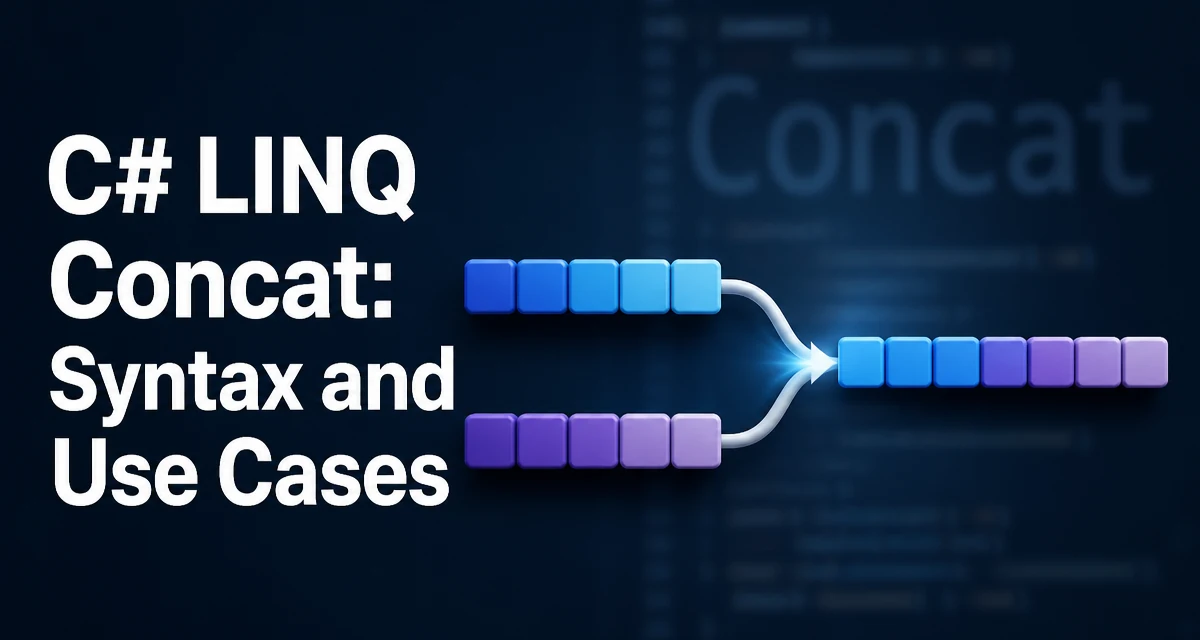
C# LINQ Concat: Syntax and Use Cases
C# LINQ Concat: Learn how to merge two sequences, understand lazy evaluation, and see practical examples with arrays and lists.
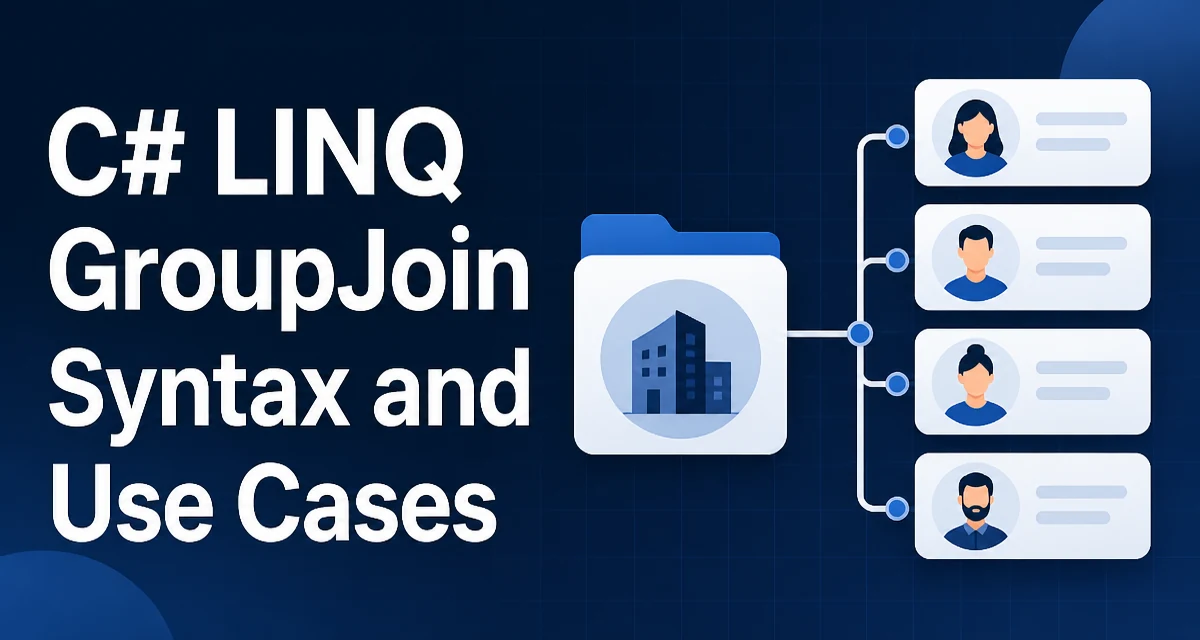
C# LINQ GroupJoin Syntax and Use Cases
c# linq groupjoin: Understand how C# LINQ GroupJoin pairs parent and child collections, produces nested child sequences, and differs from a standard join.
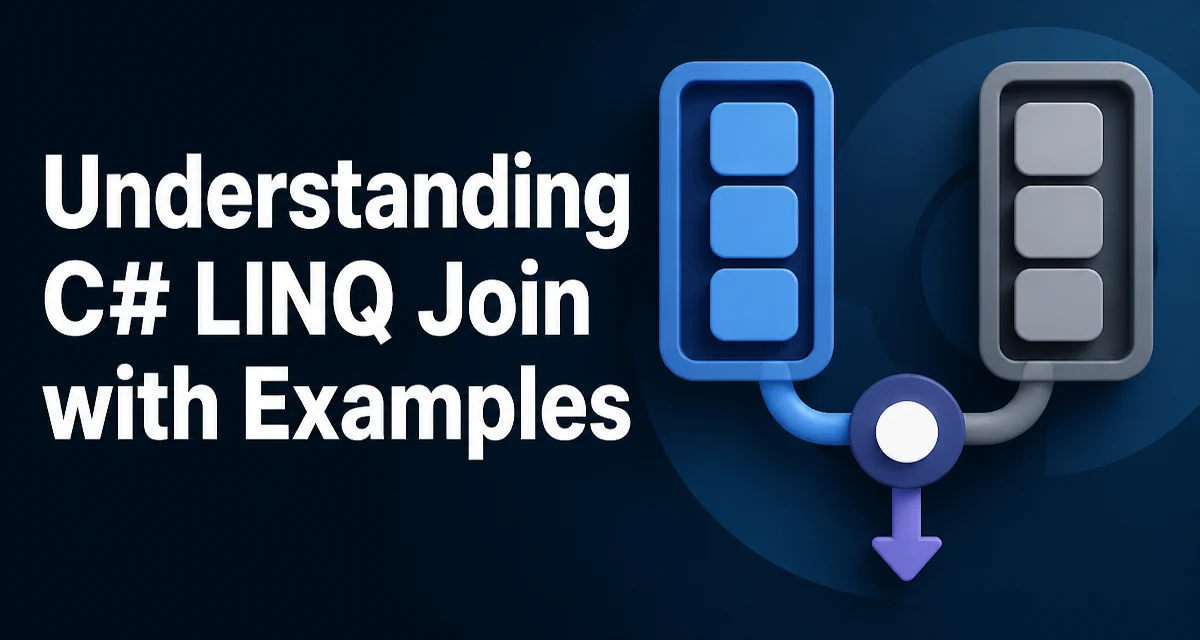
Understanding C# LINQ Join with Examples
c# linq join: Learn how to use LINQ Join to combine collections, including inner, left, and multi-key joins, with C# examples and common pitfalls.
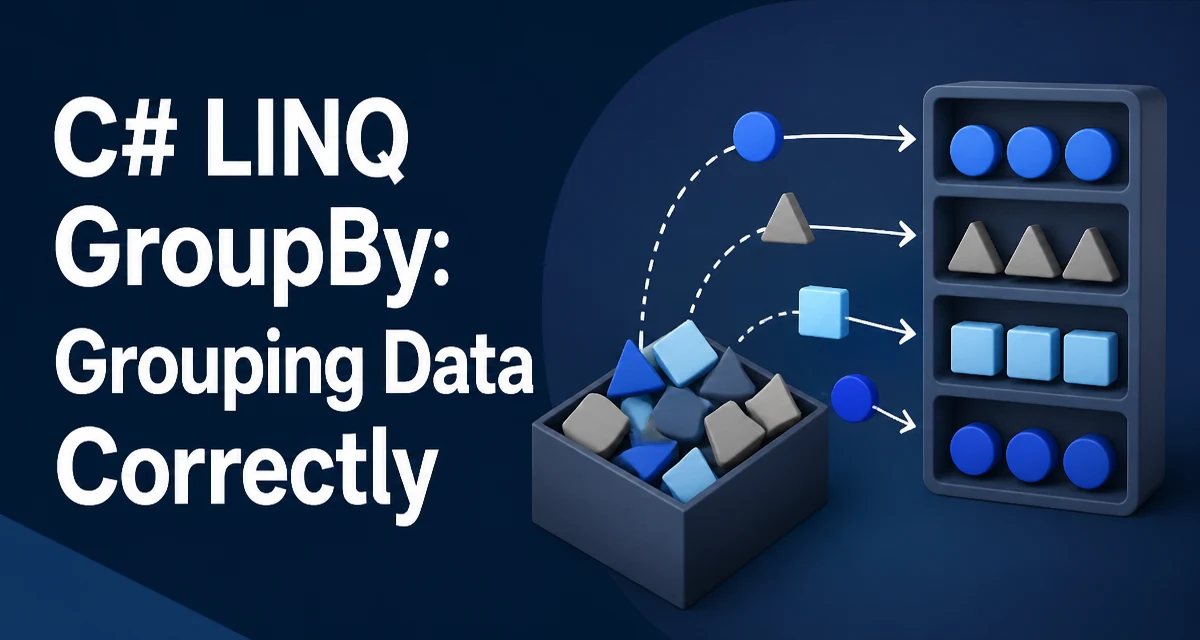
C# LINQ GroupBy: Grouping Data Correctly
Practical C# LINQ GroupBy examples for single and composite keys, deferred execution, and performance trade-offs.

How to Use LINQ DistinctBy in C#
Learn how to use LINQ DistinctBy in C# to remove duplicate objects based on a specific property, with practical examples, custom comparers, and performance tradeoffs.
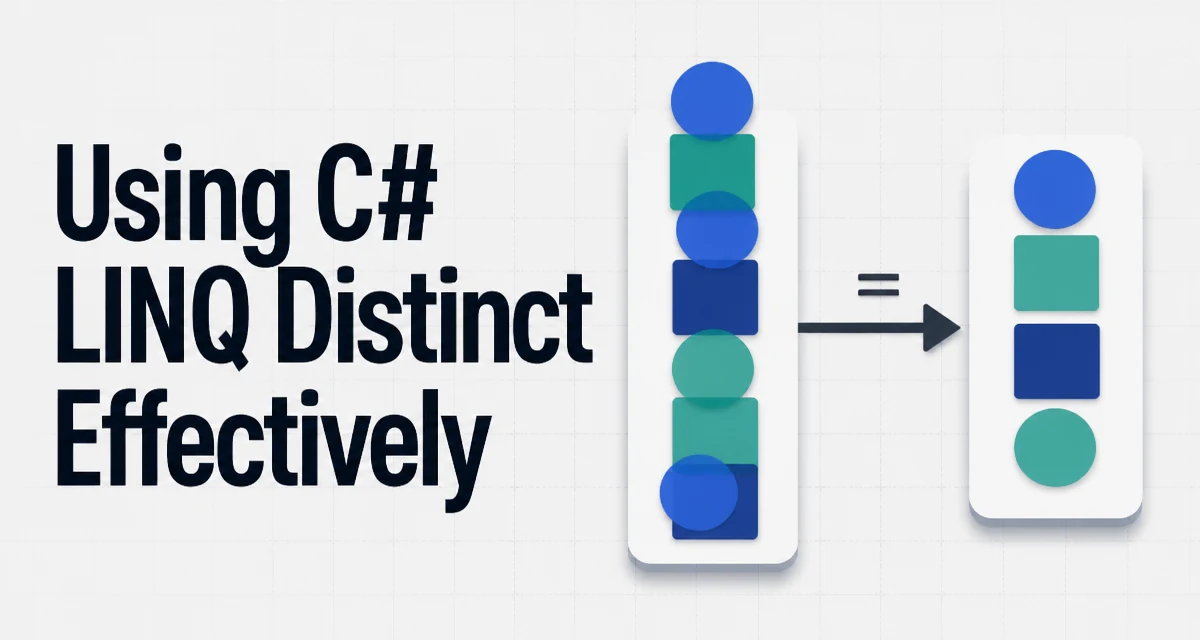
Using C# LINQ Distinct Effectively
c# linq distinct: Learn how C# LINQ Distinct works, when it uses default equality, and how to customize it with a comparer for reference types and complex objects.
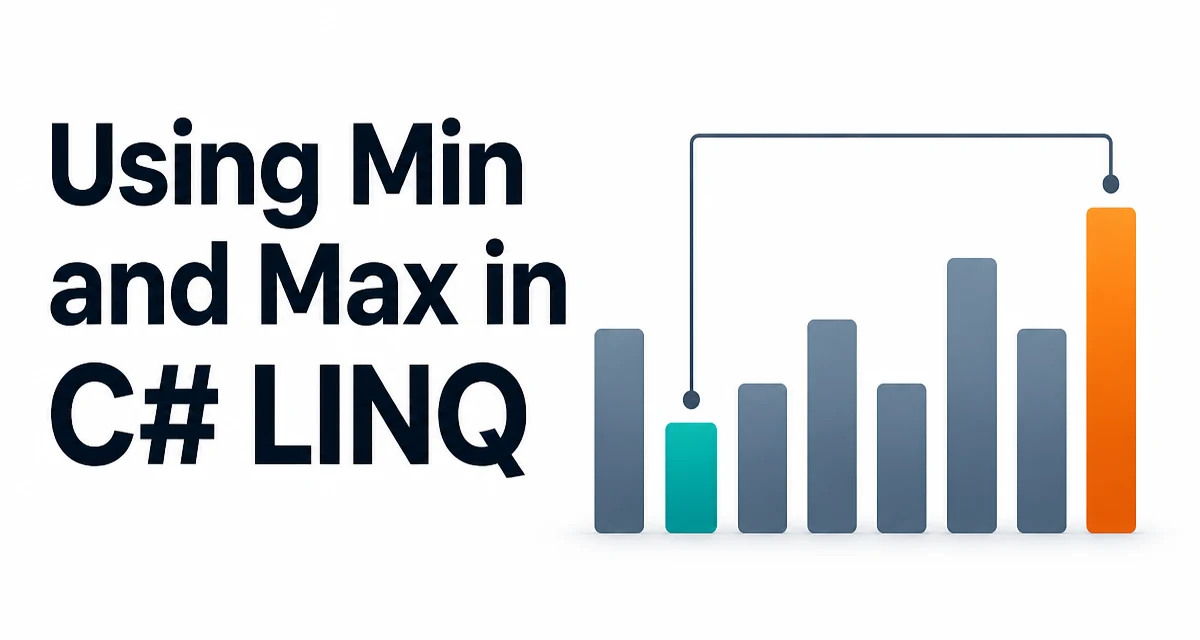
Using Min and Max in C# LINQ
Learn how to use LINQ Min and Max in C#: basic syntax, selector projections, empty sequence exceptions, nullable handling, and performance tradeoffs.
C# LINQ Average: Syntax and Edge Cases
Learn how to use LINQ's Average method in C#: syntax, numeric type behavior, empty sequence handling, selector projections, and performance considerations.
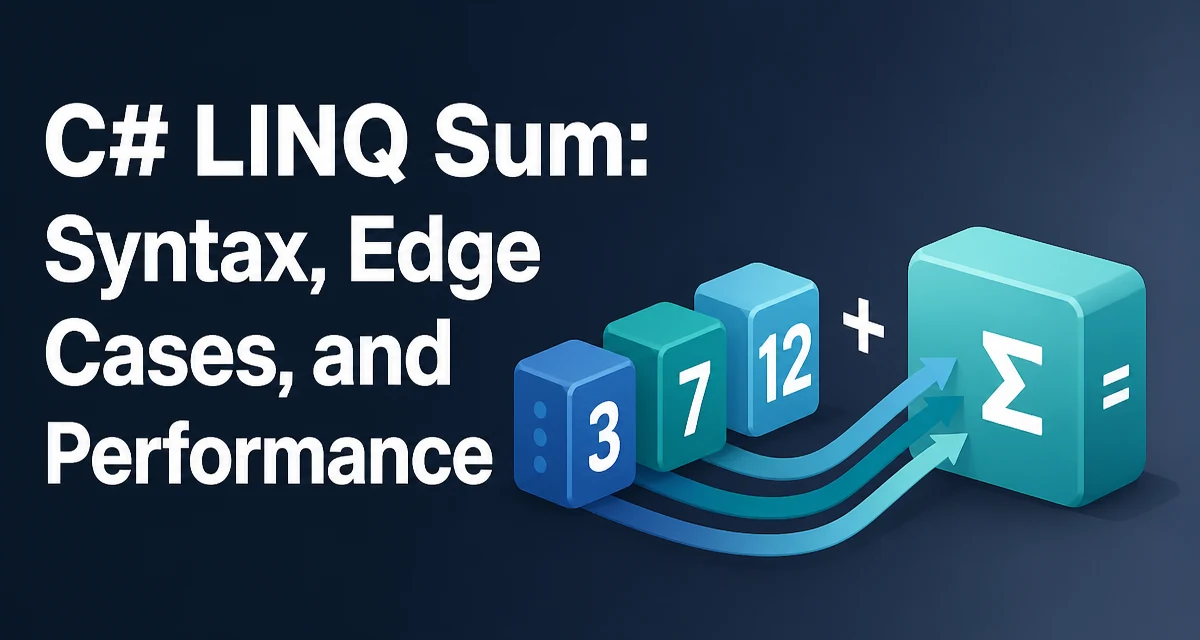
C# LINQ Sum: Syntax, Edge Cases, and Performance
Learn how to use the C# LINQ Sum method with code examples, including selector overloads, empty and nullable sequences, and when to choose Aggregate.
C# LINQ LongCount: When to Use It
c# linq longcount: Learn when and how to use LongCount in C# LINQ to avoid overflow when counting large collections, and how it differs from Count.