C# guides
Every published C# guide, newest first, with practical examples you can copy into your own project.
3,965 guides across 14 topics
Topics
Popular C# guides
Most read



Latest C# guides
Page 33 of 77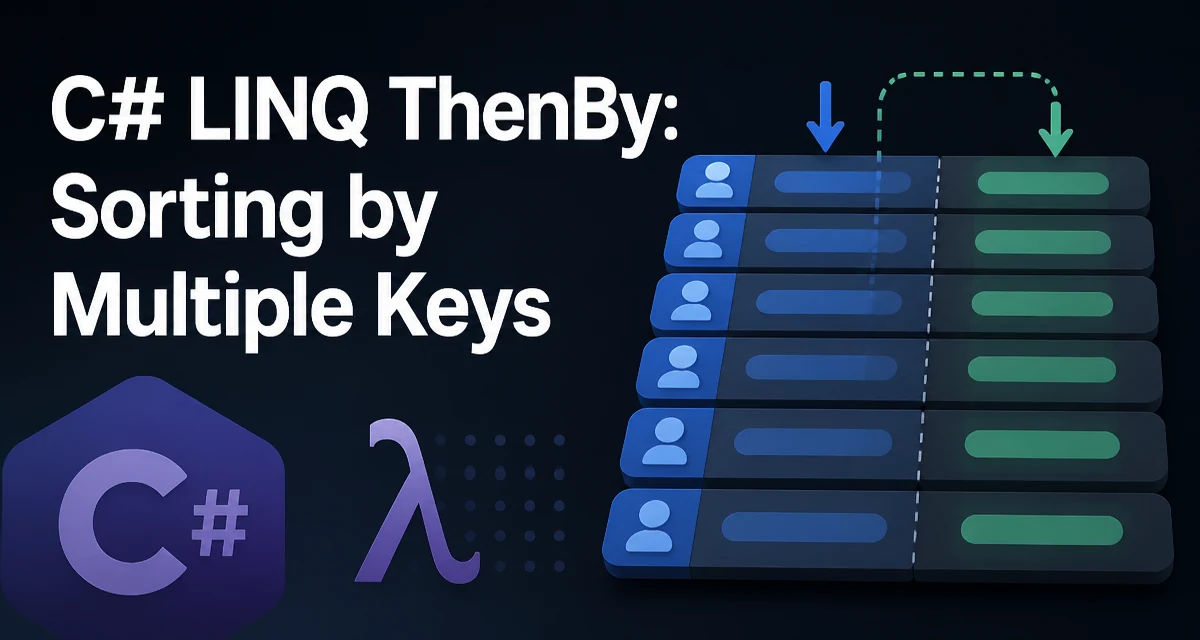
C# LINQ ThenBy: Sorting by Multiple Keys
Learn how to use C# LINQ ThenBy to sort data by multiple keys, handle descending order, and avoid common pitfalls.
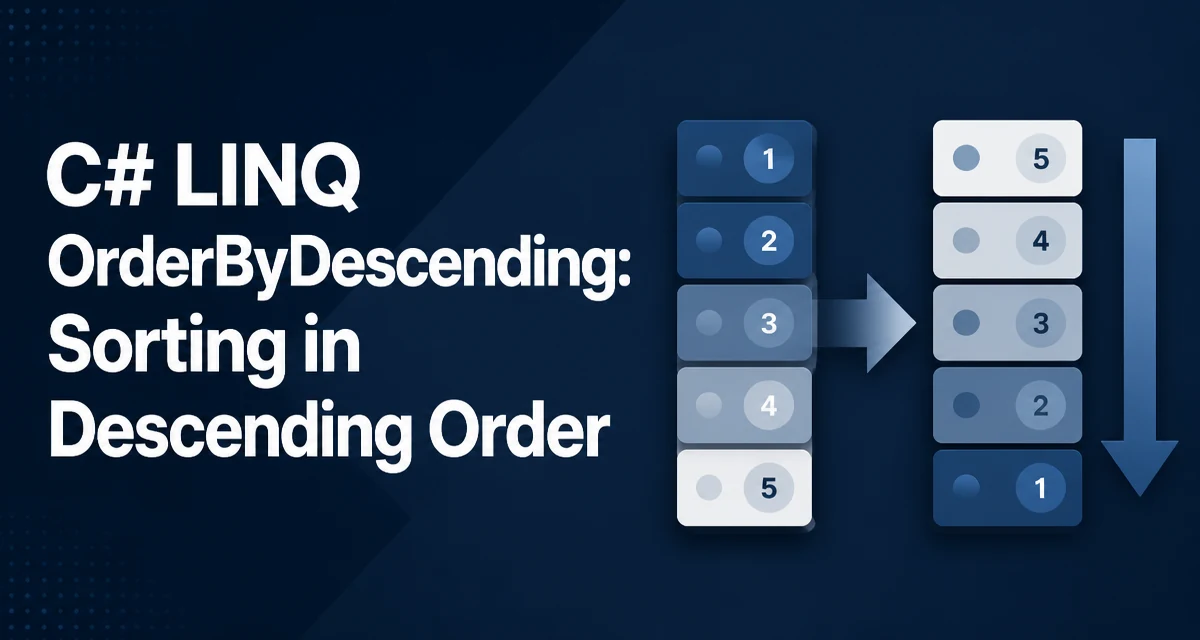
C# LINQ OrderByDescending: Sorting in Descending Order
Learn how to sort collections in descending order with C# LINQ OrderByDescending: syntax, key selectors, chained ThenByDescending sorts, null handling, and performance considerations.
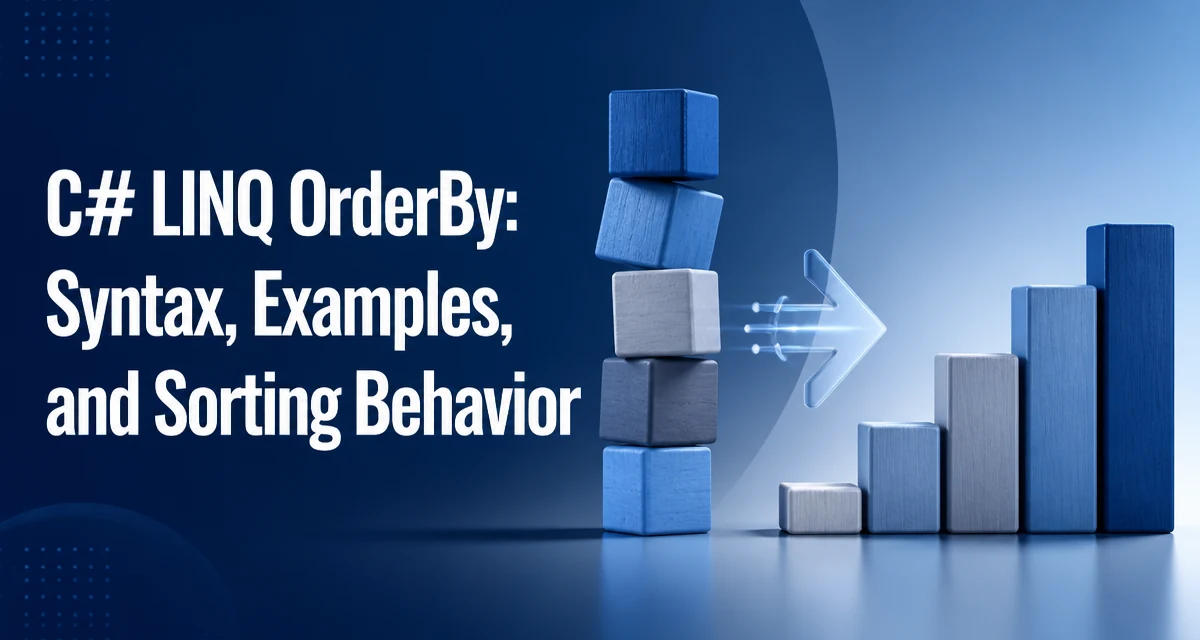
C# LINQ OrderBy: Syntax, Examples, and Sorting Behavior
Learn how to use C# LINQ OrderBy to sort collections, including OrderByDescending, ThenBy for multiple keys, custom comparers, deferred execution, and performance.
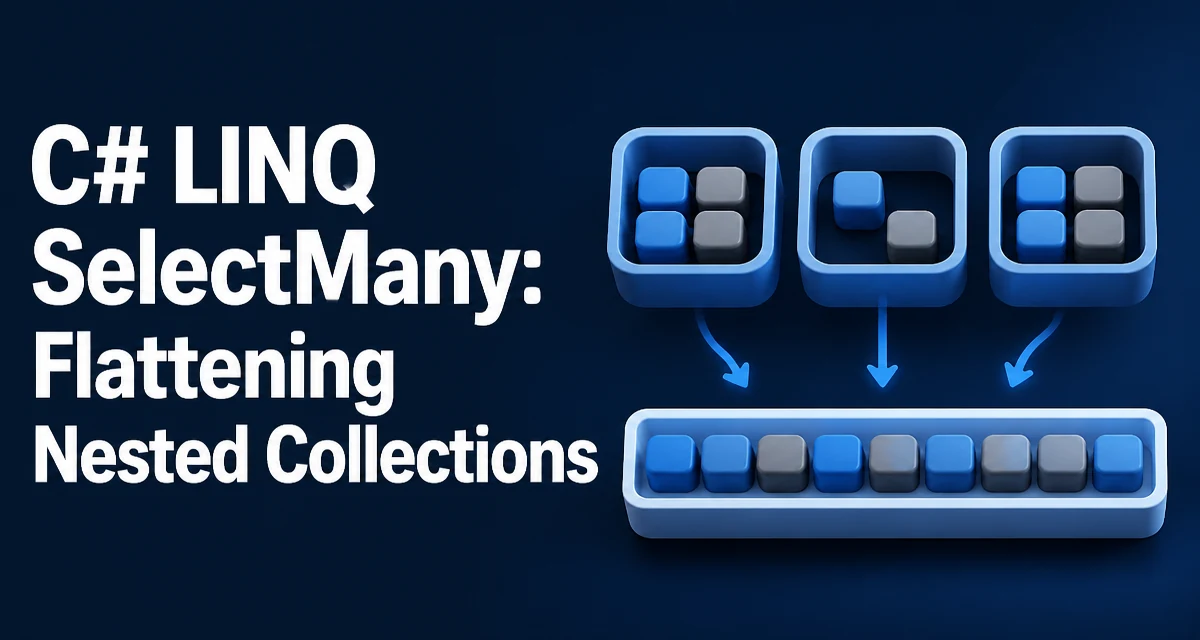
C# LINQ SelectMany: Flattening Nested Collections
Learn how C# LINQ SelectMany flattens nested collections into a single sequence, with syntax examples and performance tradeoffs.

C# LINQ Select: Syntax, Examples, and Pitfalls
Learn how to use C# LINQ Select to project data, including syntax, index usage, deferred execution, and common pitfalls.
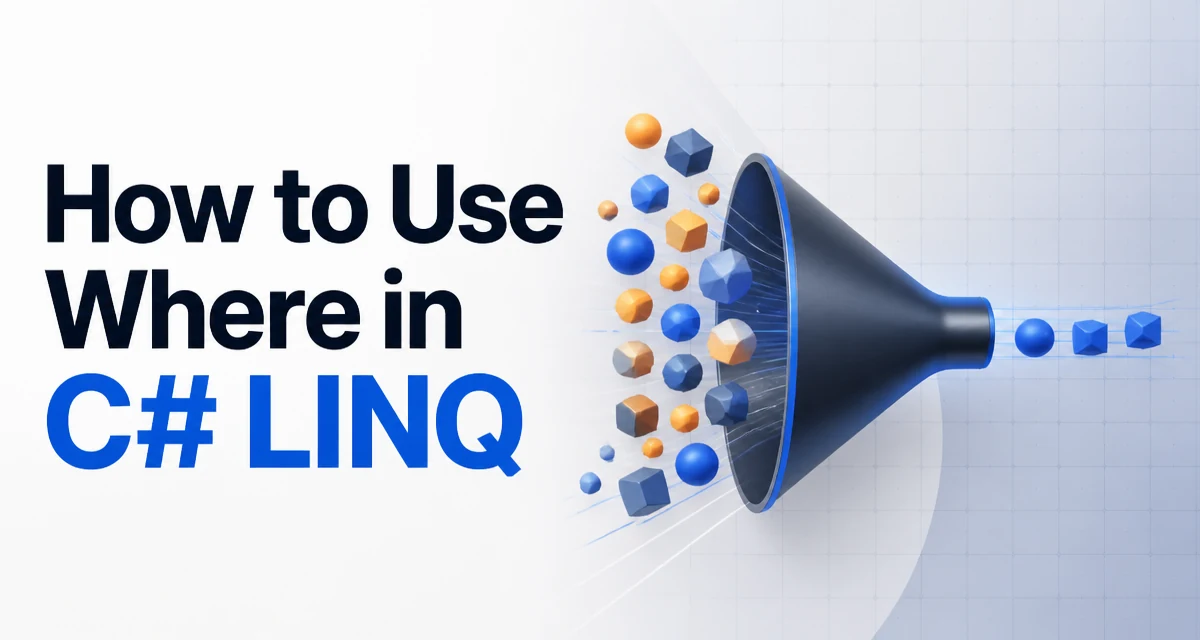
How to Use Where in C# LINQ
Learn how the Where method filters sequences in C# LINQ, covering syntax, predicate behavior, deferred execution, and practical performance considerations.
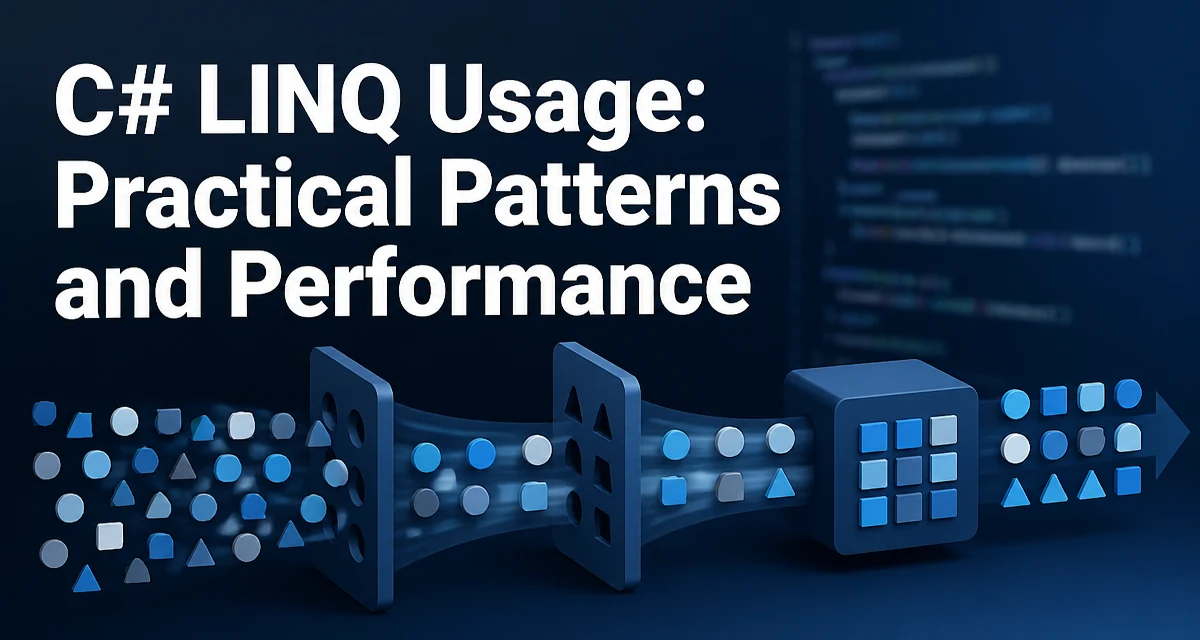
C# LINQ Usage: Practical Patterns and Performance
Practical LINQ usage in C#: query vs method syntax, deferred execution, common operations, and performance tradeoffs for real applications.
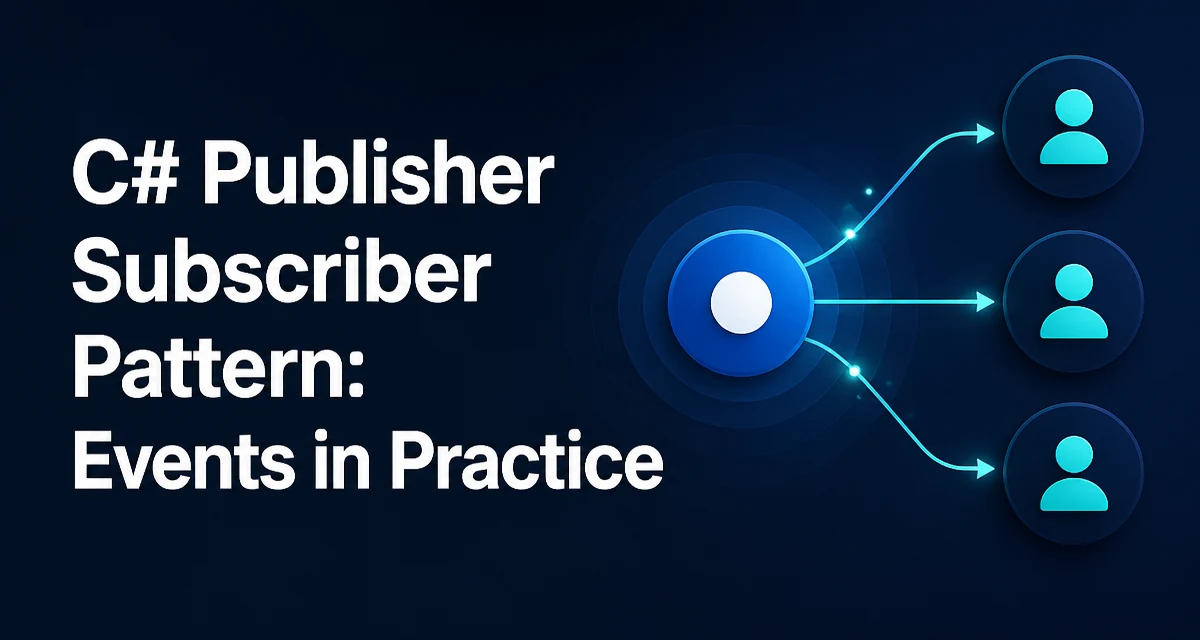
C# Publisher Subscriber Pattern: Events in Practice
c# publisher subscriber pattern: Learn how the C# publisher subscriber pattern works with events and delegates, including exception handling, memory leaks, and threadi...

C# Event Null Check: Safe Invocation Patterns
Learn how to safely check and invoke C# events to avoid NullReferenceException, including the null-conditional operator, race conditions, and custom accessors.
Raising Events in C#: Syntax, Safety, and Common Pitfalls
Raising events in C#: declare and invoke them safely, pass custom event arguments, handle no subscribers, and avoid common pitfalls that break production code.