Browse by Topic
Popular
Popular Posts
Latest
Latest C# Posts
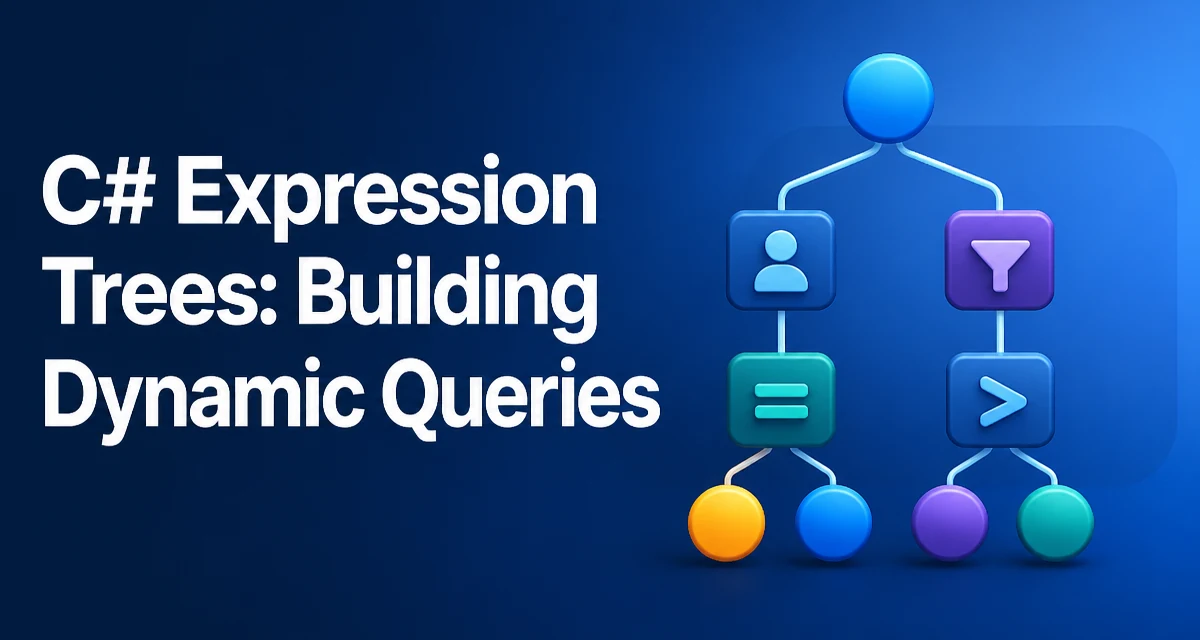
C# Expression Trees: Building Dynamic Queries
See how to construct, compile, cache, and use C# expression trees for dynamic filters and IQueryable providers.
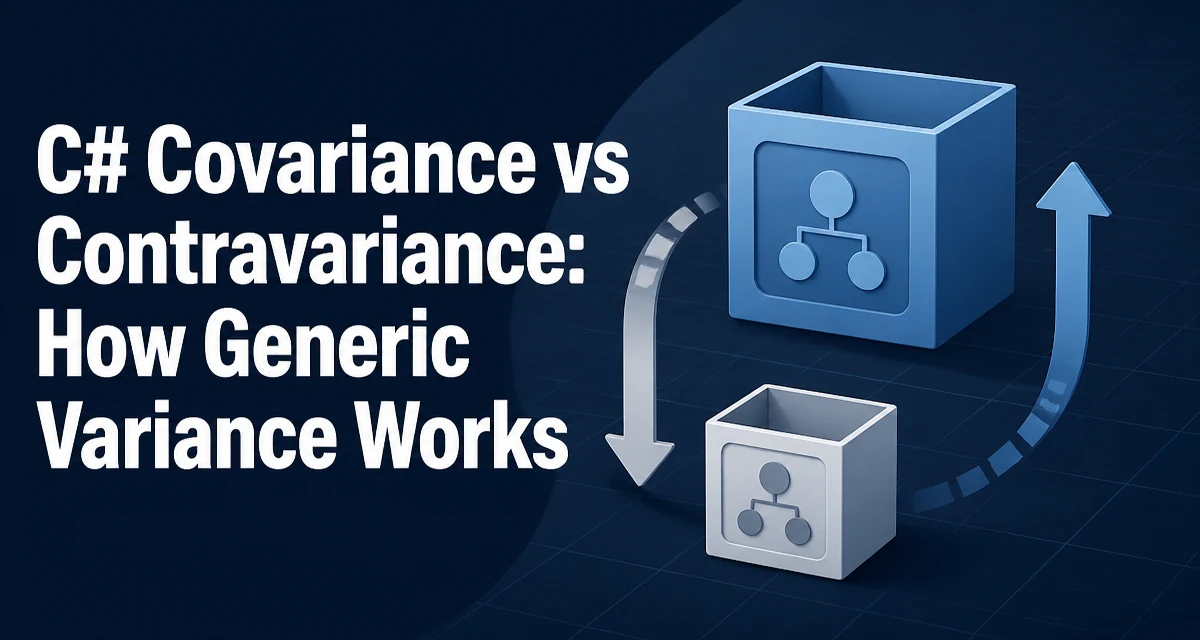
C# Covariance vs Contravariance: How Generic Variance Works
Understand how C# covariance and contravariance control generic type conversions, including when the compiler permits them and how arrays differ.

C# Generic In Parameter: Syntax and Constraints
c# generic in parameter: Learn how to define and use generic type parameters in C# methods, including constraints, multiple parameters, and runtime behavior.
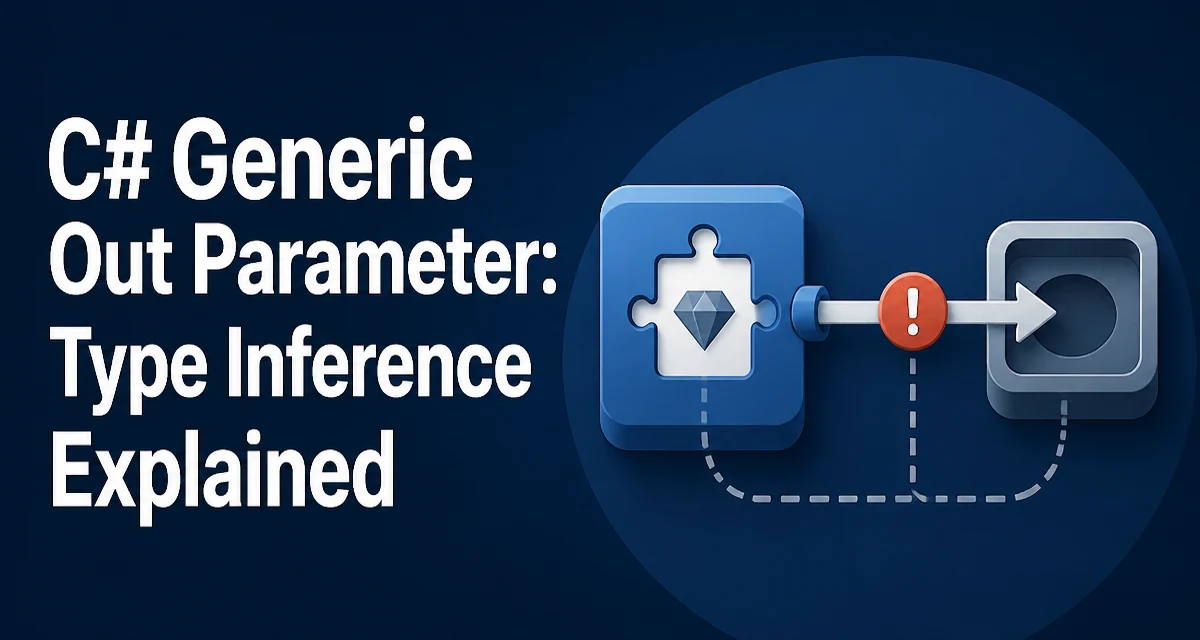
C# Generic Out Parameter: Type Inference Explained
Generic methods with out parameters have type-inference constraints at the call site. This article explains why explicit type arguments are often required and compares TryGetValue and tuple alternatives.

C# Contravariance: How the in Keyword Works
Learn how C# contravariance works with delegates and generic interfaces, including the in keyword, practical usage, and common type-safety boundaries.
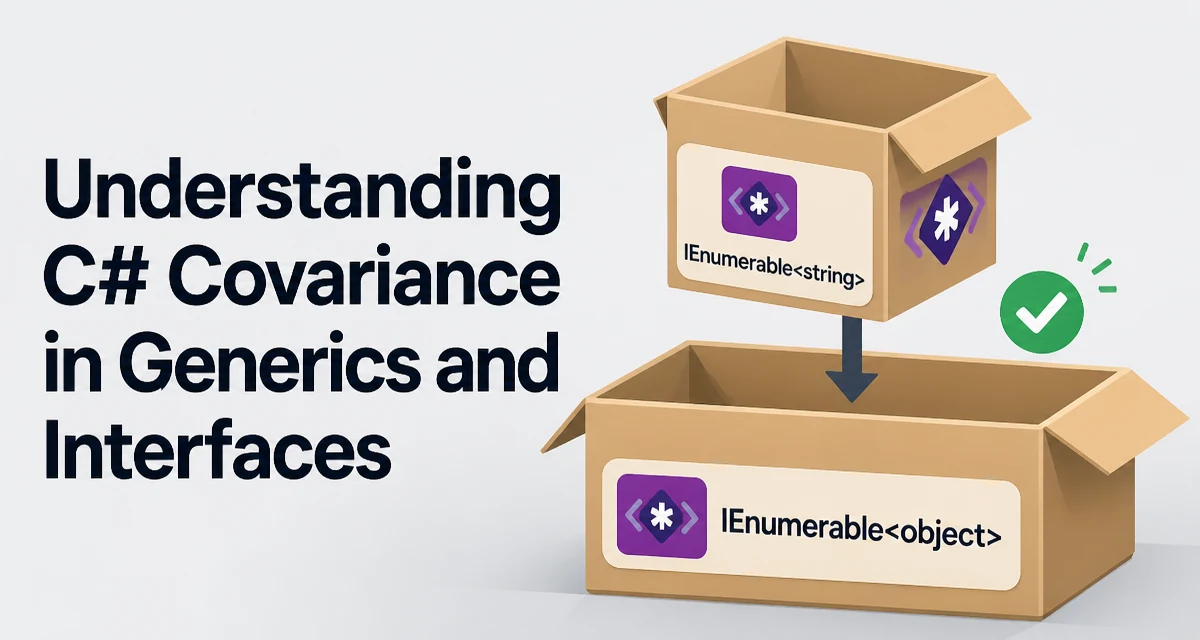
Understanding C# Covariance in Generics and Interfaces
c# covariance: Learn how C# covariance works in arrays, generic interfaces, and delegates, where it is allowed, and how to avoid runtime exceptions.
C# Generic Variance: Covariance & Contravariance
c# generic variance: Understand C# generic variance: how out and in keywords enable covariance and contravariance in interfaces and delegates, with practical examples.
C# GC.SuppressFinalize: When and Why to Call It
Learn when and why to call GC.SuppressFinalize in C#, how it interacts with finalizers and IDisposable, and common pitfalls.
C# Dispose vs Finalizer: When to Use Each
Understand the difference between IDisposable and finalizers in C#, when each runs, and how to implement the Dispose pattern correctly.
Understanding C# Destructors and Finalization
Learn how C# destructors (finalizers) work, when they run, and why IDisposable is usually the better cleanup mechanism.