C# guides
Every published C# guide, newest first, with practical examples you can copy into your own project.
3,965 guides across 14 topics
Topics
Popular C# guides
Most read



Latest C# guides
Page 66 of 77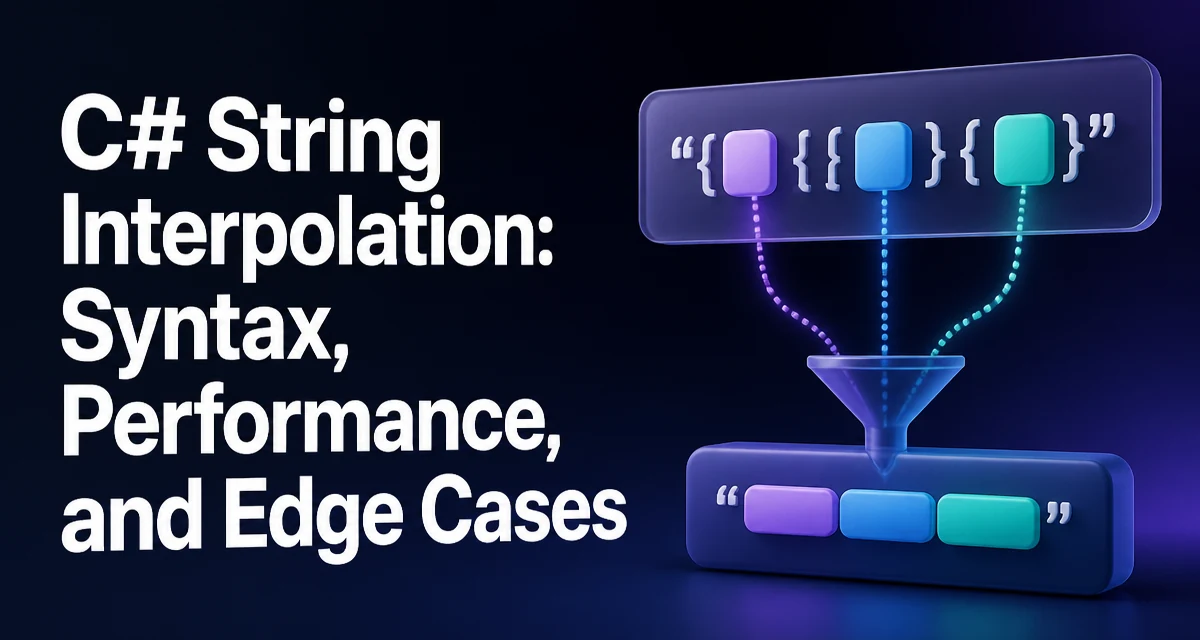
C# String Interpolation: Syntax, Performance, and Edge Cases
Learn C# string interpolation syntax, compiled behavior, format specifiers, performance characteristics, and edge cases that matter in production code.
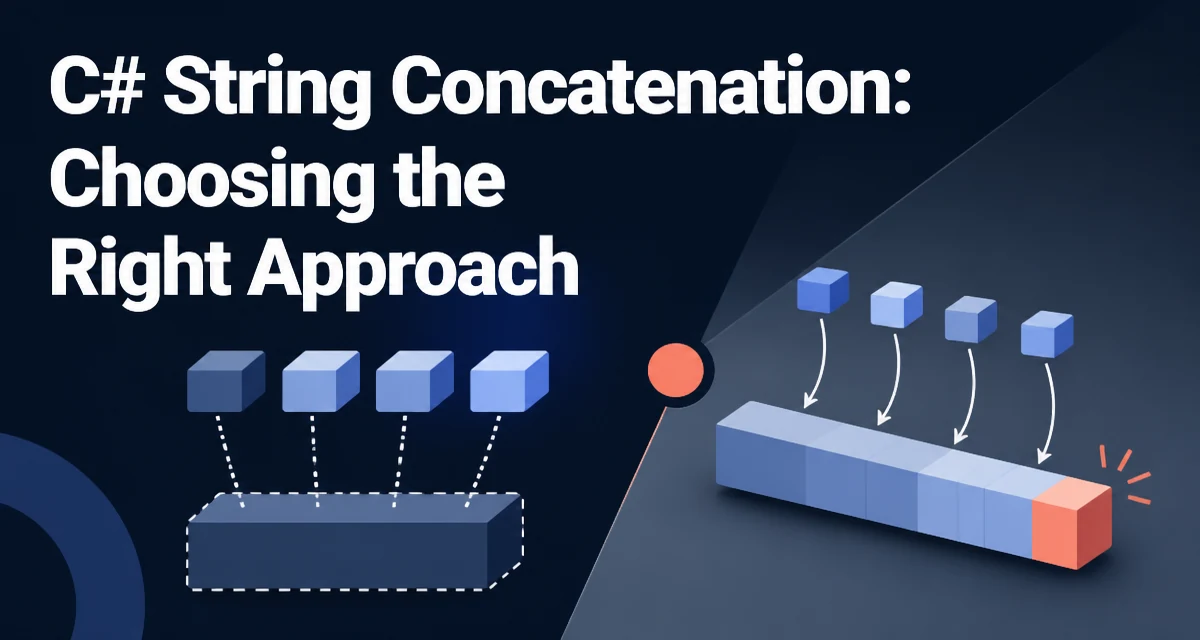
C# String Concatenation: Choosing the Right Approach
Learn how C# string concatenation works under the hood, compare the + operator, String.Concat, interpolation, and StringBuilder, and choose the right approach for your scenario.
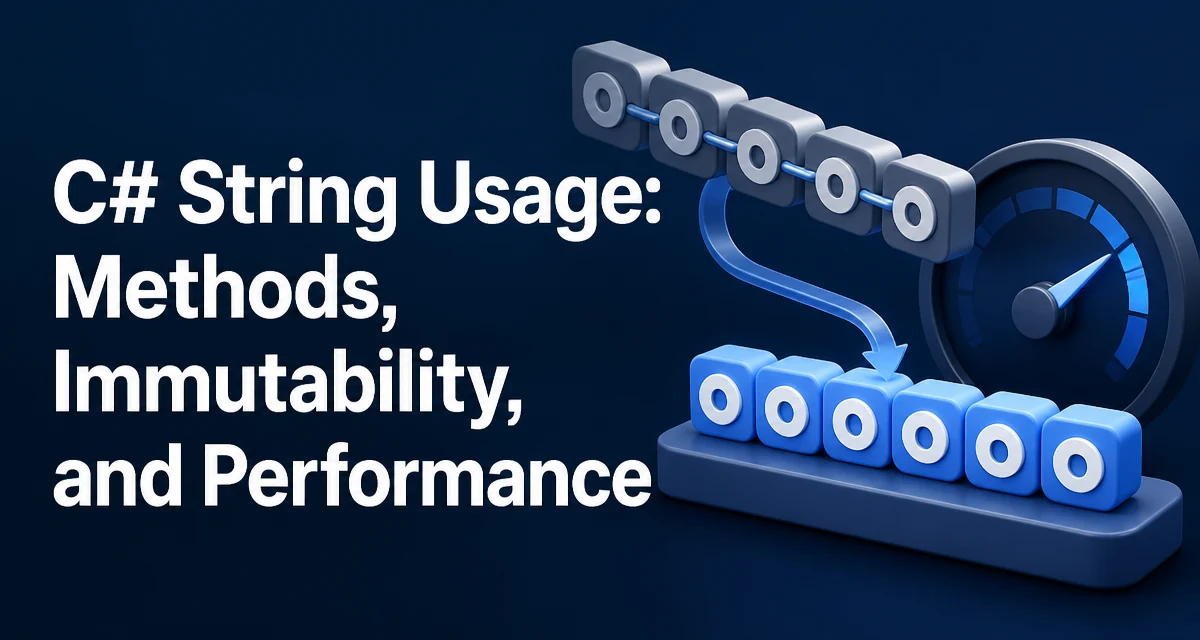
C# String Usage: Methods, Immutability, and Performance
Explore practical C# string usage: common methods, immutability, concatenation, interpolation, comparison, and performance tradeoffs.
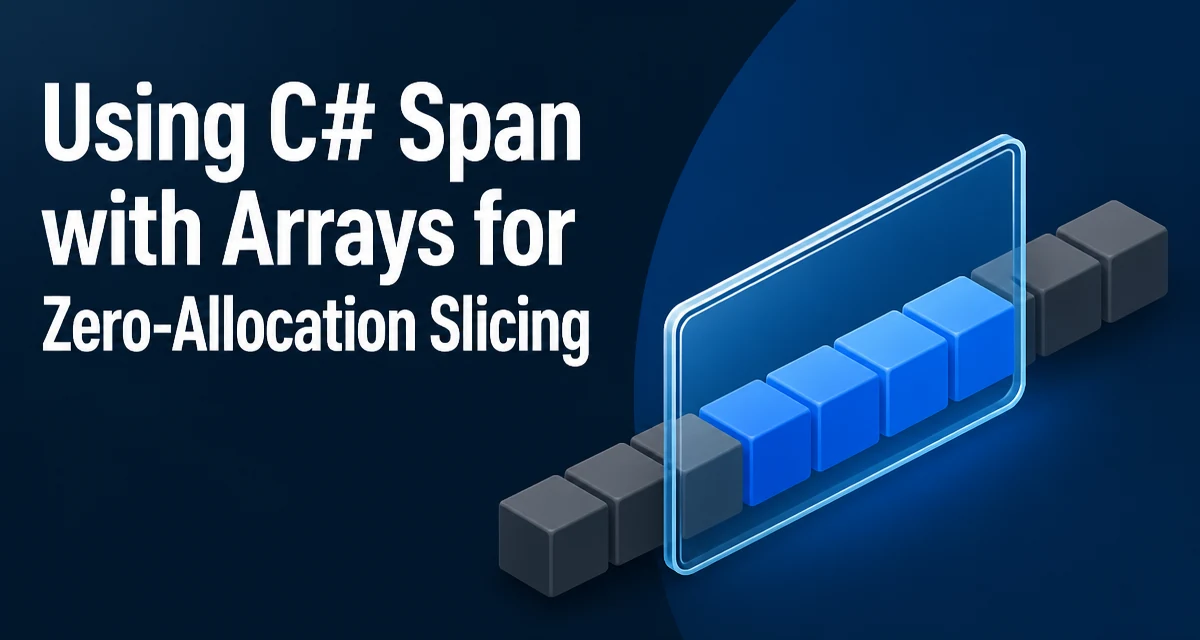
Using C# Span with Arrays for Zero-Allocation Slicing
c# span with arrays: Learn how to use Span<T> with arrays in C# to slice, modify, and pass array data without allocating new memory, and understand the ref struct limi...
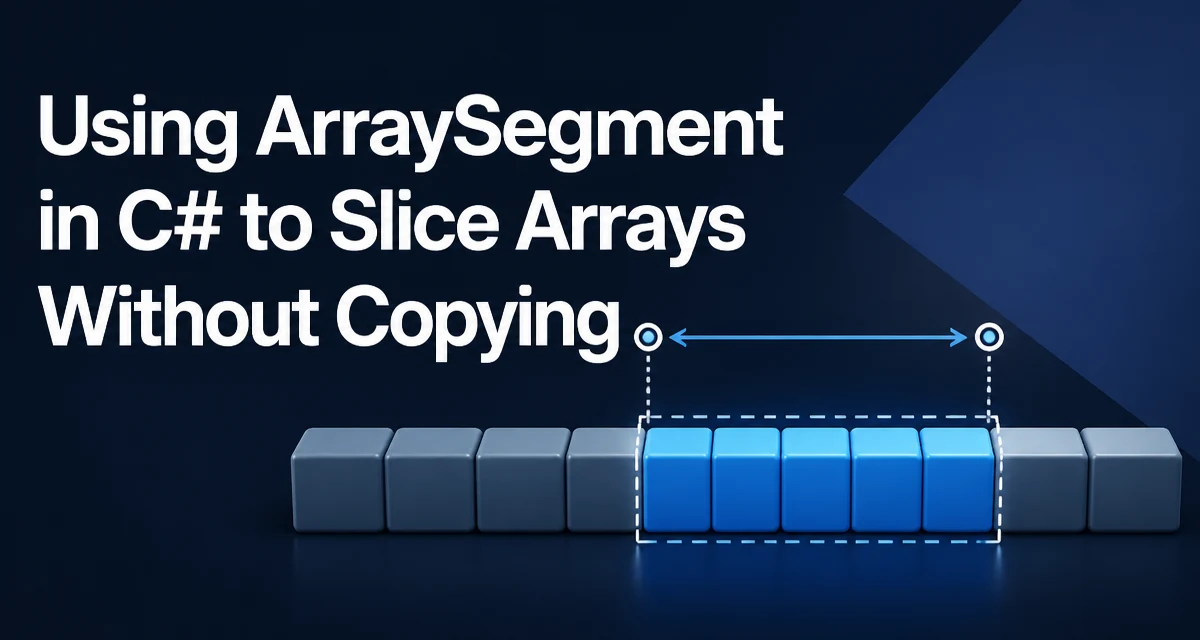
Using ArraySegment in C# to Slice Arrays Without Copying
ArraySegment<T> in C#: wrap part of an array without copying, read Offset and Count, pass slices to methods, and see where Span<T> is the better choice.

C# Array vs List: Choosing the Right Collection Type
c# array vs list: Compare C# arrays and List<T> for fixed-size and dynamic collections, covering memory, performance, API differences, and when each type fits best.
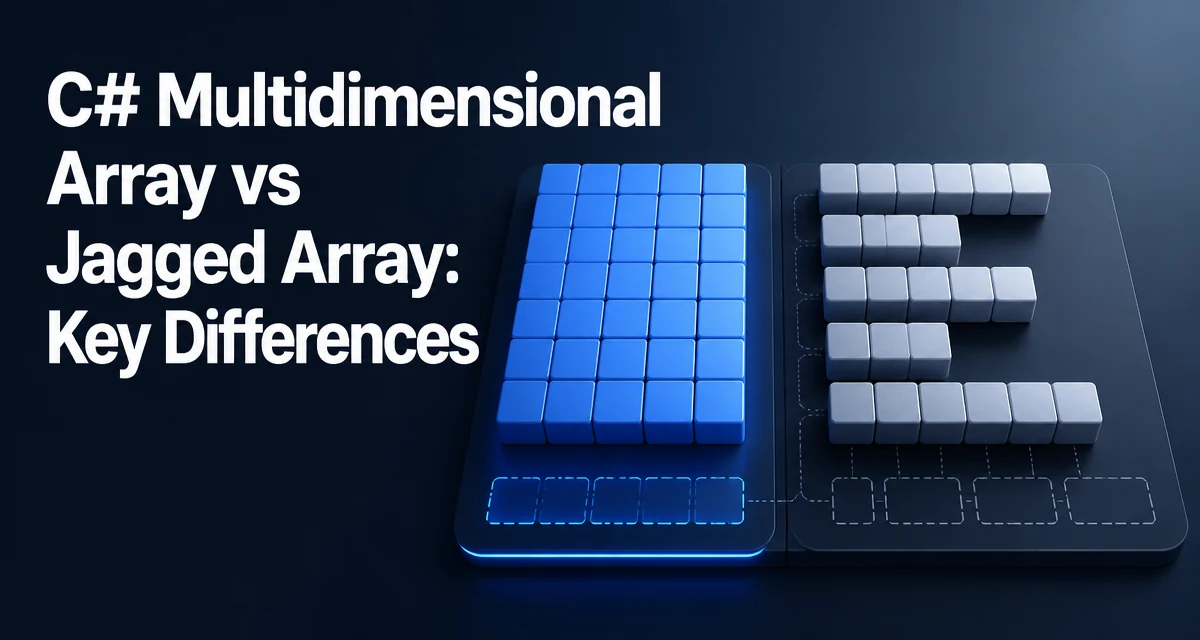
C# Multidimensional Array vs Jagged Array: Key Differences
Compare C# multidimensional and jagged arrays: syntax, memory layout, performance, and when to choose each for your code.

C# Jagged Array: Syntax, Usage, and Performance
C# jagged array: Learn how to declare, initialize, and iterate C# jagged arrays, understand their memory layout, and see when they outperform multidimensional arrays.
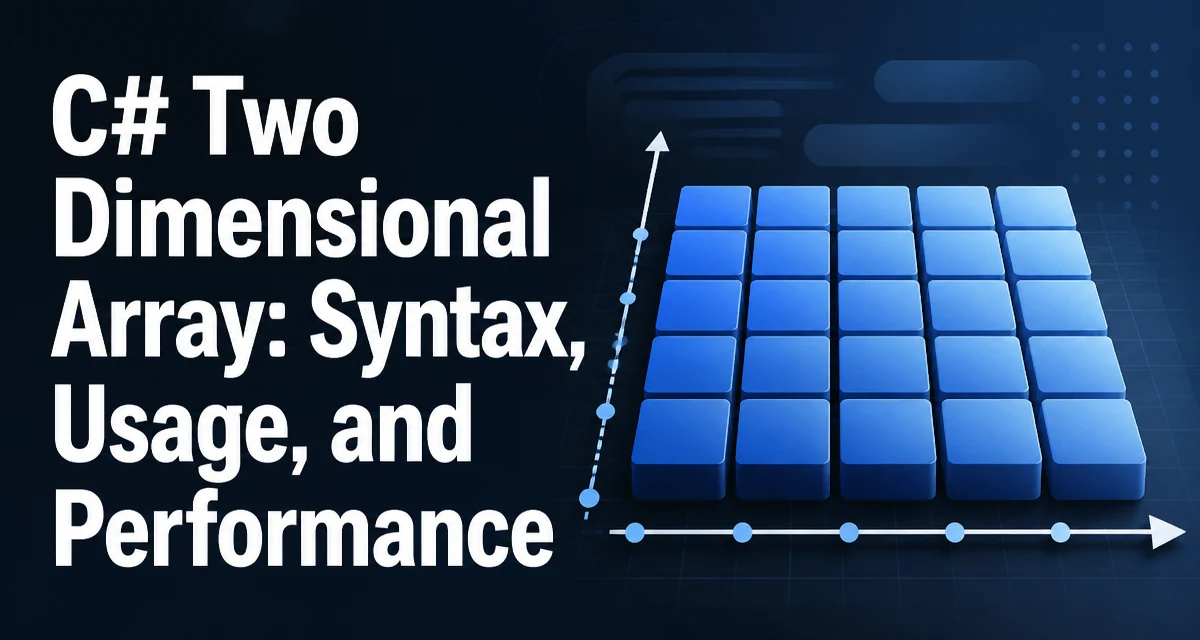
C# Two-Dimensional Array: Syntax, Usage, and Performance
Learn how to declare, initialize, and access two-dimensional arrays in C#. Compare multidimensional and jagged arrays, and understand performance trade-offs.
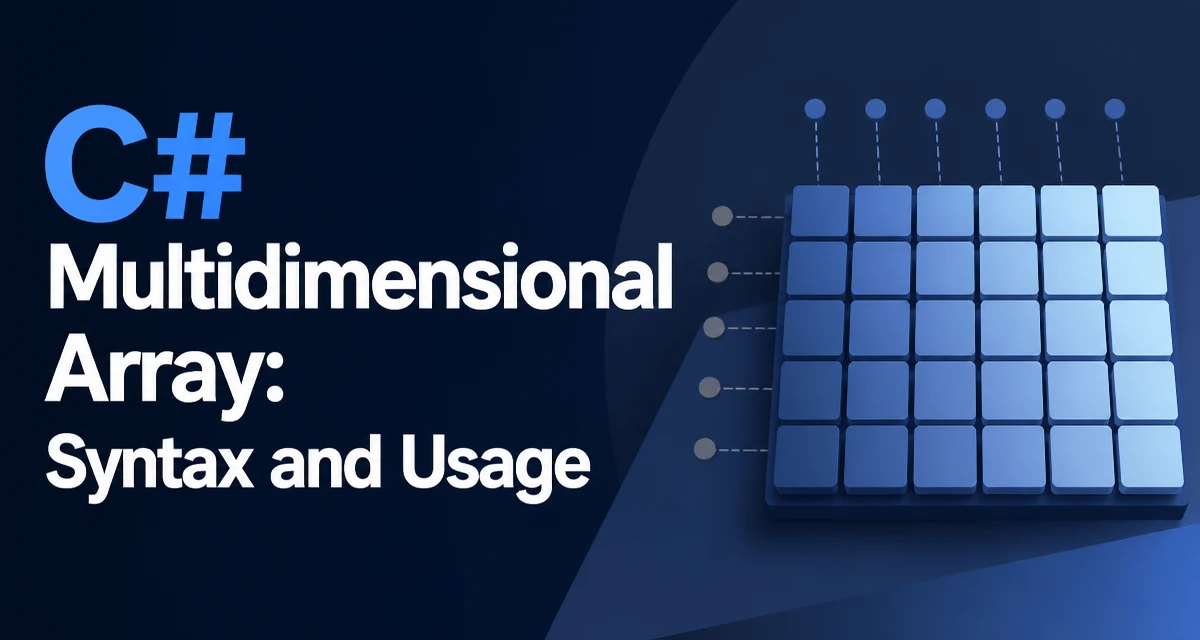
C# Multidimensional Array: Syntax and Usage
Learn how to declare, initialize, and iterate C# multidimensional arrays, including rectangular vs jagged arrays and performance tradeoffs.