Browse by Topic
Popular
Popular Posts
Latest
Latest C# Posts
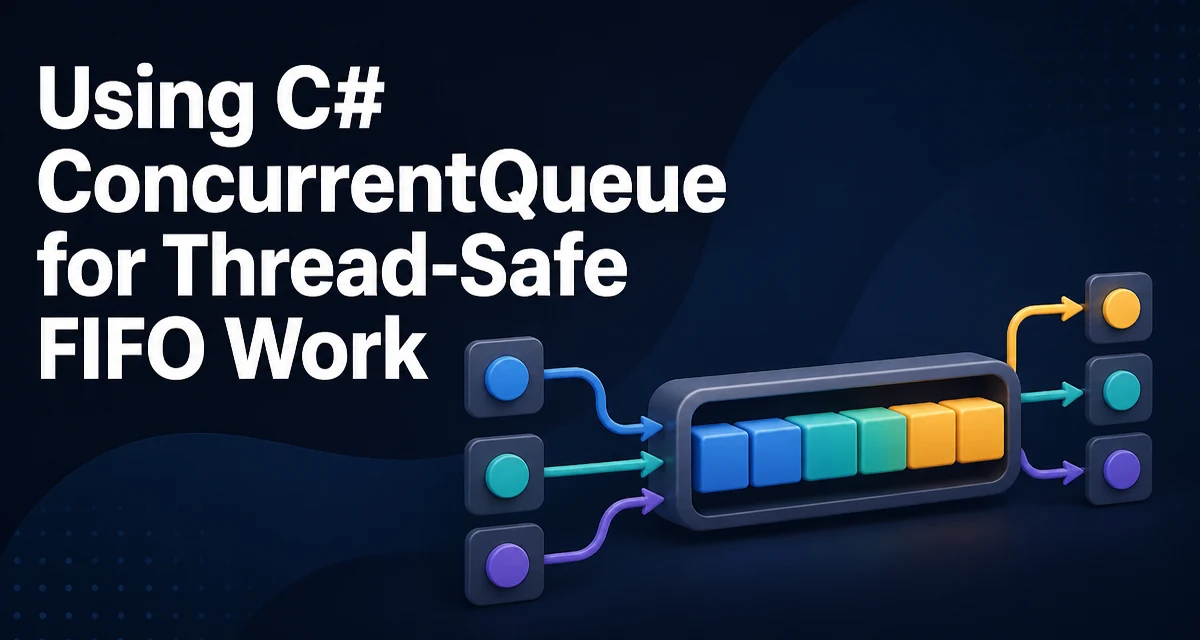
Using C# ConcurrentQueue for Thread-Safe FIFO Work
Understand how to use C# ConcurrentQueue<T> for thread-safe FIFO operations: core methods, enumeration, performance, and common pitfalls.
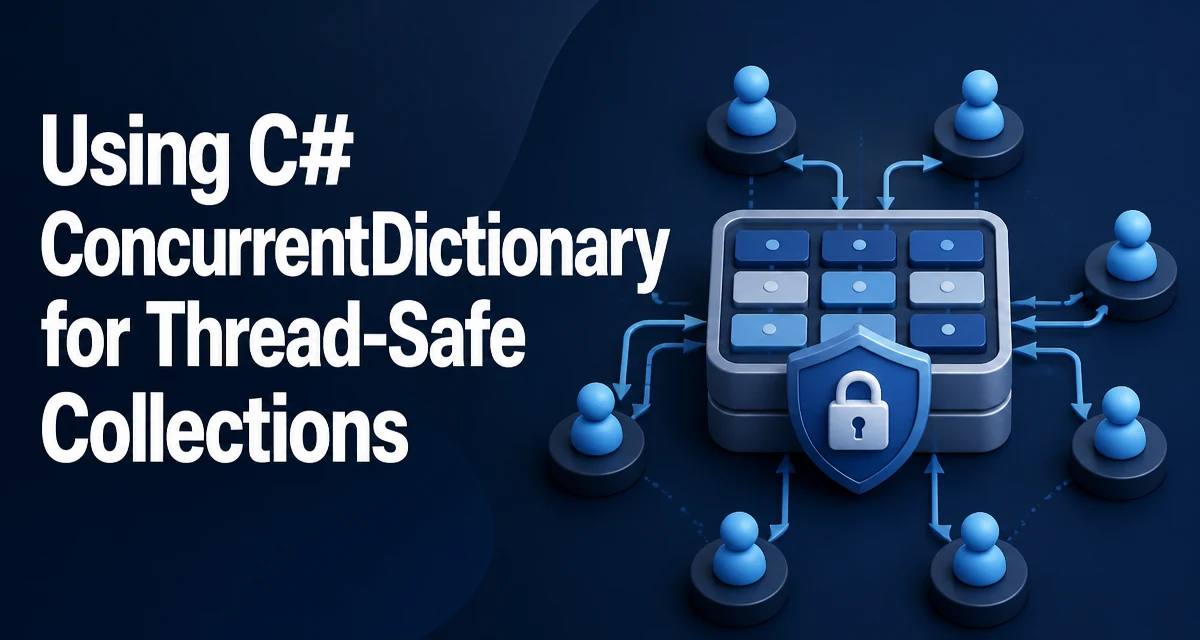
Using C# ConcurrentDictionary for Thread-Safe Collections
Learn how to use C# ConcurrentDictionary for thread-safe operations, including atomic methods, performance tradeoffs, and when to choose it over other approaches.

C# Concurrent Collections: Choosing the Right Thread-Safe Collection
Learn how to choose and use C# concurrent collections such as ConcurrentDictionary, ConcurrentQueue, ConcurrentStack, ConcurrentBag, and BlockingCollection, including code examples and common pitfalls.
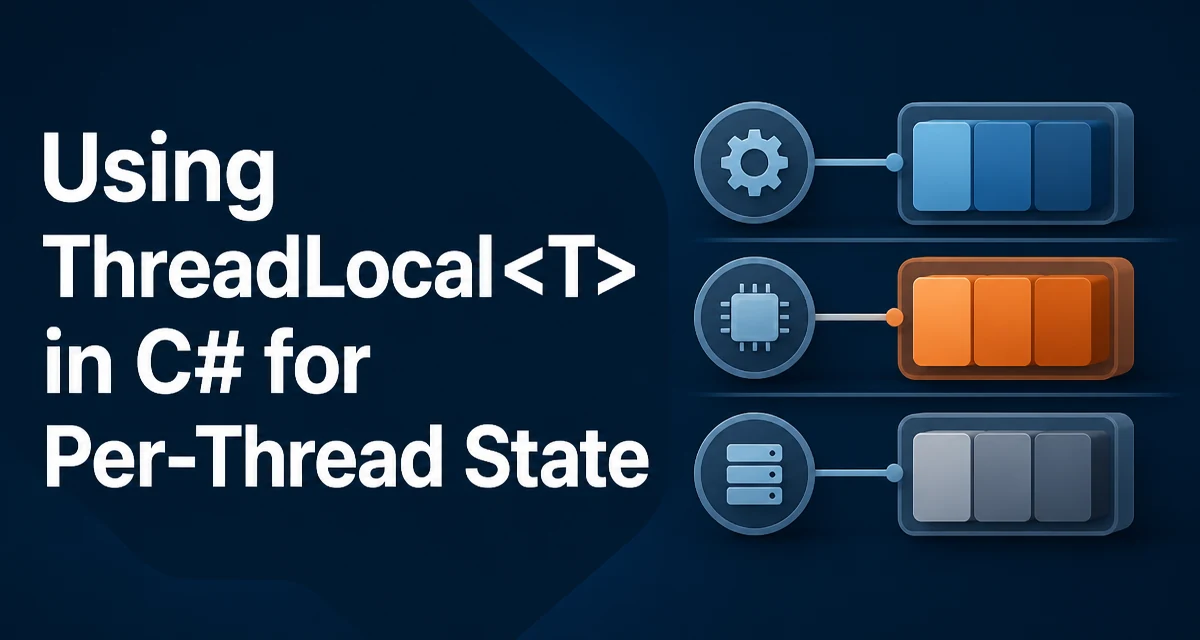
Using ThreadLocal<T> in C# for Per-Thread State
Learn how C# ThreadLocal<T> provides isolated per-thread state, when to use it instead of ThreadStatic or AsyncLocal, and how it affects memory and disposal.

C# volatile: Semantics and Practical Use
Understand what C# volatile does, when to use it, and its limits. Practical examples show correct usage and common pitfalls.
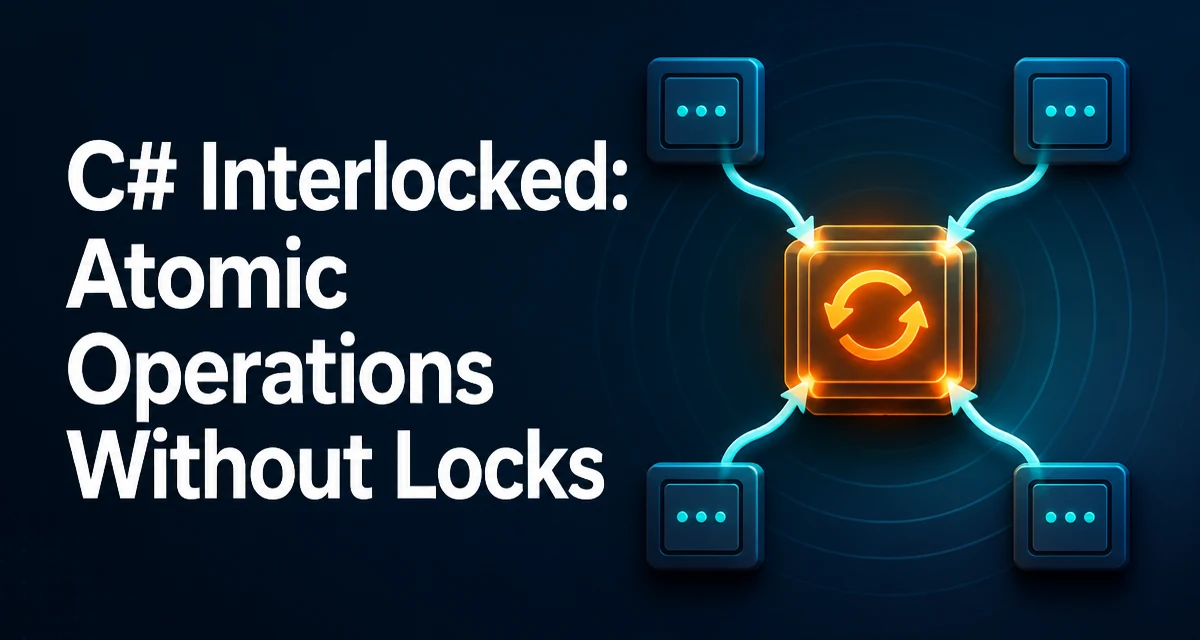
C# Interlocked: Atomic Operations Without Locks
c# interlocked: Learn how C# Interlocked provides atomic operations for thread-safe counters and lock-free updates without explicit locking.

C# Monitor vs Lock: When to Use Each
The lock statement compiles to Monitor.Enter and Monitor.Exit. Learn when the higher-level syntax is enough and when you need Monitor's advanced features like timeouts and thread signaling.

C# Lock Object: Choosing What to Lock and Why
Choosing the right object for C#'s lock statement matters for thread safety. This article covers safe lock-object patterns, common mistakes, and how to avoid contention and deadlocks.

C# Thread-Safe Locking: Choosing the Right Synchronization
Learn how to protect shared state in C# with lock, Monitor, Mutex, SemaphoreSlim, and ReaderWriterLockSlim, and avoid common concurrency pitfalls.

Using the C# lock Keyword for Thread Safety
Understand the C# lock keyword: syntax, how it maps to Monitor, common pitfalls, performance impact, and when to use alternatives.