Browse by Topic
Popular
Popular Posts


Latest
Latest Java Posts
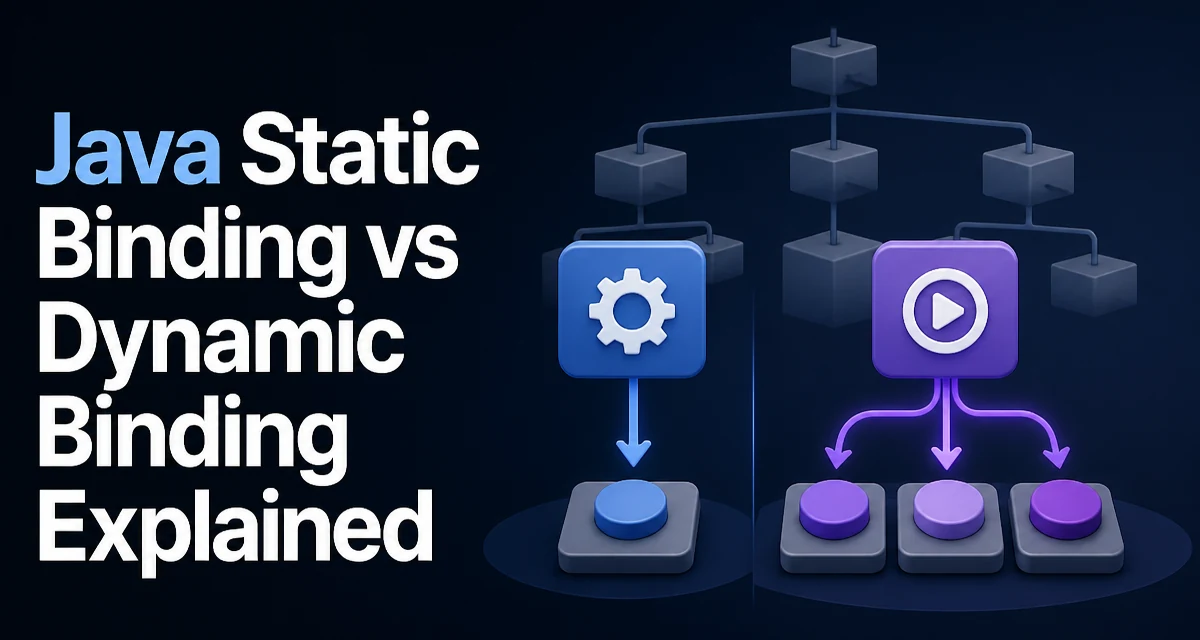
Java Static Binding vs Dynamic Binding Explained
Java resolves some method calls at compile time and others at runtime. This article explains static vs dynamic binding, overloading, overriding, and design tradeoffs.
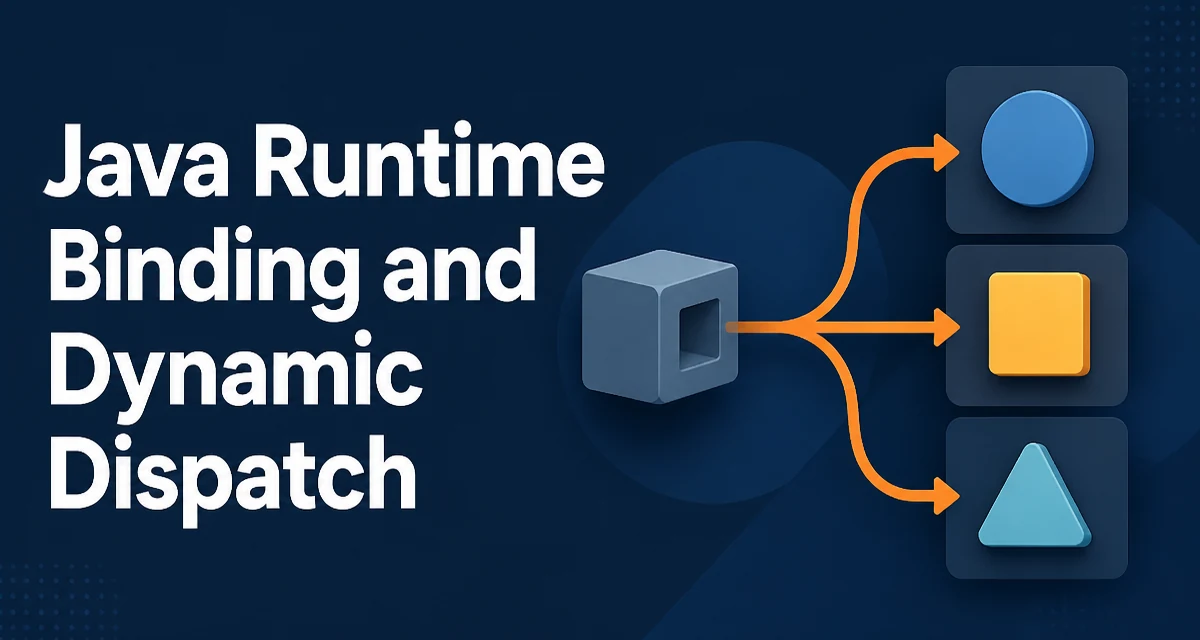
Java Runtime Binding and Dynamic Dispatch
java runtime binding: Understand how Java resolves method calls at runtime through dynamic dispatch, overriding, and interfaces, and when it matters in production code.
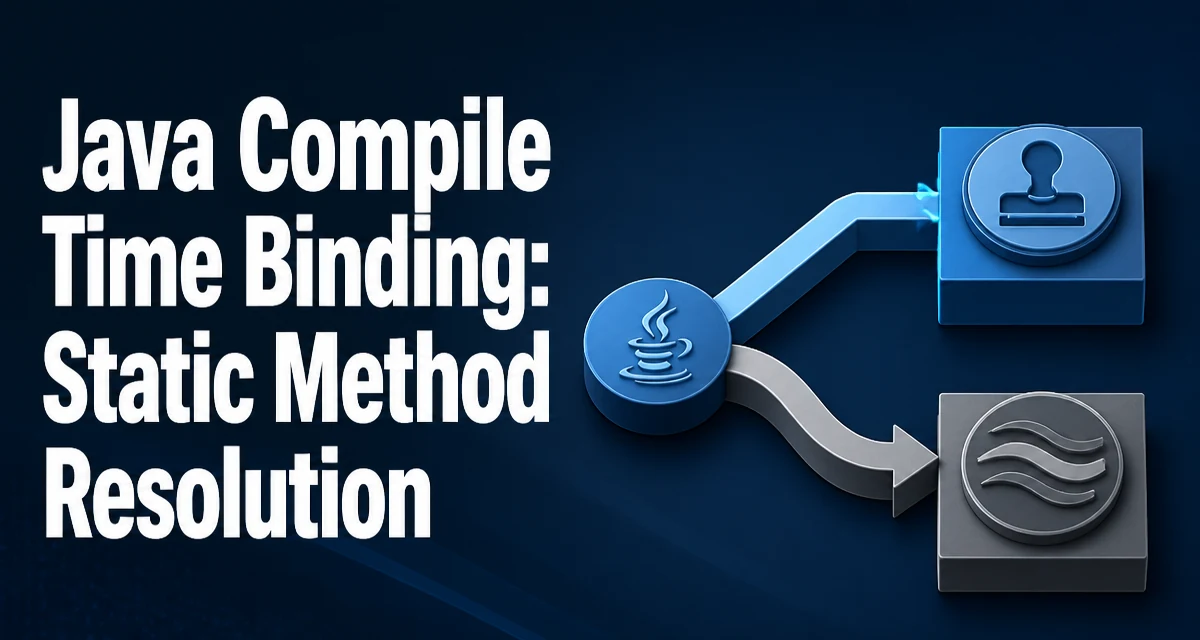
Java Compile Time Binding: Static Method Resolution
Java compile-time binding explained: how Java resolves method calls at compile time, which methods use static binding, and how it differs from runtime dispatch.
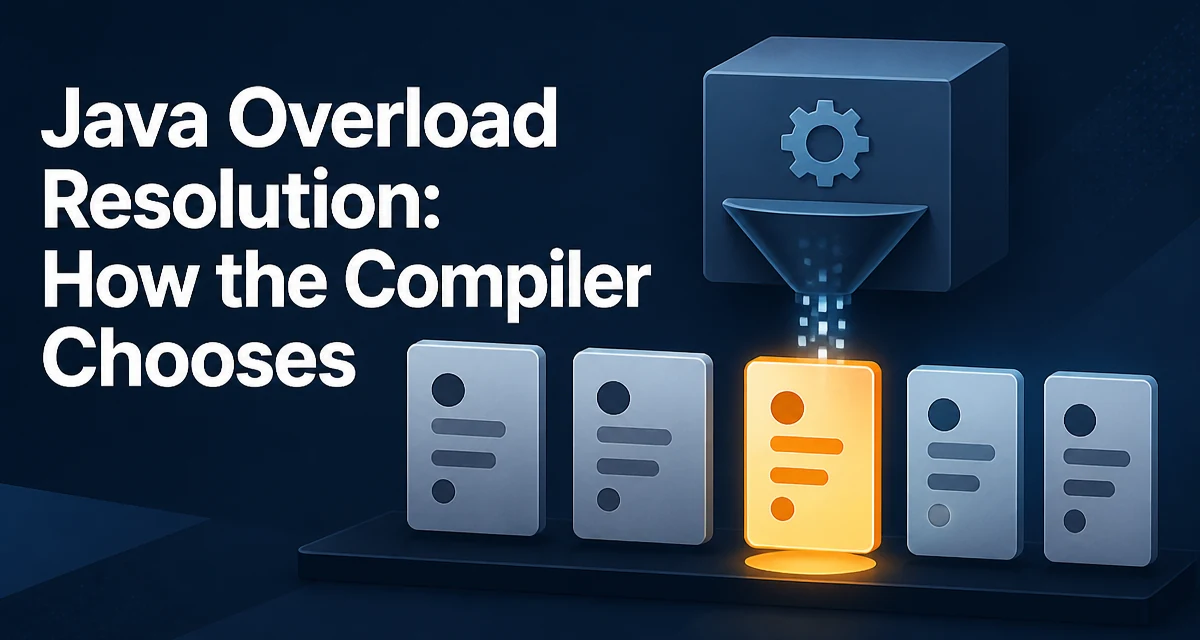
Java Overload Resolution: How the Compiler Chooses
java overload resolution: Understand how Java selects among overloaded methods at compile time: the three-phase resolution process, ambiguity with null, varargs, and p...
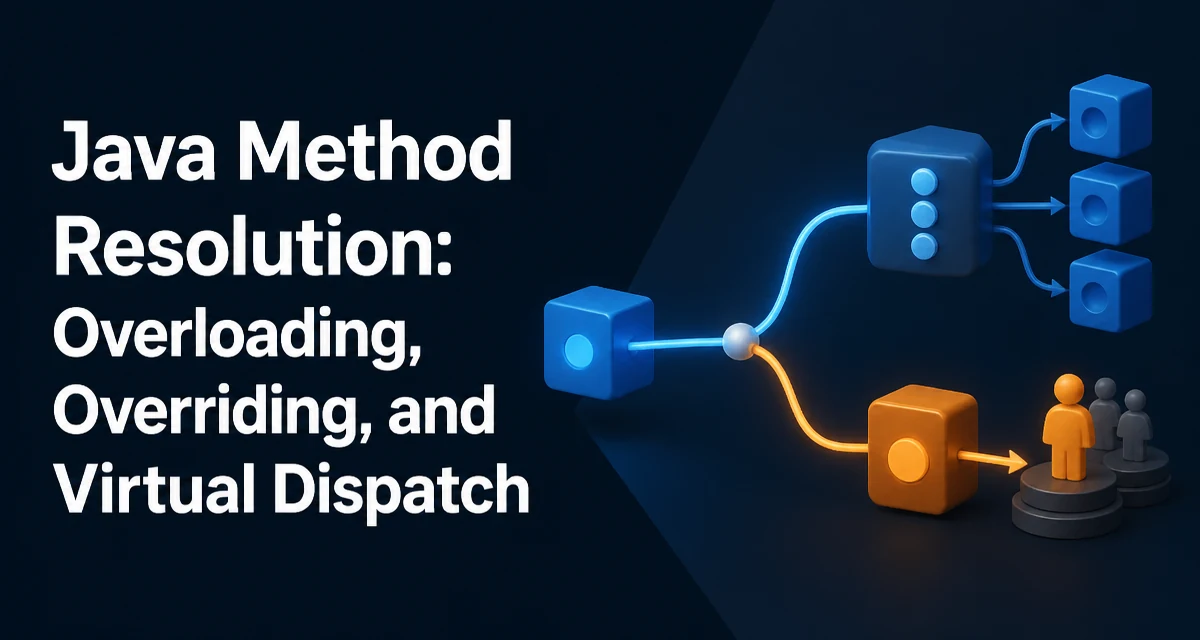
Java Method Resolution: Overloading, Overriding, and Virtual Dispatch
Understand how Java resolves method calls at compile time and runtime, including overloading, overriding, and virtual dispatch in the JVM.
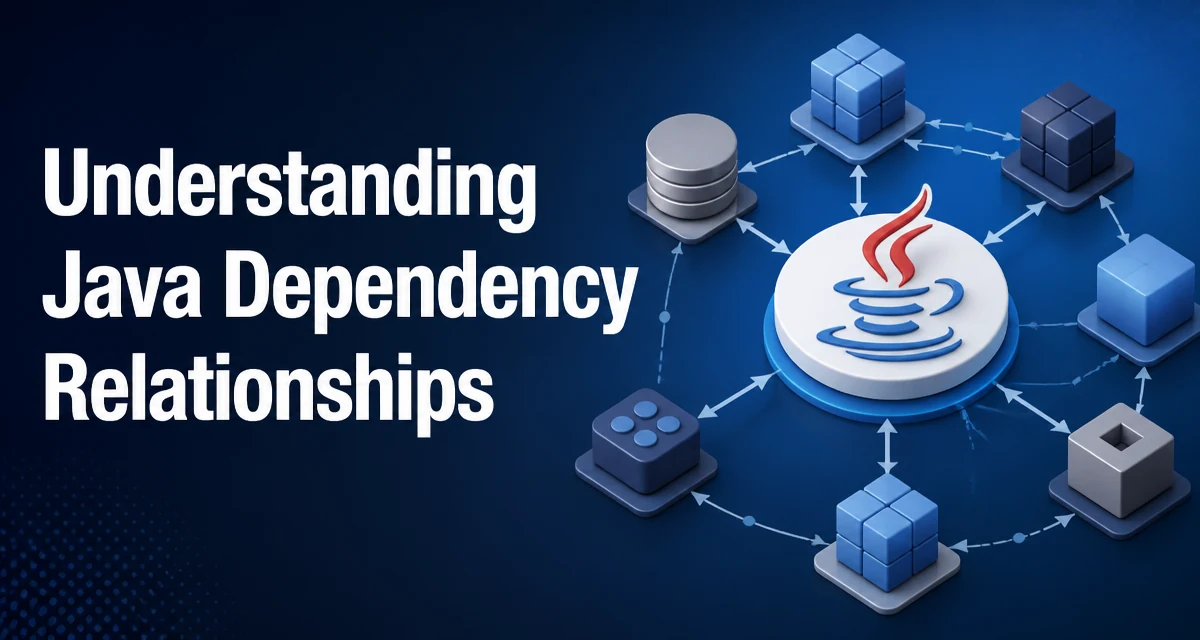
Understanding Java Dependency Relationships
Learn how Java dependency relationships work in practice: declaring dependencies in Maven and Gradle, resolving transitive version conflicts, avoiding circular dependencies, using dependency injection, and managing supply-chain risks.

Java Has-A vs Is-A: Composition or Inheritance?
Understand the difference between has-a and is-a relationships in Java and when composition is a better choice than inheritance for flexible, testable code.
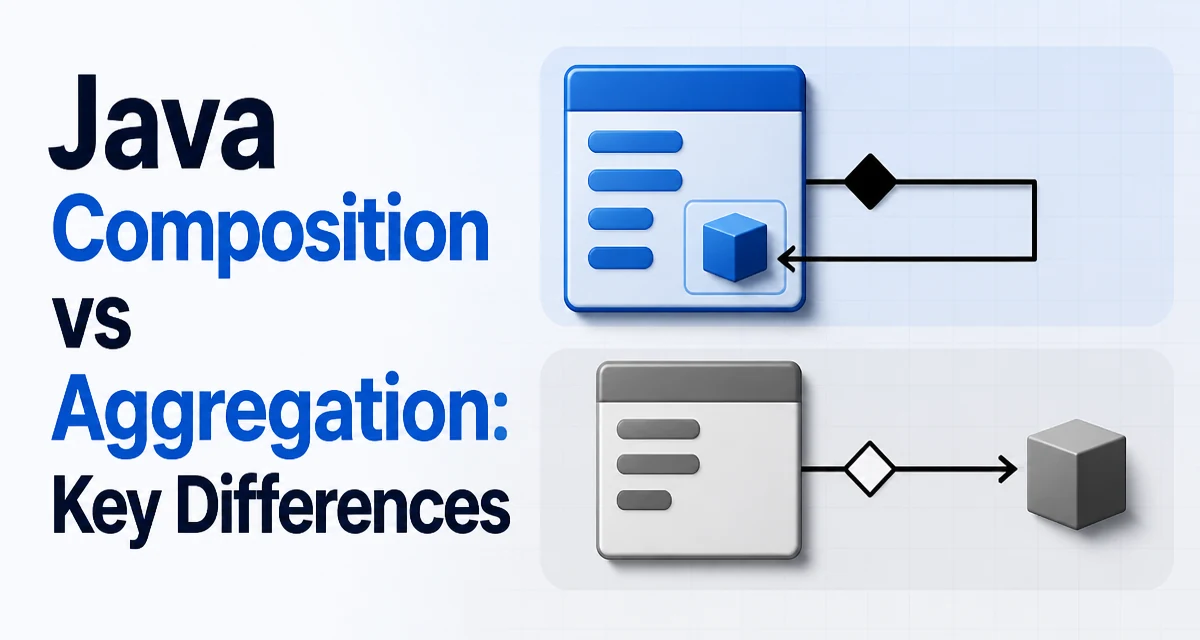
Java Composition vs Aggregation: Key Differences
Understand composition and aggregation in Java through practical examples covering lifetime, ownership, null safety, and maintainability.
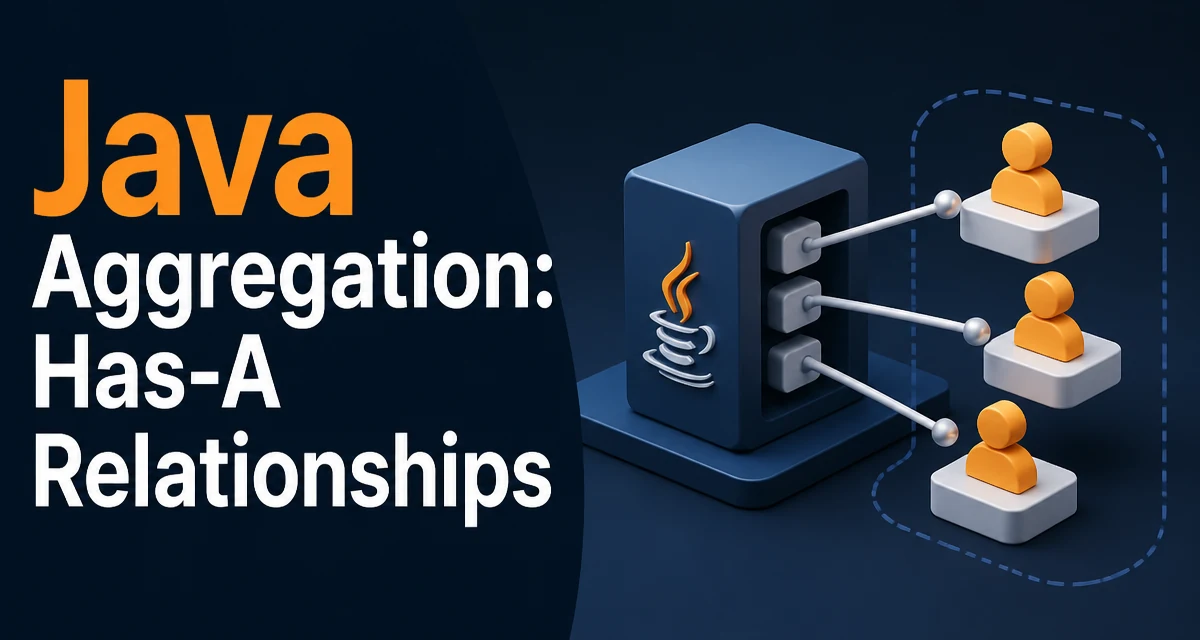
Java Aggregation: Has-A Relationships
Learn how Java aggregation models has-a relationships, how it differs from composition, and when to use it in object-oriented design.
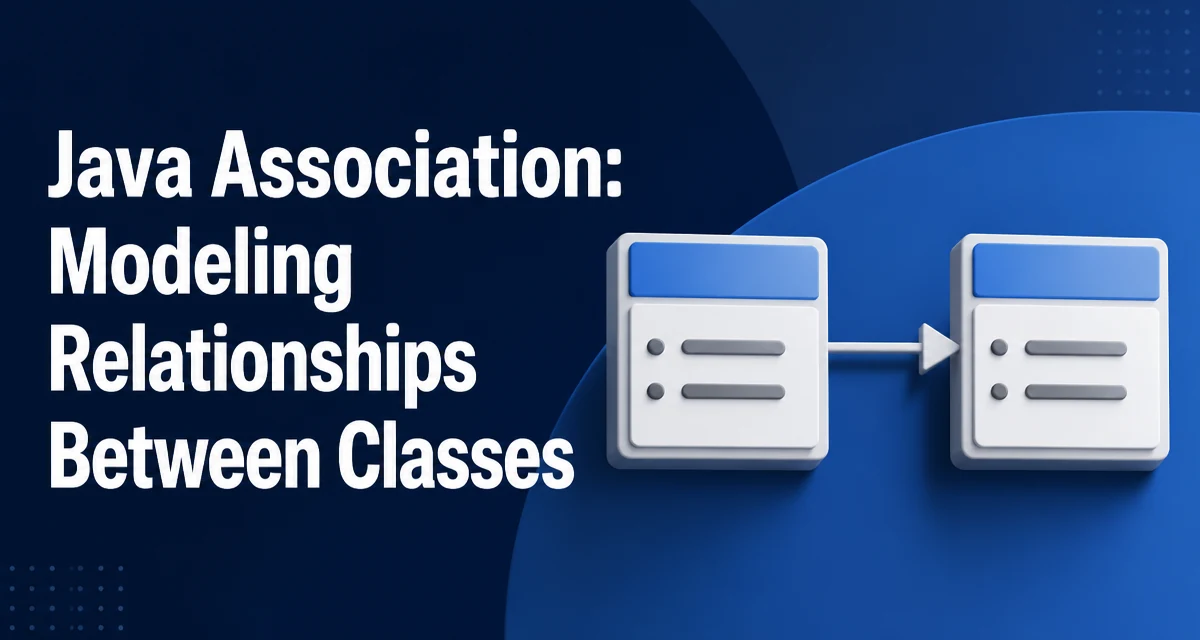
Java Association: Modeling Relationships Between Classes
Understand Java association: how to model unidirectional and bidirectional relationships, and when to choose aggregation or composition.