Browse by Topic
Popular
Popular Posts

Latest
Latest Java Posts
Java double vs Double Wrapper: Key Differences
Compare Java's primitive double and the Double wrapper: nullability, autoboxing cost, memory overhead, equality, and when each type fits best.
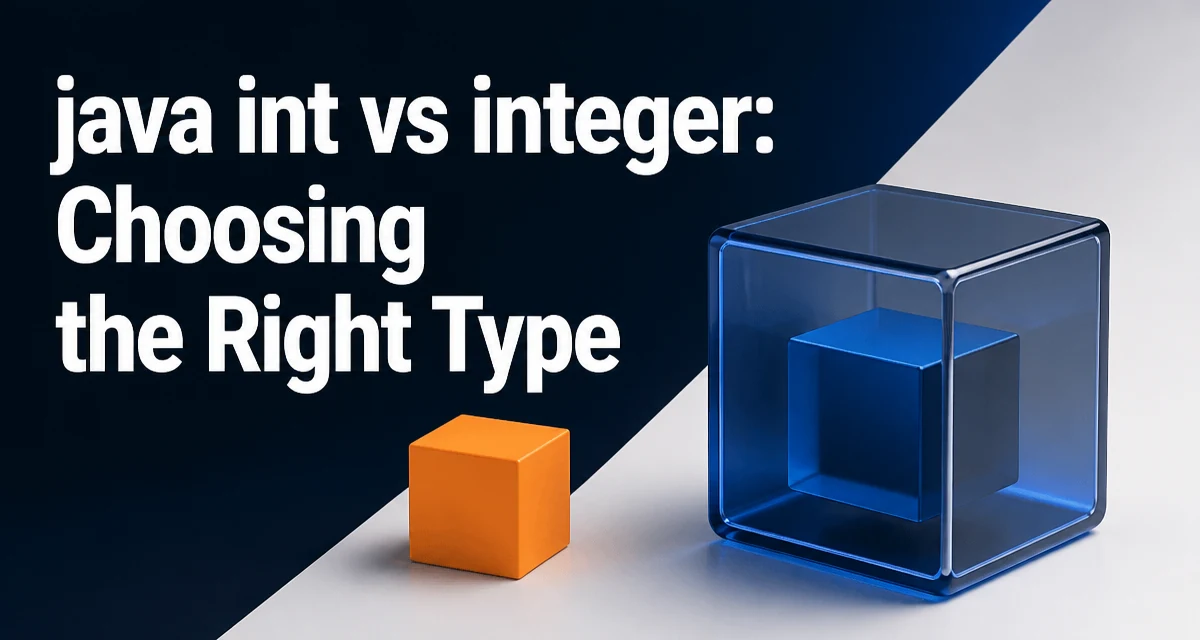
Java int vs Integer: Choosing the Right Type
Java int vs Integer: Understand the practical differences between Java's int primitive and Integer wrapper, including memory, performance, nullability, equality, and when to use each type.
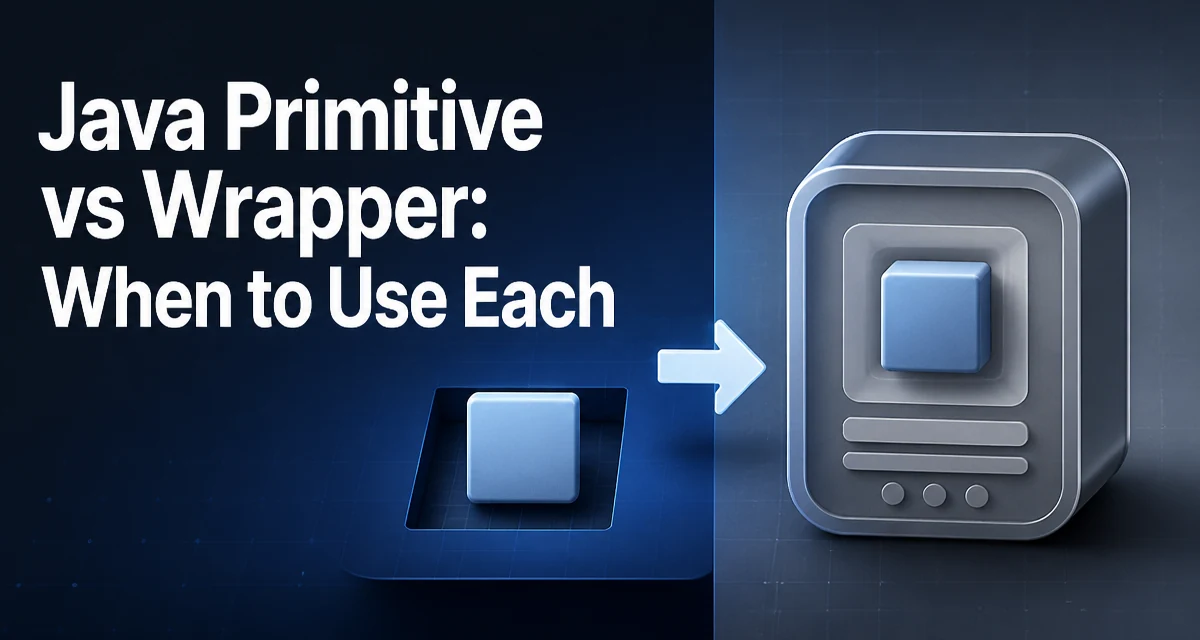
Java Primitive vs Wrapper: When to Use Each
Practical differences between Java primitives and wrapper classes: memory, null handling, autoboxing, equality, generics, and when to use each.
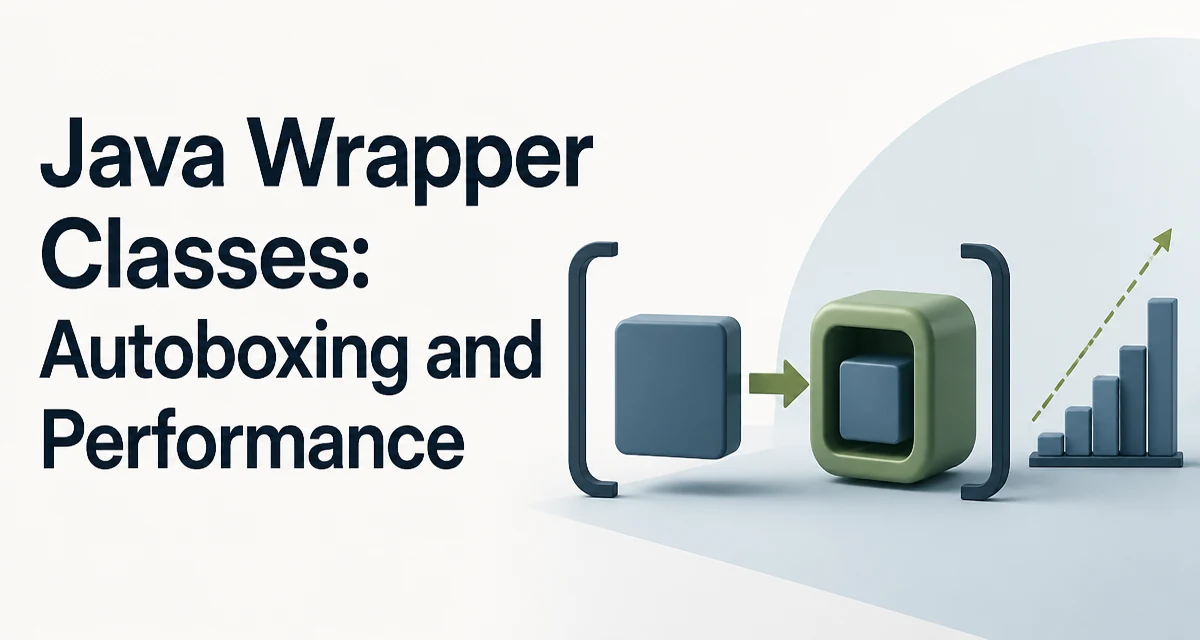
Java Wrapper Classes: Autoboxing and Performance
Understand Java wrapper classes, autoboxing and unboxing, the Integer cache, and how boxed primitives affect performance and memory.
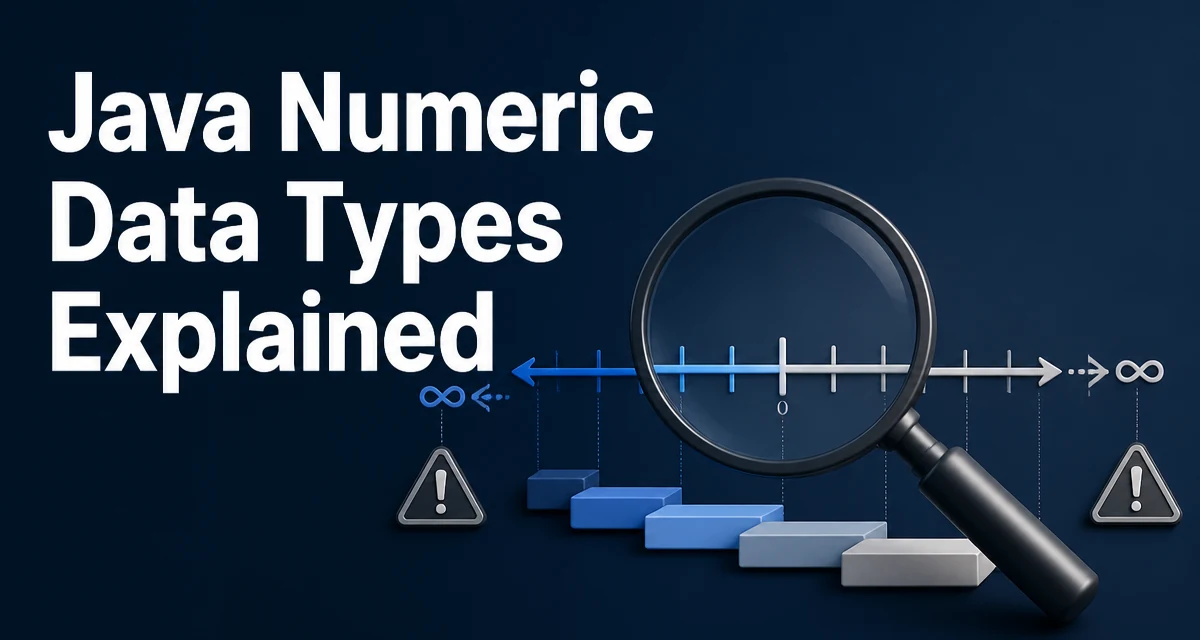
Java Numeric Data Types Explained
Understand Java's primitive numeric types: sizes and ranges, conversion rules, overflow behavior, precision tradeoffs, and how to choose the right type.
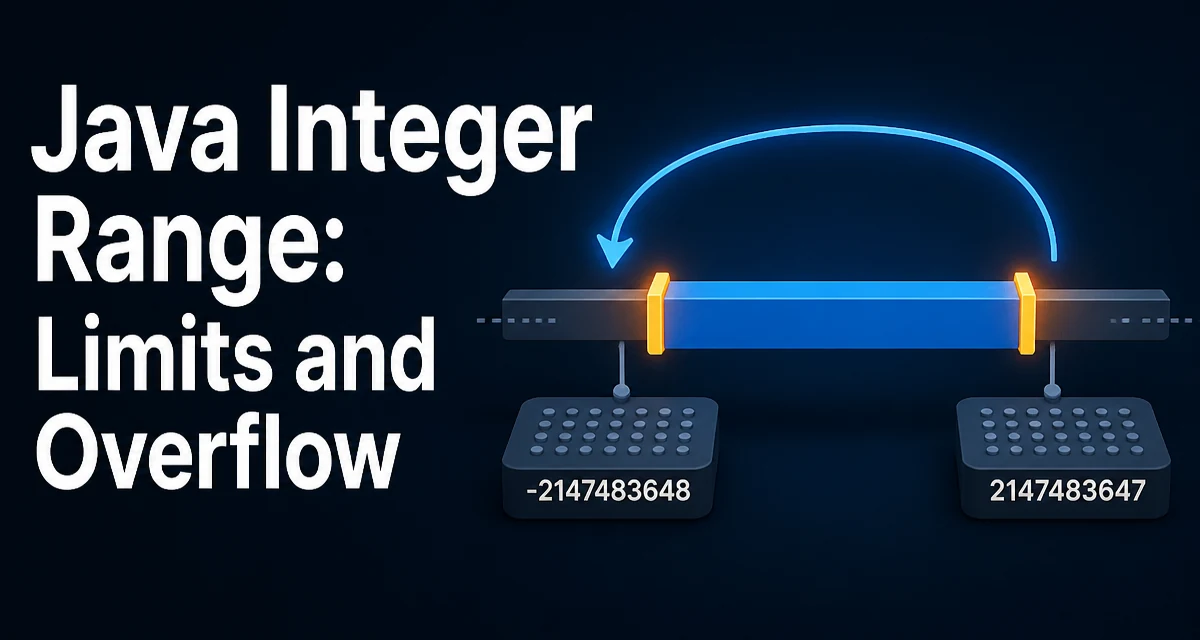
Java Integer Range: Limits and Overflow
Understand the exact range of Java int, how overflow behaves, and how to handle large integer values safely in real code.

Java Default Values for Fields and Arrays
Understand Java default values for fields, arrays, and local variables, and how they affect initialization behavior and code correctness.
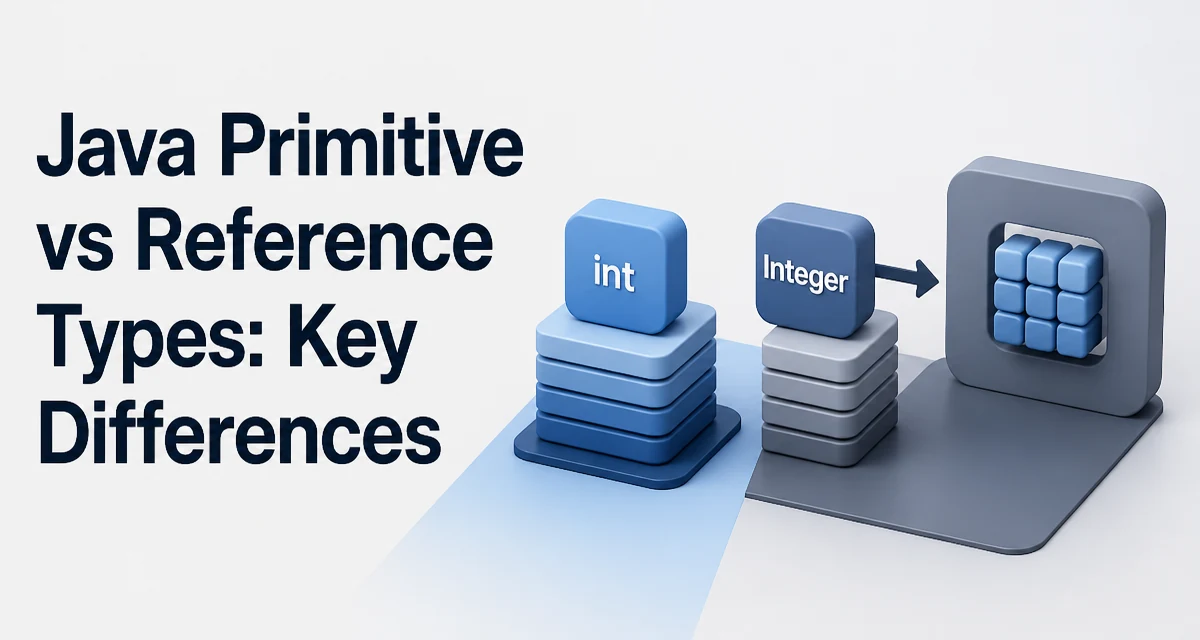
Java Primitive vs Reference Types: Key Differences
java primitive vs reference types: Understand how Java primitive and reference types differ in memory, assignment, equality, and performance, and when to use each.
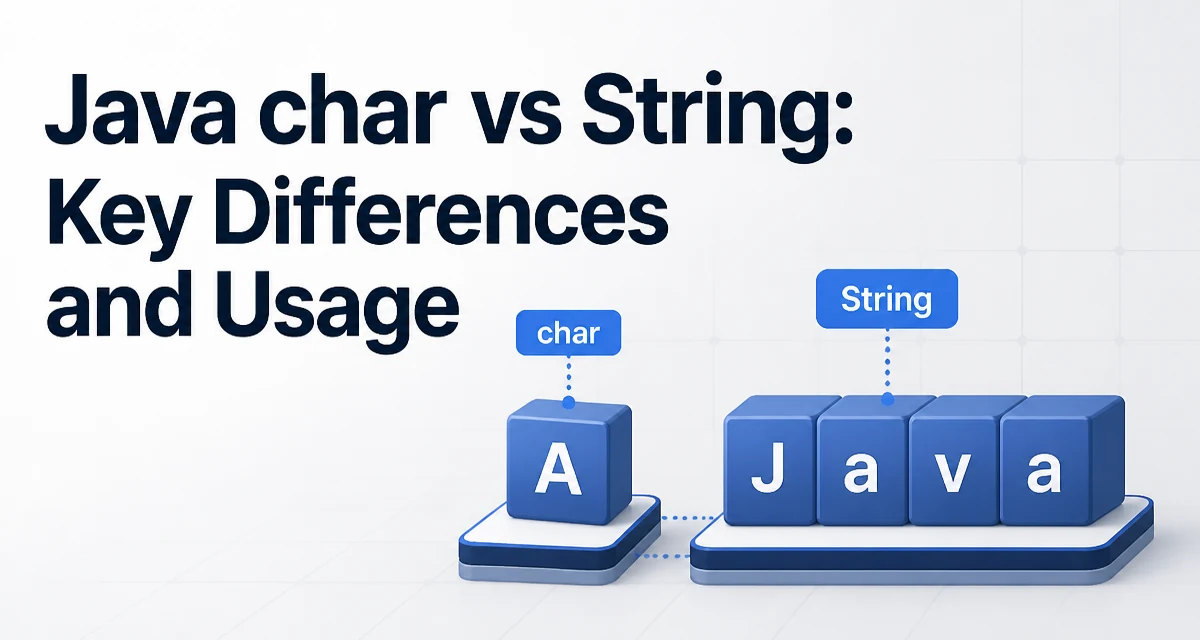
Java char vs String: Key Differences and Usage
java char vs string: Understand the core differences between Java's char primitive and String class, including usage, memory, and performance.
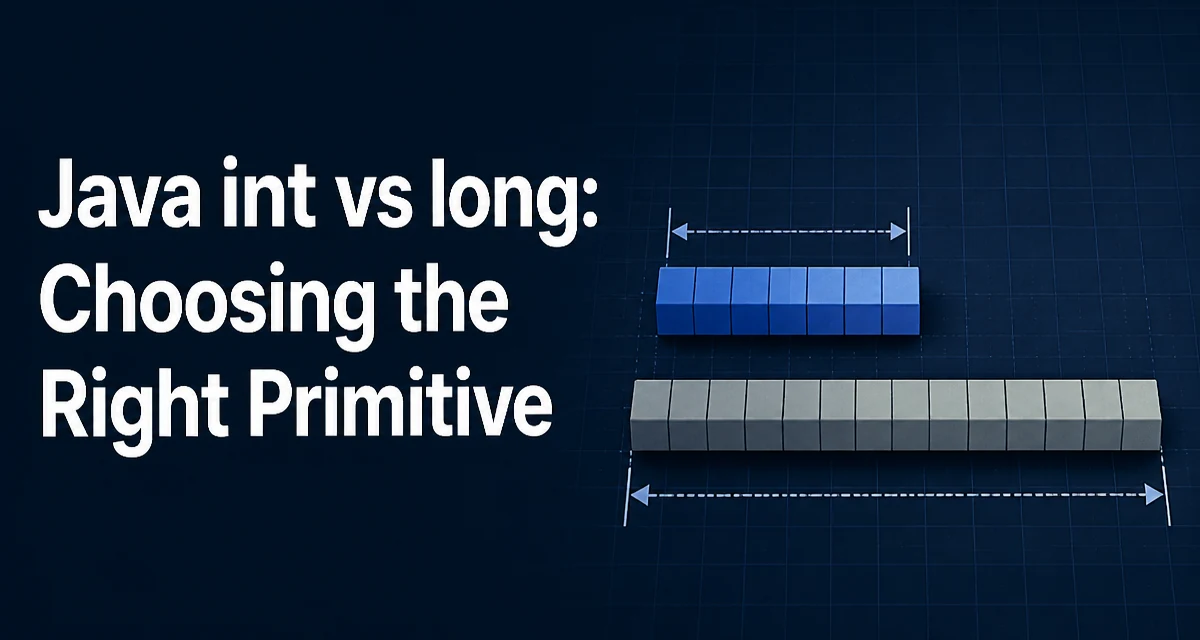
Java int vs long: Choosing the Right Primitive
Compare Java's int and long primitives: ranges, memory cost, overflow behavior, conversion pitfalls, and practical selection criteria for production code.