Browse by Topic
Popular
Popular Posts


Latest
Latest Java Posts
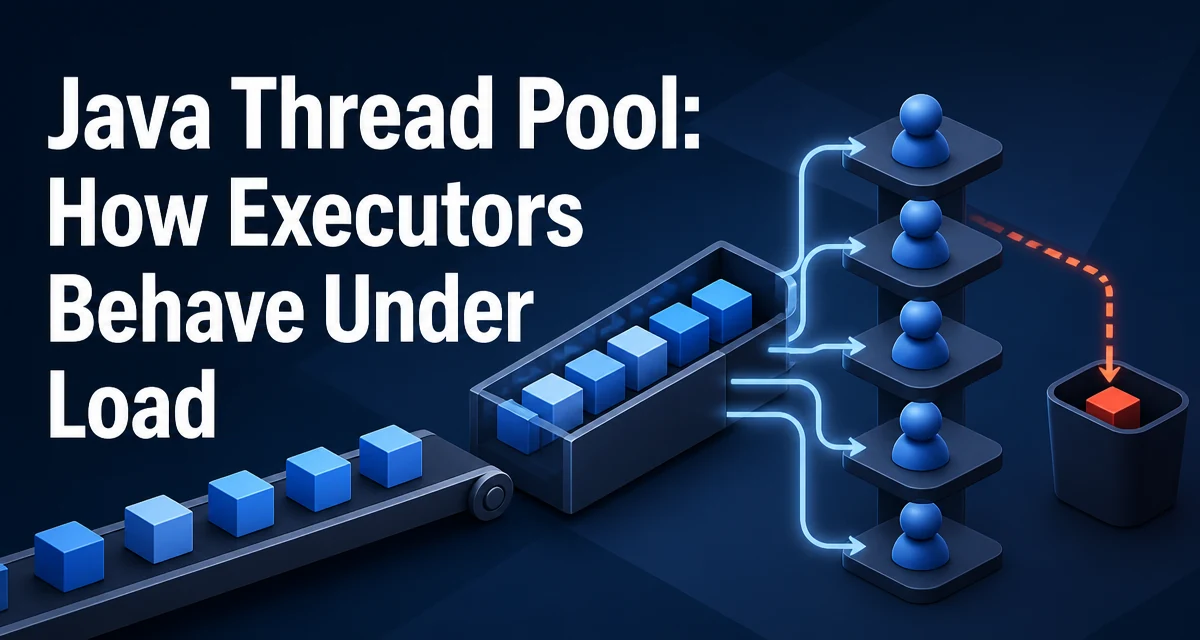
Java Thread Pool: How Executors Behave Under Load
How Java thread pools behave under load: queue types, rejection policies, shutdown patterns, and production tuning for ThreadPoolExecutor.
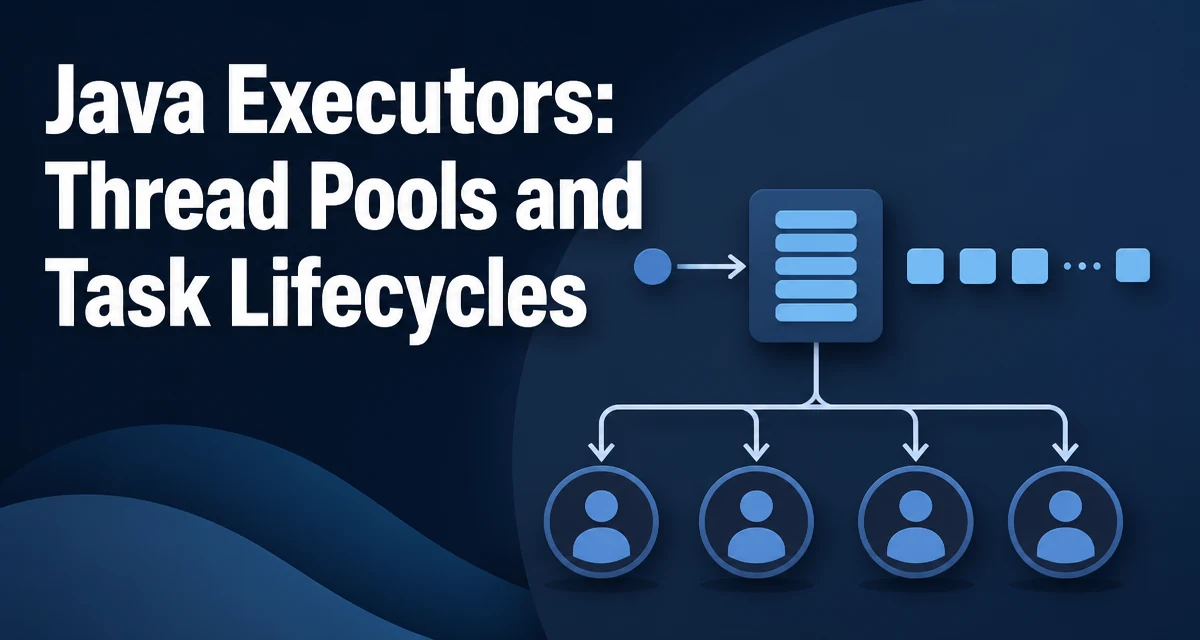
Java Executors: Thread Pools and Task Lifecycles
How the Java Executor framework manages thread pools, task submission, shutdown, and error handling, plus guidance on choosing the right executor.
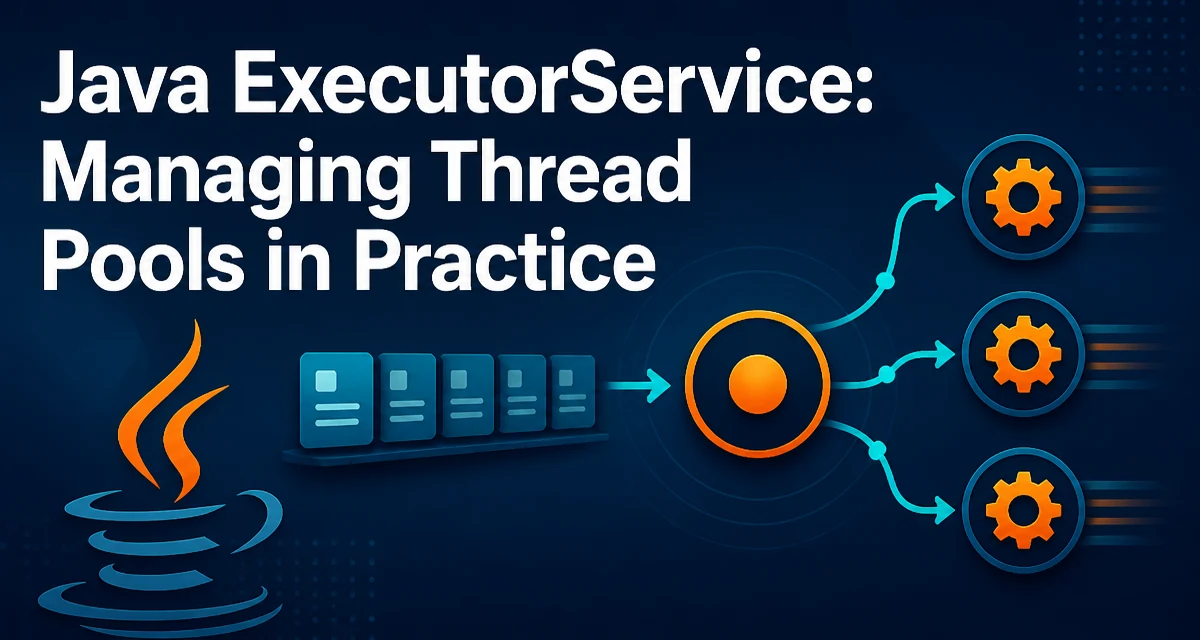
Java ExecutorService: Managing Thread Pools in Practice
Learn how to use Java ExecutorService to manage thread pools, submit tasks, collect results, and shut down cleanly in production code.
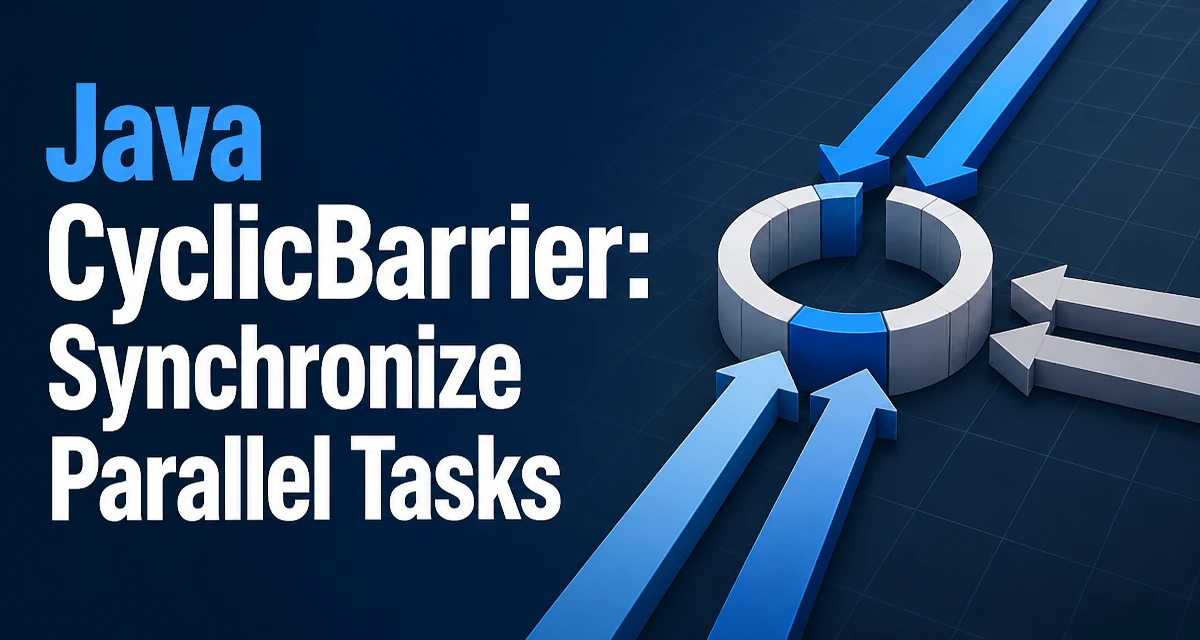
Java CyclicBarrier: Synchronize Parallel Tasks
Learn how to use Java CyclicBarrier to coordinate parallel threads, handle broken-barrier failures, and choose between CyclicBarrier and CountDownLatch.
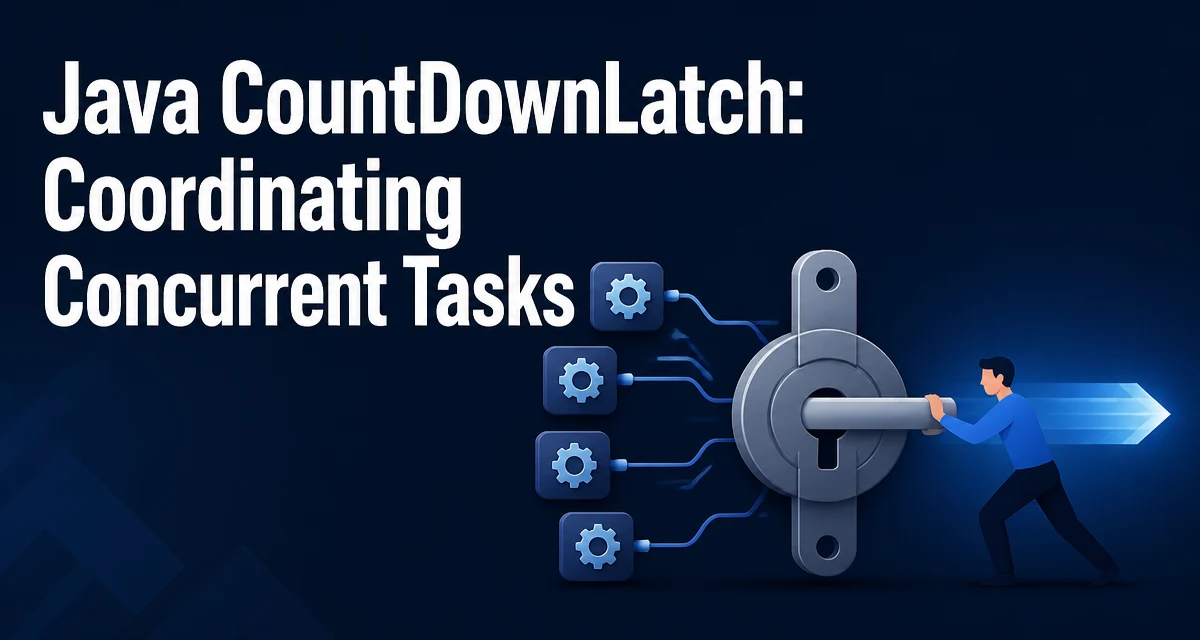
Java CountDownLatch: Coordinating Concurrent Tasks
Learn how to use Java CountDownLatch to coordinate threads, handle timeouts, and avoid common pitfalls in concurrent Java code.

Using Semaphore in Java for Concurrency Control
Learn how to use java.util.concurrent.Semaphore to control access to shared resources, handle fairness, avoid common pitfalls, and choose the right synchronization primitive.
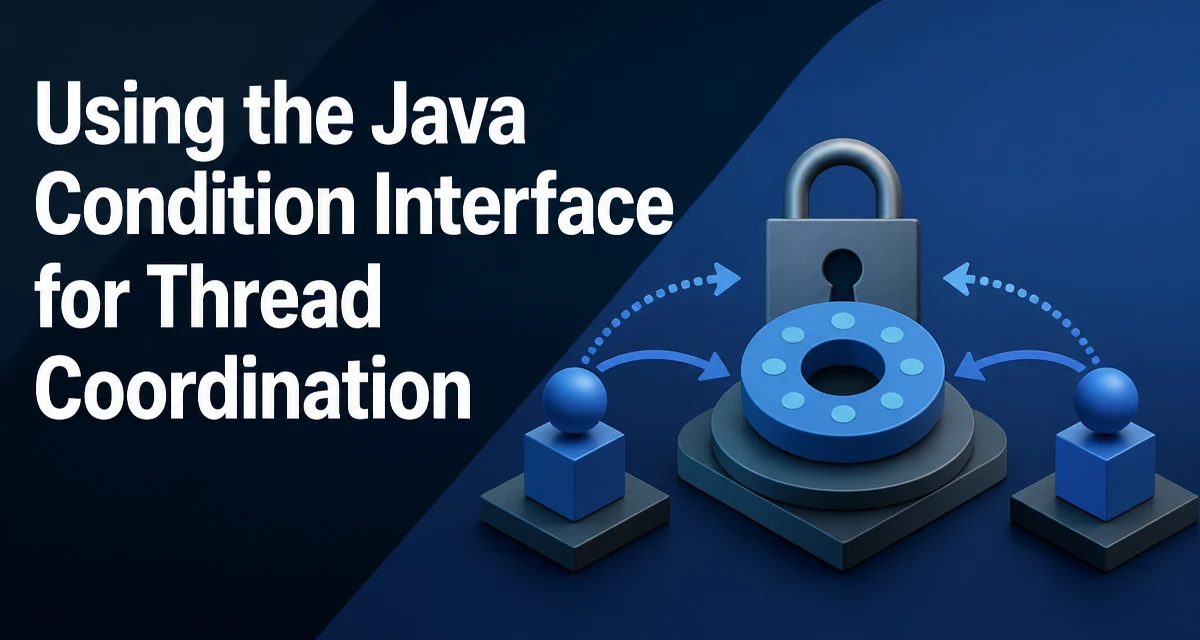
Using the Java Condition Interface for Thread Coordination
Learn how to use the Java Condition interface with Lock to coordinate threads, including await, signal, and signalAll, a producer-consumer example, and key differences from Object wait/notify.

Java synchronized vs Lock: Key Differences
java synchronized vs lock: Compare Java synchronized and Lock APIs: syntax, features, fairness, interruption, and performance tradeoffs to choose the right concurrency...

Java ReentrantLock: Locking with More Control
Java ReentrantLock provides reentrant locking, fairness control, timed and interruptible acquisition, and Condition variables for more flexible concurrency than the synchronized keyword.
Java Lock Interface: Flexible Concurrency Control
Understand the java lock interface, its methods, and how to use ReentrantLock for advanced concurrency control beyond synchronized.