Browse by Topic
Popular
Popular Posts


Latest
Latest Java Posts
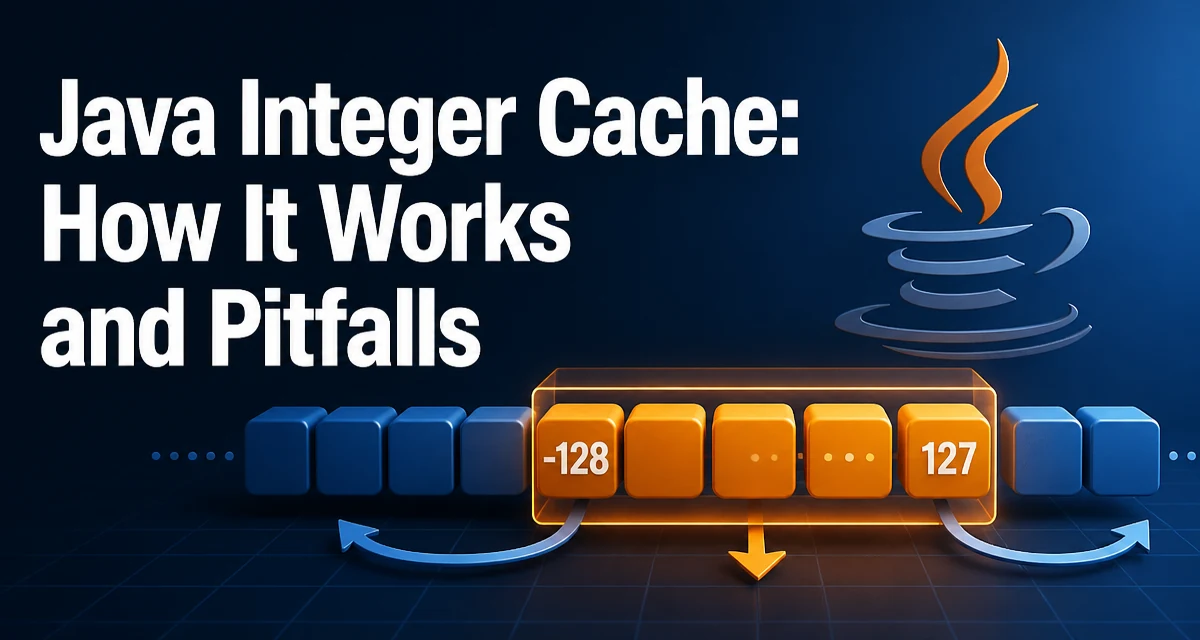
Java Integer Cache: How It Works and Pitfalls
Learn how Java's Integer cache works, why it affects == comparisons, and how to avoid common pitfalls.
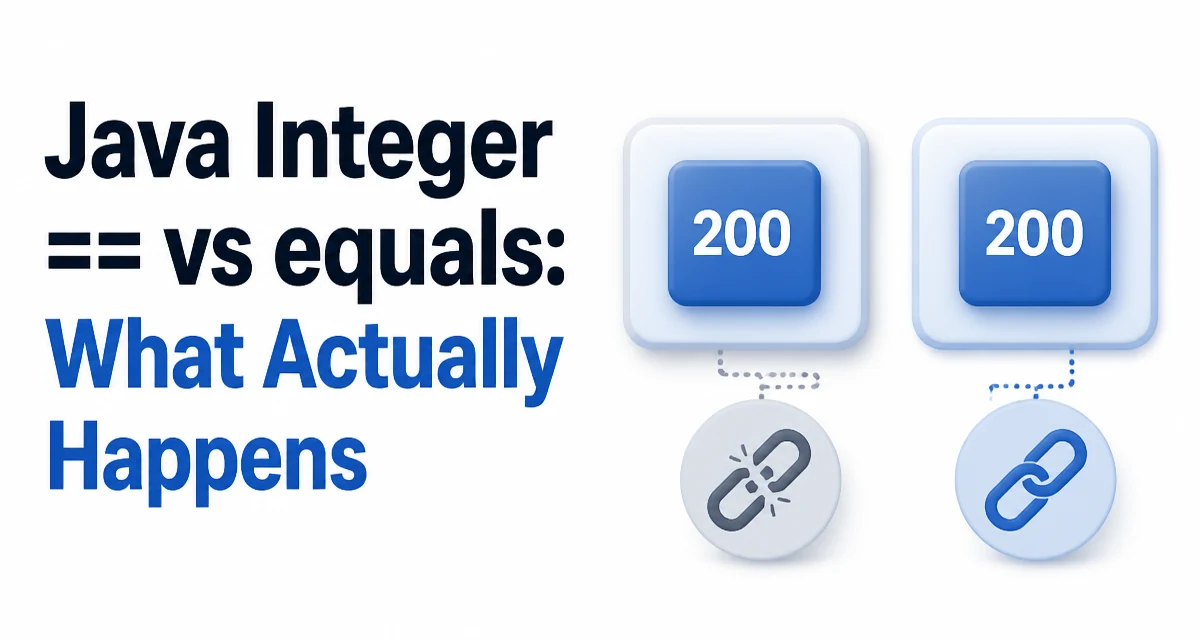
Java Integer == vs equals: What Actually Happens
java integer == vs equals: Why == on Integer objects gives inconsistent results, how the -128 to 127 cache works, and when .equals() is the correct comparison method.
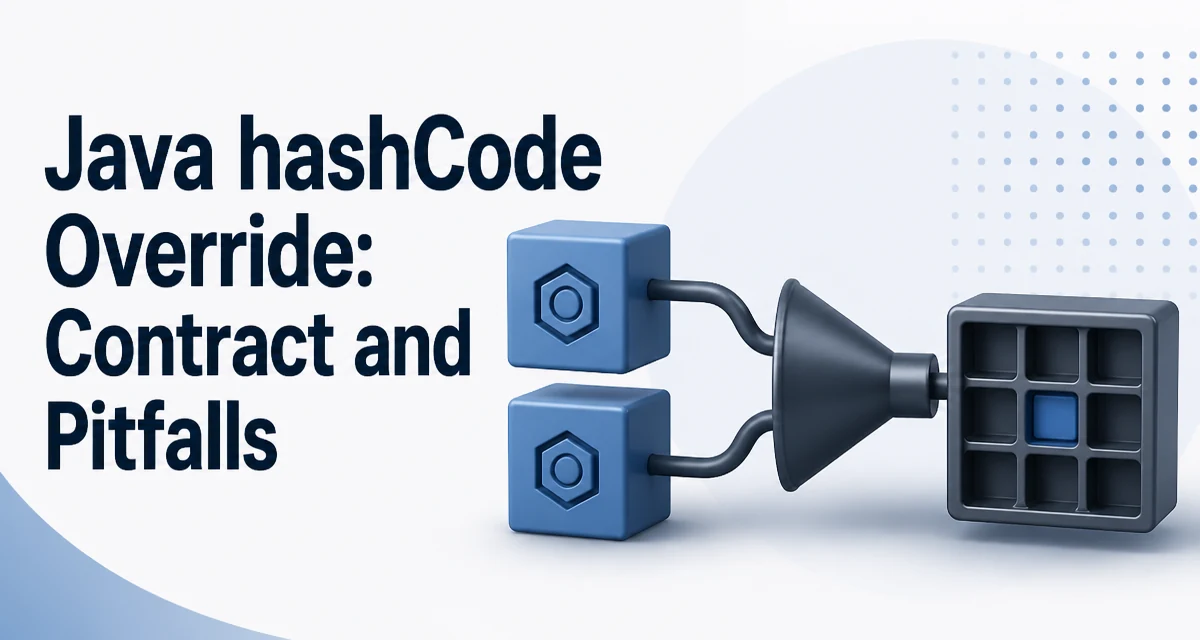
Java hashCode Override: Contract and Pitfalls
How to correctly override hashCode() in Java, satisfy the equals/hashCode contract, and avoid common HashMap and HashSet bugs.
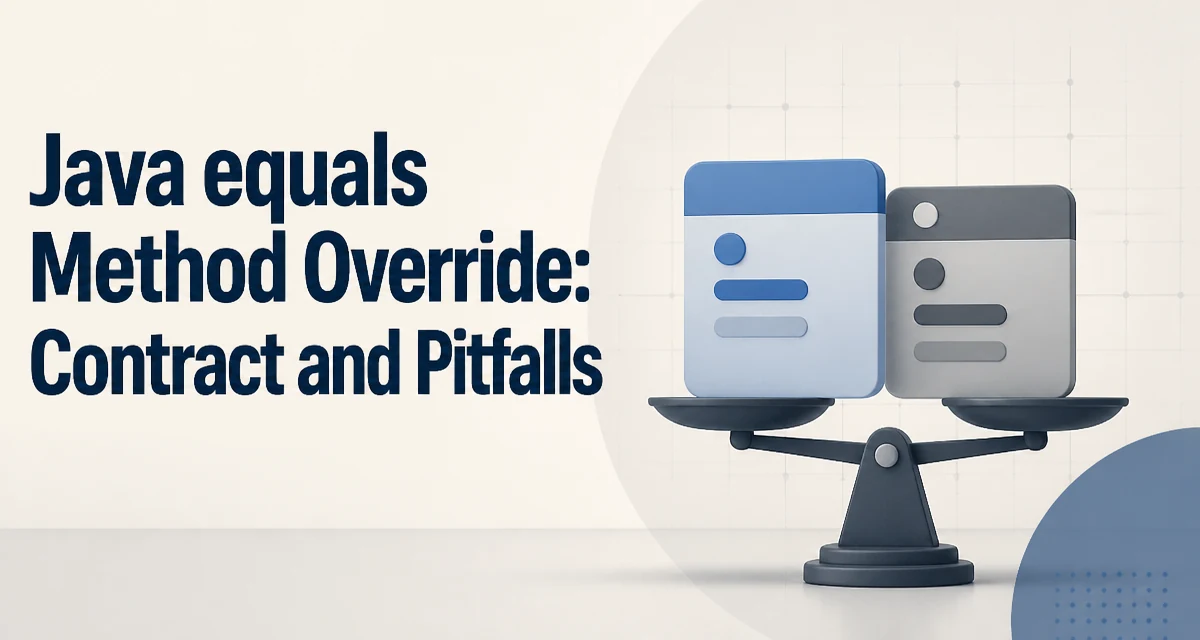
Java equals Method Override: Contract and Pitfalls
A practical guide to overriding equals() in Java: the equals contract, hashCode consistency, inheritance pitfalls, and field comparison rules.
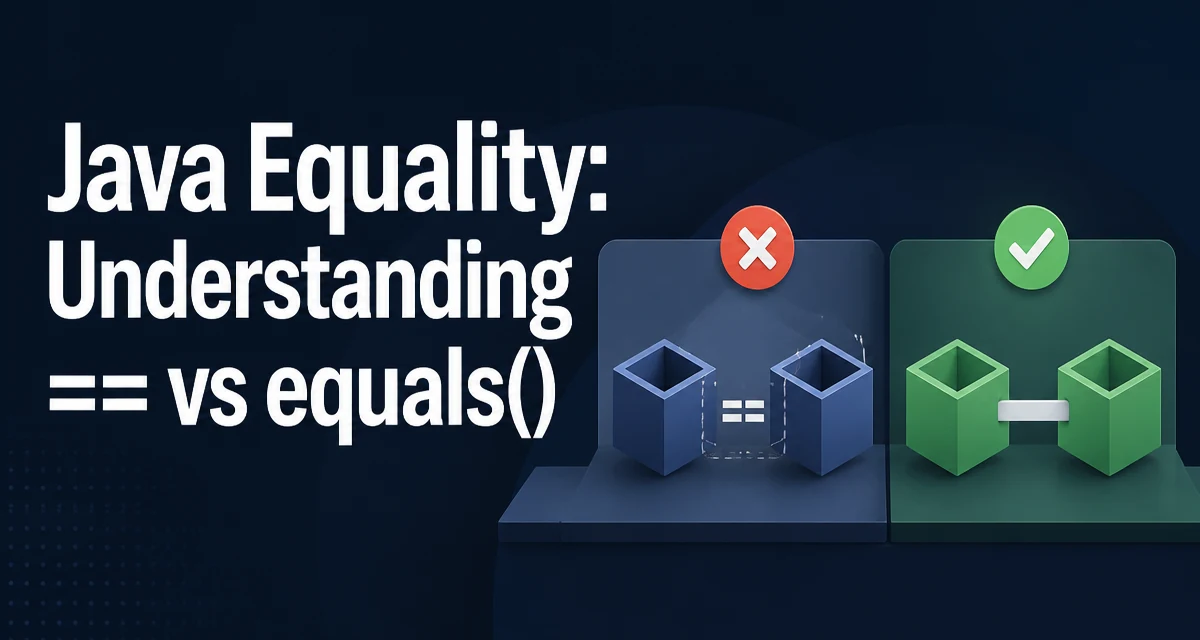
Java Equality: Understanding == vs equals()
Learn how Java equality works: the difference between == and equals(), overriding equals and hashCode, and common pitfalls.
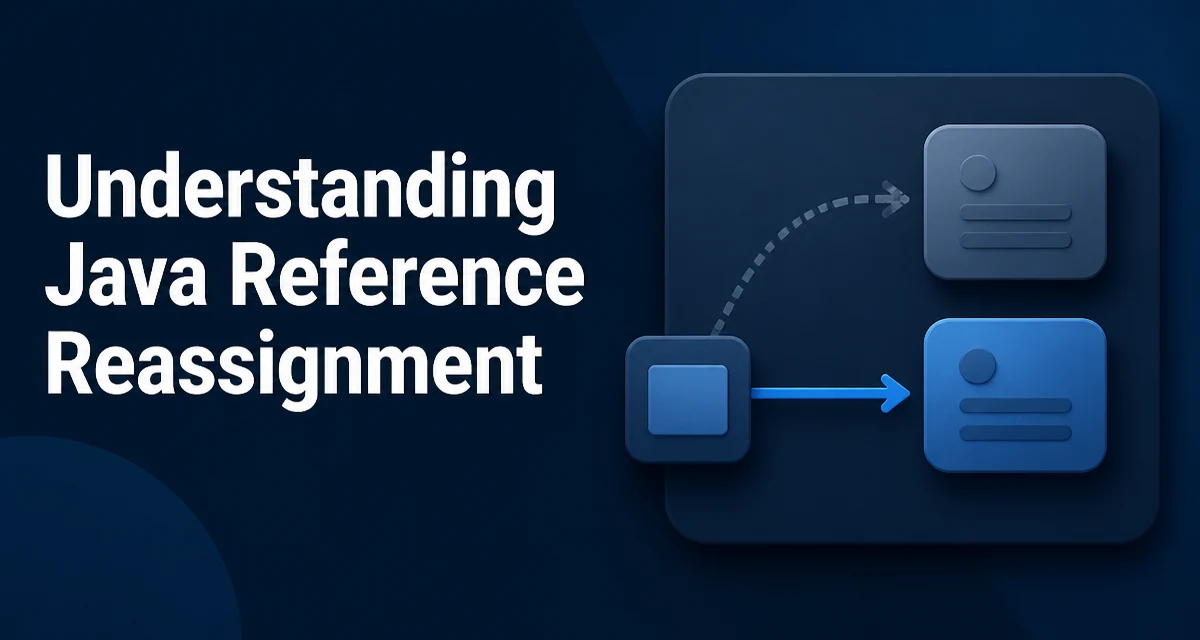
Understanding Java Reference Reassignment
Learn how Java reference reassignment changes which object a variable points to, how it differs from mutation, and how final, method parameters, and volatile fields affect it.
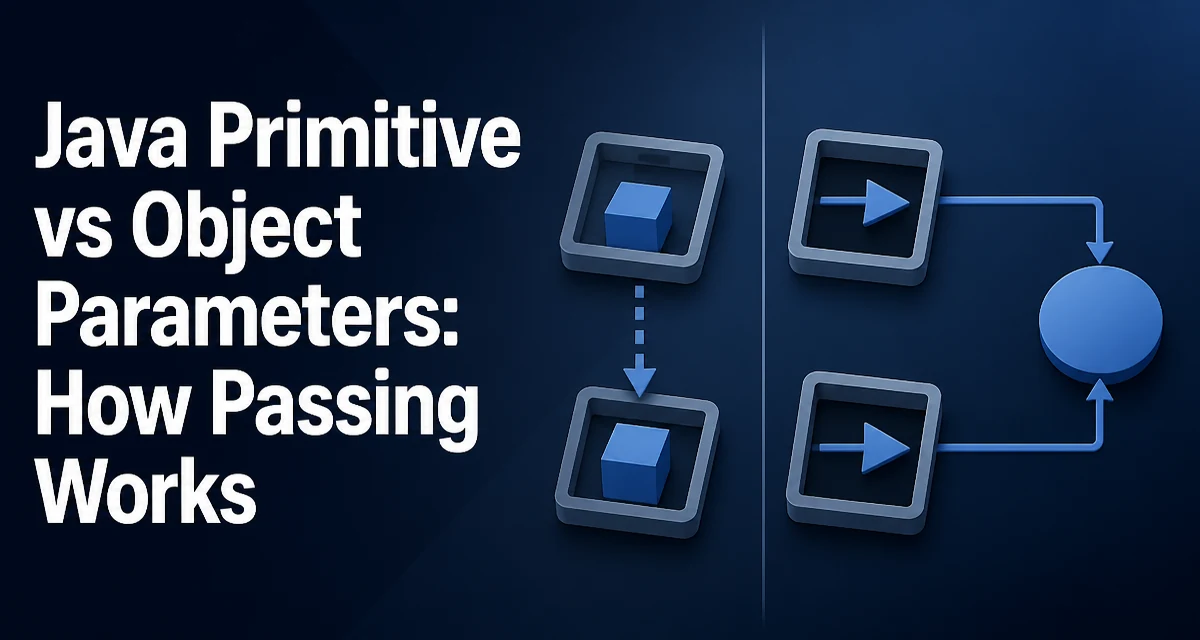
Java Primitive vs Object Parameters: How Passing Works
Java is strictly pass-by-value. See how primitive parameters copy values, object parameters copy references, and why reassignment never changes the caller's variable.
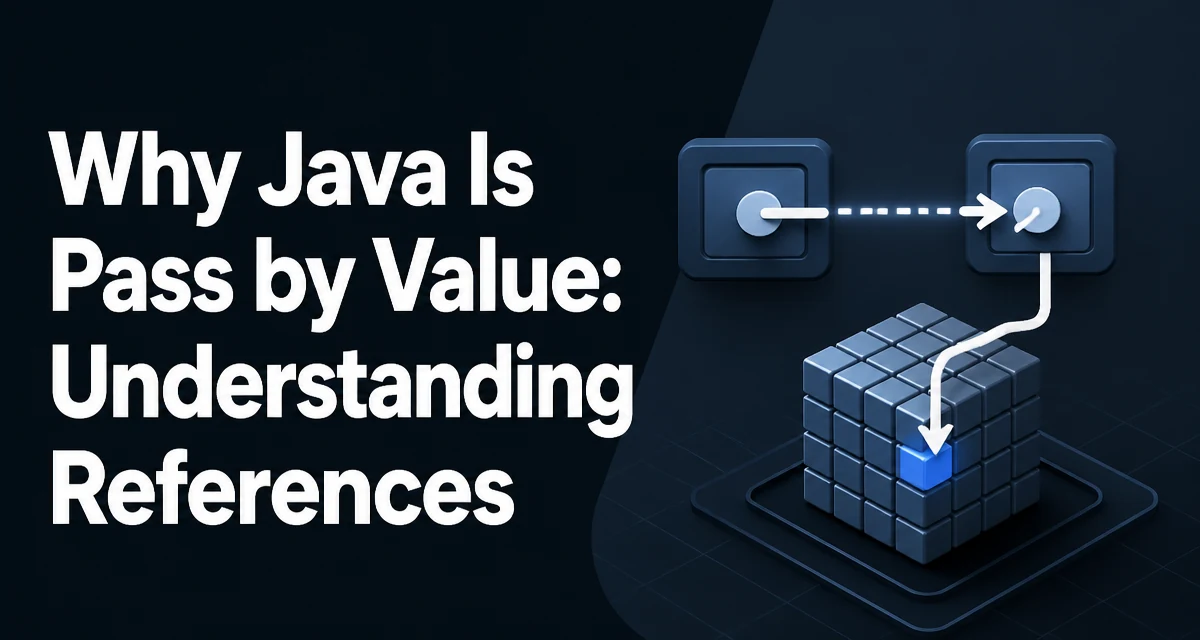
Why Java Is Pass by Value: Understanding References
Understand why Java is pass by value, even for objects. See how references are copied and how to design methods that actually change objects.
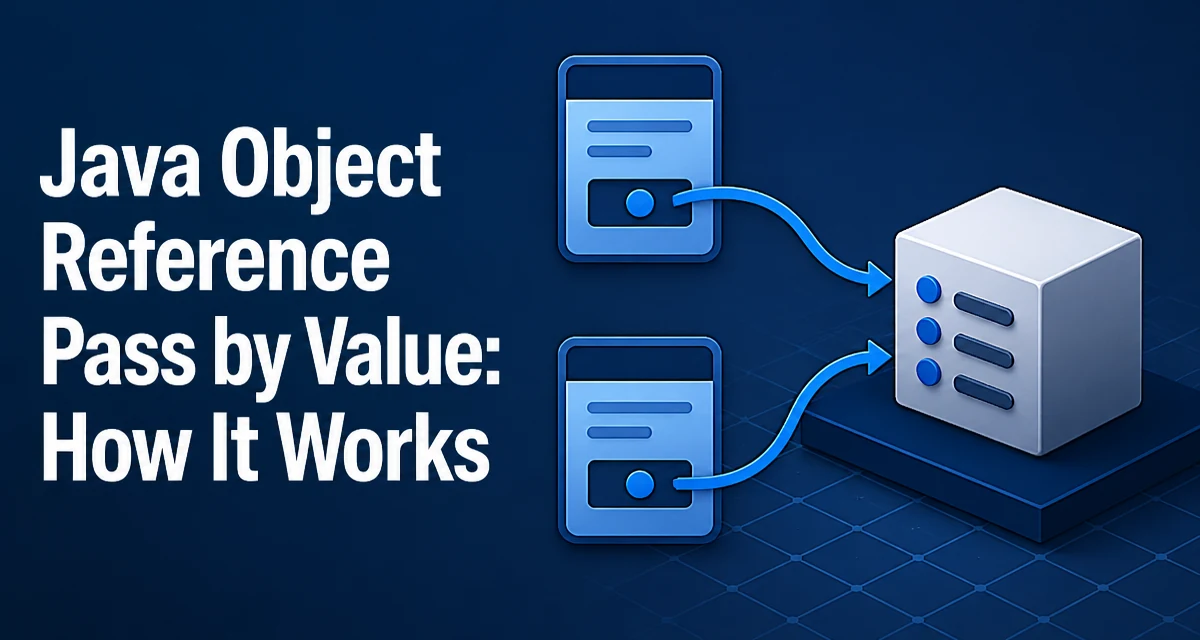
Java Object Reference Pass by Value: How It Works
Understand how Java passes object references by value, why reassigning a parameter doesn't affect the caller, and how to design methods that mutate or replace objects safely.
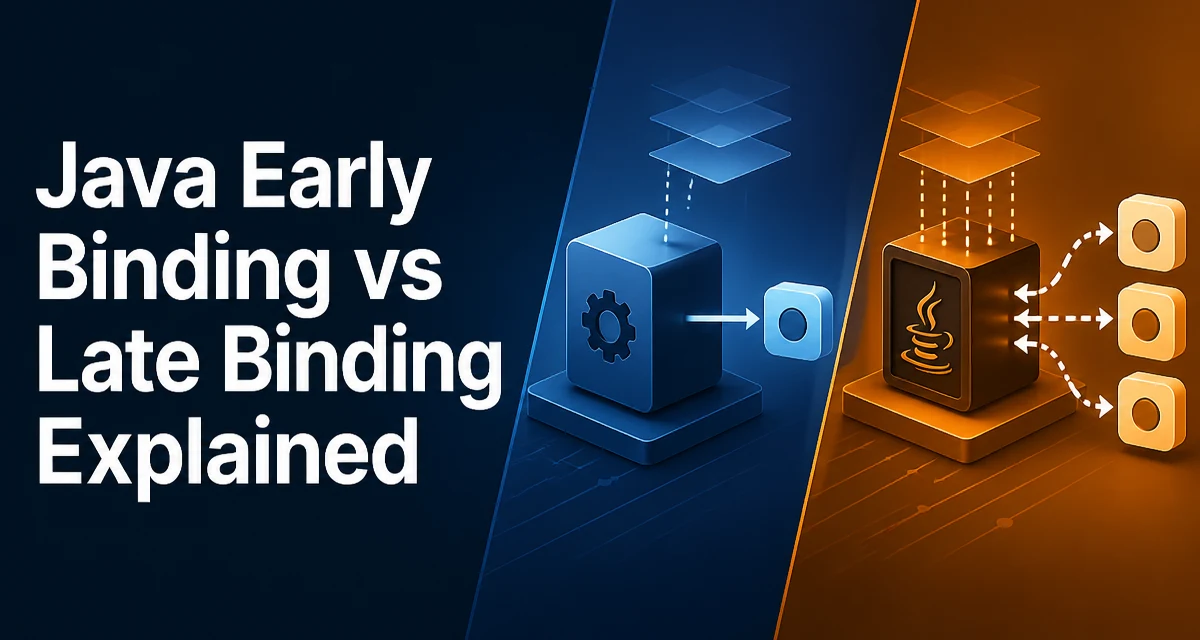
Java Early Binding vs Late Binding Explained
Understand the difference between early and late binding in Java: compile-time resolution for overloaded, static, private, and final methods, and runtime dispatch for overridden methods that enable polymorphism.