Browse by Topic
Popular
Popular Posts
Latest
Latest Python Posts

Python @property vs Method: Choosing the Right Interface
python @property vs method: Compare Python @property and regular methods to design clear, maintainable class interfaces. Learn when each is appropriate.
Python staticmethod vs regular function: When to use each
Understand the difference between Python static methods and regular functions, including calling conventions, inheritance behavior, and when to use each.
Python Multiple Inheritance vs Mixin
Learn the practical difference between Python multiple inheritance and mixins: how MRO works, the diamond problem, and when to choose each approach.
Python super vs Parent Class Call: Key Differences
Understand the difference between using super() and calling a parent class directly in Python, and when each approach is appropriate.
Python self vs cls: Instance and Class Methods
Understand the difference between self and cls in Python: instance methods receive the instance, class methods receive the class, and static methods receive neither.
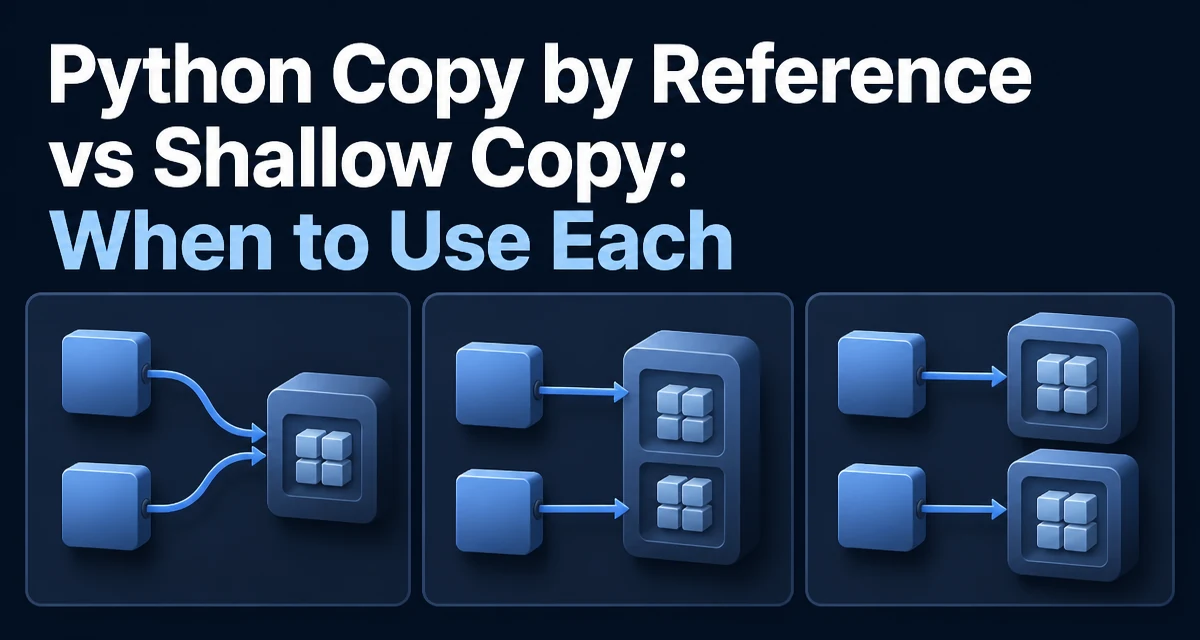
Python Copy by Reference vs Shallow Copy: When to Use Each
Understand how Python assignment creates references, how shallow copy duplicates the outer container, and when to use deep copy to avoid shared mutable state.
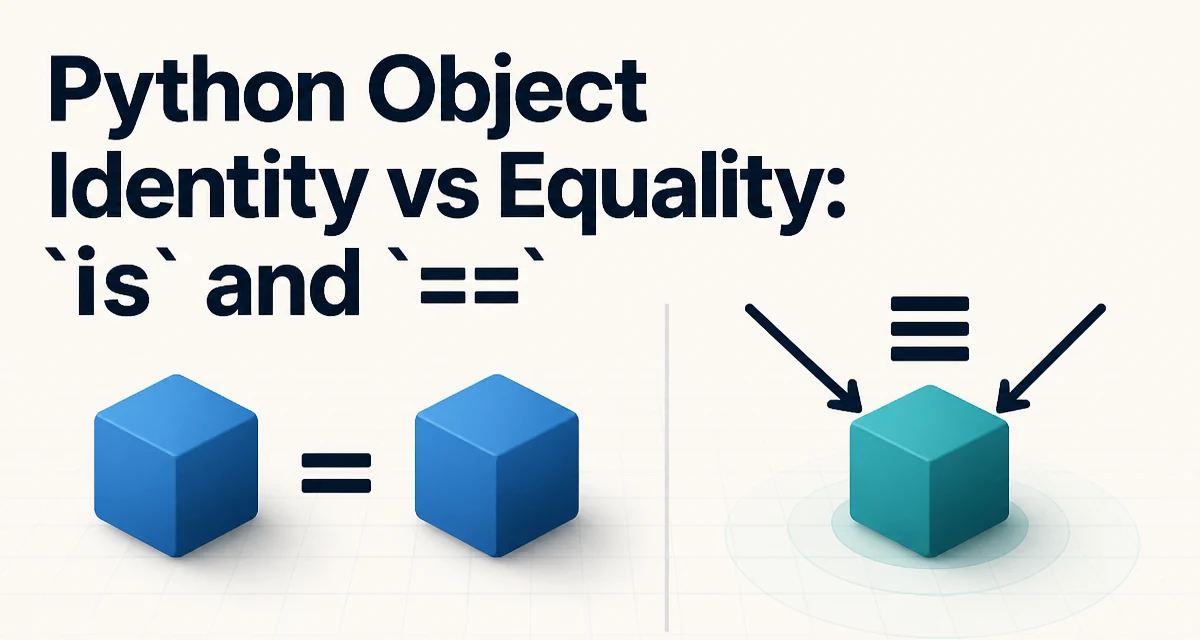
Python Object Identity vs Equality: `is` and `==`
Understand the difference between Python object identity and equality, when to use `is` versus `==`, and how custom equality and hashing behave.
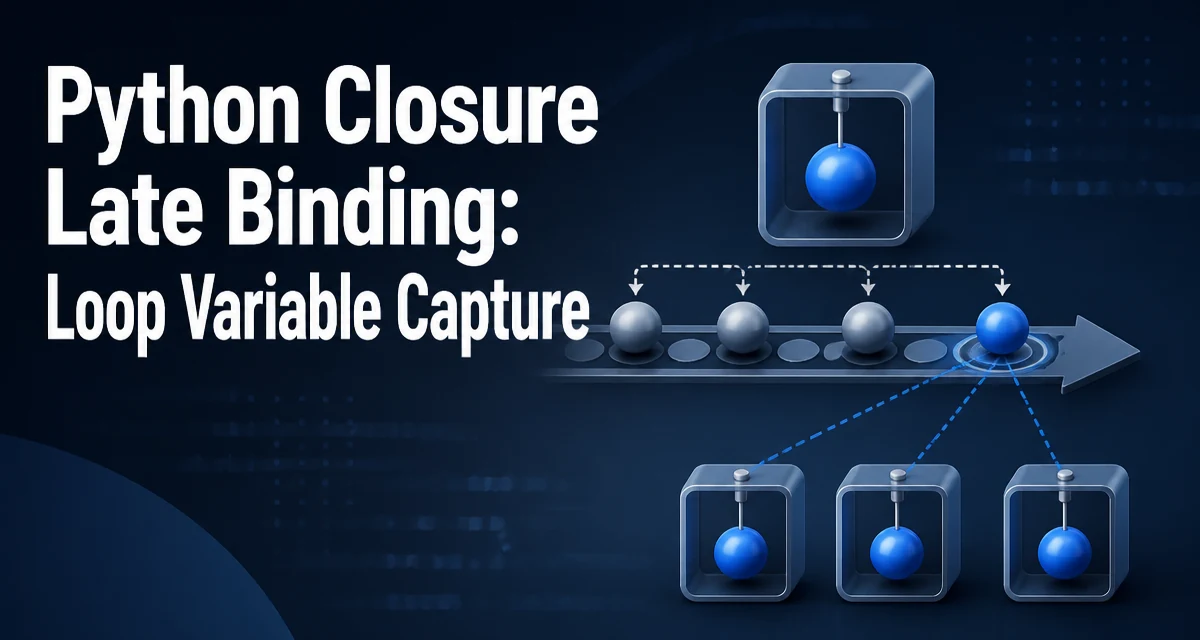
Python Closure Late Binding: Loop Variable Capture
Understand why Python closure late binding captures variables by reference rather than by value, and how to fix the classic loop variable capture problem.
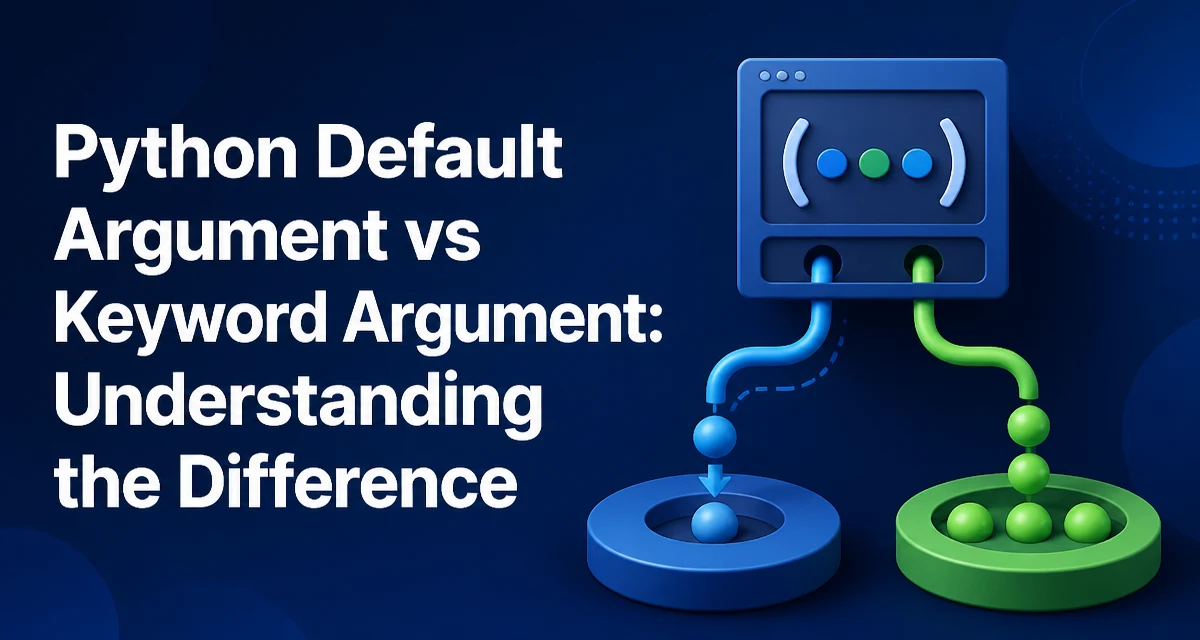
Python Default Argument vs Keyword Argument: Understanding the Difference
Understand the difference between default arguments and keyword arguments in Python, how they interact, and how to avoid common pitfalls such as mutable defaults.
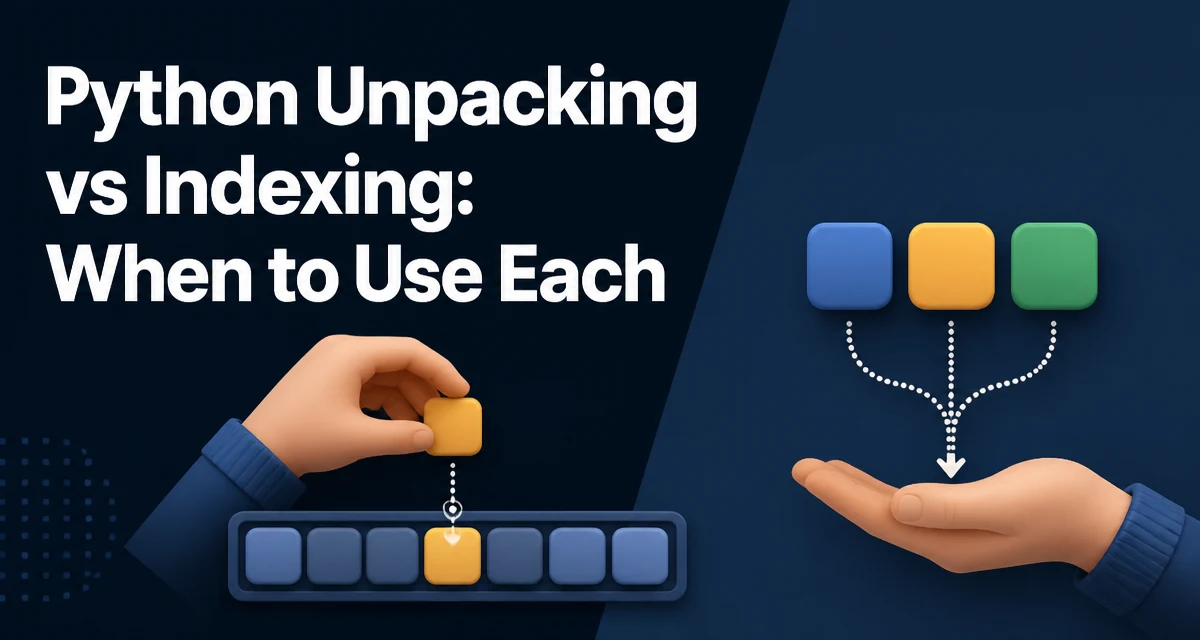
Python Unpacking vs Indexing: When to Use Each
python unpacking vs indexing: Learn when to use unpacking instead of indexing in Python, including loops, function returns, and error handling, with practical examples.