Browse by Topic
Popular
Popular Posts
Latest
Latest Python Posts
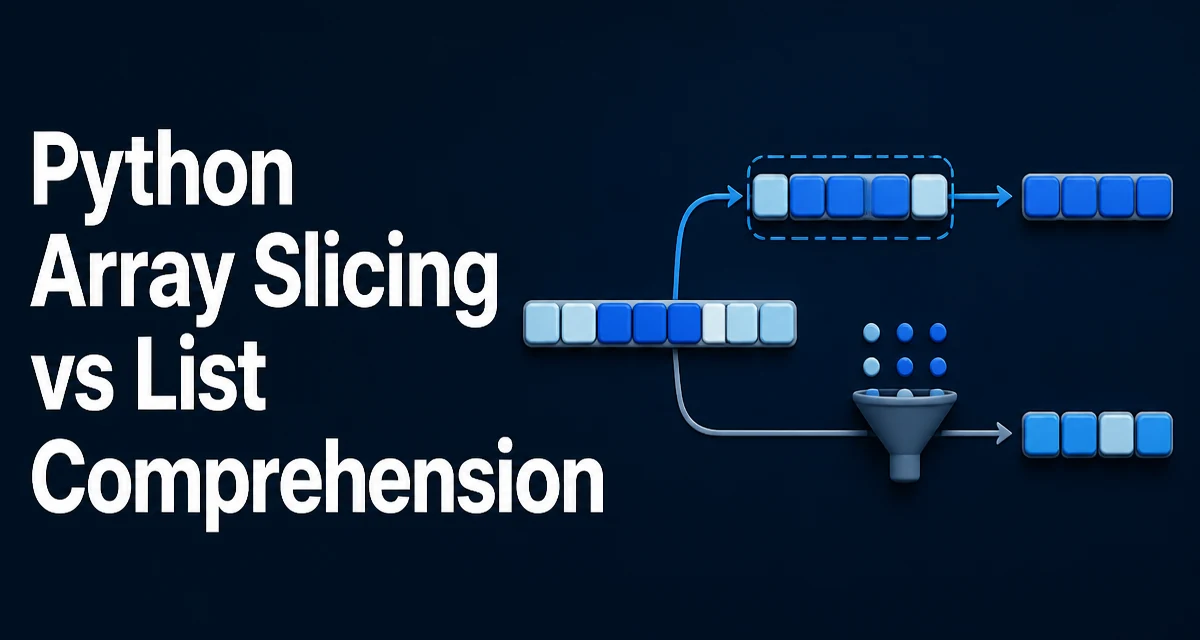
Python Array Slicing vs List Comprehension
Compare Python array slicing and list comprehension to decide when to select by position and when to filter or transform by value. See syntax, examples, and trade-offs.

Python Truthy and Falsy Values vs bool: Understanding the Difference
Learn how Python's truthy and falsy values differ from the bool type, and how to use truthiness correctly in conditions and conversions.
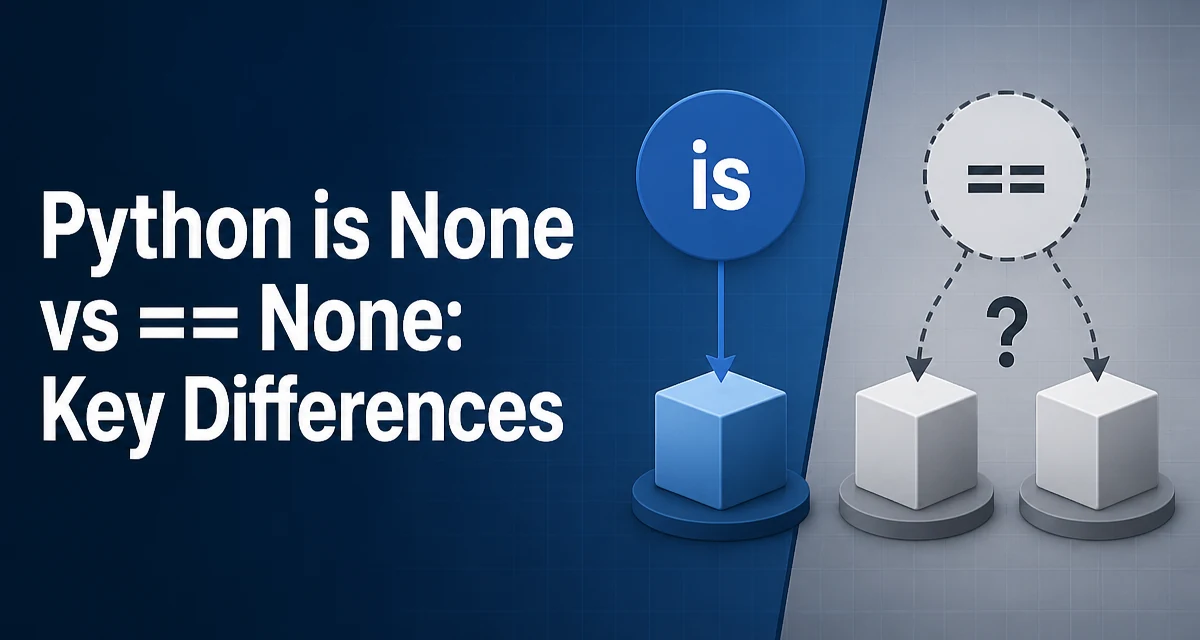
Python is None vs == None: Key Differences
python is None vs == None: Understand the difference between `is None` and `== None` in Python, why `is` is preferred, and when `==` can lead to subtle bugs.
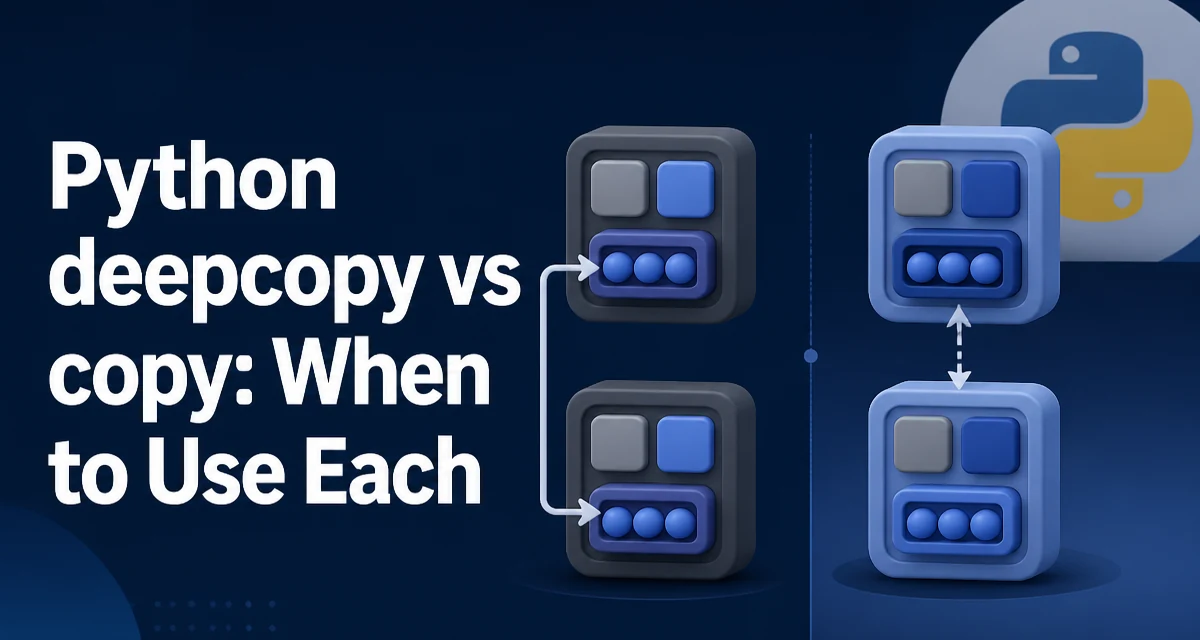
Python deepcopy vs copy: When to Use Each
Learn how Python's copy.copy and copy.deepcopy differ: shallow versus recursive copying, nested object handling, performance trade-offs, and when to use each.

Python Callable vs Function: What's the Difference?
Understand the difference between Python functions and callable objects: what makes an object callable, how __call__ and callable() work, and when to use a class-based callable.

Python Dict Typing vs Mapping: Which to Use
python dict typing vs mapping: Compare dict and Mapping in Python type hints: when each fits, how runtime behavior differs, and how the choice affects API design.

Python List Typing vs Sequence: When to Use Each
Choosing between list and Sequence in Python type hints affects API flexibility and type safety. Learn the difference and when to use each.
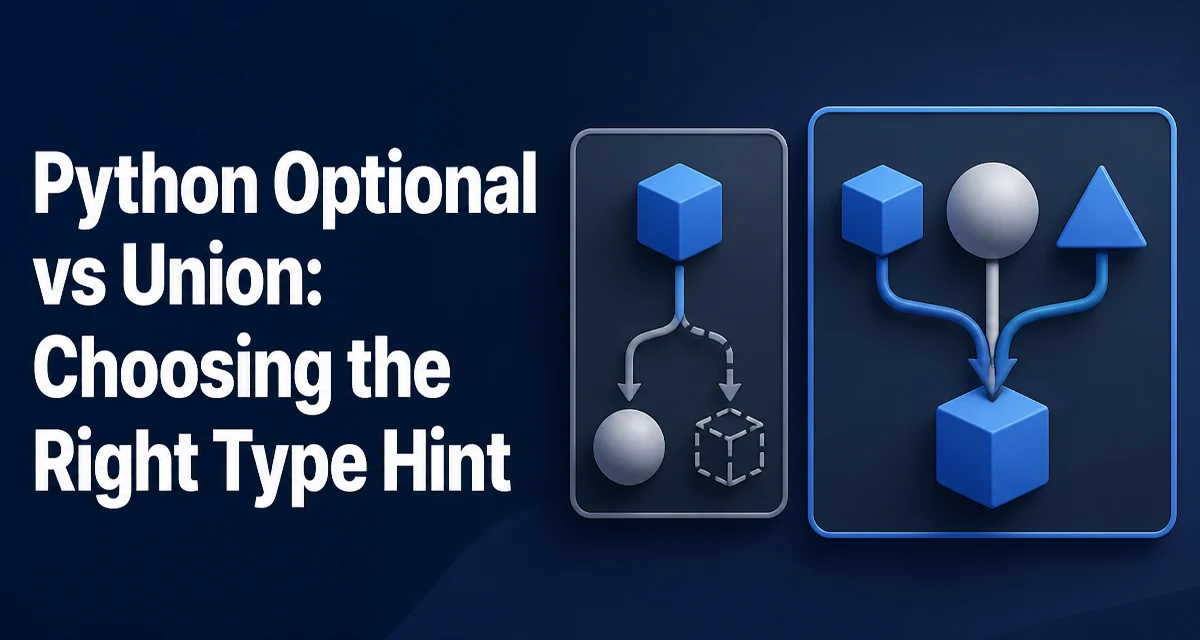
Python Optional vs Union: Choosing the Right Type Hint
Understand how Python's Optional and Union type hints relate, including when to use each for clearer code and type checking.

Python Generic TypeVar vs Any: When to Use Each
Compare TypeVar and Any in Python: learn when each preserves type safety, how they affect static type checking, and how to choose between them.
Python Type Hints vs Runtime Types: What Actually Happens
Python type hints are not runtime checks. This article explains how annotations differ from actual object types, when isinstance() is needed, and how to combine static typing with validation at trust boundaries.