Browse by Topic
Popular
Popular Posts
Latest
Latest Python Posts
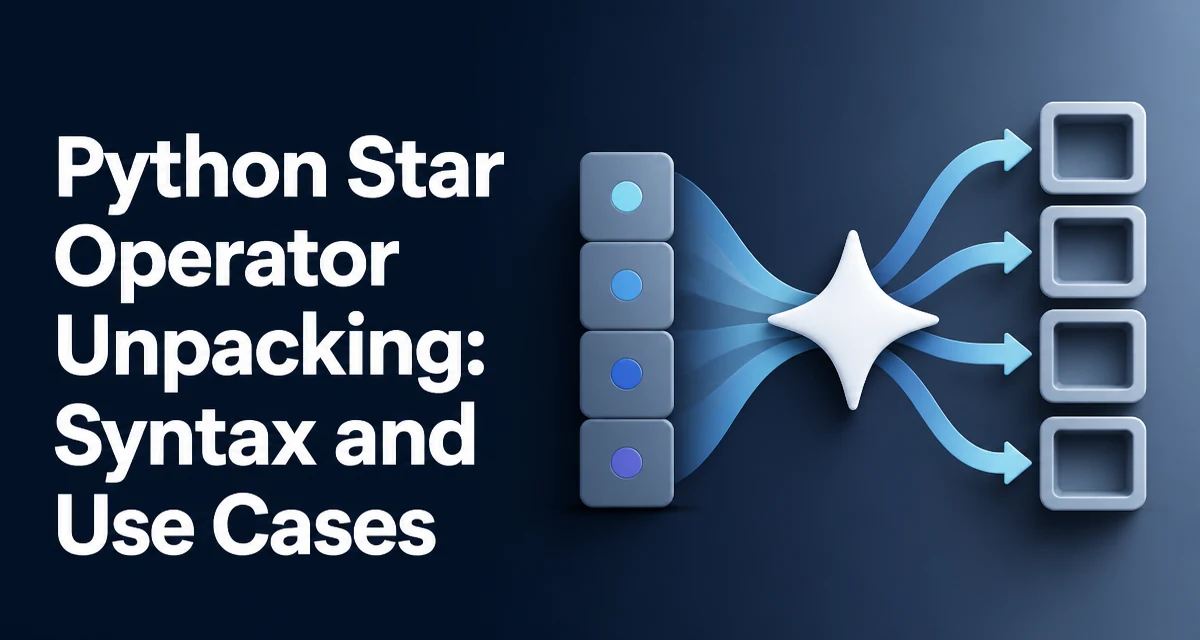
Python Star Operator Unpacking: Syntax and Use Cases
python star operator unpacking: Learn how Python's * and ** operators unpack iterables and mappings in function calls, definitions, assignments, and collection literals.
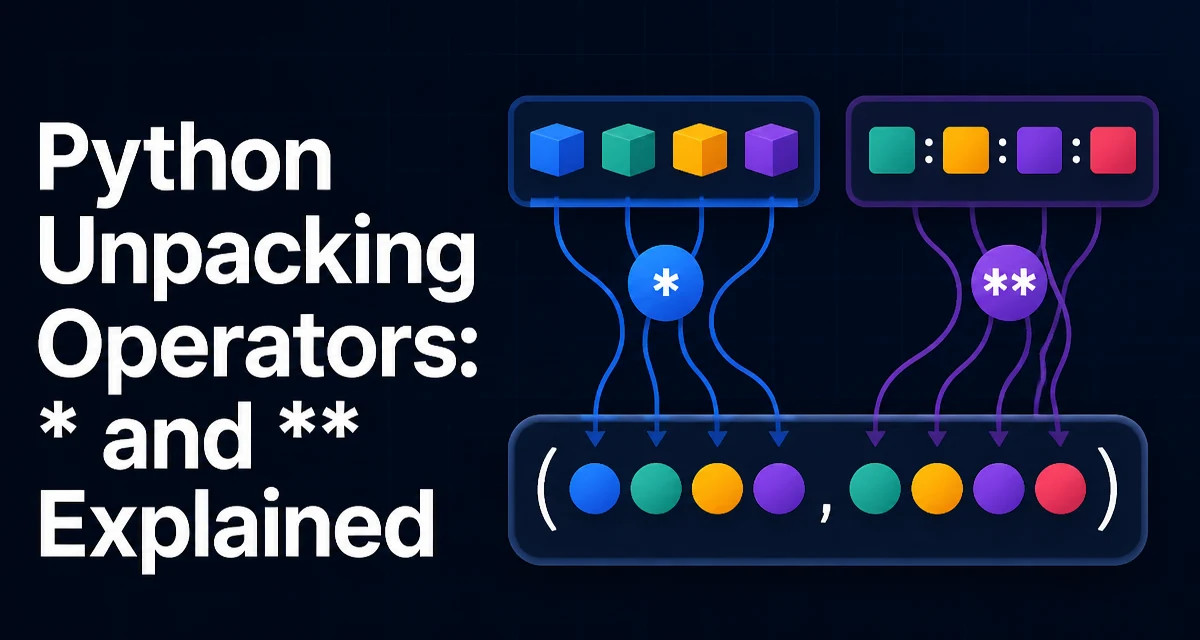
Python Unpacking Operators: * and ** Explained
python unpacking operators: Learn how Python's * and ** operators unpack sequences and dictionaries in assignments and function calls, with practical examples and comm...
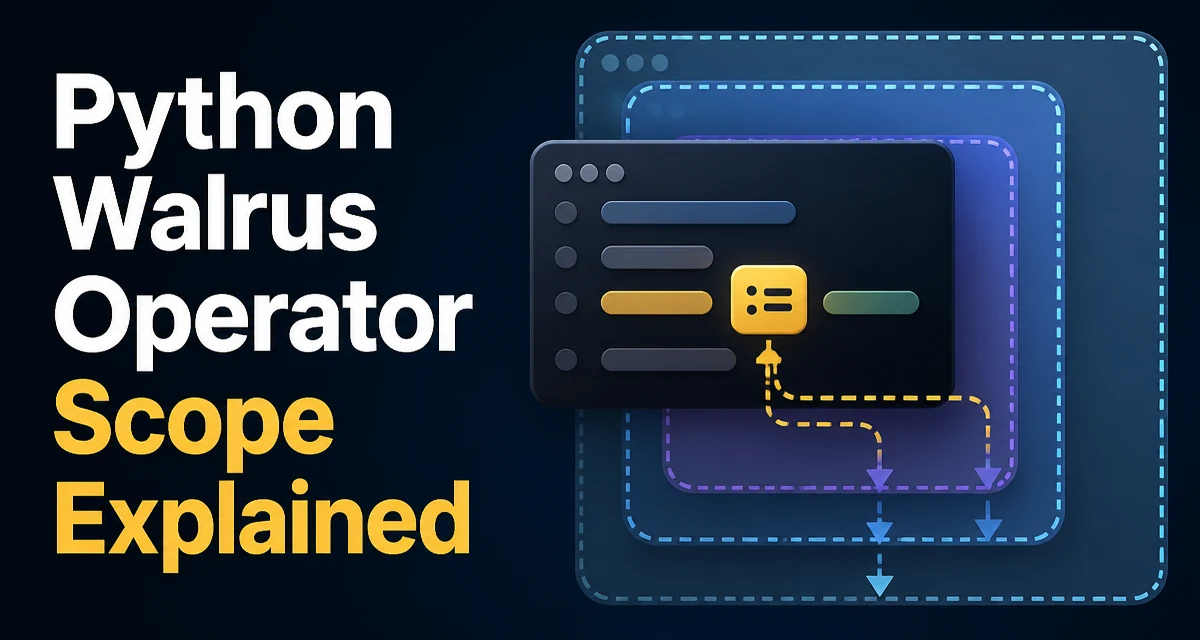
Python Walrus Operator Scope Explained
Understand how the Python walrus operator (:=) affects variable scope across comprehensions, conditionals, loops, functions, and classes, with code examples and pitfalls.
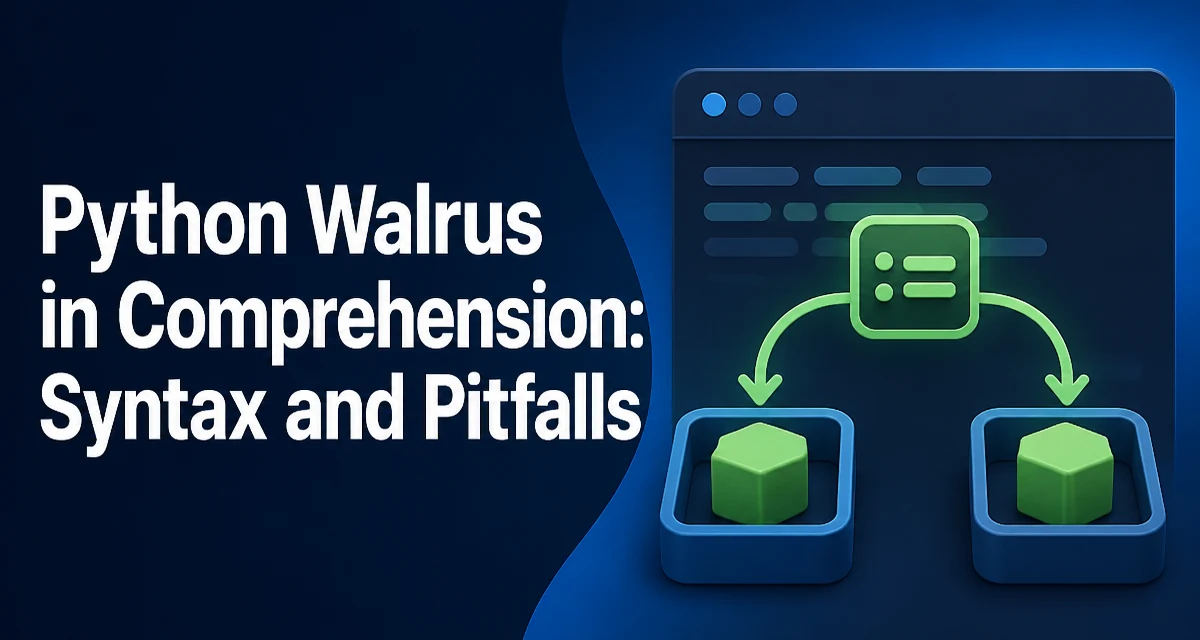
Python Walrus Operator in Comprehensions: Syntax and Pitfalls
Learn how Python's walrus operator works in comprehensions, including scope, performance, and common pitfalls.
Using the Walrus Operator in Python While Loops
Learn how to use the Python walrus operator (:=) in while loops to assign values inside conditions, reduce duplication, and write clearer loop logic.
Using the Python Walrus Operator in if Statements
Use Python's walrus operator (:=) in if statements to assign and test values in one expression. See practical examples, scoping rules, and readability tradeoffs.
Python match case vs if elif: When to Use Each
Compare Python's match-case and if-elif statements: when structural pattern matching simplifies your code, when a boolean chain is clearer, and how to choose between them.
Python Nested Pattern Matching
Learn how to use nested pattern matching in Python's match/case to destructure complex data structures with concise, readable code.
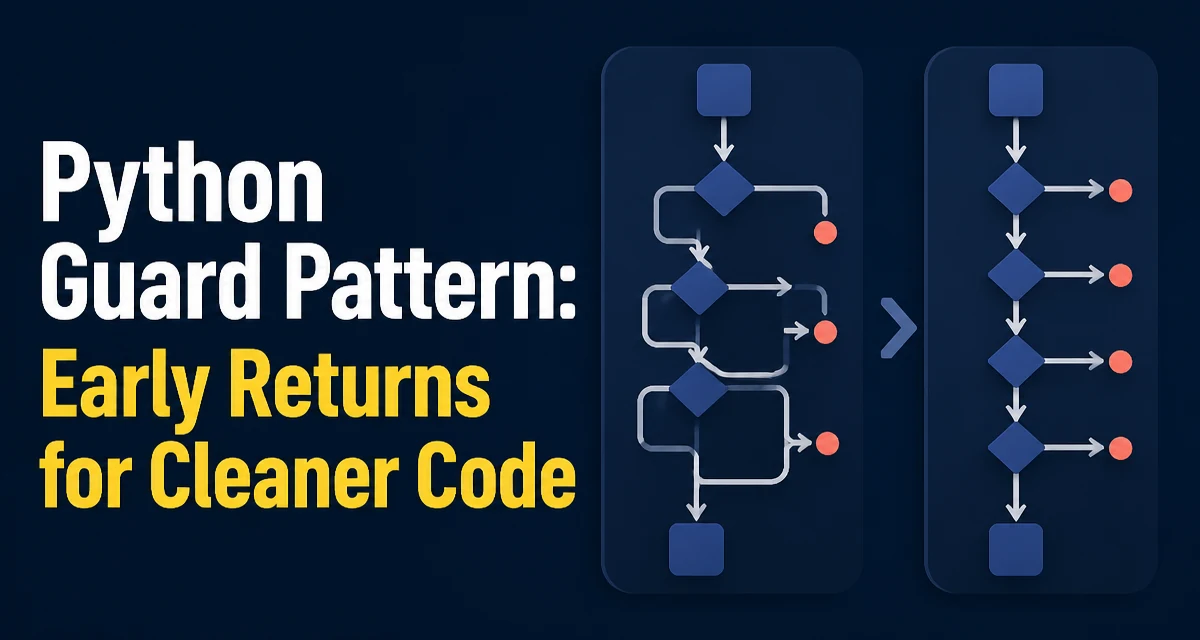
Python Guard Pattern: Early Returns for Cleaner Code
The Python guard pattern uses early returns to replace nested conditionals, making validation and control flow clearer and more maintainable.
Python as Pattern: Using `as` in Match Statements
Learn how Python's `as` pattern in `match` statements binds the matched subject to a name, with practical examples for sequence, mapping, and class patterns.