Browse by Topic
Popular
Popular Posts
Latest
Latest Python Posts
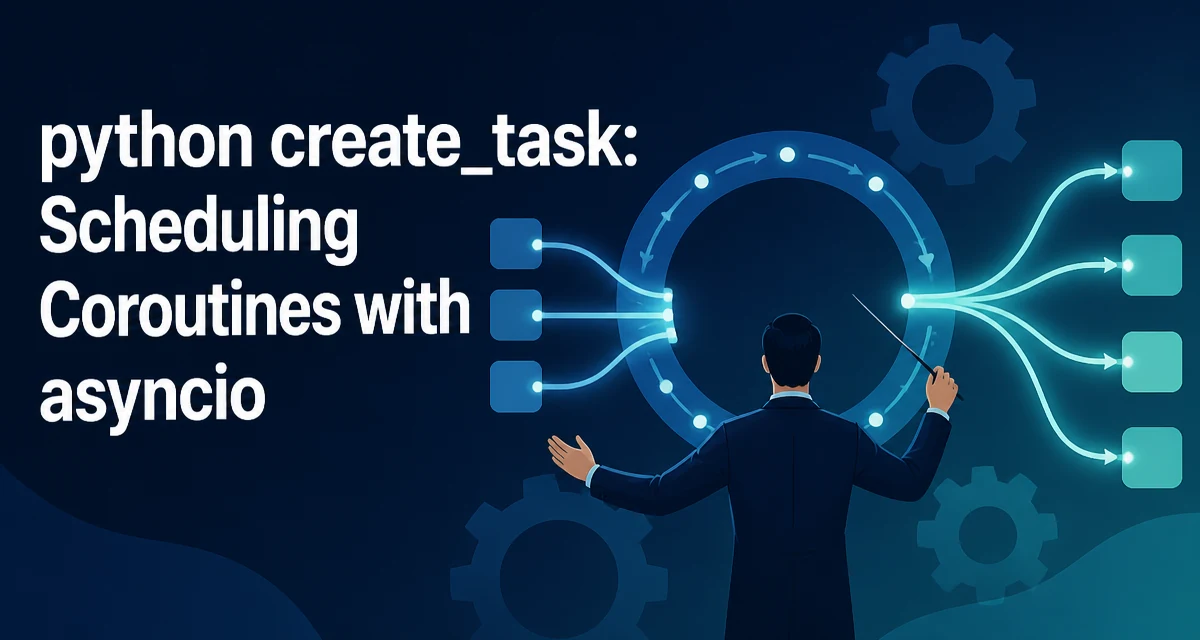
asyncio.create_task(): Scheduling Coroutines Concurrently in Python
How asyncio.create_task() schedules coroutines for concurrent execution, manages task lifecycle, and handles cancellation and errors.
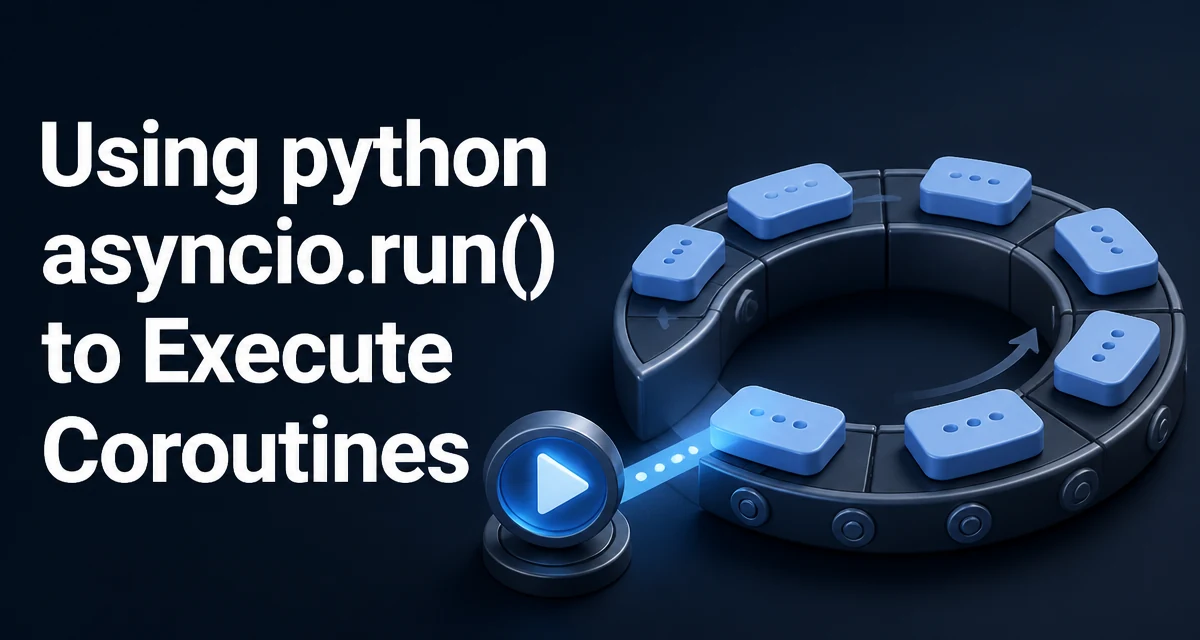
Using Python's asyncio.run() to Execute Coroutines
Learn how Python's asyncio.run() starts an event loop, executes a coroutine, and cleans up resources. Understand its behavior, limitations, and when to use it in async code.
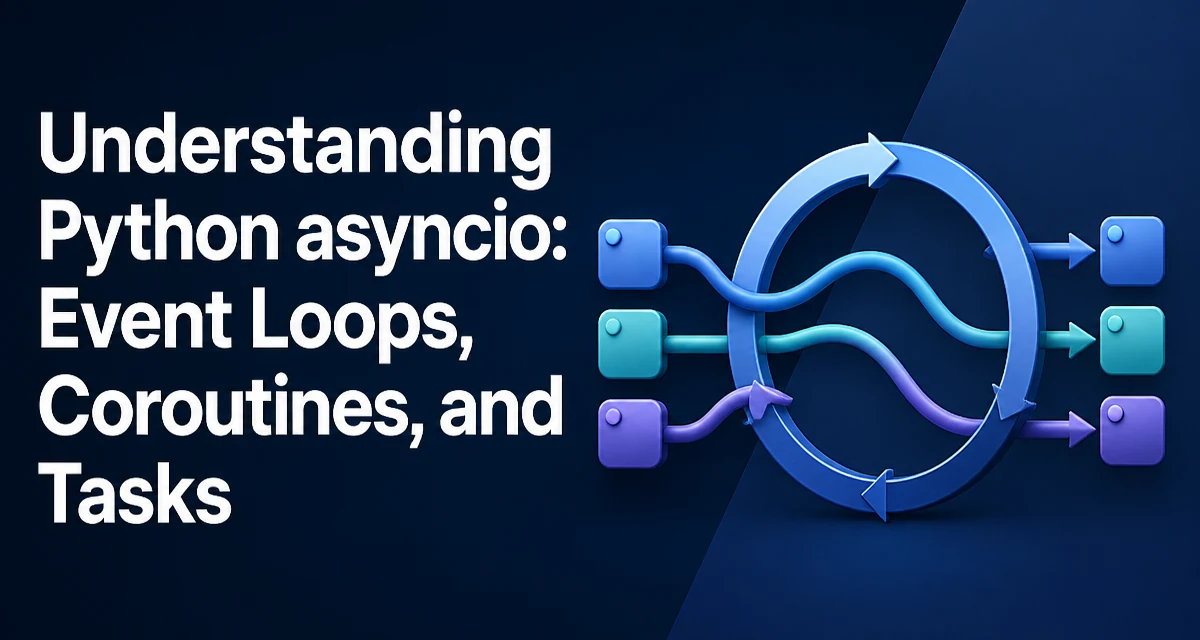
Understanding Python asyncio: Event Loops, Coroutines, and Tasks
Learn how to use Python asyncio for concurrent I/O: event loops, coroutines, tasks, timeouts, and common pitfalls.
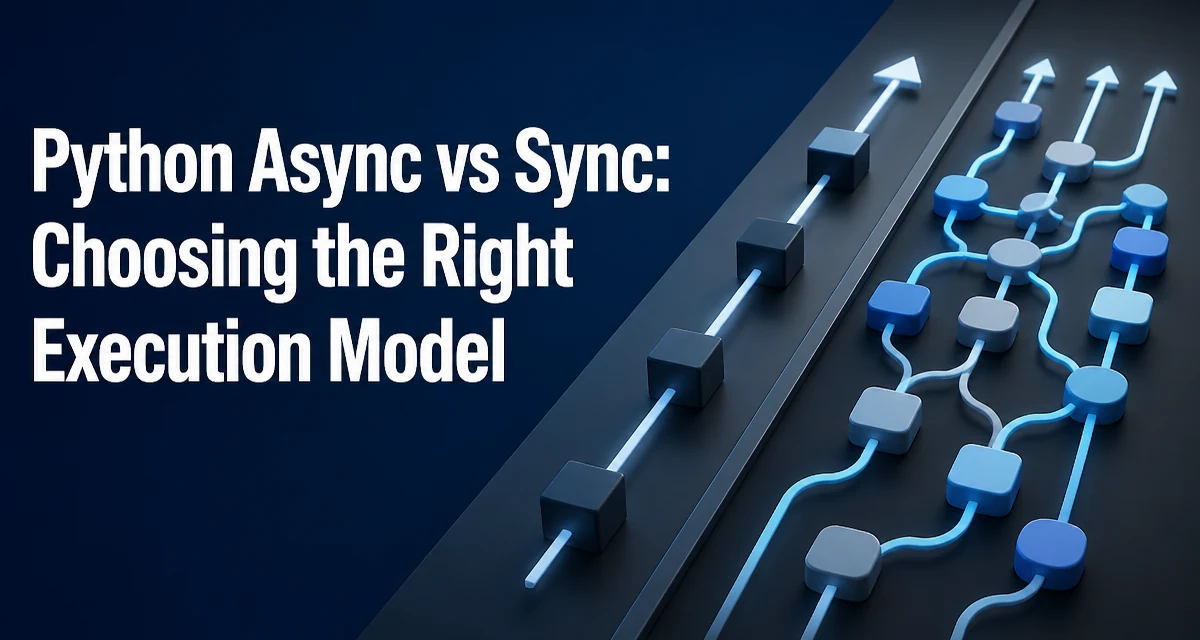
Python Async vs Sync: Choosing the Right Execution Model
Compare Python async and sync execution models, understand when each is appropriate, and learn practical patterns for mixing them.
Python Async Function: Syntax and Usage
Learn how to define and run Python async functions with async/await, manage tasks with asyncio, and avoid common concurrency pitfalls.
Understanding the Python Coroutine Object
Learn what a Python coroutine object is, why async function bodies don't run immediately, and how to consume, close, or debug it.
Python Coroutine Function: Syntax and Behavior
python coroutine function: Learn how Python coroutine functions work, how to define them with async def, and how they differ from generators.
Understanding Python Coroutines with async/await
python coroutine: Learn how Python coroutines work with async/await, how to run them, handle errors, and avoid common pitfalls in concurrent code.

Python await Keyword: How It Works
Learn how Python's await keyword suspends coroutines, what objects can be awaited, and how to avoid blocking the asyncio event loop.
Python async def: Syntax and Usage
Learn how to define coroutines with async def, run them with await, and manage concurrent tasks using asyncio.