Browse by Topic
Popular
Popular Posts
Latest
Latest Java Posts
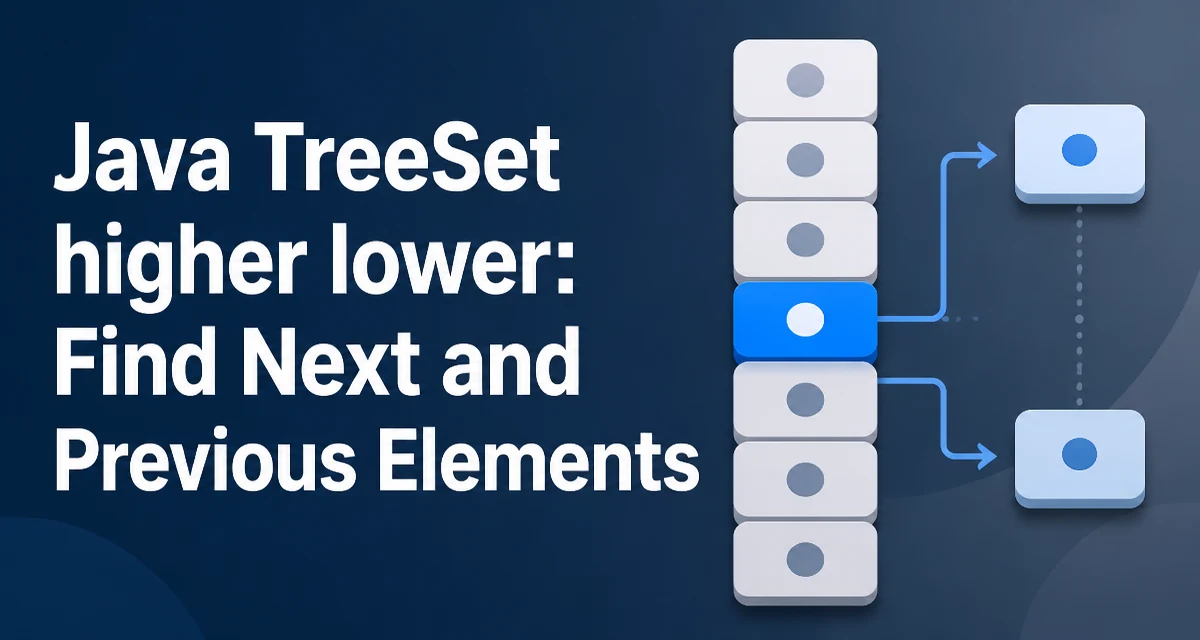
Java TreeSet higher lower: Find Next and Previous Elements
Learn how to use Java TreeSet's higher() and lower() methods to find the next and previous elements relative to a value, with examples, edge cases, and performance notes.
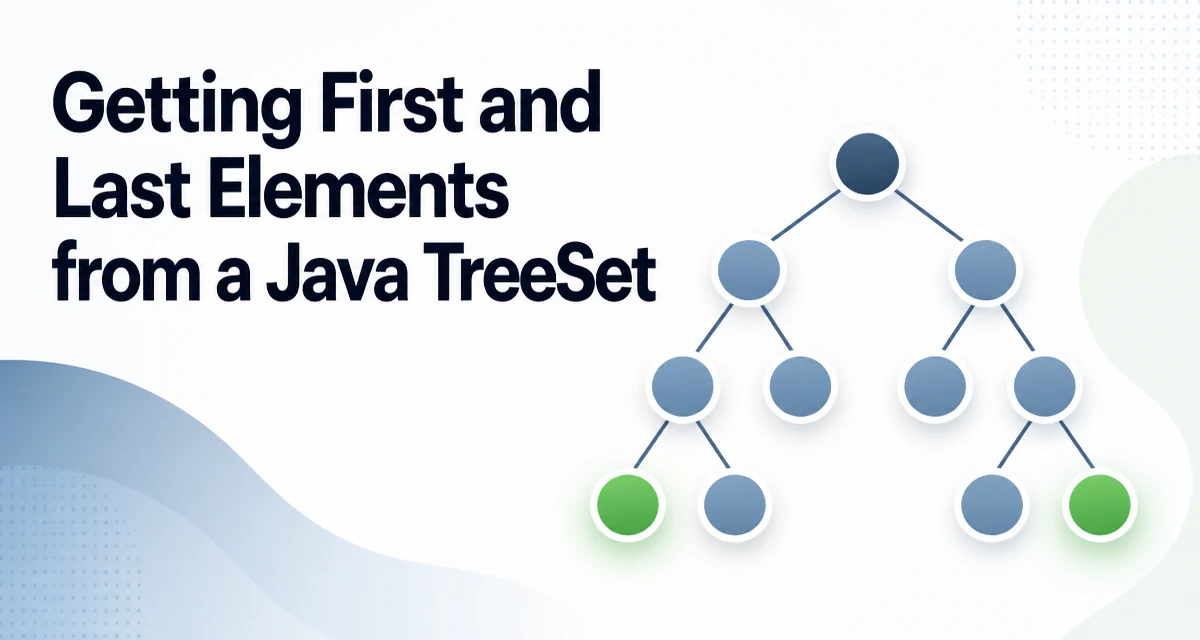
Getting First and Last Elements from a Java TreeSet
Learn how to retrieve the first and last elements from a Java TreeSet, handle empty sets, and choose between first(), last(), pollFirst(), and pollLast().
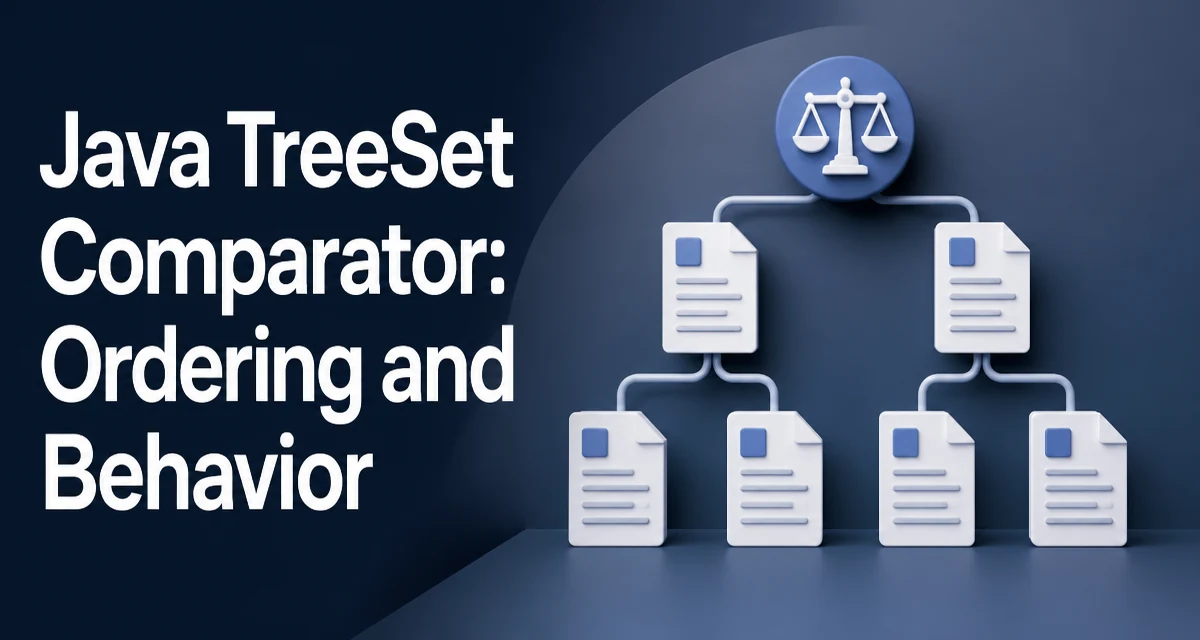
Java TreeSet Comparator: Ordering and Behavior
java treeset comparator: Learn how to control TreeSet ordering with Comparator, including lambda syntax, chaining, equals consistency, and performance implications.
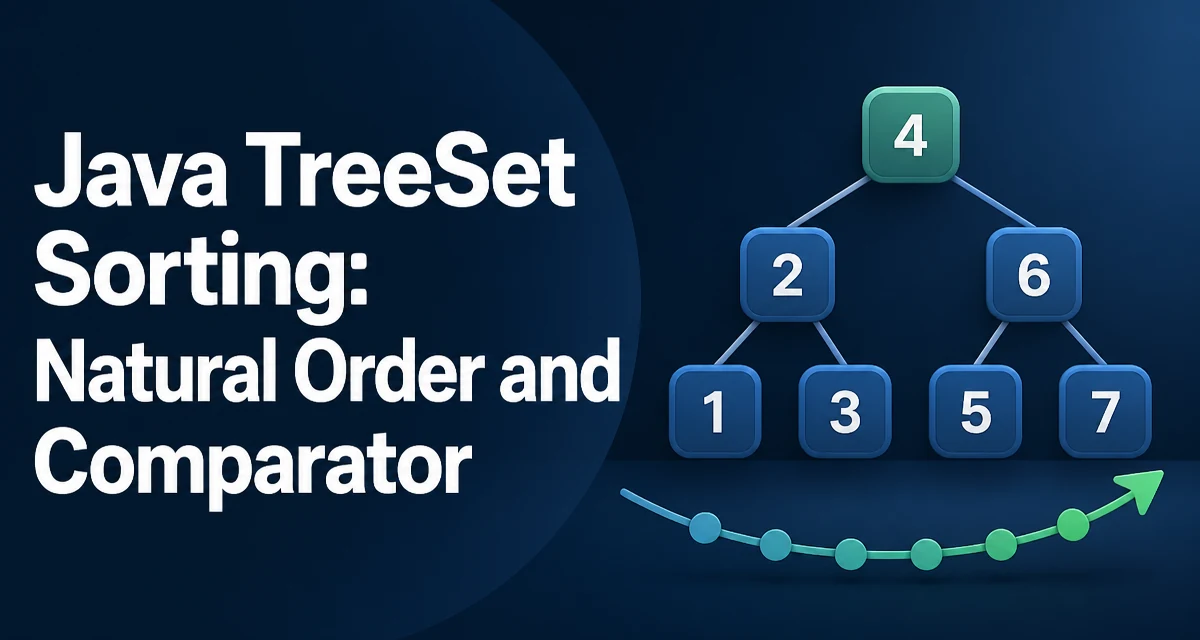
Java TreeSet Sorting: Natural Order and Comparator
Understand how TreeSet maintains sorted order, when to use natural ordering or a custom comparator, and what to watch for with mutable objects.
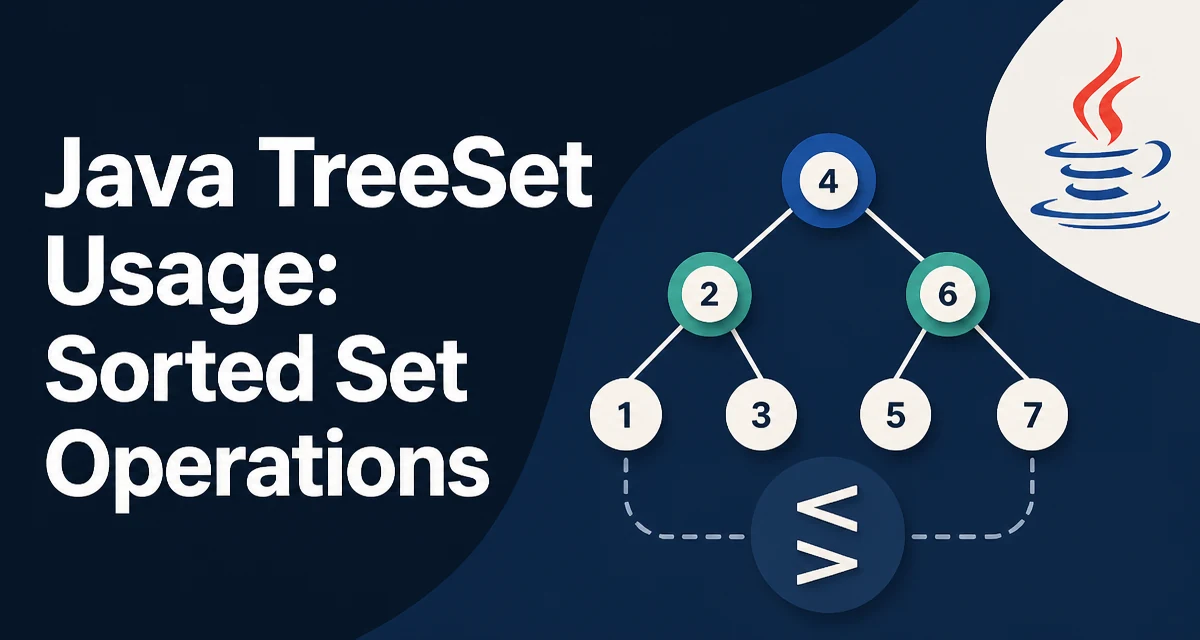
Java TreeSet Usage: Sorted Set Operations
java treeset usage: Learn how to use Java TreeSet for sorted collections: natural ordering, custom comparators, performance tradeoffs, and common pitfalls.
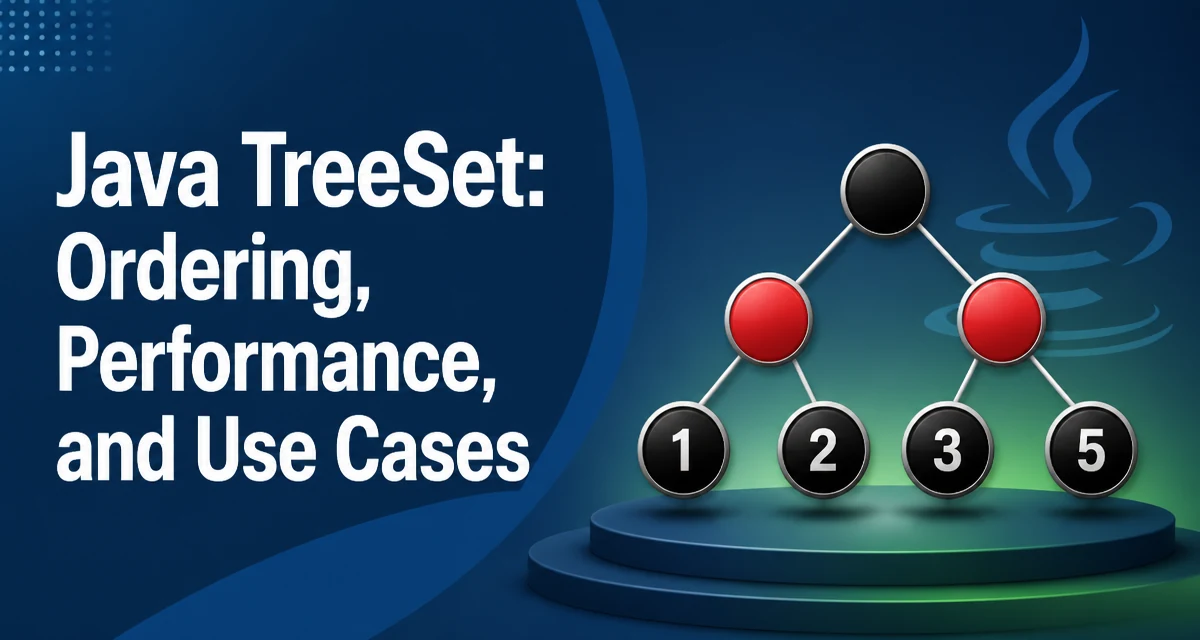
Java TreeSet: Ordering, Performance, and Use Cases
Learn how Java TreeSet keeps elements sorted, how to use natural ordering or a custom comparator, and when its O(log n) operations make it a better choice than HashSet.
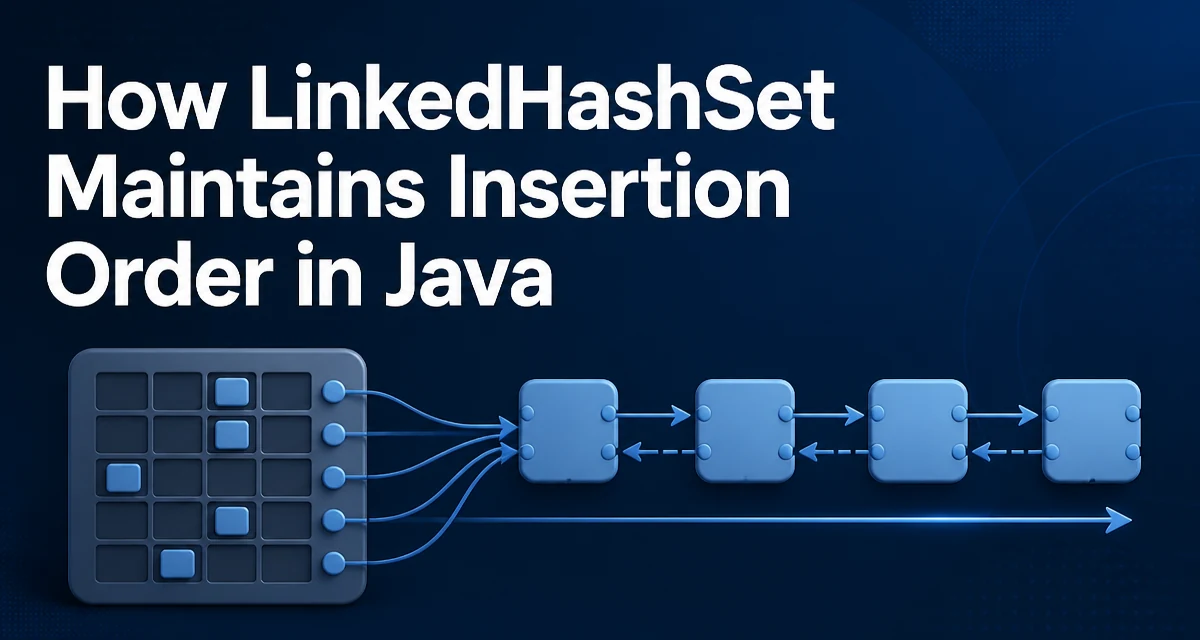
How LinkedHashSet Maintains Insertion Order in Java
java linkedhashset order: Explains how LinkedHashSet preserves insertion order in Java, its implementation, performance tradeoffs, and when to choose it over HashSet o...
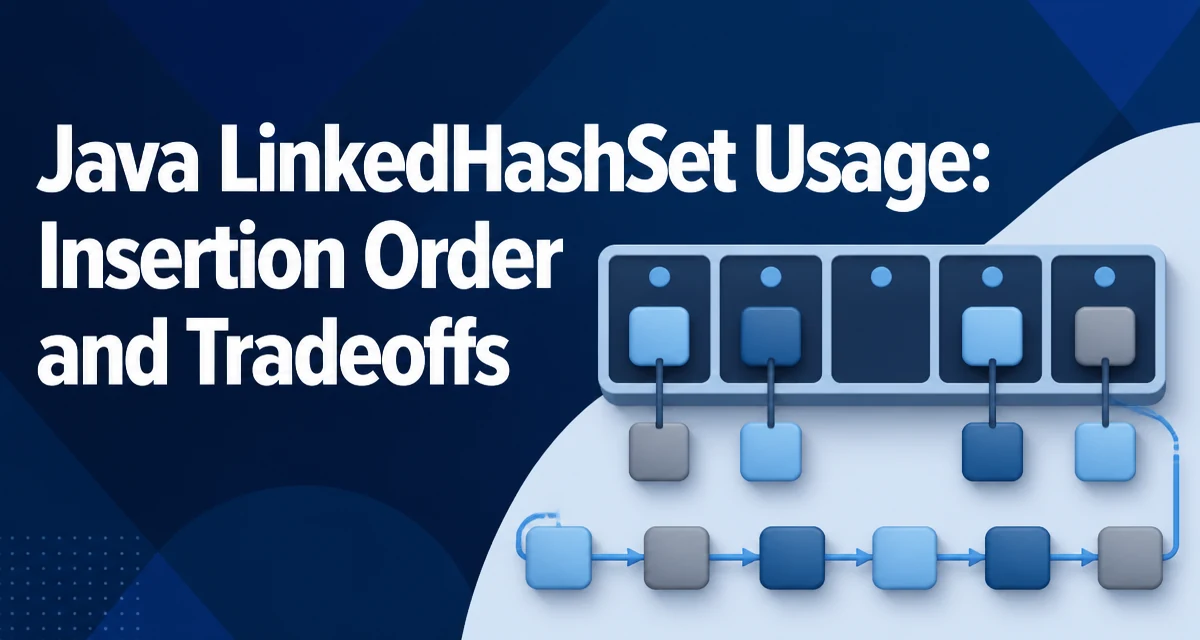
Java LinkedHashSet Usage: Insertion Order and Tradeoffs
Learn how to use Java LinkedHashSet to preserve insertion order, understand its performance and memory tradeoffs, and compare it with HashSet and TreeSet.
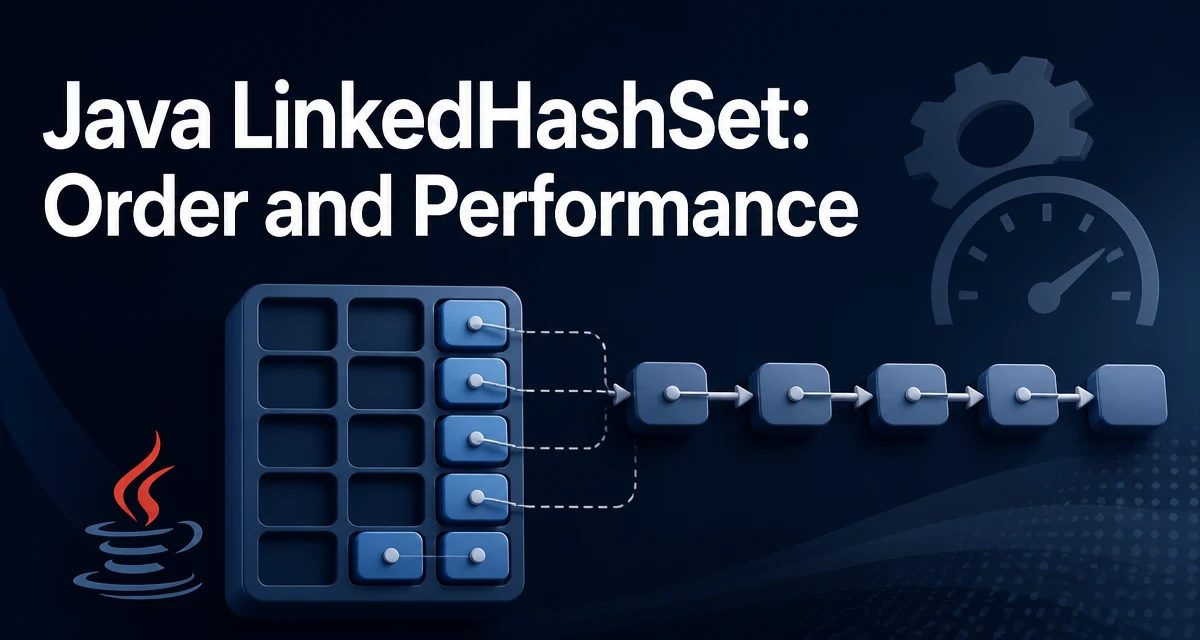
Java LinkedHashSet: Order and Performance
Java LinkedHashSet preserves insertion order while retaining HashSet's hash-based performance. See practical examples and when to use it instead of HashSet or TreeSet.
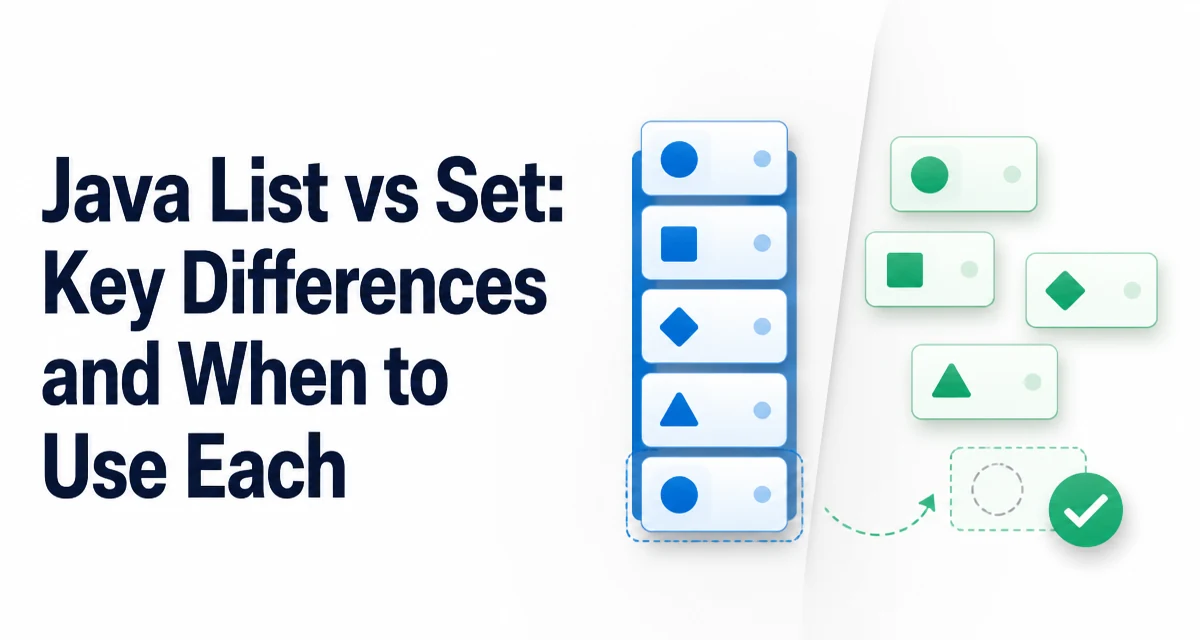
Java List vs Set: Key Differences and When to Use Each
Compare Java List and Set: ordering, duplicates, performance, and implementation tradeoffs. Learn which collection fits your data model.