Browse by Topic
Popular
Popular Posts

Latest
Latest Python Posts
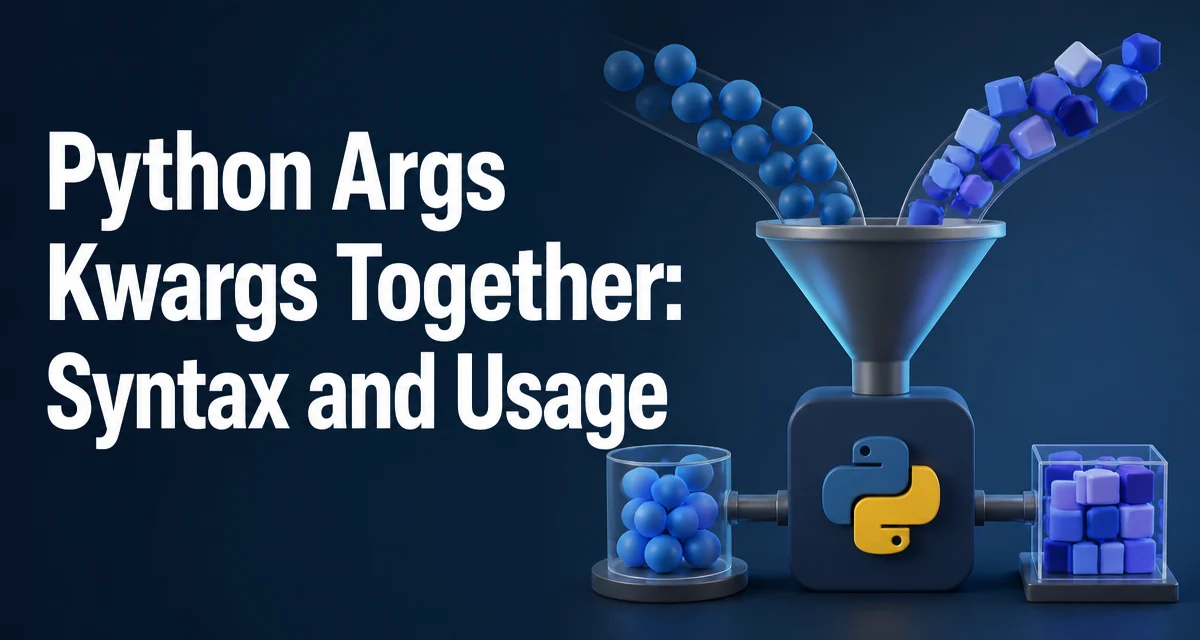
Python Args Kwargs Together: Syntax and Usage
Learn how to combine *args and **kwargs in Python function definitions, including ordering rules, unpacking, and practical examples.
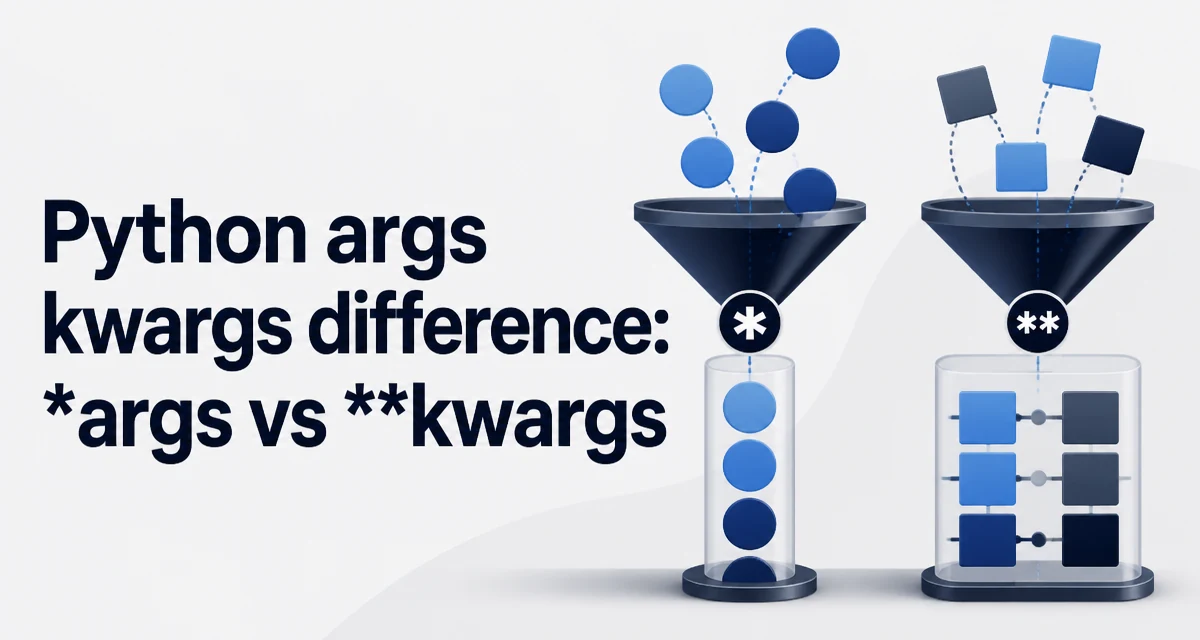
Python args kwargs difference: *args vs **kwargs
python args kwargs difference: Learn how *args and **kwargs differ in Python: *args collects positional arguments into a tuple, **kwargs collects keyword arguments int...
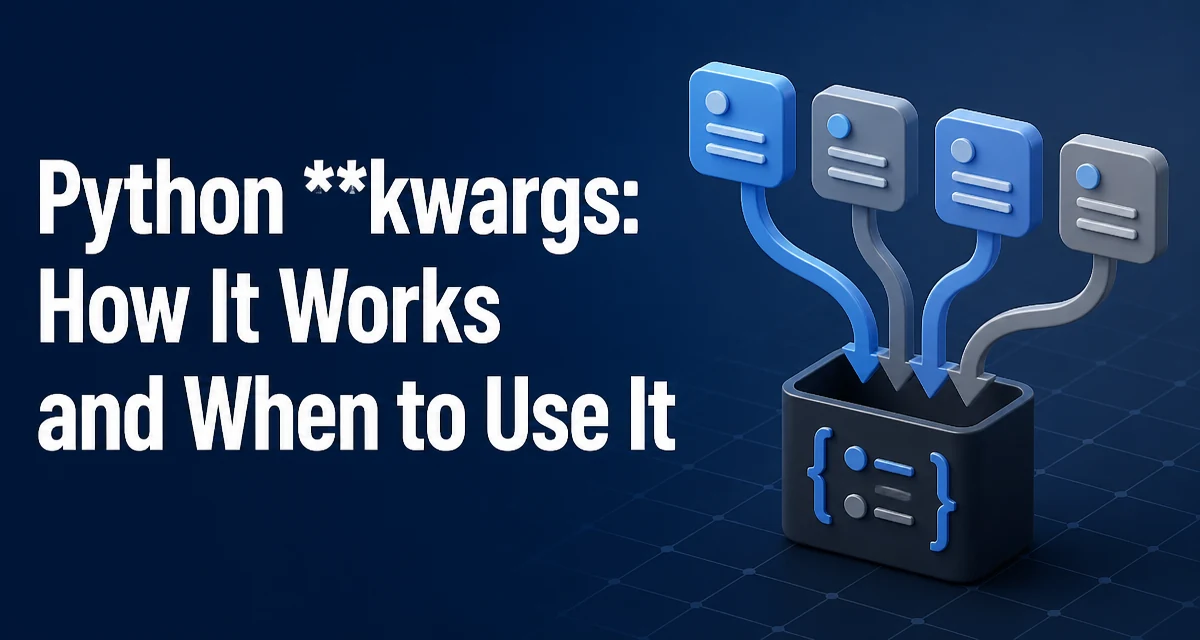
Python **kwargs: How It Works and When to Use It
python **kwargs: Understand how Python's **kwargs collects extra keyword arguments, common usage patterns, pitfalls, and when to prefer explicit parameters.
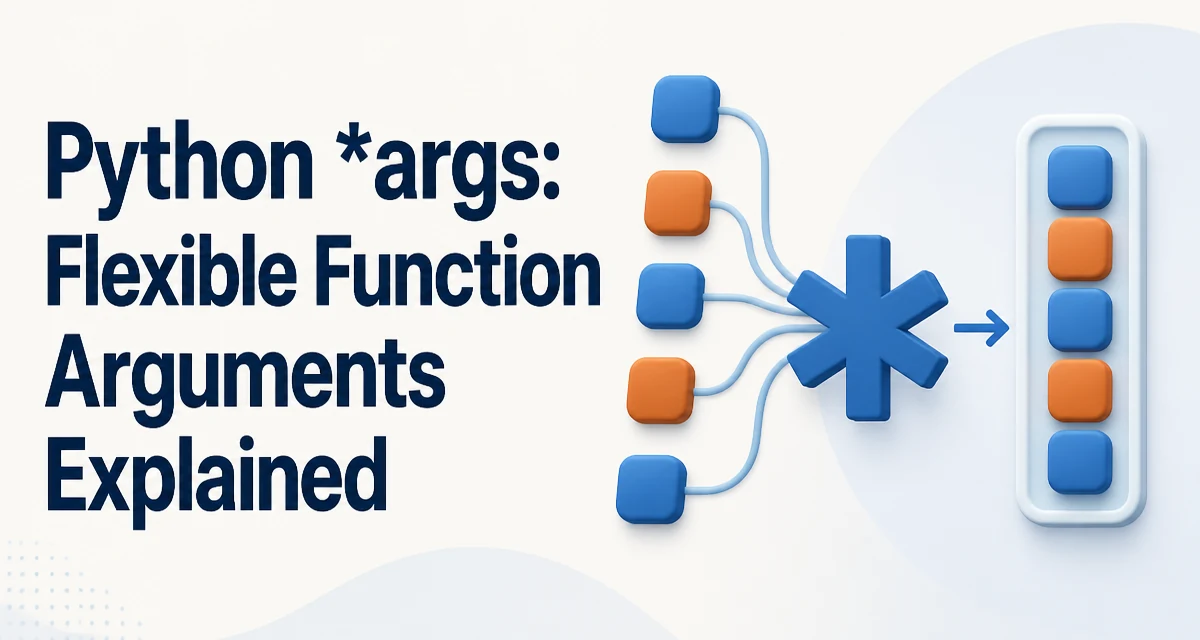
Python *args: Flexible Function Arguments Explained
python *args: Learn how Python *args collects extra positional arguments, when to use it, and how it interacts with other parameter types.
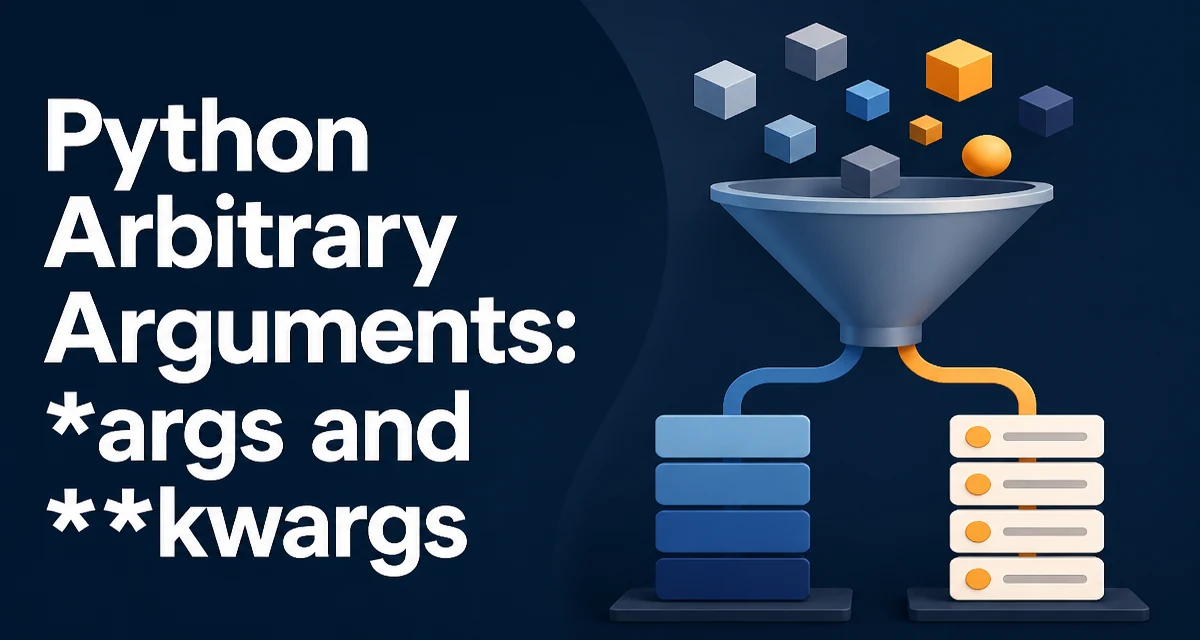
Python Arbitrary Arguments: *args and **kwargs
Understand how Python's *args and **kwargs collect variable-length positional and keyword arguments, how parameter ordering works, and when to use them in production code.
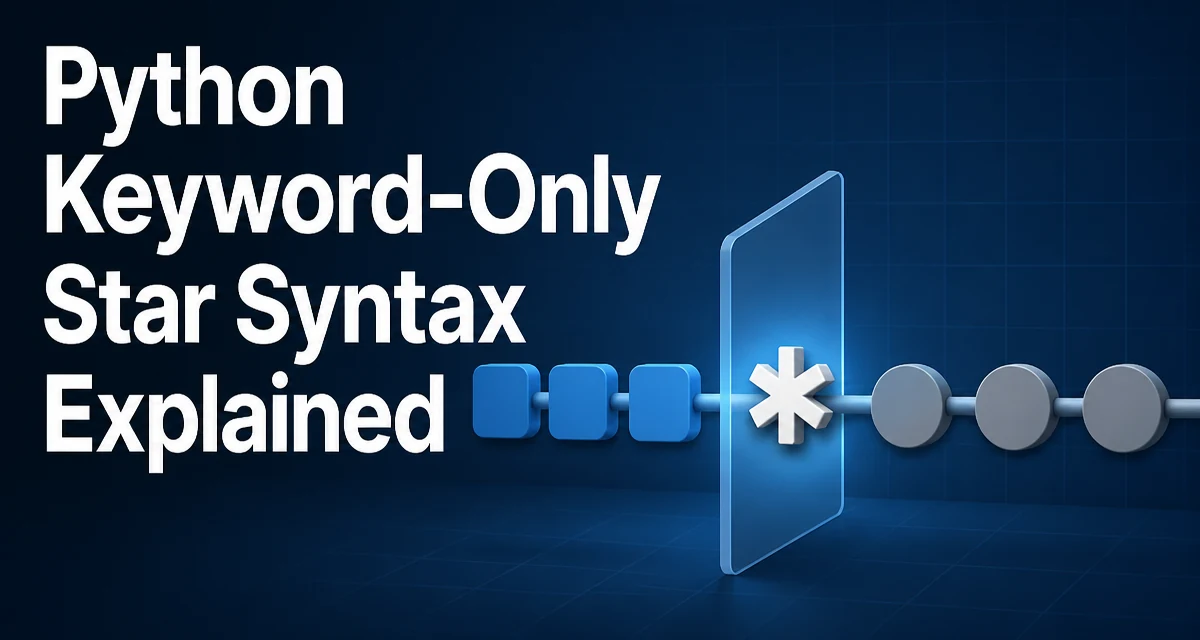
Python Keyword-Only Star Syntax Explained
Learn how the bare * in Python function signatures enforces keyword-only arguments, with examples and common pitfalls.
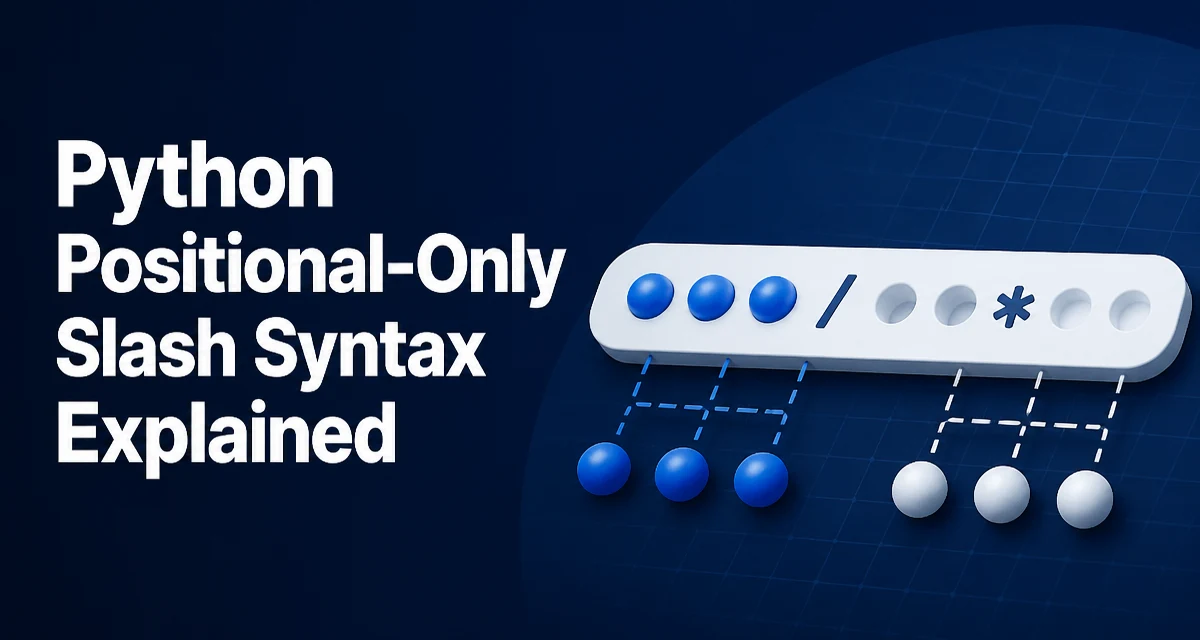
Python Positional-Only Slash Syntax Explained
python positional only slash syntax: Learn how the slash syntax defines positional-only parameters in Python, why it matters for API design, and how to combine it with...
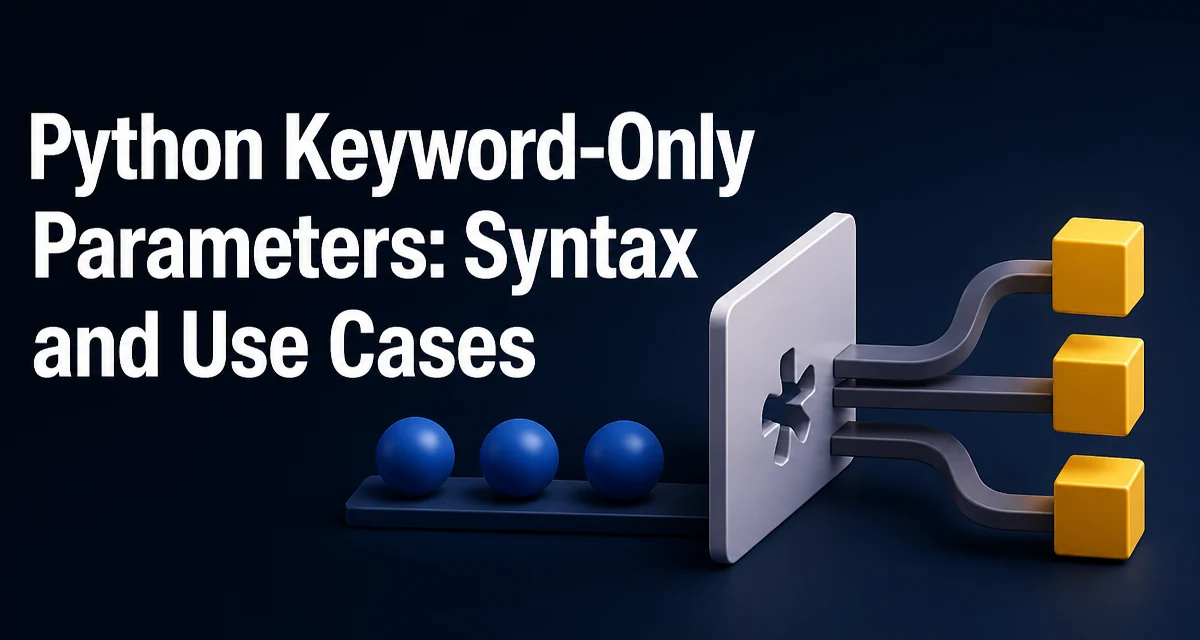
Python Keyword-Only Parameters: Syntax and Use Cases
Python keyword-only parameters force callers to pass arguments by name after `*`. Learn the syntax and when to use them for clearer APIs.
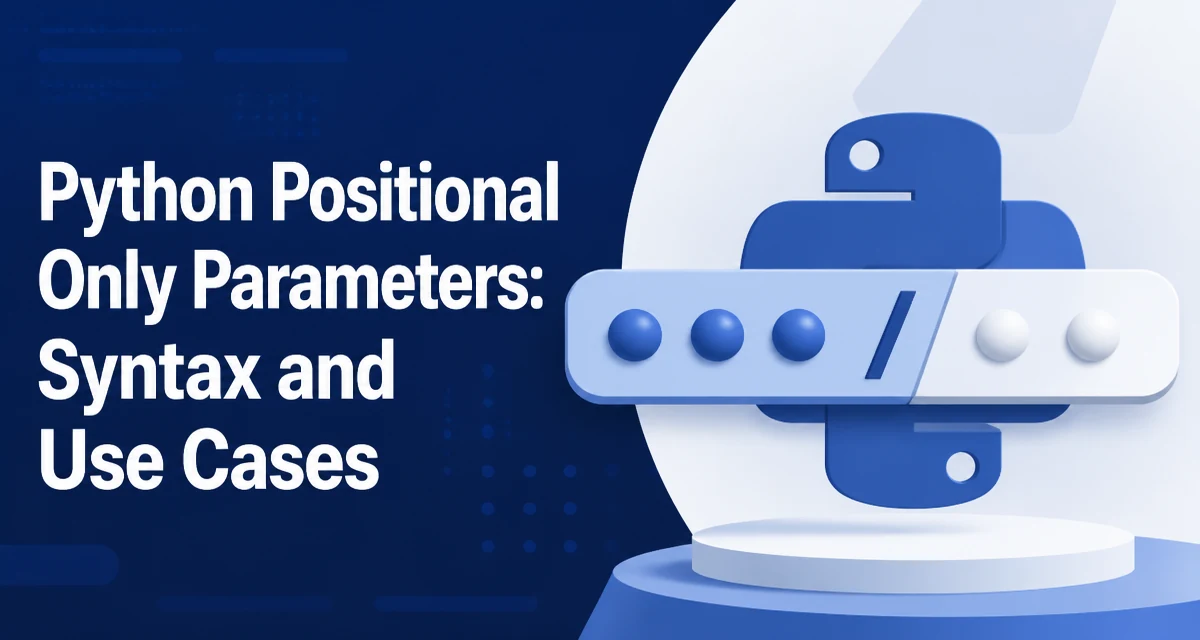
Python Positional-Only Parameters: Syntax and Use Cases
Learn how Python's positional-only parameters work, why they matter for API design, and how to use them correctly in your functions.
Python Positional vs Keyword Arguments
Understand the difference between positional and keyword arguments in Python, including their syntax, ordering rules, and when to use each style.