Browse by Topic
Popular
Popular Posts



Latest
Latest Python Posts

Python List Copy vs Slicing: What Actually Happens
Understand how Python list copy() and slicing both create shallow copies, when nested list data is shared, and how to choose the right approach.
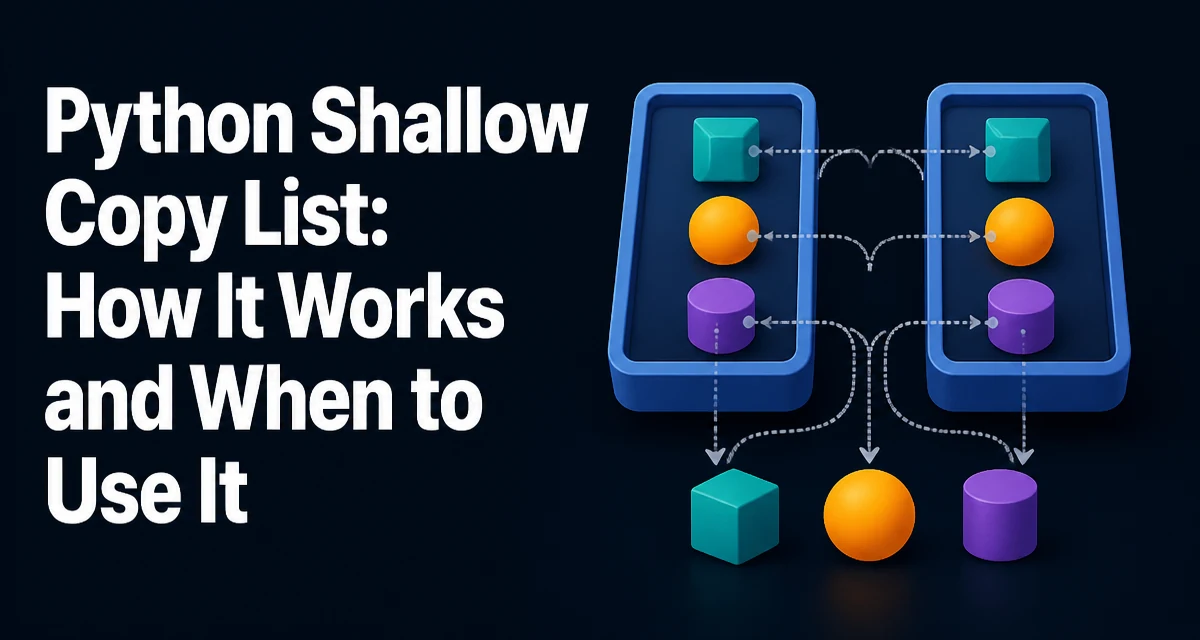
Python Shallow Copy List: How It Works and When to Use It
python shallow copy list: Learn what a shallow copy of a Python list actually creates, how to make one, and why nested lists can still surprise you.
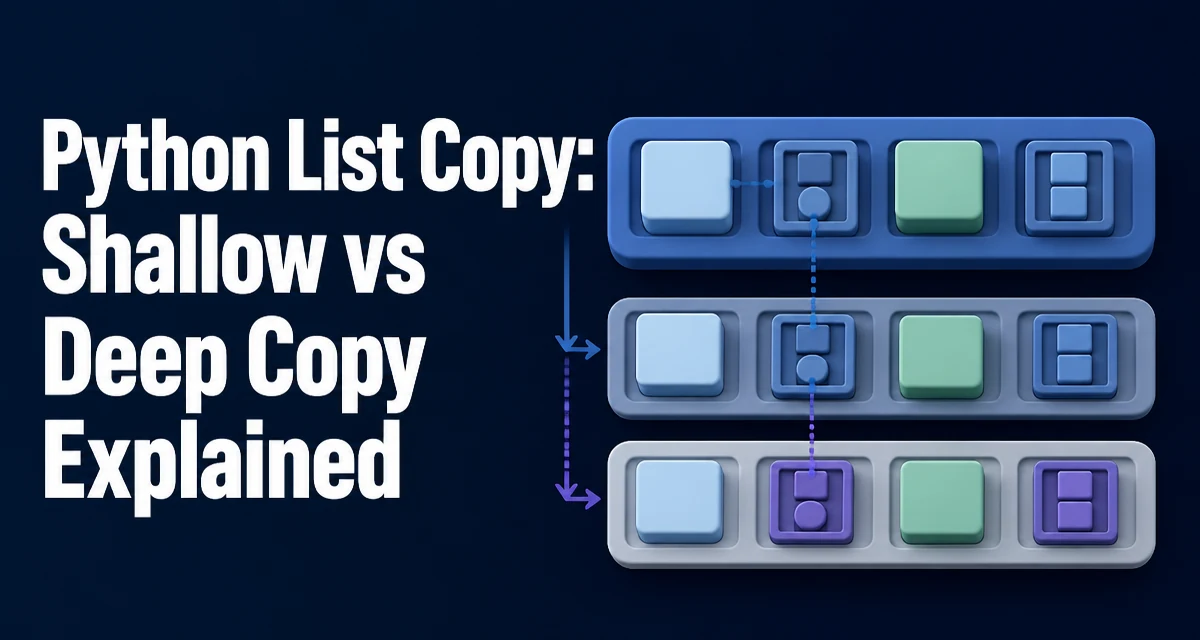
Python List Copy: Shallow vs Deep Copy Explained
Learn how to copy lists in Python correctly: assignment vs shallow copy vs deep copy, how nested lists behave, and when to use each.

Python reverse() vs reversed(): Key Differences
Python reverse vs reversed: Understand the difference between Python's list.reverse() method and the reversed() function, including memory behavior, use cases, and code examples.
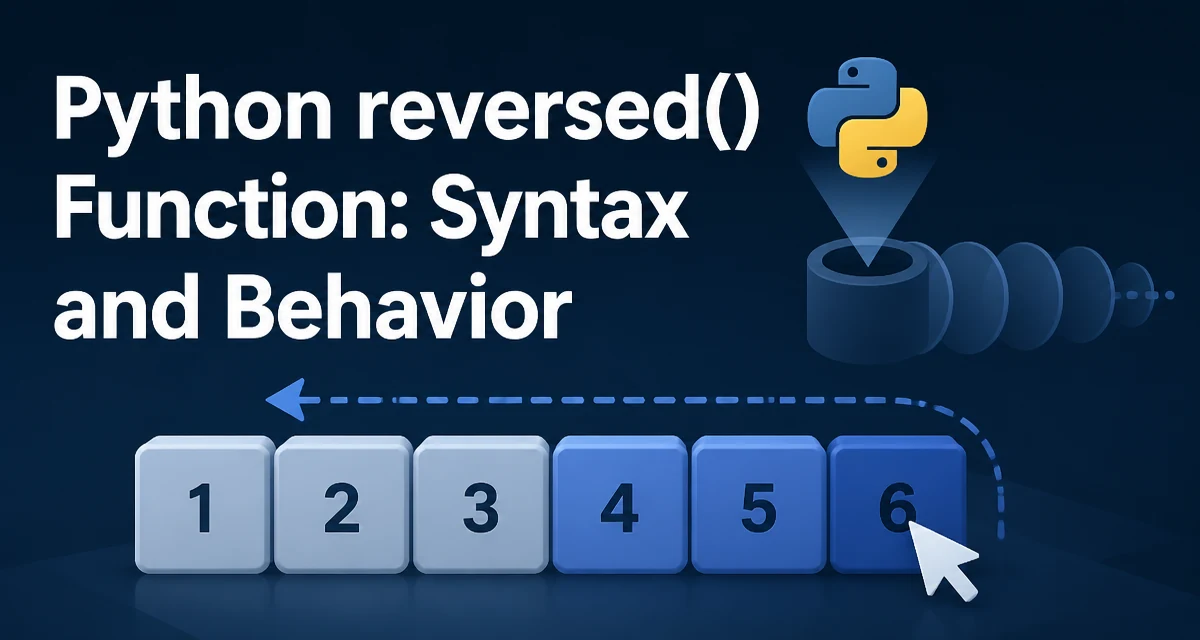
Python reversed() Function: Syntax and Behavior
python reversed function: Learn how Python's reversed() function returns a lazy iterator, works with lists, strings, and ranges, and differs from reverse() and slicing.
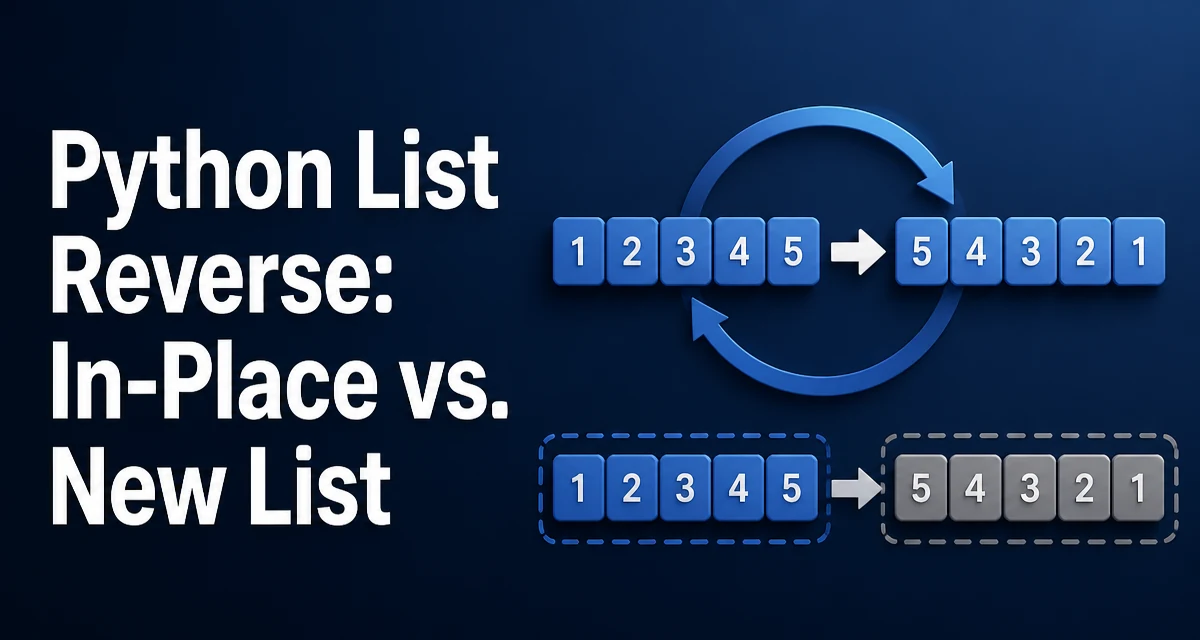
Reverse a Python List: In-Place, Iterator, or Slicing
Learn the three ways to reverse a Python list—in-place mutation, reversed() iterators, and slicing—and when each approach fits your code.
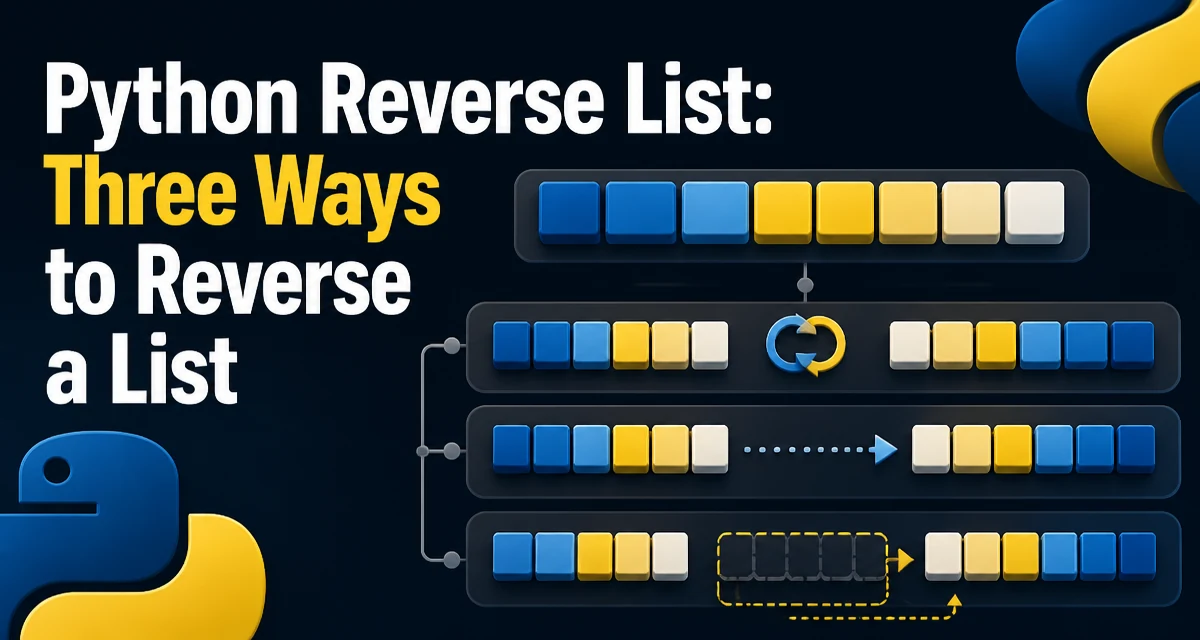
Python Reverse List: Three Ways to Reverse a List
python reverse list: Learn the three main ways to reverse a list in Python: reverse(), reversed(), and slicing with [::-1], including memory and performance tradeoffs.
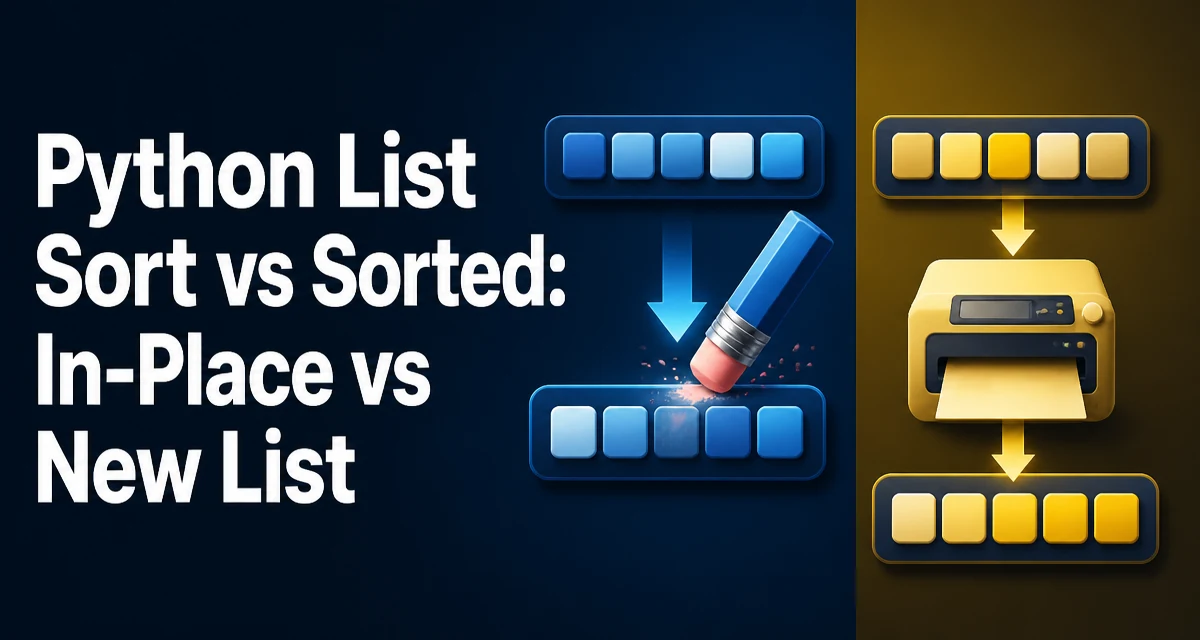
Python List Sort vs Sorted: In-Place vs New List
Learn how Python's list.sort() and sorted() differ: in-place mutation vs a new sorted list, performance, stability, and which to use.
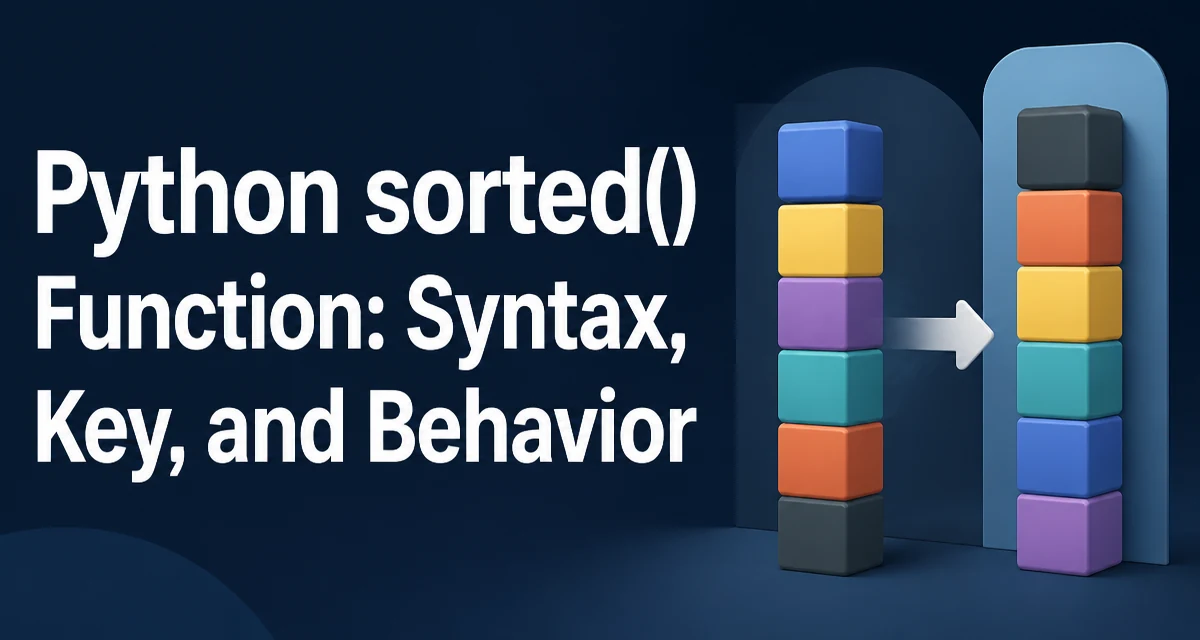
Python sorted() Function: Syntax, Key, and Behavior
Learn how Python's sorted() function works: its syntax, key and reverse parameters, stability guarantees, and when to use it instead of list.sort().
How to Sort Python Lists with sort() and sorted()
Learn how to sort Python lists using sort() and sorted(). This guide covers key functions, reverse order, sort stability, and memory tradeoffs.