Python guides
Every published Python guide, newest first, with practical examples you can copy into your own project.
3,965 guides across 14 topics
Topics
Popular Python guides
Most read

Latest Python guides
Page 157 of 179
Python String Split: Syntax, Behavior, and Edge Cases
Learn how to use Python's split() method: syntax, whitespace handling, maxsplit, multiple delimiters, and performance tradeoffs.
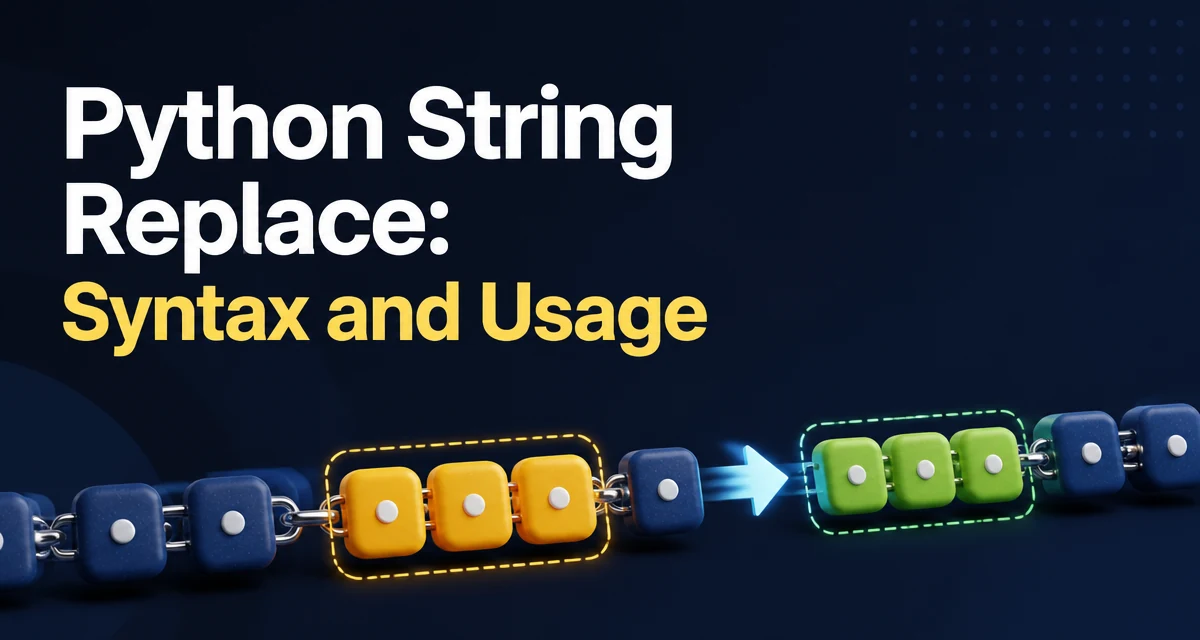
Python String Replace: Syntax and Usage
Learn how to use Python's `replace()` method, including the `count` parameter, case sensitivity, and when to use `re.sub` instead.

Python String Immutable: What It Means and Why It Matters
python string immutable: Understand why Python strings are immutable, how that affects memory and performance, and how to write efficient string-handling code.
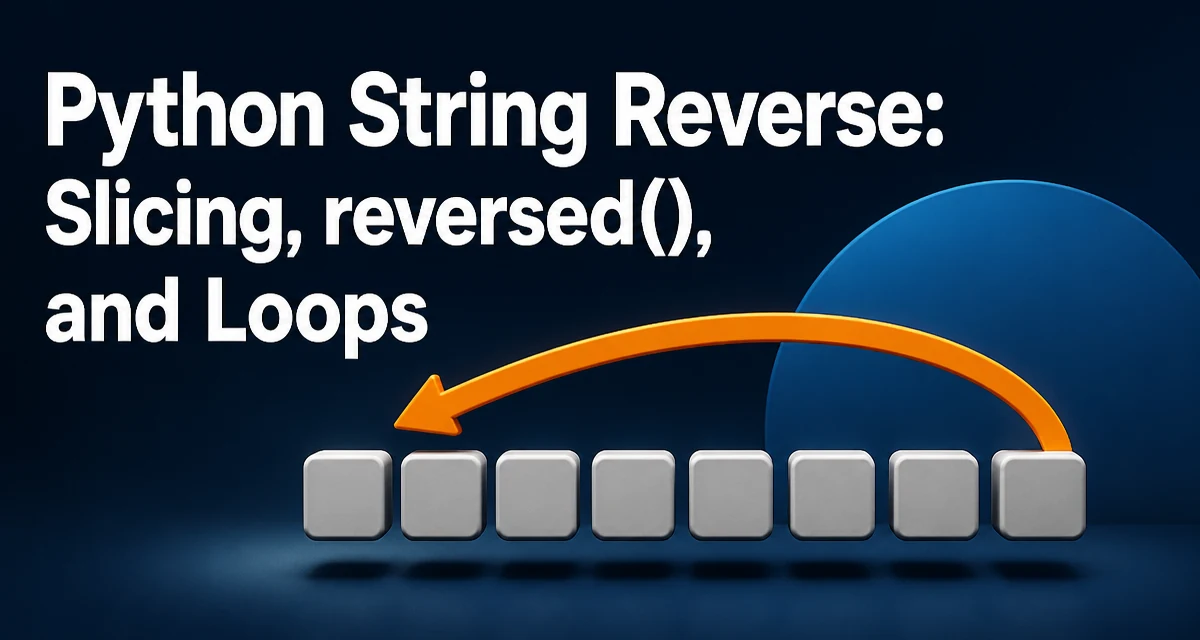
Python String Reverse: Slicing, reversed(), and Loops
python string reverse: Learn how to reverse a string in Python using slicing, reversed(), loops, and recursion, with practical guidance on performance and Unicode beha...
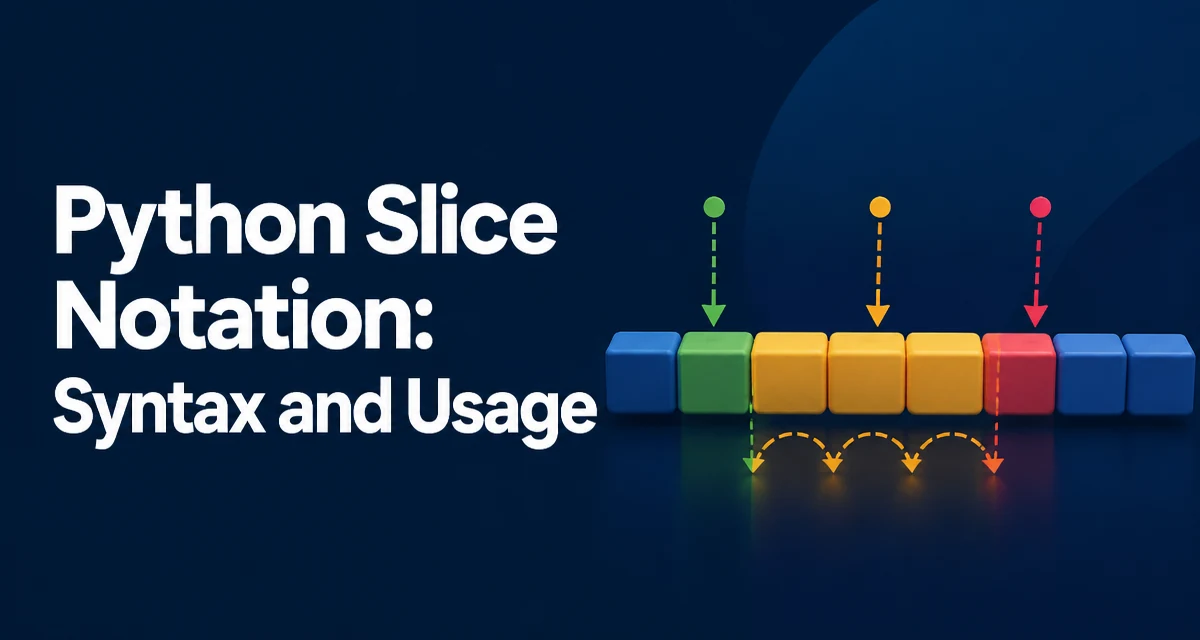
Python Slice Notation: Syntax and Usage
Learn how Python slice notation works for lists, strings, and other sequences, including step values, negative indices, and slice assignment.
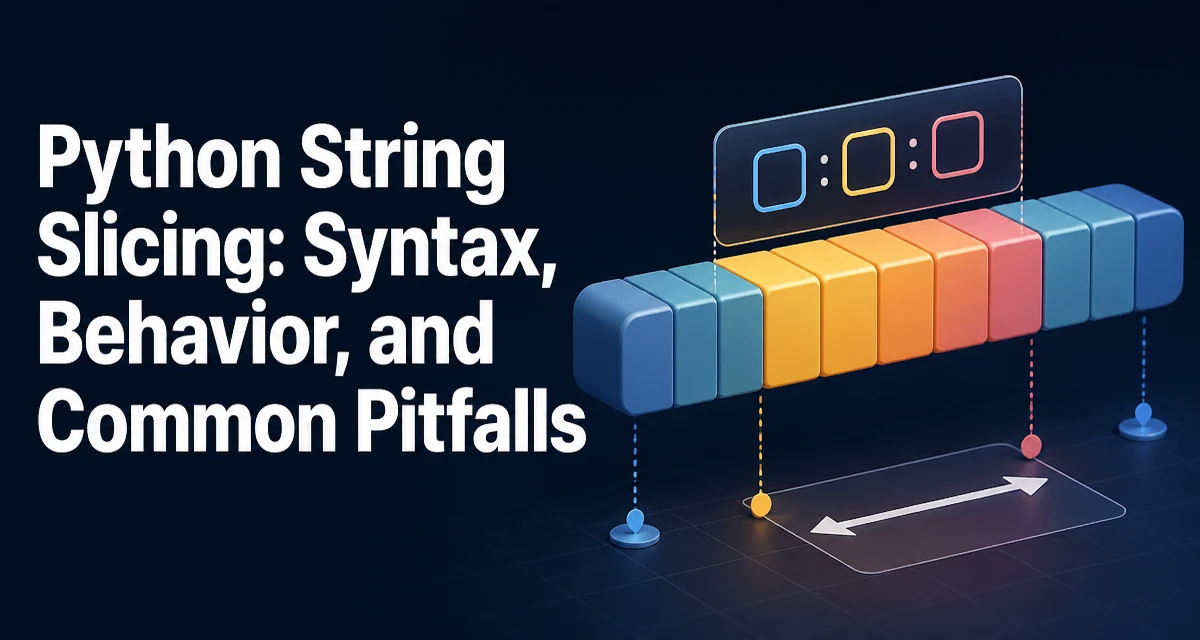
Python String Slicing: Syntax, Behavior, and Common Pitfalls
Learn how Python string slicing works: start, stop, step, negative indices, and common mistakes when extracting substrings.
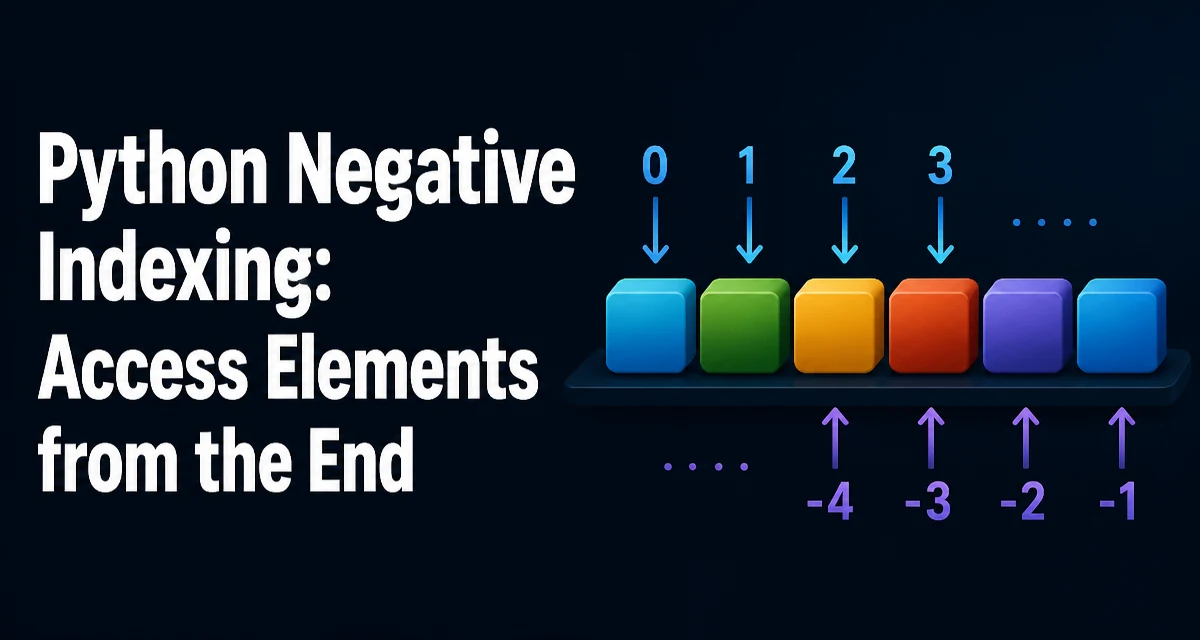
Python Negative Indexing: Access Elements from the End
Understand Python negative indexing to access elements from the end of sequences, avoid common pitfalls, and write cleaner code.
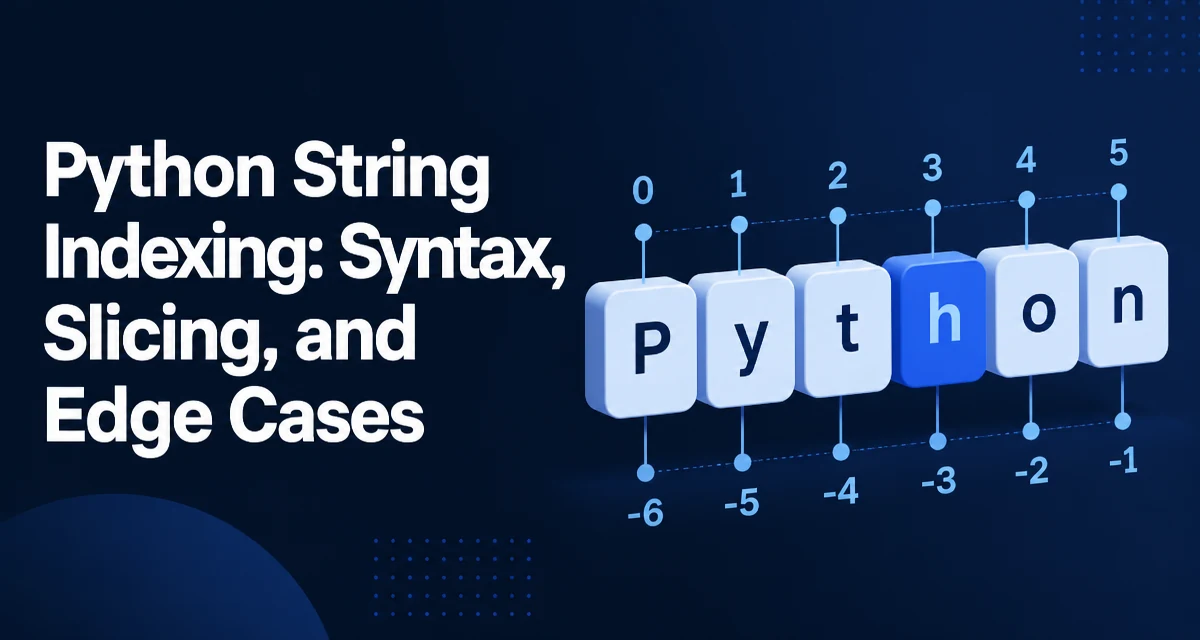
Python String Indexing: Syntax, Slicing, and Edge Cases
Understand how Python string indexing works: zero-based and negative positions, slicing, common errors, immutability, and performance trade-offs.
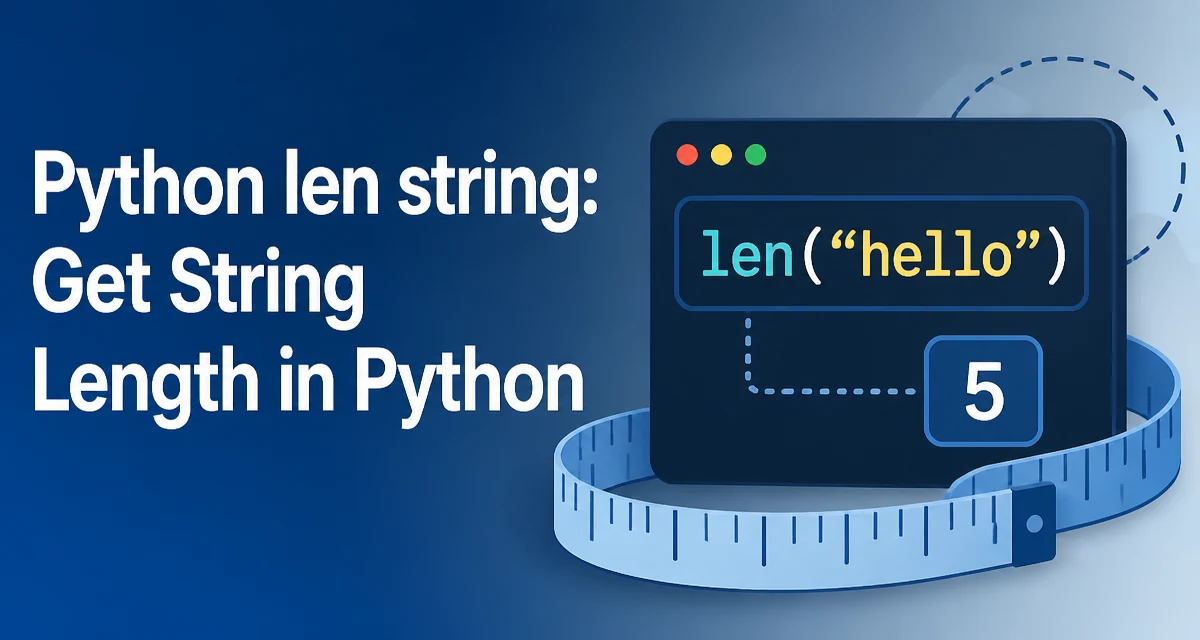
Python String Length: How to Use len()
Learn how to use Python's len() to get string length, handle Unicode correctly, and understand why it's O(1).
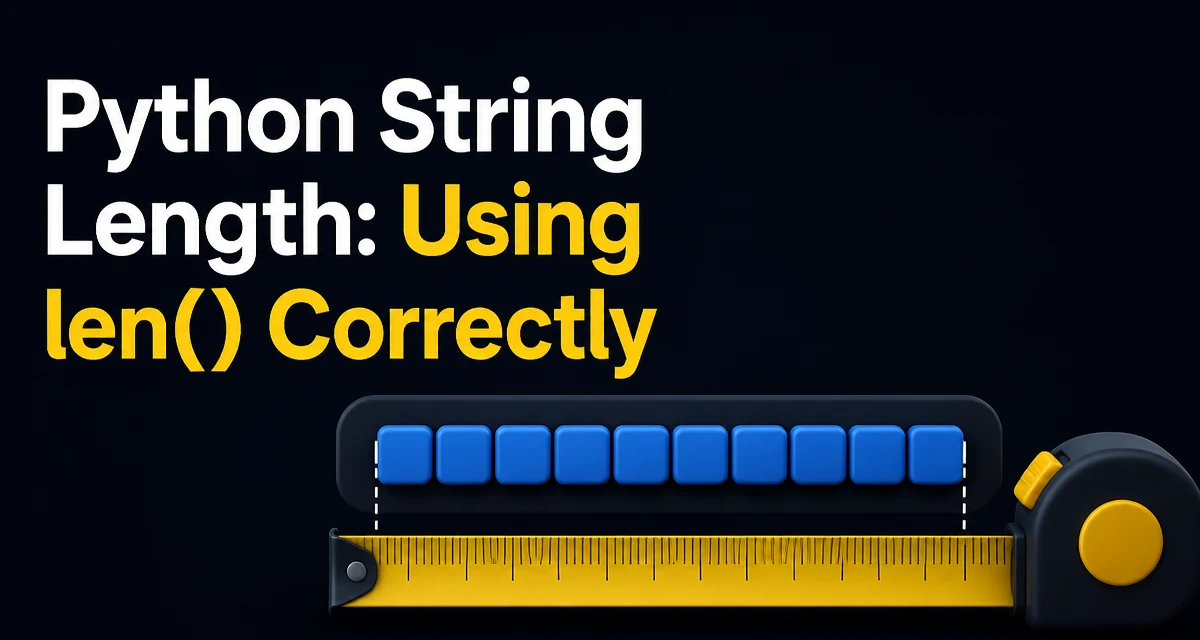
Python String Length: Using len() Correctly
python string length: Learn how to get the length of a string in Python with len(), including Unicode code points, performance, and common pitfalls.