Browse by Topic
Popular
Popular Posts
Latest
Latest Posts

Python List Constructor: How list() Works and When to Use It
Understand the Python list() constructor, its behavior with iterables, how it differs from list comprehensions, and the performance tradeoffs to consider.
Python List Literals: Syntax and Behavior
python list literal: Learn how Python list literals work — from basic syntax and nested lists to mutability, edge cases, and when to prefer literals over list().
Python Empty List: Creation, Checks, and Common Pitfalls
python empty list: Learn how to create empty lists in Python, check emptiness with truthiness, and avoid pitfalls like mutable default arguments and None confusion.
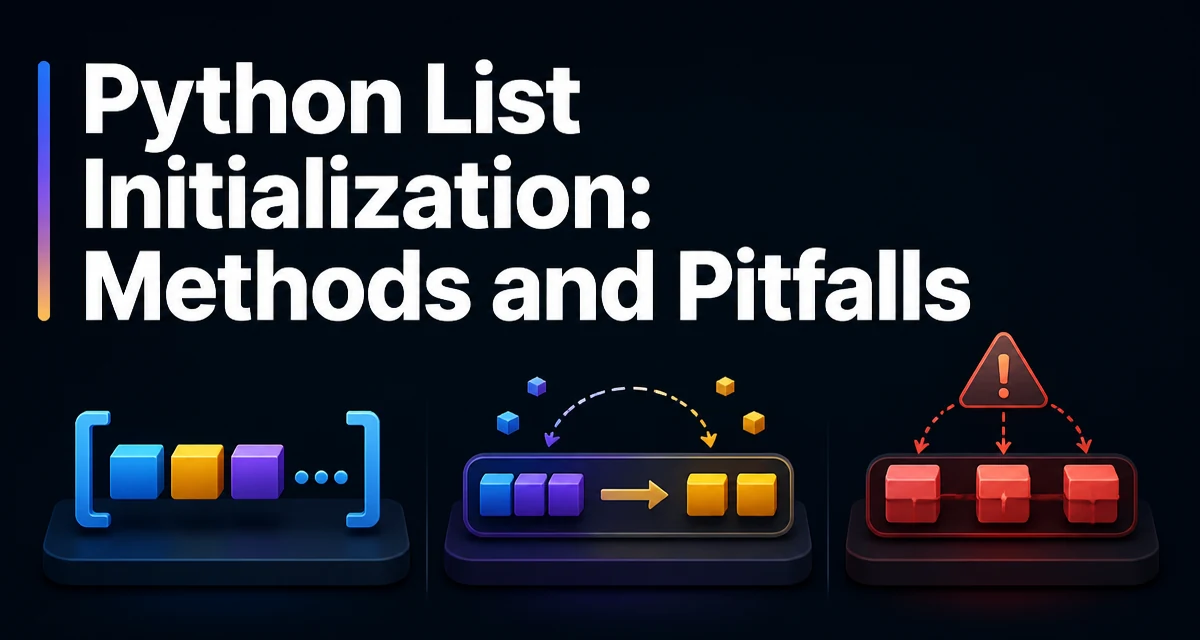
Python List Initialization: Methods and Pitfalls
Practical ways to initialize Python lists: literals, list(), comprehensions, and multiplication, plus the aliasing and performance pitfalls to avoid.
Python List Declaration: Syntax and Examples
python list declaration: Learn how to declare lists in Python using literal syntax, the list() constructor, type hints, and comprehensions, with practical examples and...
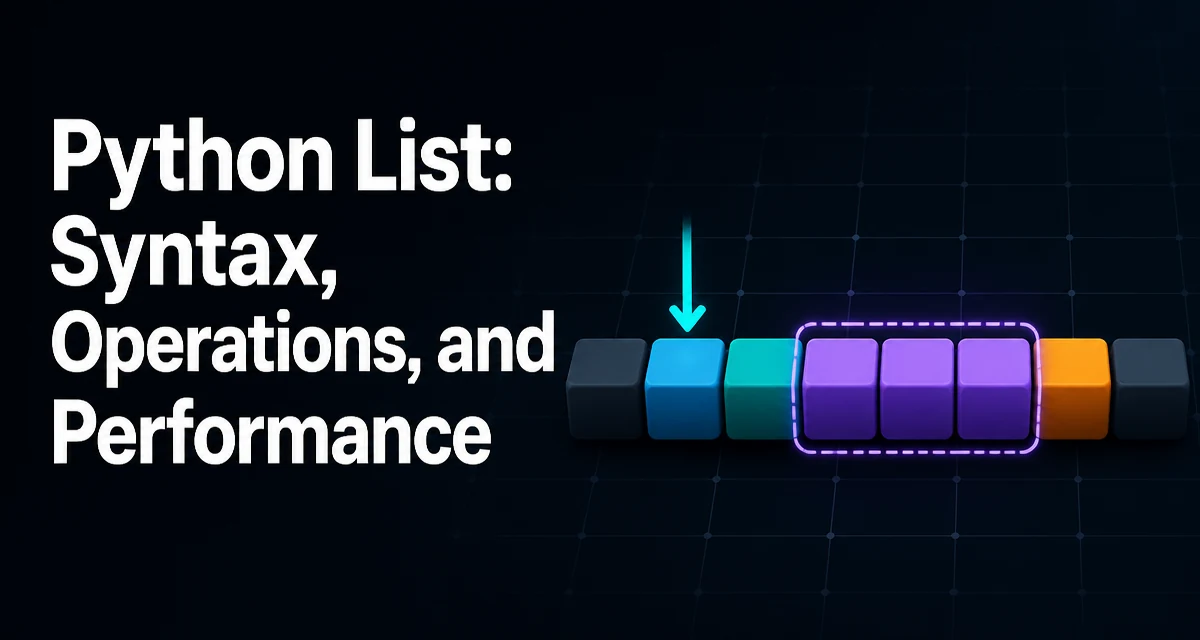
Python List: Syntax, Operations, and Performance
Learn how Python lists work, from basic operations to slicing, comprehensions, and the performance tradeoffs that matter in real applications.
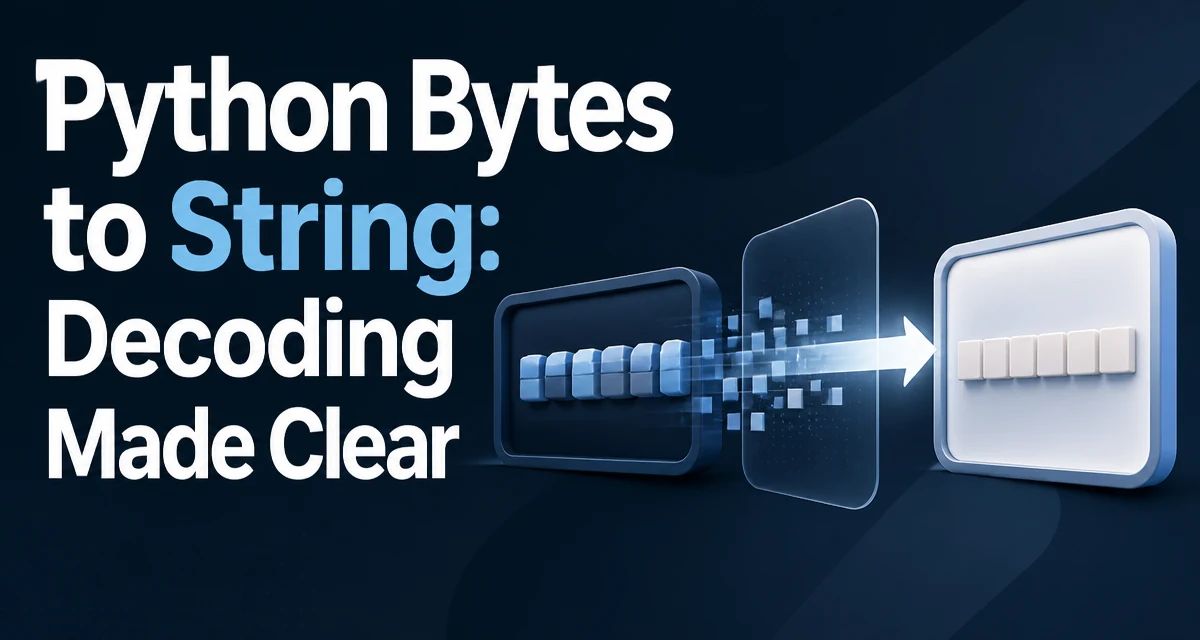
Python Bytes to String: Decoding Made Clear
python bytes to string: Learn how to convert bytes to string in Python using decode(), handle encoding errors, and avoid common pitfalls with files and network data.
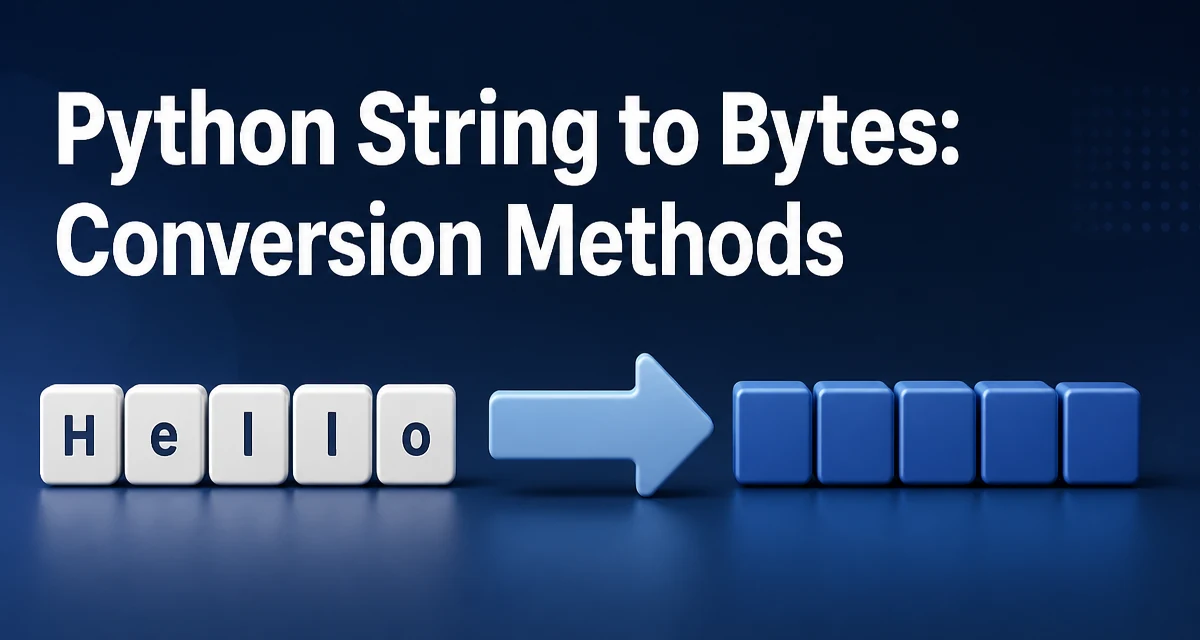
Python String to Bytes: Conversion Methods
Learn how to convert Python strings to bytes with encode() and bytes(), handle encoding errors, and choose the right approach for your data.
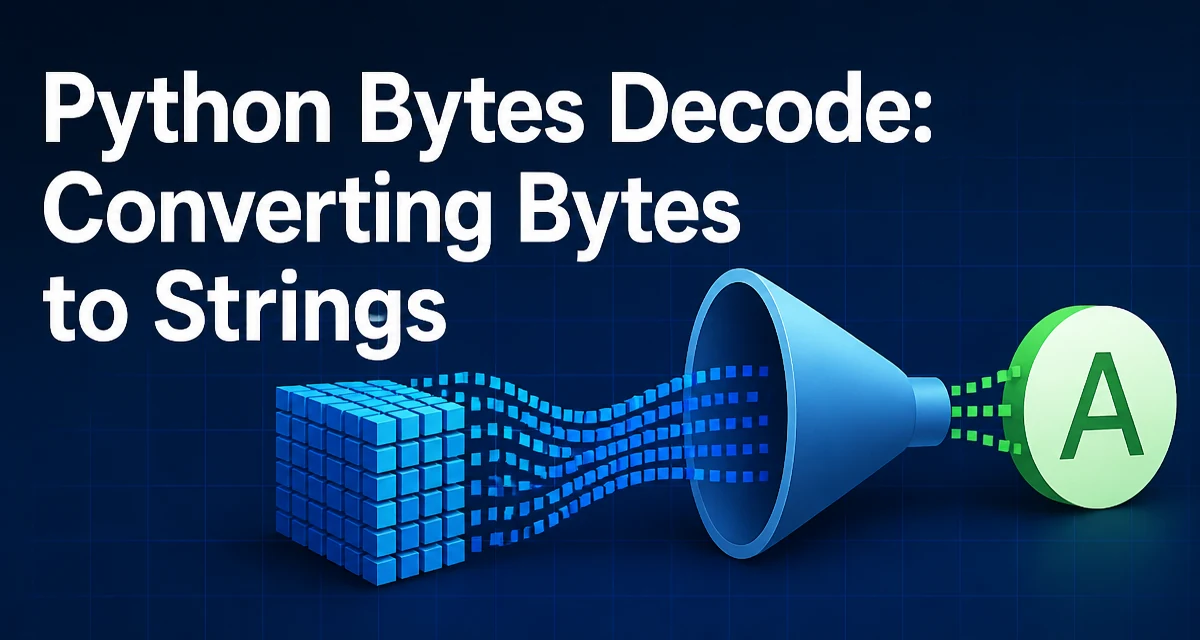
Python Bytes Decode: Converting Bytes to Strings
Learn how to convert Python bytes to strings using decode(), handle encoding errors, and choose the right codec for your data.
Python String Encode: Converting Strings to Bytes
Learn how Python's encode() method converts strings to bytes, handles encoding errors, and why choosing the right encoding matters for your data.