Browse by Topic
Popular
Popular Posts
Latest
Latest Posts
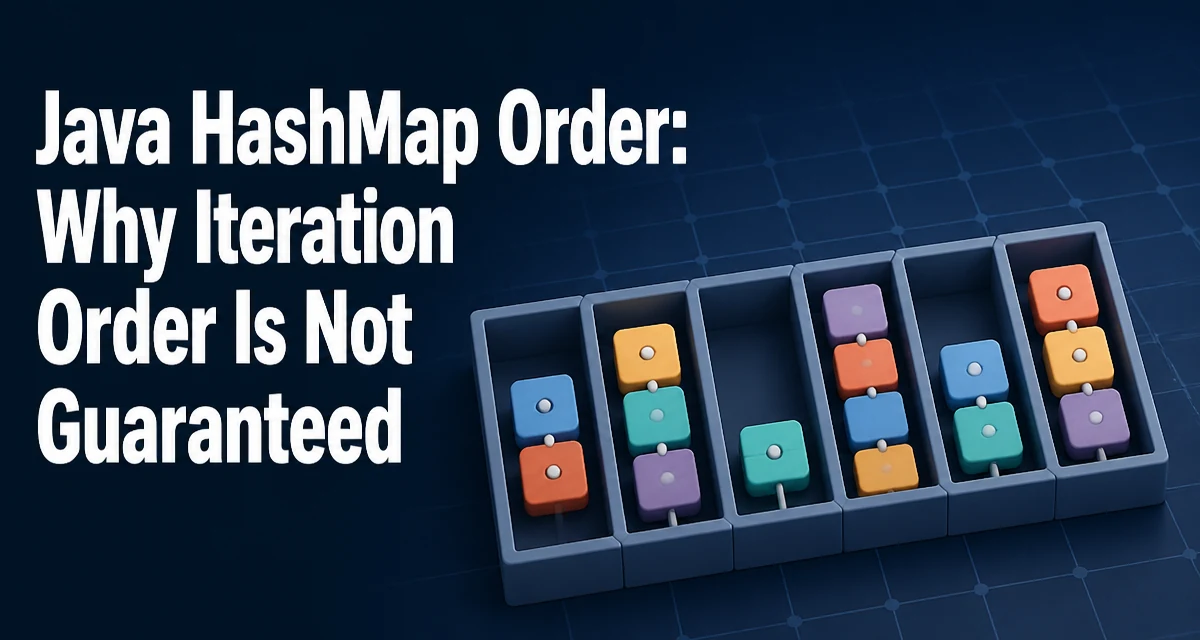
Java HashMap Order: Why Iteration Order Is Not Guaranteed
java hashmap order: Understand why HashMap does not guarantee iteration order, how hashing affects it, and when to use LinkedHashMap or TreeMap.
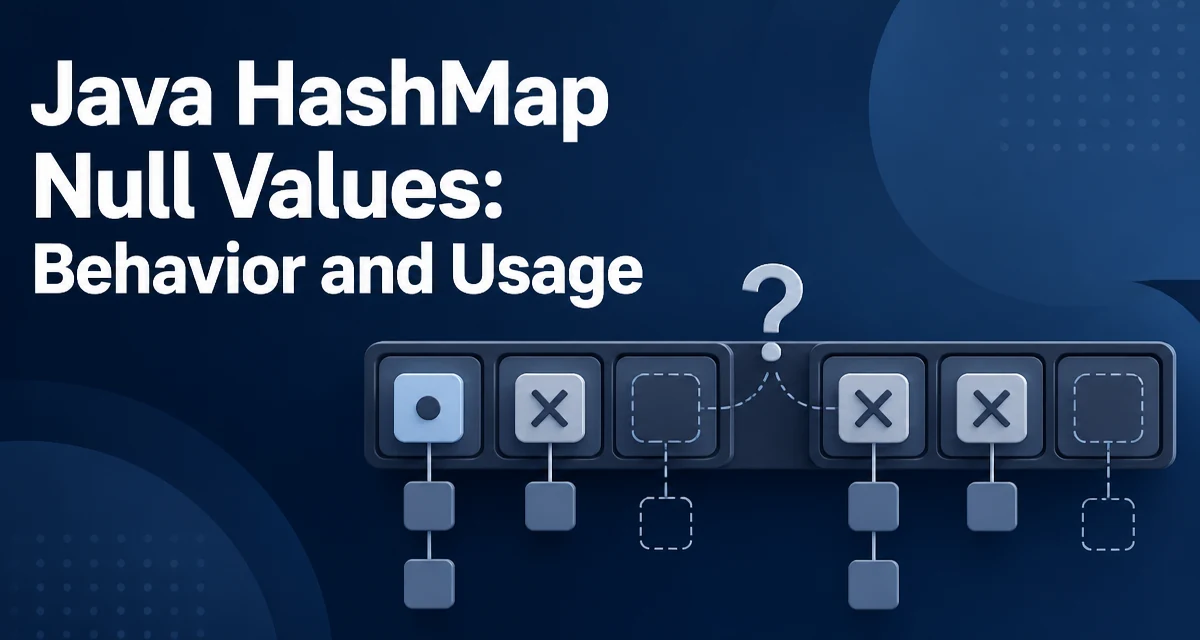
Java HashMap Null Values: Behavior and Usage
HashMap in Java allows one null key and many null values. See how to use null values safely, why get() can be ambiguous, and when containsKey() is required.
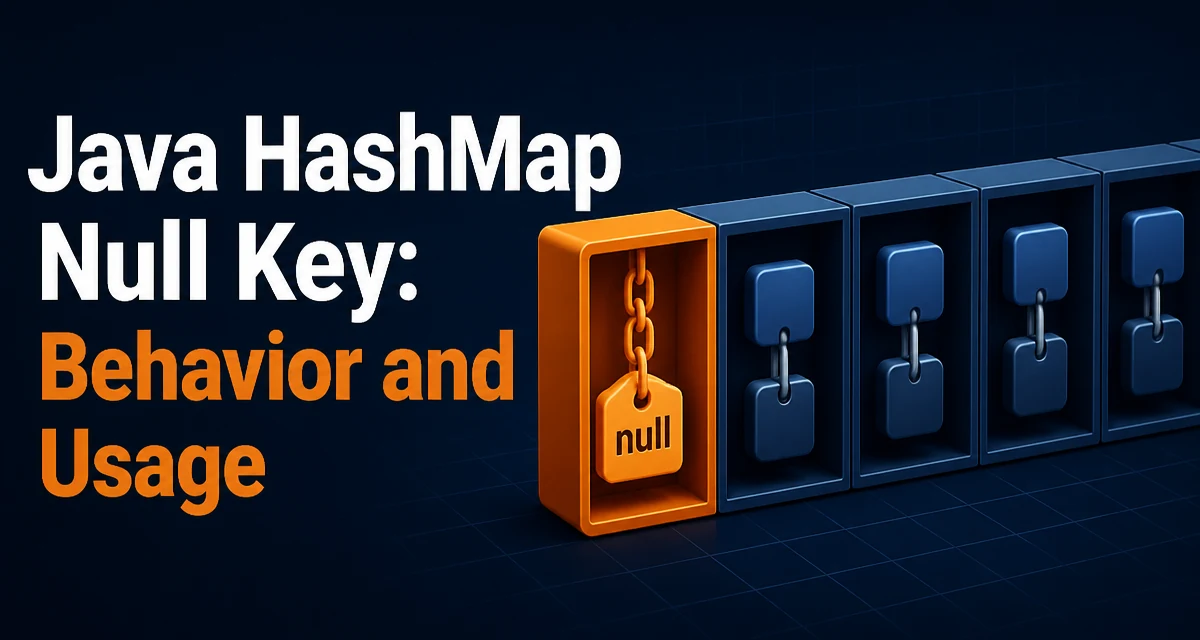
Java HashMap Null Key: Behavior and Usage
Java HashMap permits one null key. See how put, get, containsKey, and remove treat null keys, which Map implementations reject them, and when null keys should be avoided.
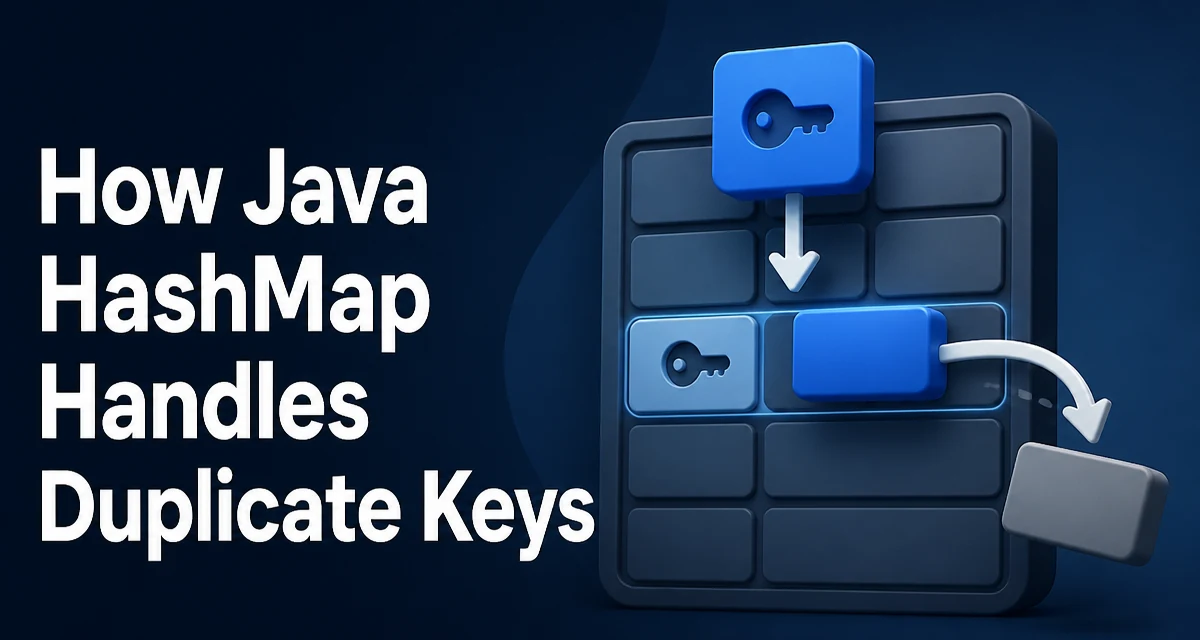
How Java HashMap Handles Duplicate Keys
java hashmap duplicate keys: Learn how Java HashMap handles duplicate keys: replacement behavior, putIfAbsent, multi-value maps, custom key equals/hashCode, and concur...
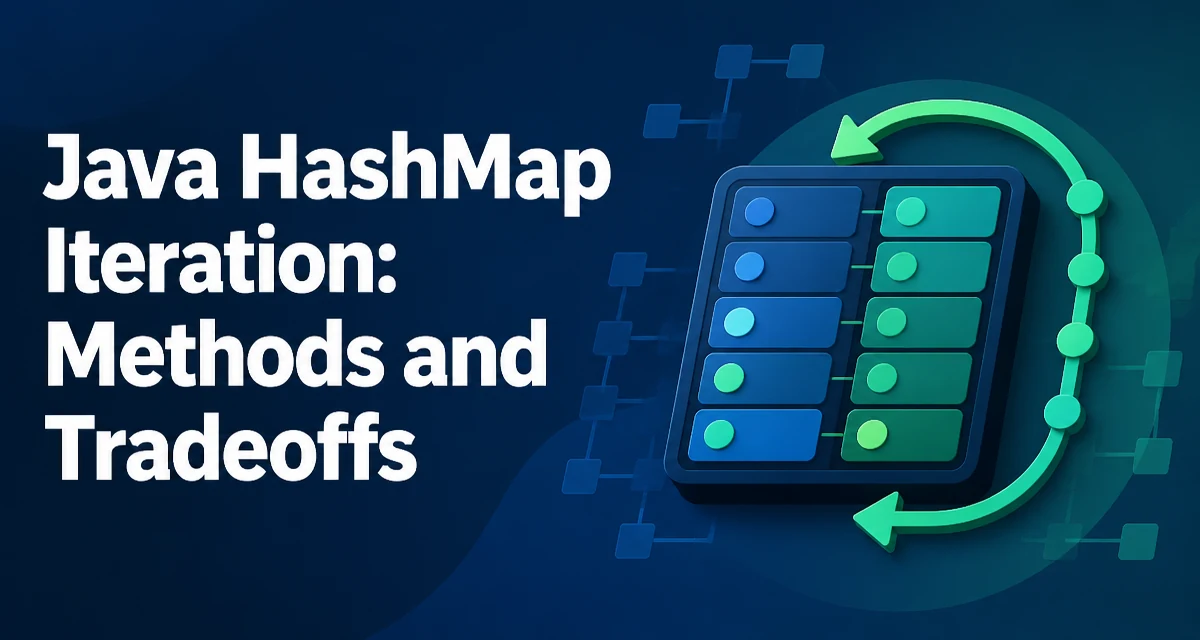
Java HashMap Iteration: Methods and Tradeoffs
Learn practical ways to iterate over a Java HashMap with entrySet, keySet, values, forEach, and streams, plus the performance and concurrency tradeoffs to consider.
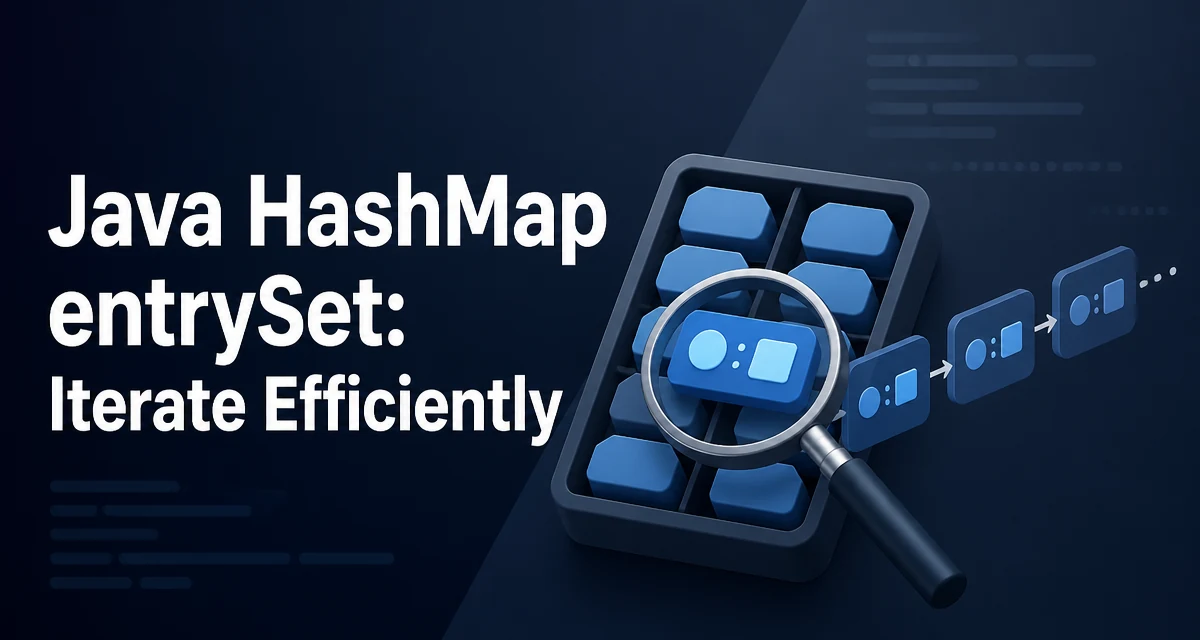
Java HashMap entrySet: Iterate Efficiently
Learn how to iterate over a Java HashMap with entrySet(). This guide covers for-each loops, safe removal with iterators, performance trade-offs, and common pitfalls.
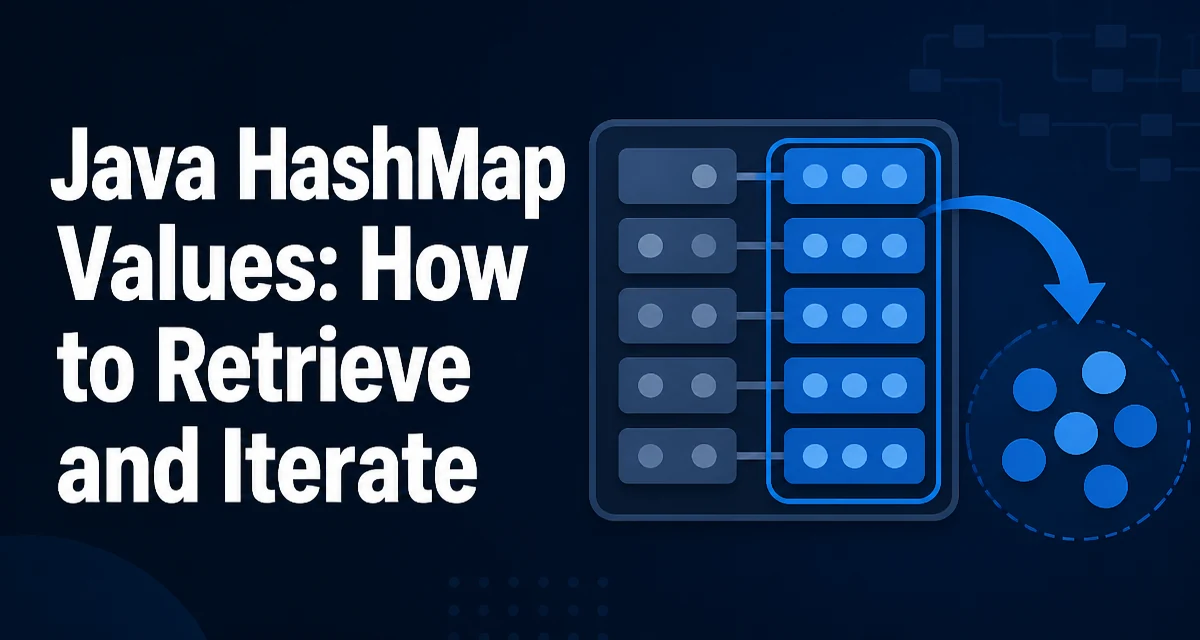
Java HashMap Values: How to Retrieve and Iterate
Retrieve, iterate, and update values in a Java HashMap, with null handling, performance tradeoffs, and safe iteration patterns.
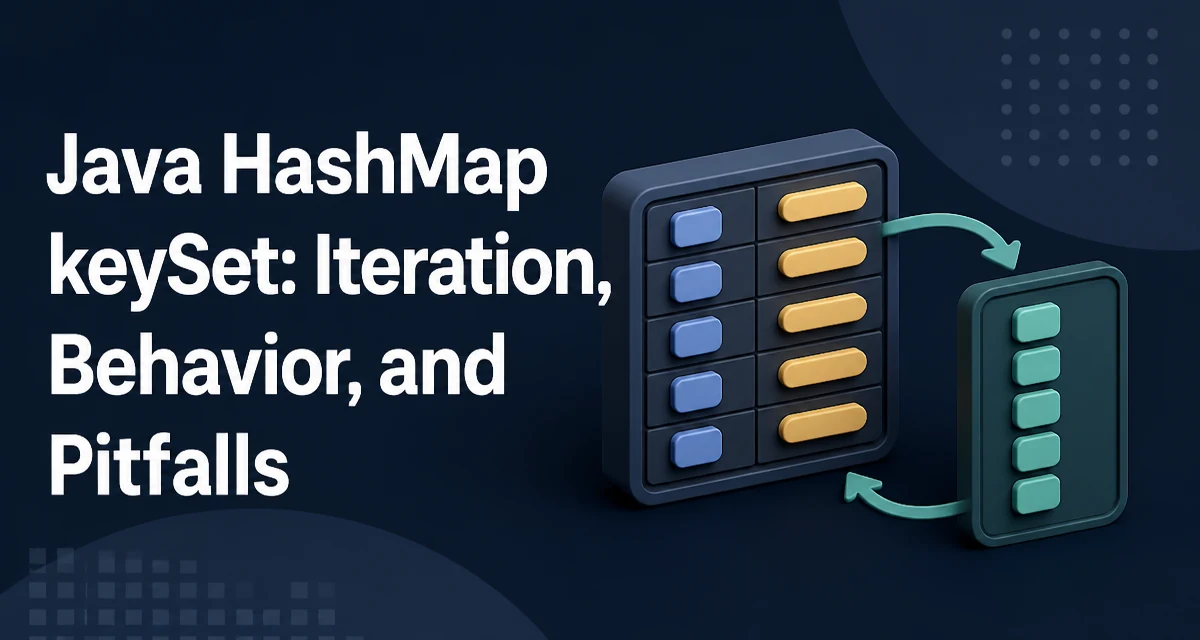
Java HashMap keySet: Iteration, Behavior, and Pitfalls
How HashMap.keySet() works: a live Set view of keys, safe iteration patterns, and performance and concurrency implications.
Java HashMap forEach: Iterate Entries, Keys, and Values
java hashmap foreach: Learn how to use Java HashMap forEach to iterate entries, keys, and values with lambdas, and compare it with traditional loops.

Java HashMap merge: Syntax and Use Cases
Learn how Java's HashMap.merge combines existing and new values, treats an existing null as absent, and simplifies counting and map-merging logic.