Browse by Topic
Popular
Popular Posts



Latest
Latest Python Posts

Python String splitlines: How to Split on Line Breaks
python string splitlines: Learn how Python's str.splitlines() splits strings at line boundaries, handles universal newlines, and differs from split() - with practical...

Python String rsplit: Splitting from the Right
Learn how Python's rsplit method splits strings from the right, including its maxsplit parameter, edge cases, and when to choose it over split.
Python String Split: Syntax, Behavior, and Edge Cases
Learn how to use Python's split() method: syntax, whitespace handling, maxsplit, multiple delimiters, and performance tradeoffs.
Python String Replace: Syntax and Usage
Learn how to use Python's `replace()` method, including the `count` parameter, case sensitivity, and when to use `re.sub` instead.

Python String Immutable: What It Means and Why It Matters
python string immutable: Understand why Python strings are immutable, how that affects memory and performance, and how to write efficient string-handling code.
Python String Reverse: Slicing, reversed(), and Loops
python string reverse: Learn how to reverse a string in Python using slicing, reversed(), loops, and recursion, with practical guidance on performance and Unicode beha...
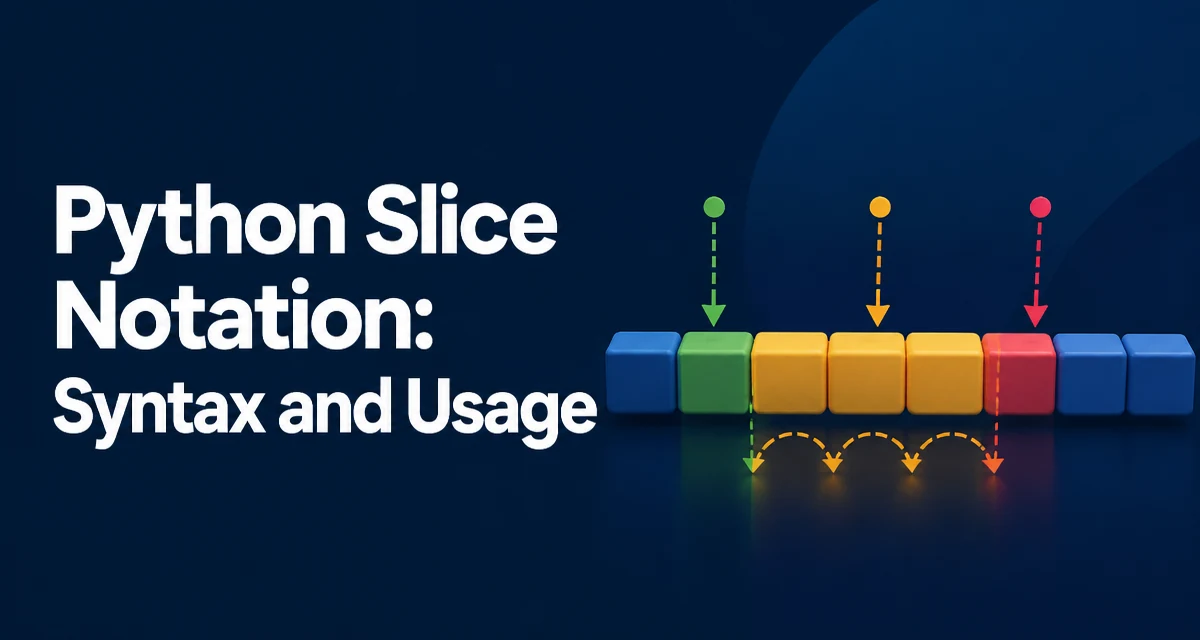
Python Slice Notation: Syntax and Usage
Learn how Python slice notation works for lists, strings, and other sequences, including step values, negative indices, and slice assignment.
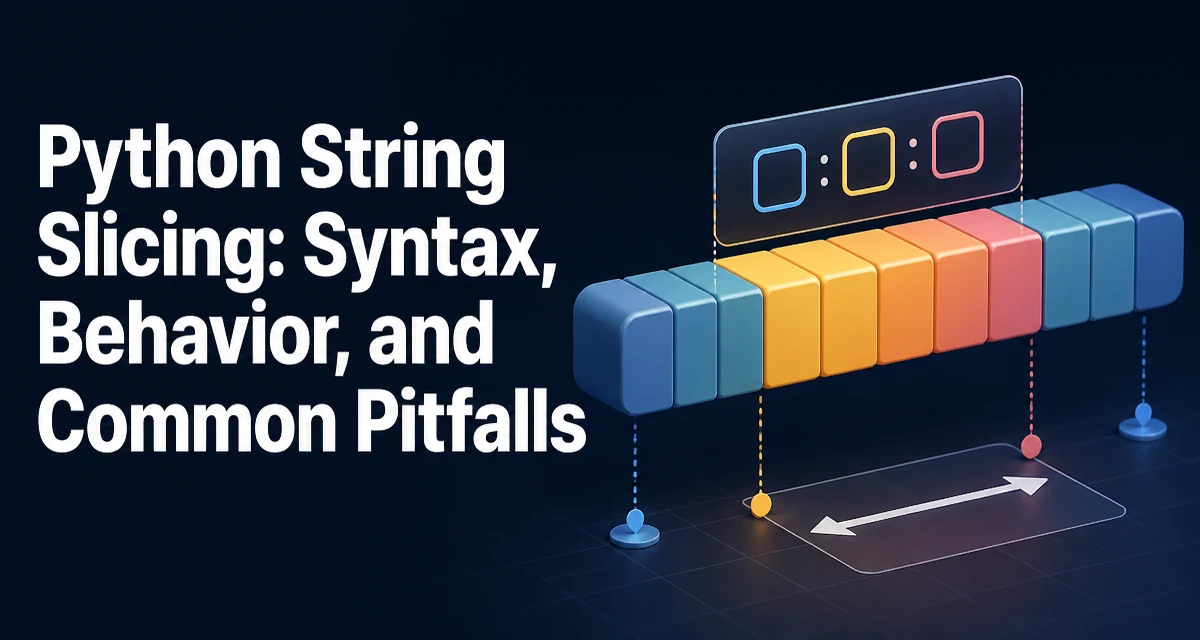
Python String Slicing: Syntax, Behavior, and Common Pitfalls
Learn how Python string slicing works: start, stop, step, negative indices, and common mistakes when extracting substrings.
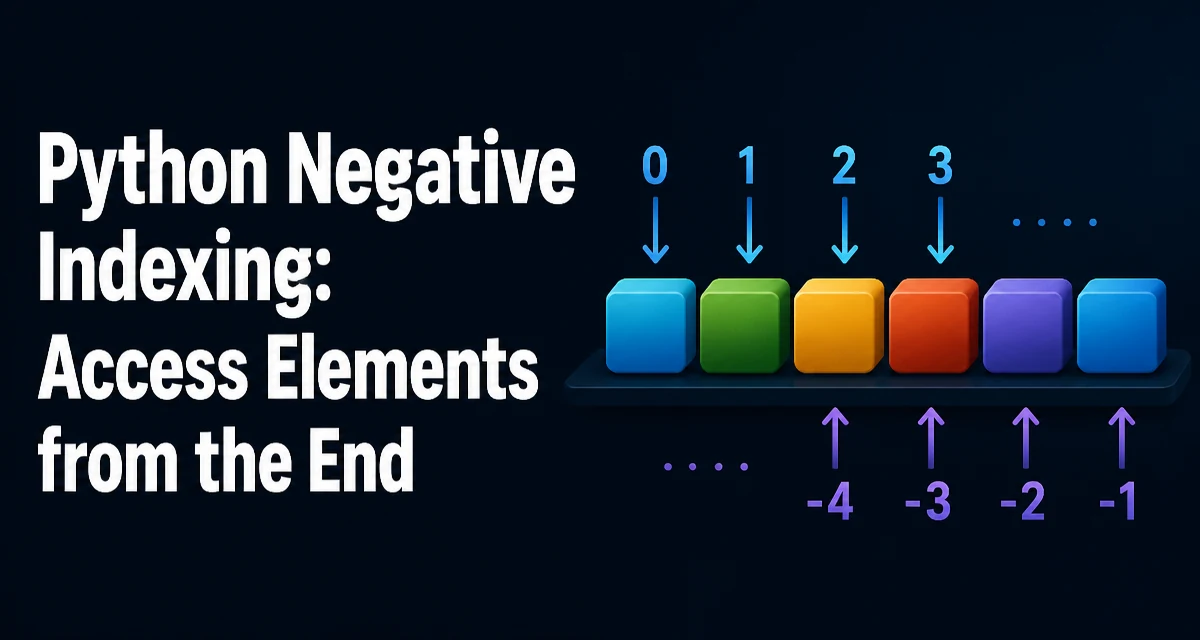
Python Negative Indexing: Access Elements from the End
Understand Python negative indexing to access elements from the end of sequences, avoid common pitfalls, and write cleaner code.
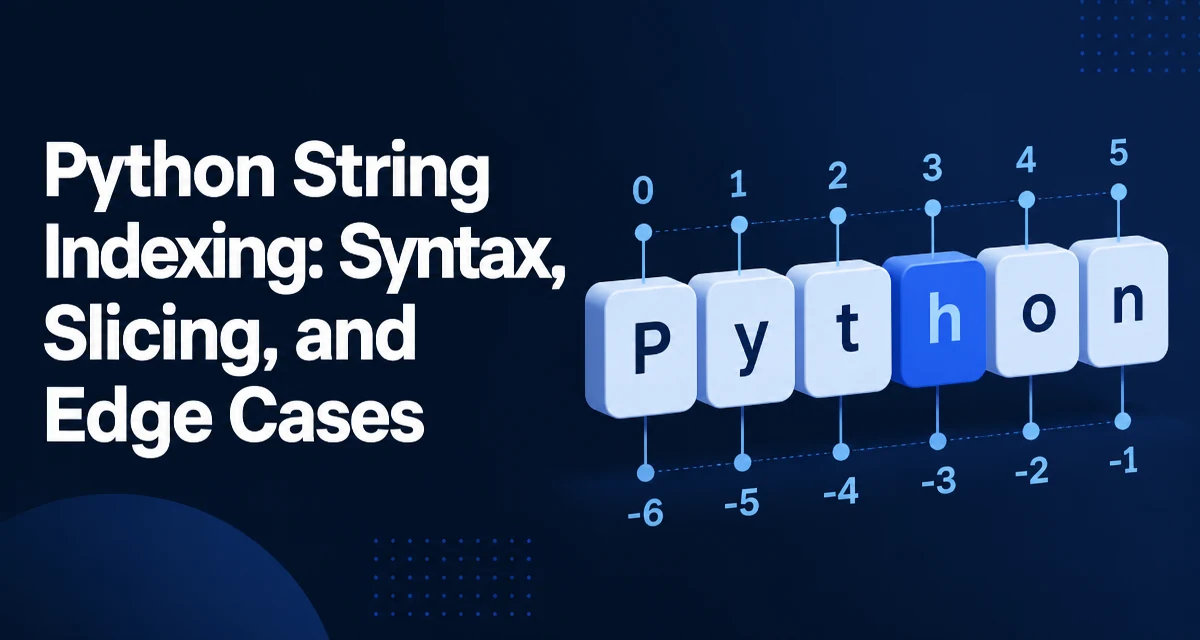
Python String Indexing: Syntax, Slicing, and Edge Cases
Understand how Python string indexing works: zero-based and negative positions, slicing, common errors, immutability, and performance trade-offs.