Browse by Topic
Popular
Popular Posts

Latest
Latest Posts
How to Overload the == Operator in C#
How to overload == in C# for classes and structs, including null-safe patterns and the companion methods you need.
C# Operator Overloading: Syntax and Usage
C# operator overloading lets you define how operators work for custom types. This guide covers overloadable operators, syntax rules, conversion operators, common pitfalls, and when operator overloading is the right design choice.
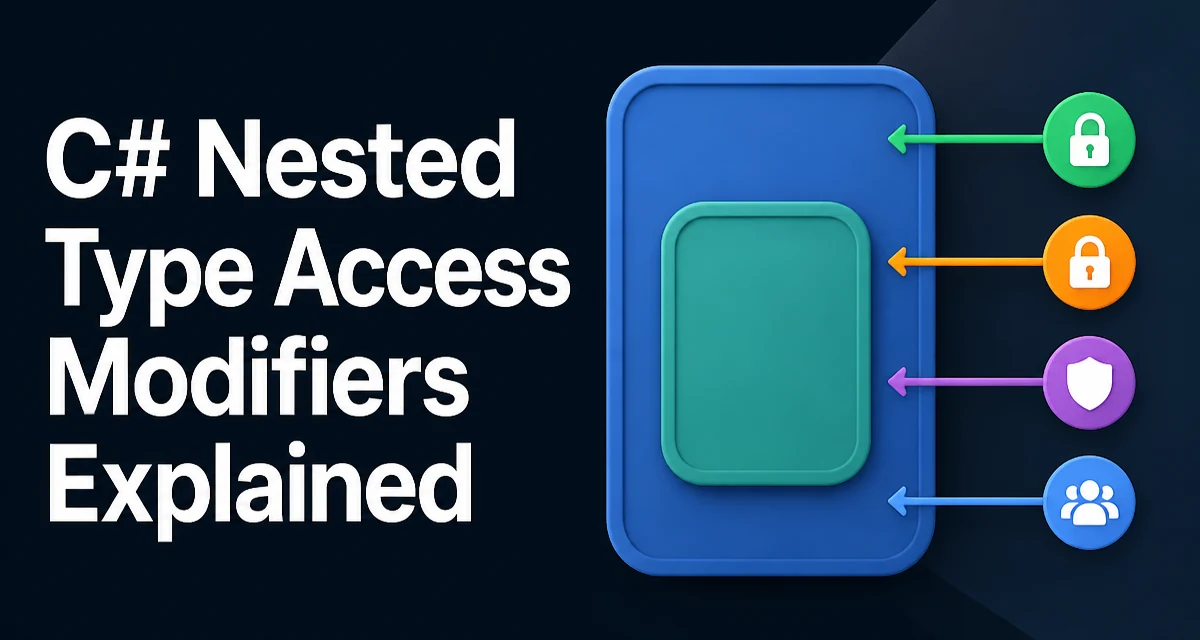
C# Nested Type Access Modifiers Explained
c# nested type access modifiers: Understand how access modifiers control visibility and encapsulation for nested types in C#, with practical examples and common scenario.
C# Nested Class: Usage, Scope, and Design Tradeoffs
c# nested class: Learn how to declare and use C# nested classes, understand their accessibility and lifetime, and decide when nesting is a design improvement.
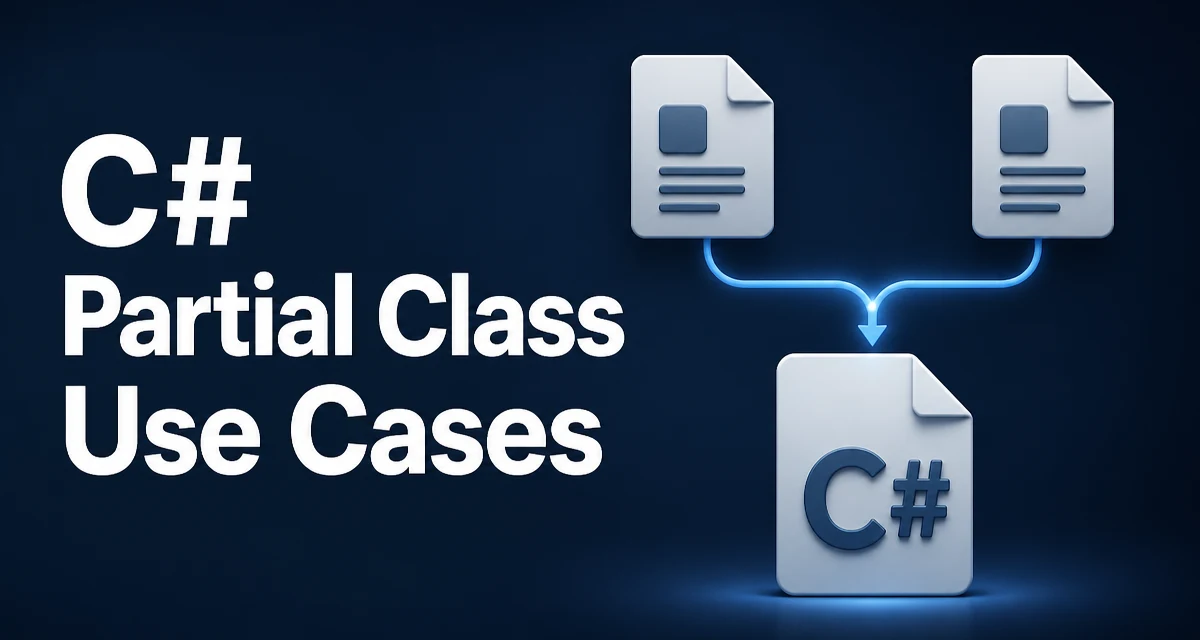
C# Partial Class Use Cases
Explore practical C# partial class use cases: splitting large types, separating designer-generated code, and improving team workflows, plus limitations to consider.
C# Partial Method Usage and Limitations
c# partial method: Explore C# partial methods: syntax, conditions for implementation, code generation usage, and common pitfalls for .NET developers.
Using C# Partial Classes in Real Projects
Learn how and when to use C# partial classes to split type definitions across files, organize code, and support source-generated code.
C# Namespace Conflict Resolution Techniques
c# namespace conflict resolution: Learn practical techniques for resolving C# namespace conflicts: using aliases, fully qualified names, and understanding compiler res...
C# Nested Namespaces: Syntax, Layout, and Use
Learn how to declare nested namespaces in C#, manage using directives and aliases, and organize code with practical examples and layout guidance.
C# File-Scoped Namespaces Explained
Learn how file-scoped namespaces in C# 10 reduce indentation and simplify source layout, and when to choose them over block-scoped namespaces.