All syntax guides
Short, practical guides on programming syntax, language fundamentals, and the tools developers reach for every day.
3,965 guides across 14 topics
Topics
Popular guides
Most read


Latest guides
Page 364 of 397
C# List Sort: List.Sort vs LINQ OrderBy
Learn how to sort a List<T> in C# using List.Sort and LINQ OrderBy, including custom comparers, multiple-key sorting, and performance tradeoffs.
C# List Exists: How to Check for Elements
Learn how to check whether an item exists in a C# List using Contains, Exists, and LINQ Any, including equality and performance behavior.
C# List FindIndex: Locating Elements by Predicate
Learn how to use `List<T>.FindIndex` in C# to locate the first element matching a predicate, handle `-1` when nothing matches, and choose among `FindIndex`, `IndexOf`, and LINQ.
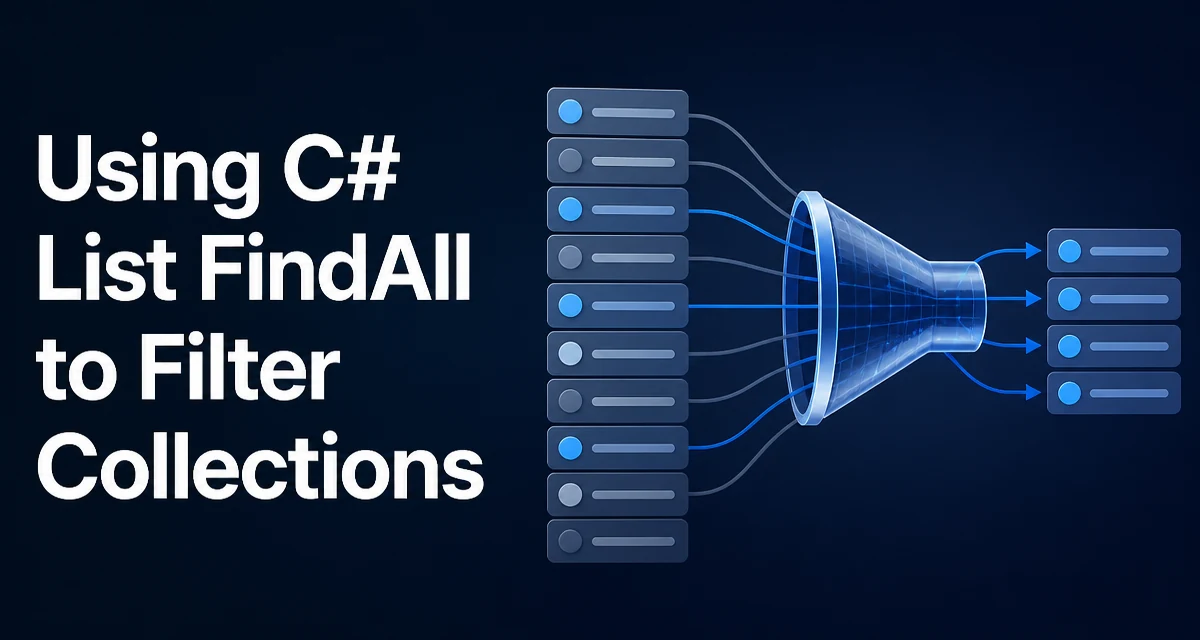
Using C# List FindAll to Filter Collections
Learn how to filter a List<T> with FindAll and Predicate<T> in C#, including syntax, examples, and how it compares with LINQ Where.
C# List Find: Using Predicates to Locate Elements
Learn how to use C# List<T>.Find with predicates, handle missing elements, and decide when to prefer LINQ alternatives.
C# List IndexOf: Locating Elements in a List
Learn how to use List.IndexOf in C# to find element positions, handle missing items, and choose between IndexOf and FindIndex.
C# List Contains: Checking for Elements in a List
Learn how List<T>.Contains works in C#, how equality is determined for value and reference types, and when HashSet is more efficient for membership checks.
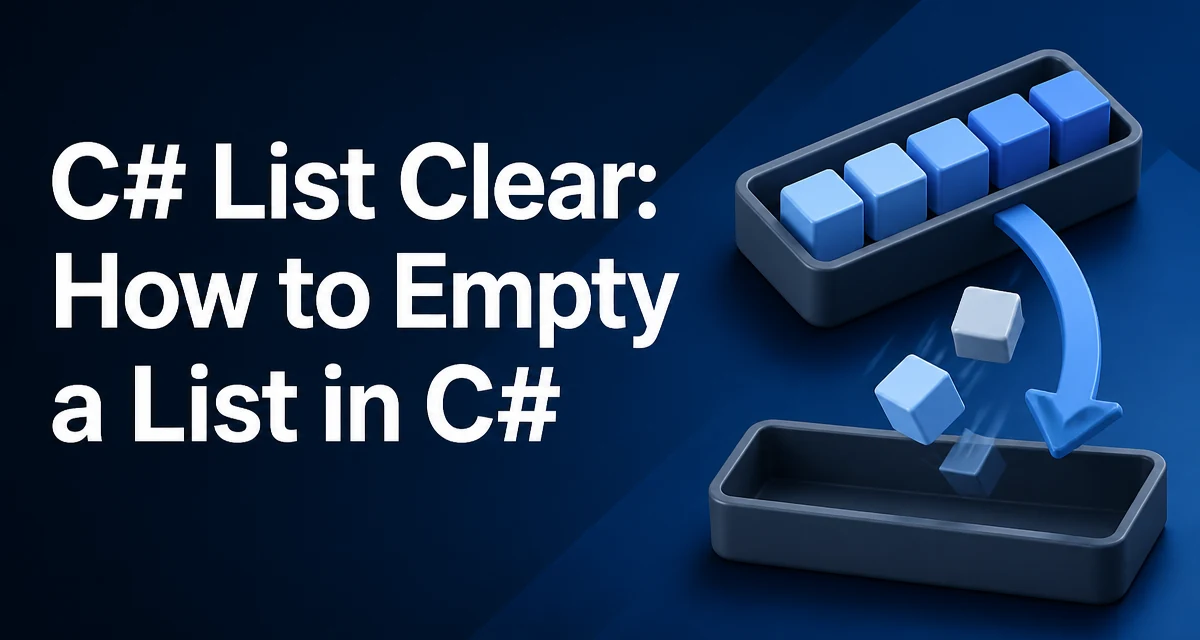
C# List Clear: How to Empty a List in C#
c# list clear: Learn how to use List<T>.Clear() to remove all elements from a C# list, including performance implications, alternatives, and common pitfalls.
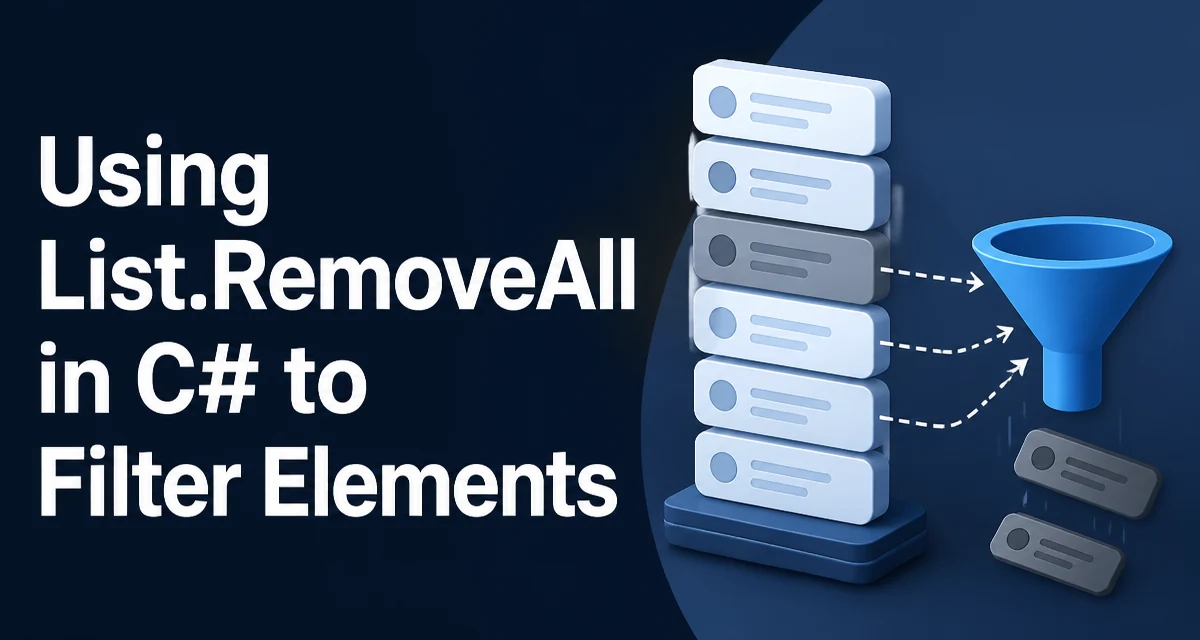
Using List.RemoveAll in C# to Filter Elements
Learn how to use List<T>.RemoveAll in C# with predicates, including runtime behavior, performance tradeoffs, and alternatives.
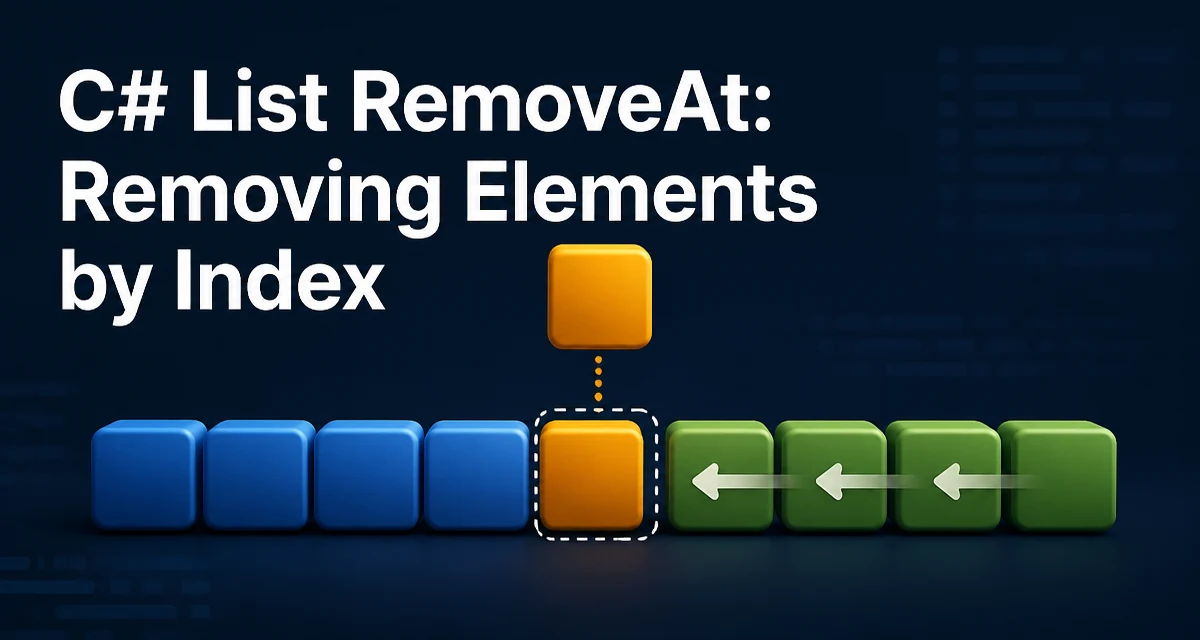
C# List RemoveAt: Removing Elements by Index
Learn how List<T>.RemoveAt works in C#, including its performance characteristics, common pitfalls, and when to use alternatives.