All syntax guides
Short, practical guides on programming syntax, language fundamentals, and the tools developers reach for every day.
3,965 guides across 14 topics
Topics
Popular guides
Most read



Latest guides
Page 385 of 397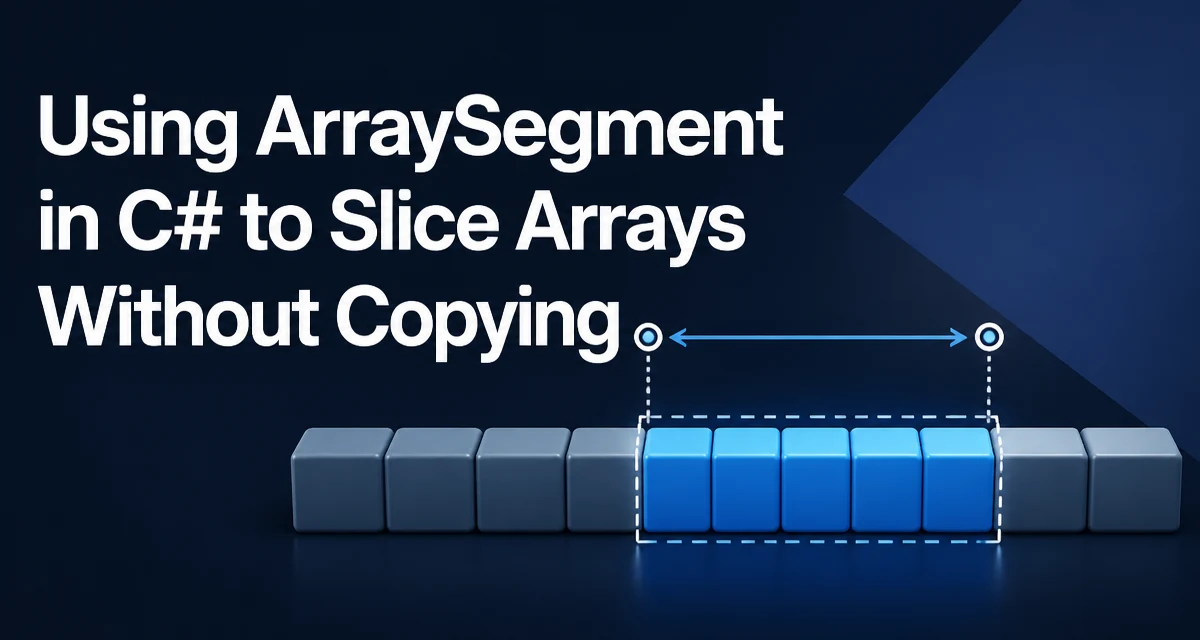
Using ArraySegment in C# to Slice Arrays Without Copying
ArraySegment<T> in C#: wrap part of an array without copying, read Offset and Count, pass slices to methods, and see where Span<T> is the better choice.

C# Array vs List: Choosing the Right Collection Type
c# array vs list: Compare C# arrays and List<T> for fixed-size and dynamic collections, covering memory, performance, API differences, and when each type fits best.
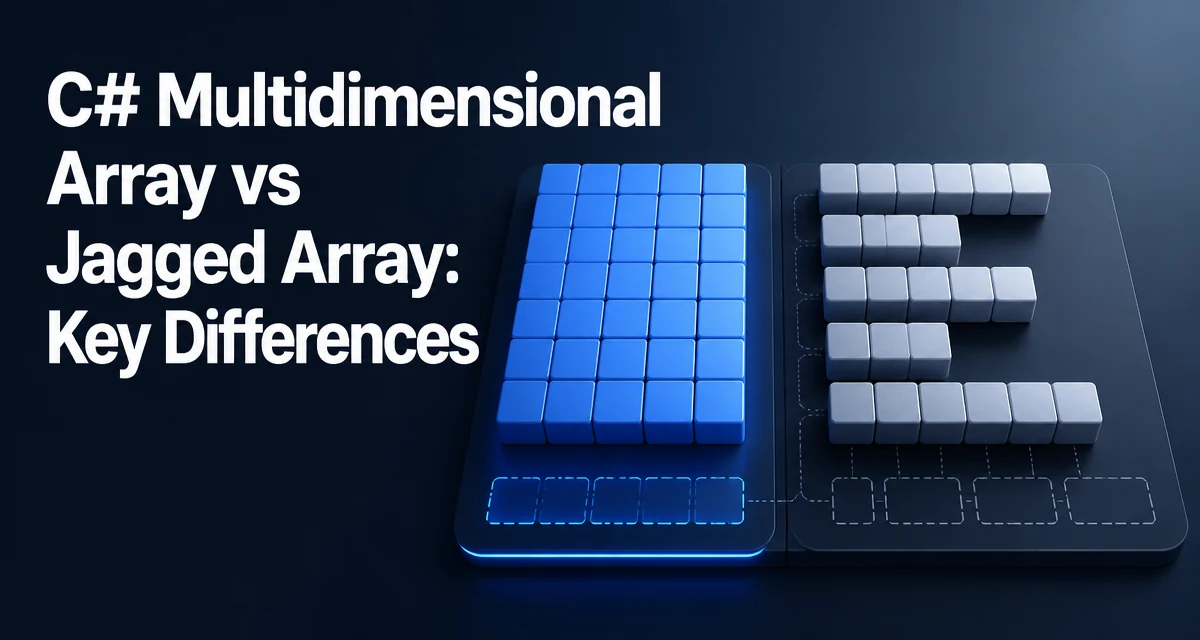
C# Multidimensional Array vs Jagged Array: Key Differences
Compare C# multidimensional and jagged arrays: syntax, memory layout, performance, and when to choose each for your code.

C# Jagged Array: Syntax, Usage, and Performance
C# jagged array: Learn how to declare, initialize, and iterate C# jagged arrays, understand their memory layout, and see when they outperform multidimensional arrays.
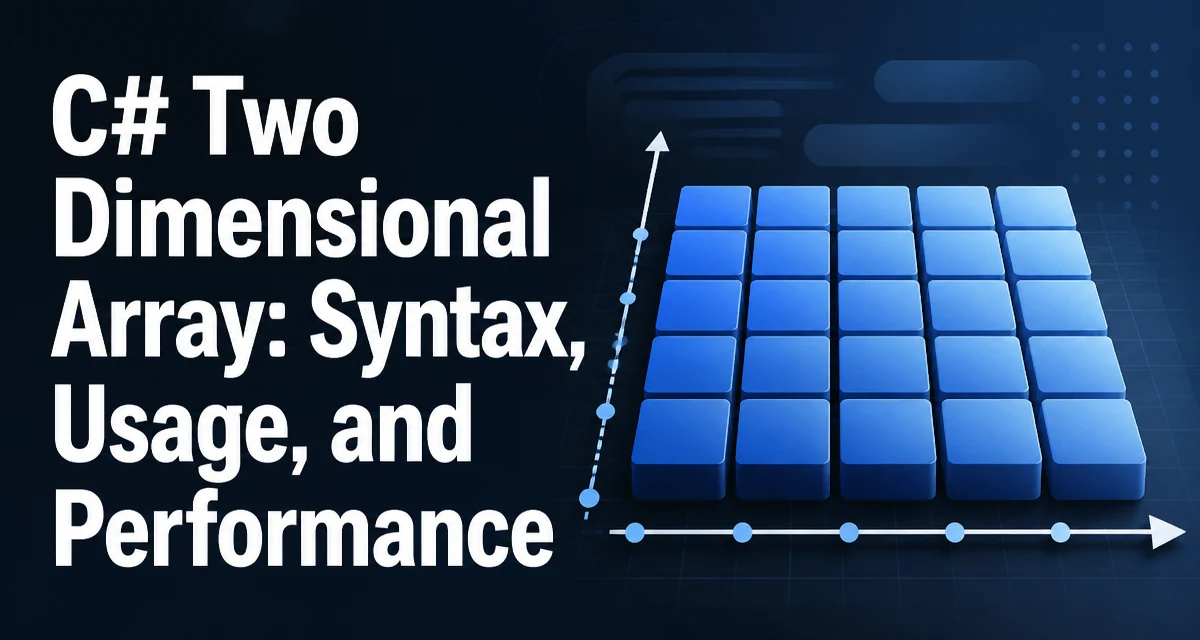
C# Two-Dimensional Array: Syntax, Usage, and Performance
Learn how to declare, initialize, and access two-dimensional arrays in C#. Compare multidimensional and jagged arrays, and understand performance trade-offs.
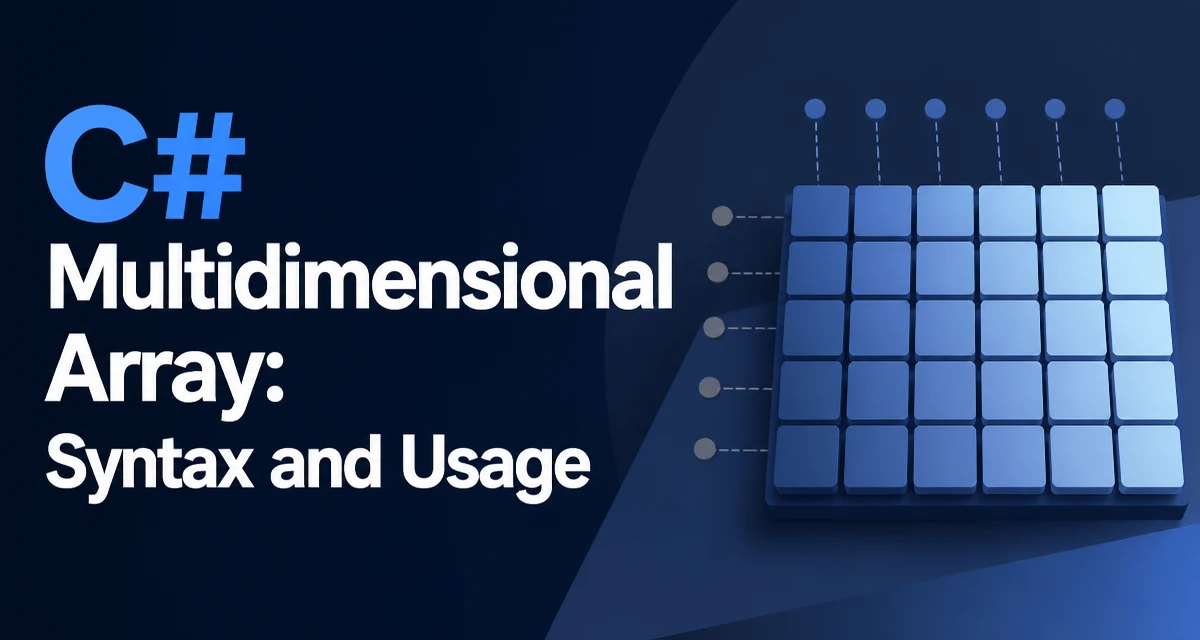
C# Multidimensional Array: Syntax and Usage
Learn how to declare, initialize, and iterate C# multidimensional arrays, including rectangular vs jagged arrays and performance tradeoffs.

C# Array Contains: Methods and Performance
Learn how to check whether a C# array contains a value using LINQ Contains, Array.IndexOf, and manual loops, with performance and edge-case considerations.

C# Array IndexOf: Find Element Positions
Learn how to use C# Array.IndexOf to find element positions, handle missing values, and compare it with LINQ alternatives.

C# Search Array: IndexOf, Find, and LINQ
Learn how to search arrays in C# using IndexOf, Find, FindIndex, and LINQ, and understand when each approach fits best.
C# Array Reverse Method: Usage and Overloads
Learn how to use C#'s Array.Reverse method: its overloads, in-place behavior, range reversal, performance tradeoffs, and when LINQ's Reverse is a better fit.