Browse by Topic
Popular
Popular Posts


Latest
Latest Posts
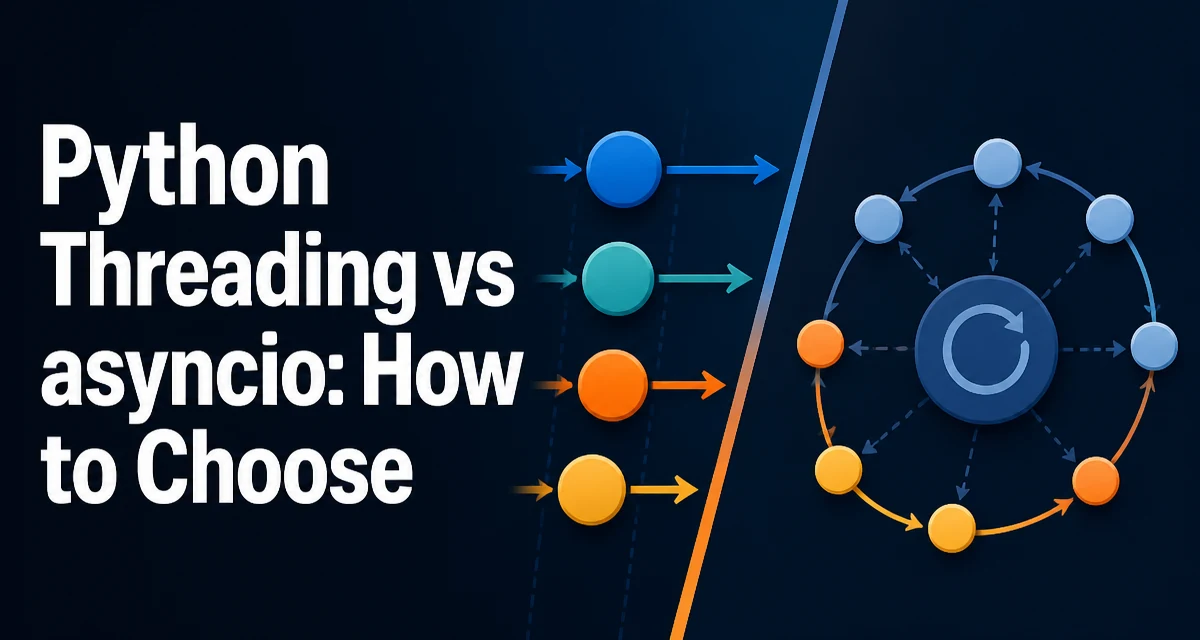
Python Threading vs asyncio: How to Choose
python threading vs asyncio: Understand the practical differences between Python threading and asyncio, and how to choose the right model for I/O-bound and CPU-bound w...

Python Thread vs Process: A Practical Comparison
Understand the practical differences between Python threads and processes: the GIL, memory overhead, startup costs, and when to use each for CPU-bound and I/O-bound workloads.

Frozen Dataclass vs NamedTuple in Python: Which to Choose?
Frozen dataclasses and namedtuples are both useful immutable data containers in Python. This article compares their syntax, immutability, type hints, defaults, methods, performance, and the best situations for each.

Python Tuple vs Namedtuple: When to Use Each
Compare Python's tuple and namedtuple to decide which fits your data structure, covering memory, readability, and when each type is the right choice.

Python Decorator vs Context Manager: Key Differences
Understand the differences between Python decorators and context managers, when to use each, and how to combine them for cleaner resource handling.

Python try except vs if: When to Use Each
Learn when to use try/except vs if in Python for error handling, with practical guidance on performance, clarity, and maintainability.
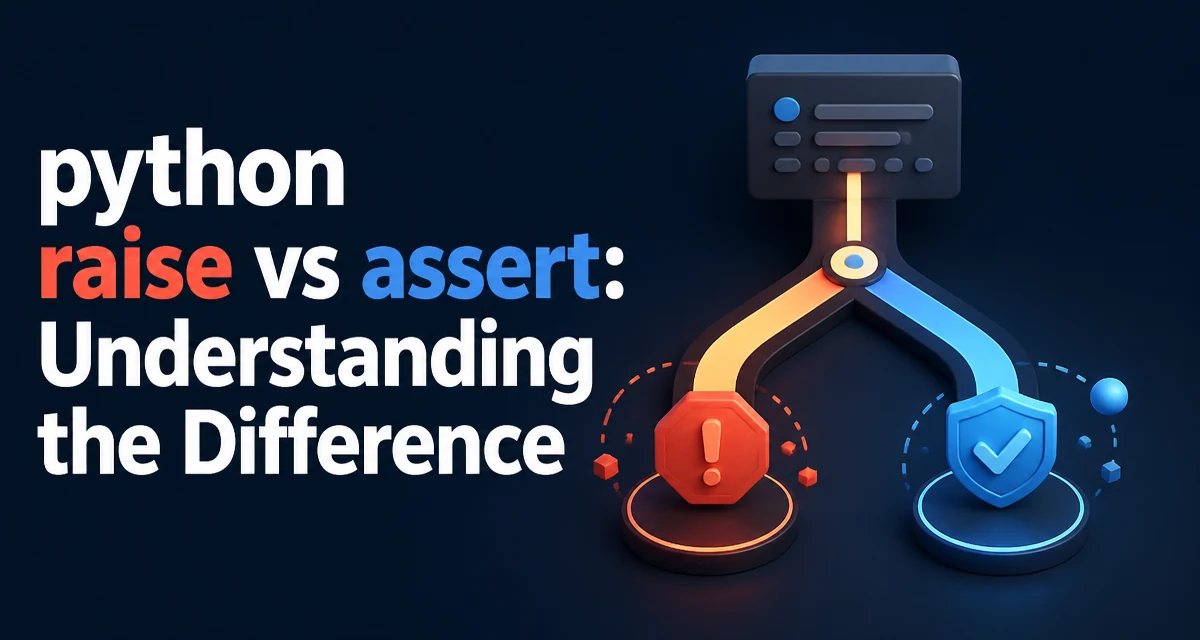
python raise vs assert: Understanding the Difference
python raise vs assert: Learn the difference between Python's raise and assert statements, when to use each, and how the -O flag affects assertions.

Python Exception vs BaseException: Key Differences
python exception vs baseexception: Understand the difference between Python's Exception and BaseException classes, when to catch each, and how to handle system-level e...

Python List Copy vs Deepcopy: Key Differences
Understand the difference between shallow and deep copies of Python lists, when to use copy() vs deepcopy(), and how nested structures behave.

Python Hashable vs Immutable: The Real Difference
Python hashable vs immutable explained: understand why immutability usually leads to hashability, where the exceptions are, and how to use hashable types safely in dicts and sets.