All syntax guides
Short, practical guides on programming syntax, language fundamentals, and the tools developers reach for every day.
3,980 guides across 14 topics
Topics
Popular guides
Most read



Latest guides
Page 332 of 398
C# Dynamic vs Var: Type Safety and Runtime Behavior
C# dynamic vs var: Understand the real differences between compile-time type inference and runtime binding, including performance costs, error handling, and when to choose each.

c# dynamic vs object: Choosing the Right Type
c# dynamic vs object: Compare C# dynamic and object types: runtime behavior, performance implications, and when to use each for maintainable code.
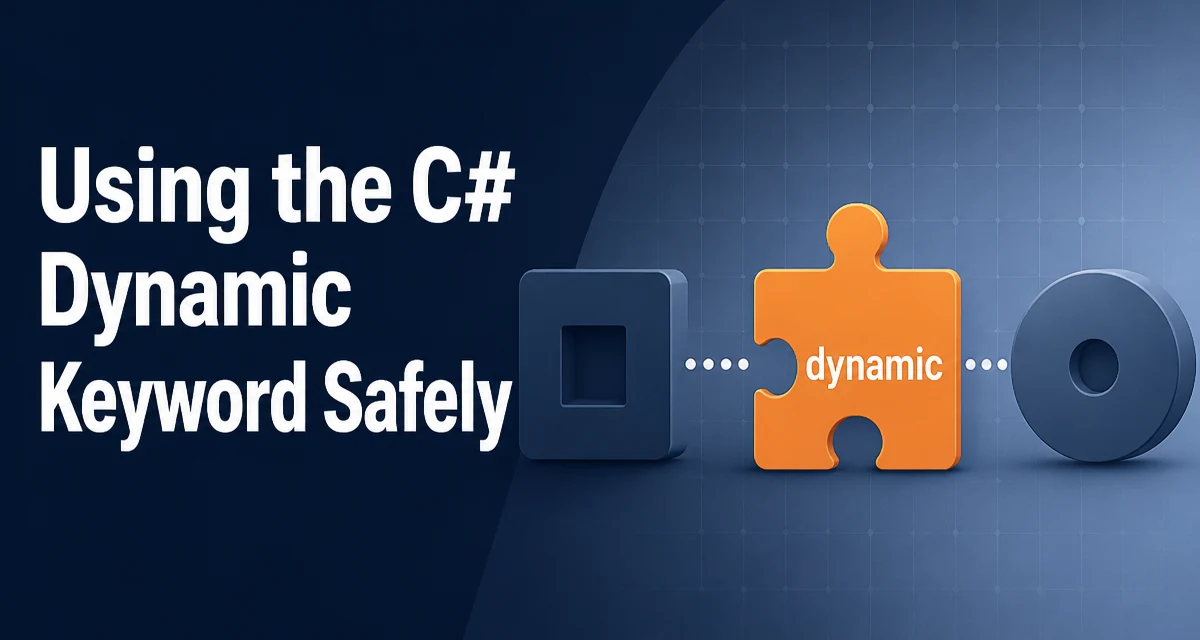
Using the C# Dynamic Keyword Safely
c# dynamic keyword: Learn when and how to use the `dynamic` keyword in C# for runtime binding, interoperability, and reflection scenarios, including performance and sa...
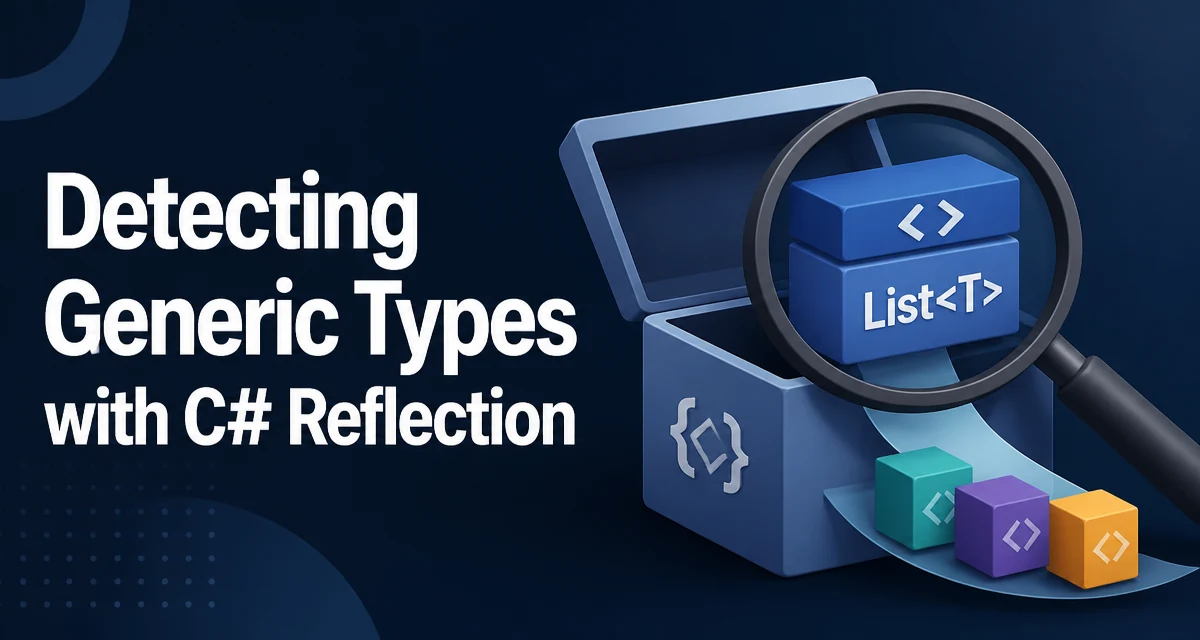
Detecting Generic Types with C# Reflection
Learn how to detect generic types with C# reflection: inspect type properties, read generic arguments and definitions, and resolve generic interfaces and base classes.

C# Activator.CreateInstance: Runtime Object Creation
Learn how to use C# Activator.CreateInstance to create objects at runtime, pass constructor arguments, handle exceptions, and evaluate performance tradeoffs.

C# Reflection: Get Properties at Runtime
Use Type.GetProperties() to inspect and manipulate C# properties at runtime: retrieve PropertyInfo metadata, filter with BindingFlags, read and write values, and avoid common reflection pitfalls.

C# AttributeUsage: Controlling Custom Attribute Application
Learn how to use AttributeUsage in C# to define valid targets, allow multiple instances, and control inheritance for custom attributes.

C# Params Collection: Syntax, Behavior, and Pitfalls
Learn how C# params handles variable arguments with arrays and the C# 13 params collections feature, including syntax, performance tradeoffs, and common mistakes.
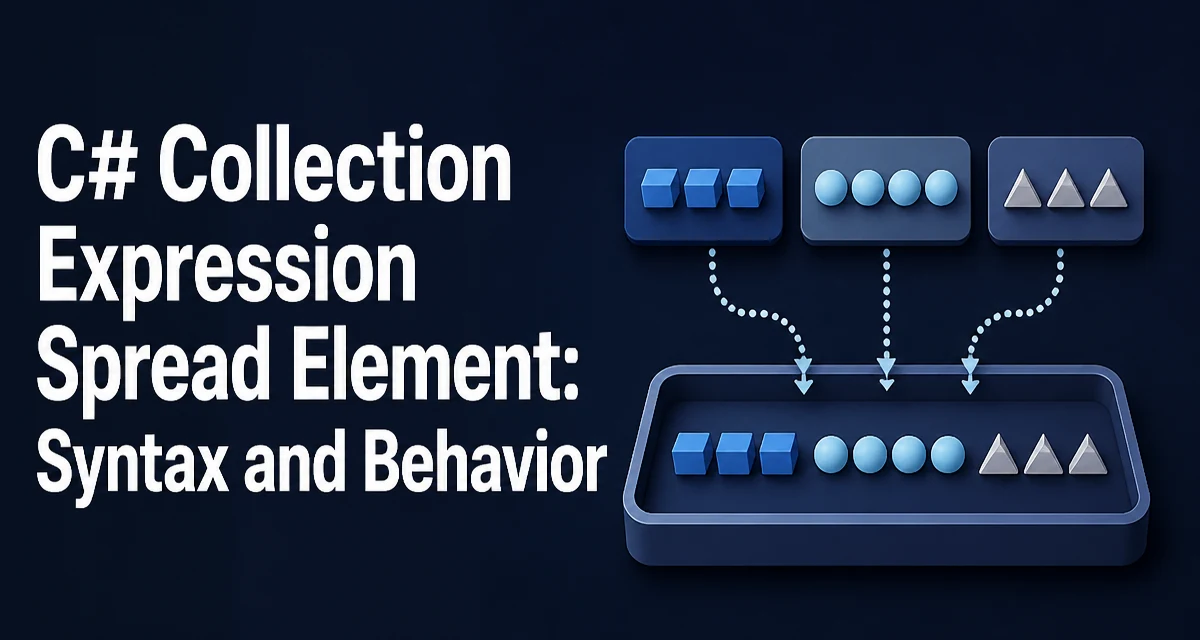
C# Collection Expression Spread Element: Syntax and Behavior
Use the `..` spread element in C# collection expressions to copy elements from an existing collection into arrays, lists, spans, and immutable arrays. Includes syntax, runtime behavior, allocation tradeoffs, and edge cases.

C# Span Usage: Process Memory Slices Without Allocations
c# span usage: Learn how to use Span<T> in C# to slice arrays and strings, avoid allocations, and process memory efficiently in high-performance code.