All syntax guides
Short, practical guides on programming syntax, language fundamentals, and the tools developers reach for every day.
3,980 guides across 14 topics
Topics
Popular guides
Most read



Latest guides
Page 335 of 398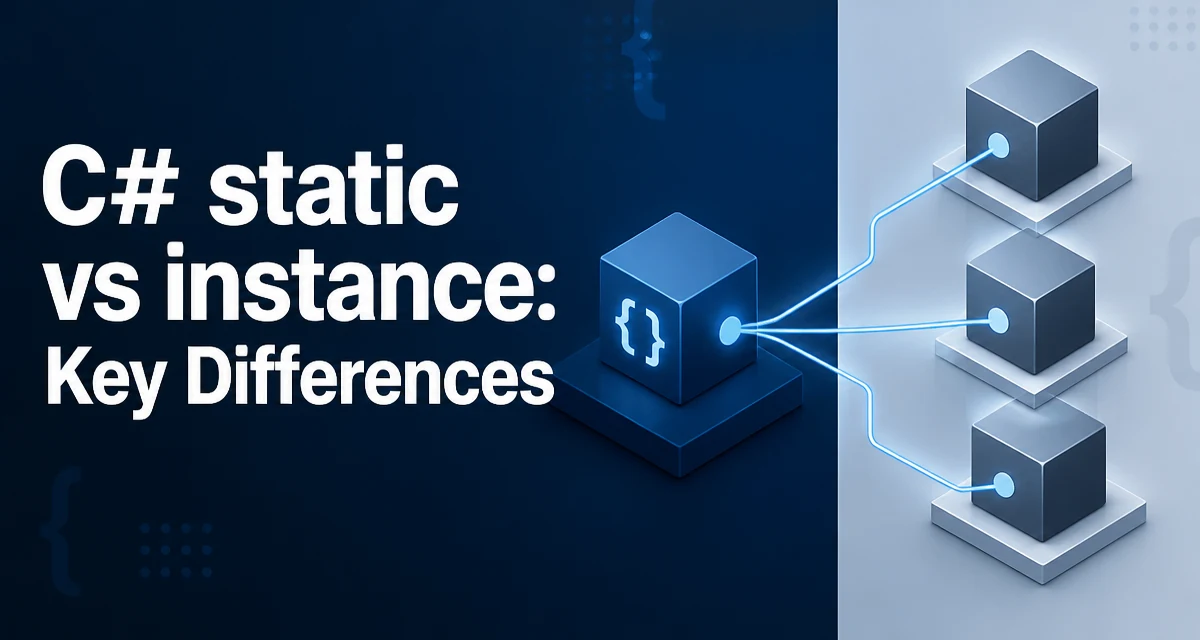
C# static vs instance: Key Differences
c# static vs instance: Learn the key differences between static and instance members in C#, including memory, thread safety, and when to use each.
C# Static Class: Usage, Limitations, and Tradeoffs
C# static classes: syntax, behavior, use cases, and tradeoffs for utility and helper code.

C# Protected Internal: Union Access Explained
c# protected internal: Learn how C# protected internal combines protected and internal access, when to use it, and how it differs from private protected.

C# Object Creation: Choosing the Right Approach
Explore C# object creation techniques and when to use them: constructors, object initializers, factory methods, dependency injection, and reflection.
C# Class Declaration: Syntax and Variations
C# class declaration syntax and variations: access modifiers, inheritance, static and partial classes, nested types, and common declaration mistakes.
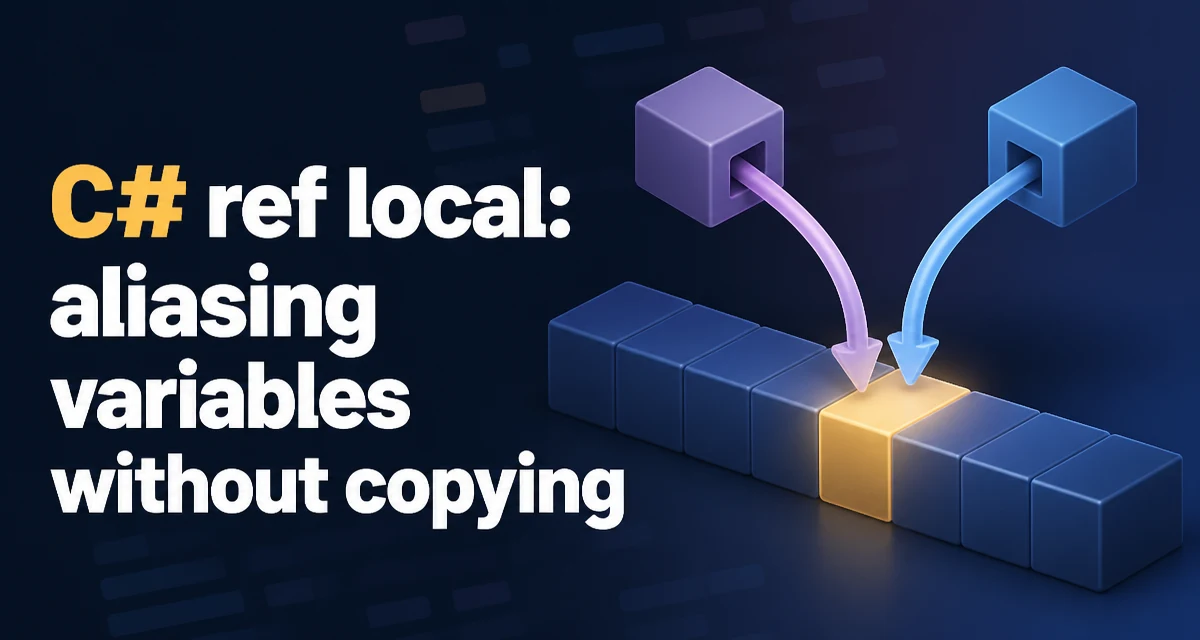
C# ref local: aliasing variables without copying
Learn how C# ref locals alias existing storage without copying, work with ref returns, and follow compiler restrictions. Includes practical examples and guidance.
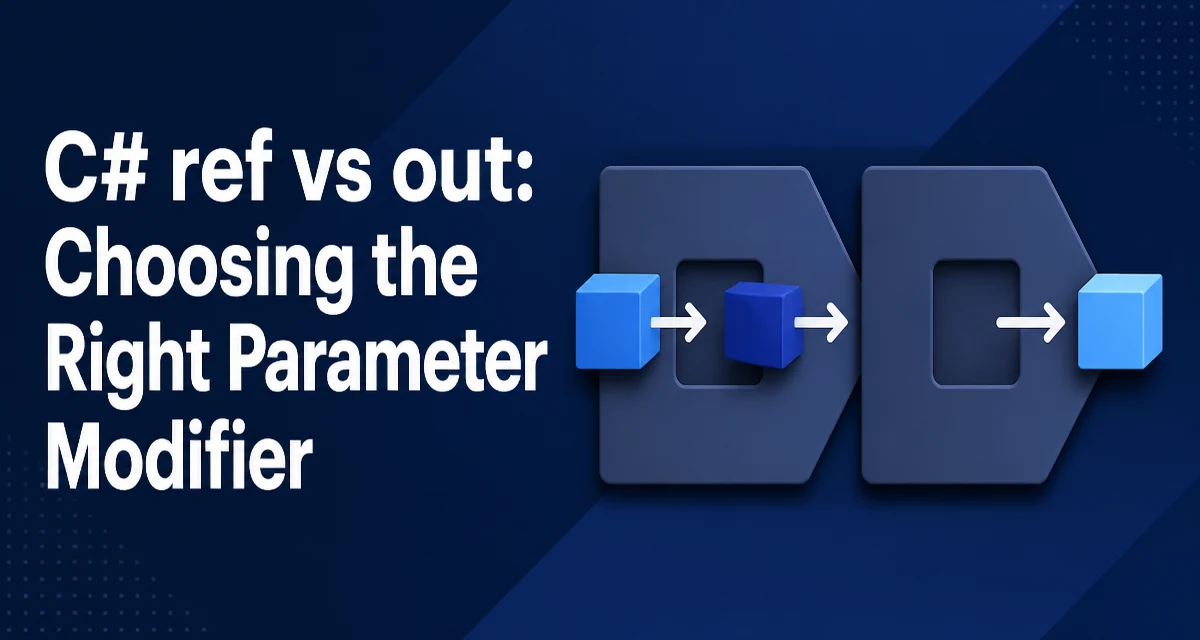
C# ref vs out: Choosing the Right Parameter Modifier
Understand the practical difference between C# ref and out parameters: initialization rules, compiler enforcement, and when to use each modifier.
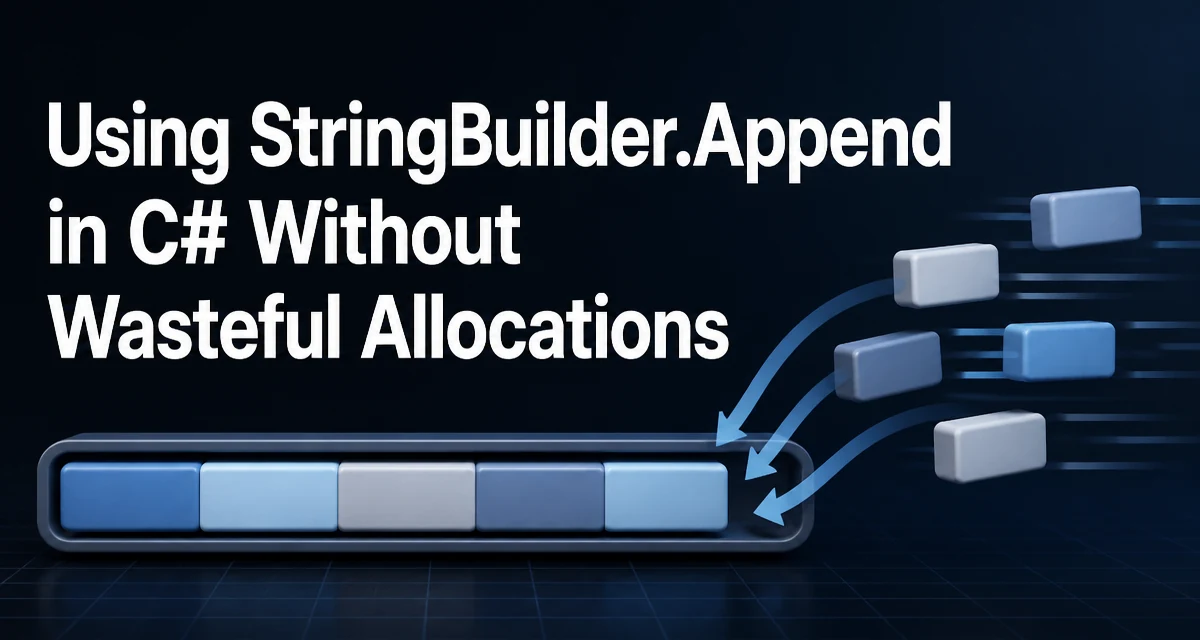
Using StringBuilder.Append in C# Without Wasteful Allocations
Learn how to use StringBuilder.Append efficiently in C# to build strings without repeated allocations, with practical examples and performance tradeoffs.
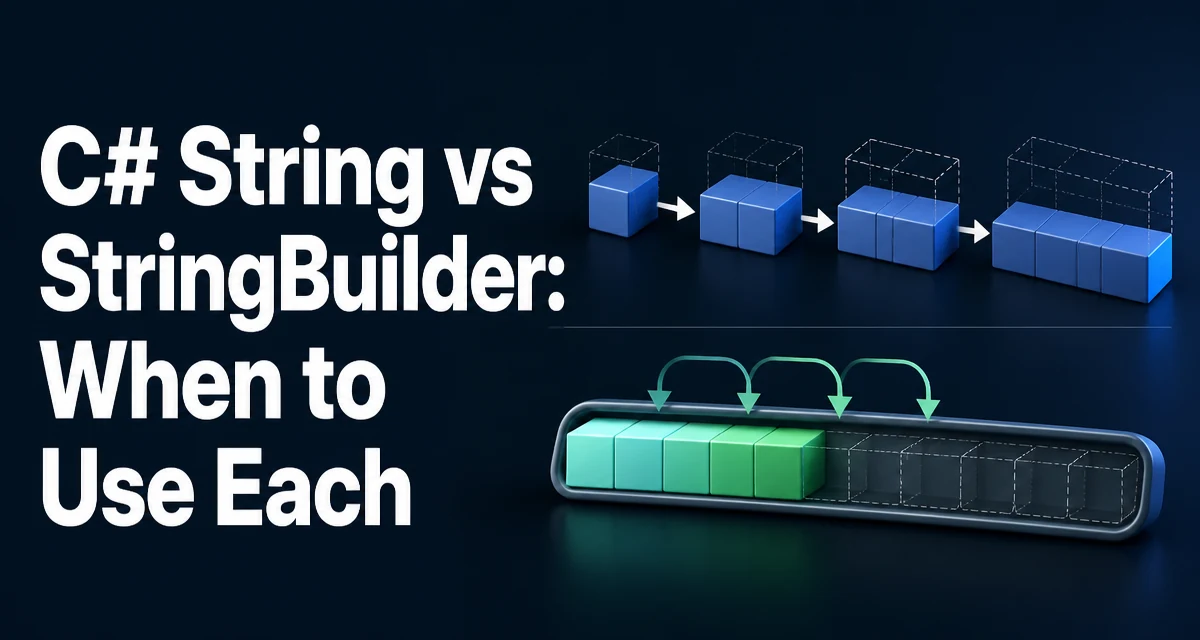
C# String vs StringBuilder: When to Use Each
Learn when to use C# string versus StringBuilder, how immutability affects performance and memory, and how to choose the right approach.
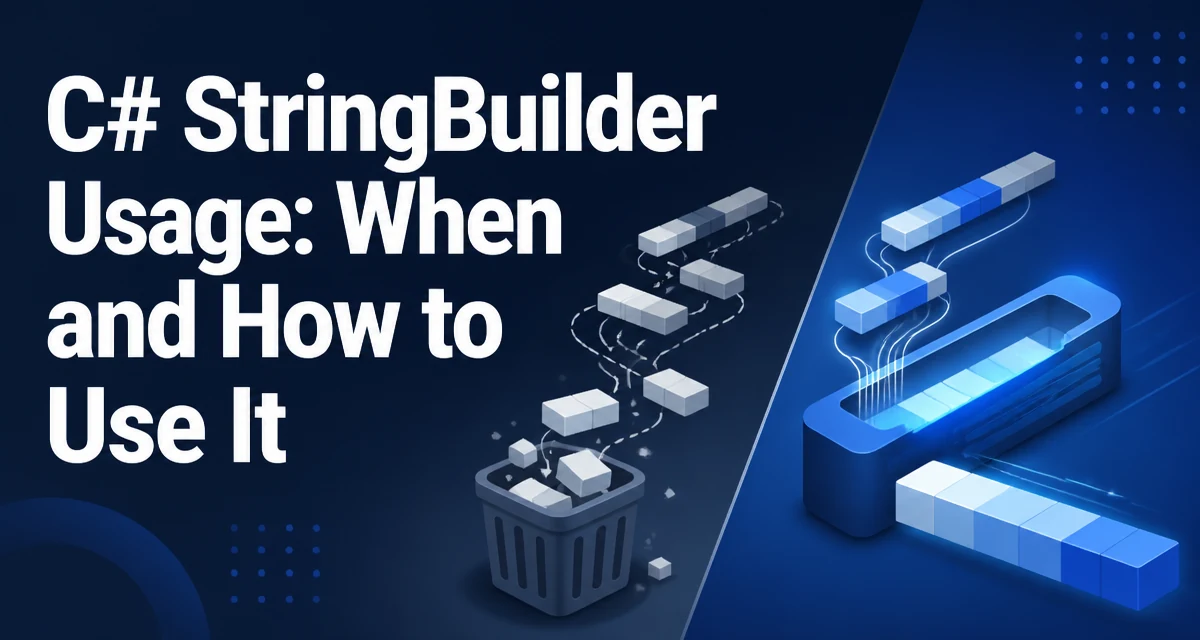
C# StringBuilder: When and How to Use It
Learn how to use C# StringBuilder effectively, including when it improves performance, common methods, and thread-safety considerations.