Browse by Topic
Popular
Popular Posts

Latest
Latest Posts
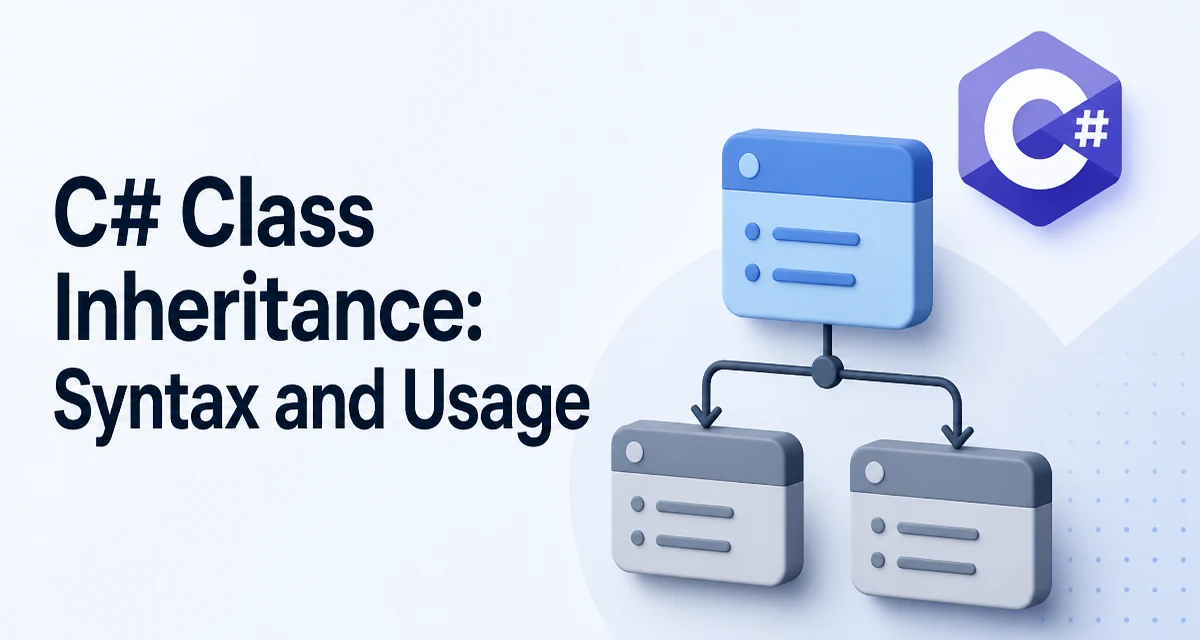
C# Class Inheritance: Syntax and Usage
A practical look at C# class inheritance: syntax, base constructor rules, method overriding, and common pitfalls in real-world code.
Understanding C# Inheritance
Learn C# inheritance fundamentals: syntax, base class constructors, virtual and override, sealed and abstract classes, and practical design tradeoffs.
C# Static Member Access: Syntax and Common Pitfalls
c# static member access: Learn how C# static member access works: syntax rules, static constructors, the CS0176 instance-access error, and thread-safety considerations.
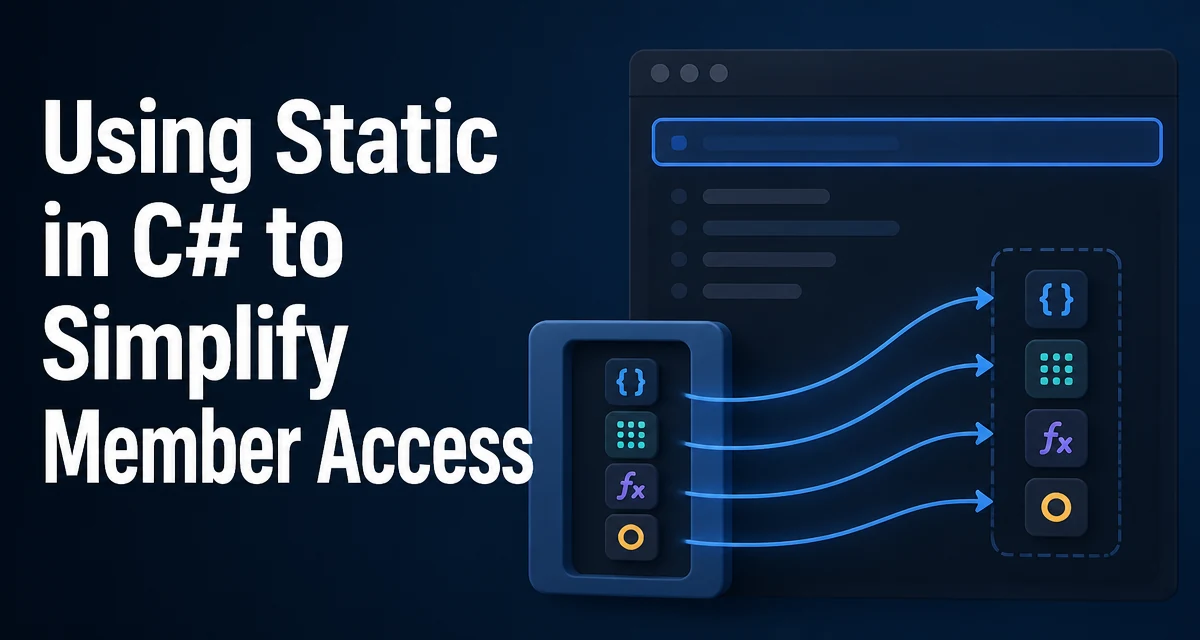
Using Static in C# to Simplify Member Access
c# using static: Learn how the C# using static directive imports static members into scope, with syntax, examples, naming conflicts, and maintainability tradeoffs.
C# Static Local Function: Syntax and Benefits
Learn how C# static local functions can help avoid closure allocations, when to use them, and how they differ from regular local functions.
C# Static Method: Syntax, Behavior, and Tradeoffs
Understand C# static methods: declaration syntax, calling conventions, thread-safety implications, and when instance methods are a better design.
C# Static Variable: Lifetime and Thread Safety
Learn how static variables work in C#: declaration, initialization, lifetime, thread safety, and common pitfalls for shared state.
C# Static Keyword: Class-Level Members Explained
c# static keyword: Understand the C# static keyword: how static members behave, when to use them, and common pitfalls in class design and multithreading.

C# Init Property: Immutable Object Initialization
Learn how C# init-only properties allow object initializer syntax while preventing assignment after construction, and how they compare with set accessors and readonly fields.
C# Required Property: Enforcing Initialization
Learn how the C# required modifier enforces property initialization at compile time, including object initializers, constructors, SetsRequiredMembers, and serialization considerations.