Browse by Topic
Popular
Popular Posts

Latest
Latest Posts

C# Property Usage: Patterns and Pitfalls
c# property usage: Learn practical C# property usage: auto-implemented properties, computed values, validation, performance costs, and when to prefer methods.

C# Encapsulation: Hiding State Behind Clear Boundaries
Learn how to use C# access modifiers, properties, init accessors, and read-only collection views to keep an object's state safe and its interface clear.

C# Access Modifier Scope: How Visibility Works
Understand how C# access modifiers control member visibility and scope, with practical examples and guidance for choosing the right level.
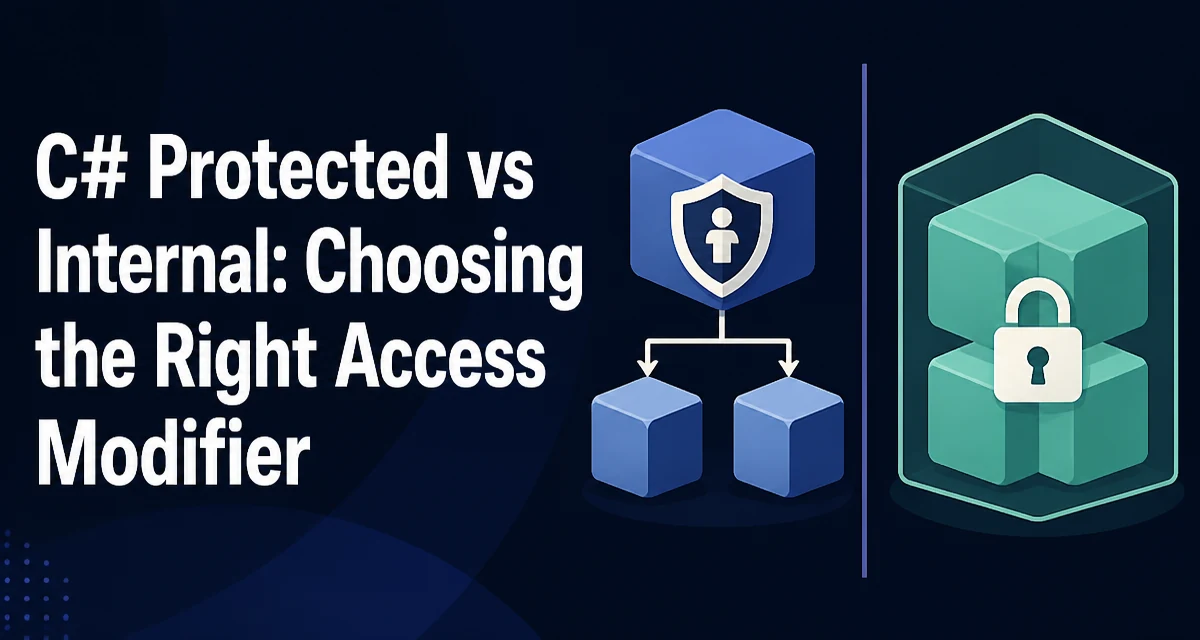
C# Protected vs Internal: Choosing the Right Access Modifier
Learn how C# protected and internal access modifiers differ, what the combined forms protected internal and private protected mean, and when to use each in real code.
C# Public vs Private: When to Use Each
Understand the difference between public and private in C#, when to use each, and how they affect encapsulation and API design.
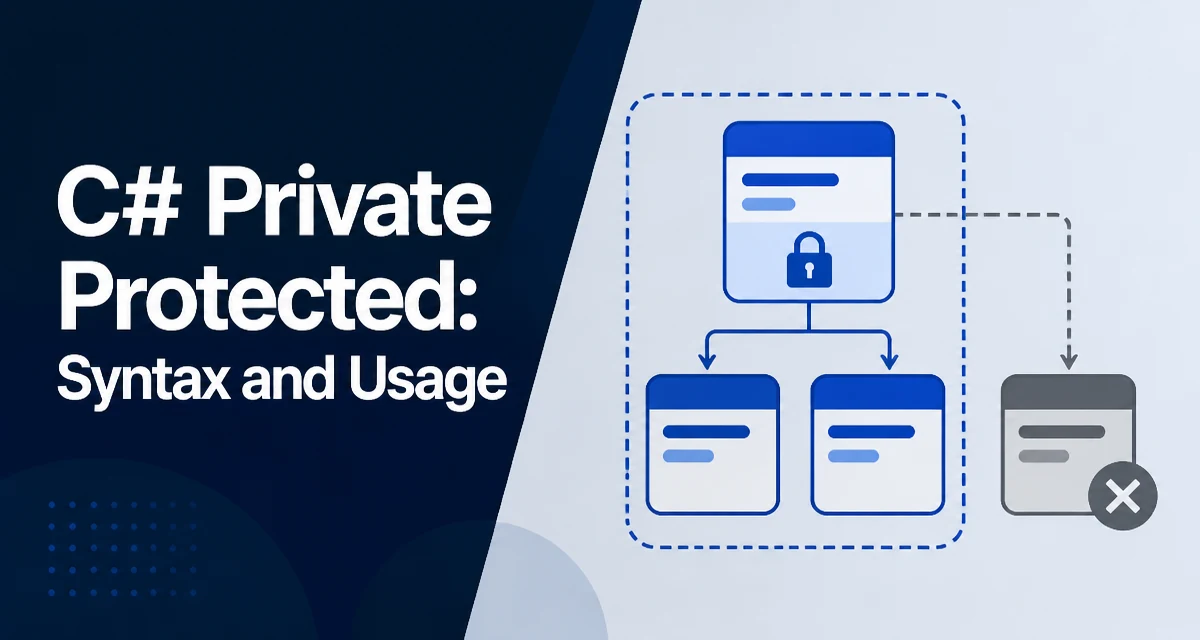
C# Private Protected: Syntax and Usage
c# private protected: Learn how C# private protected restricts access to derived types within the same assembly, with syntax, examples, and common pitfalls.
C# Internal Keyword: Scope and Assembly Boundaries
c# internal keyword: Learn how the C# internal keyword limits visibility to a single assembly, and how to use it with InternalsVisibleTo for testing and modular design.

Understanding the C# Protected Keyword
Learn how the C# protected access modifier controls member access in inheritance, how it compares with protected internal and private protected, and when to use it in class design.

C# Private Keyword: Scoping Members Correctly
c# private keyword: Understand the C# private keyword: how it restricts access, where it applies, and how it supports encapsulation with practical examples.

C# Public Keyword: Scope and Access Control
Understand the C# public keyword, its role in access control, interactions with other modifiers, and practical implications for API design.