Browse by Topic
Popular
Popular Posts

Latest
Latest Posts
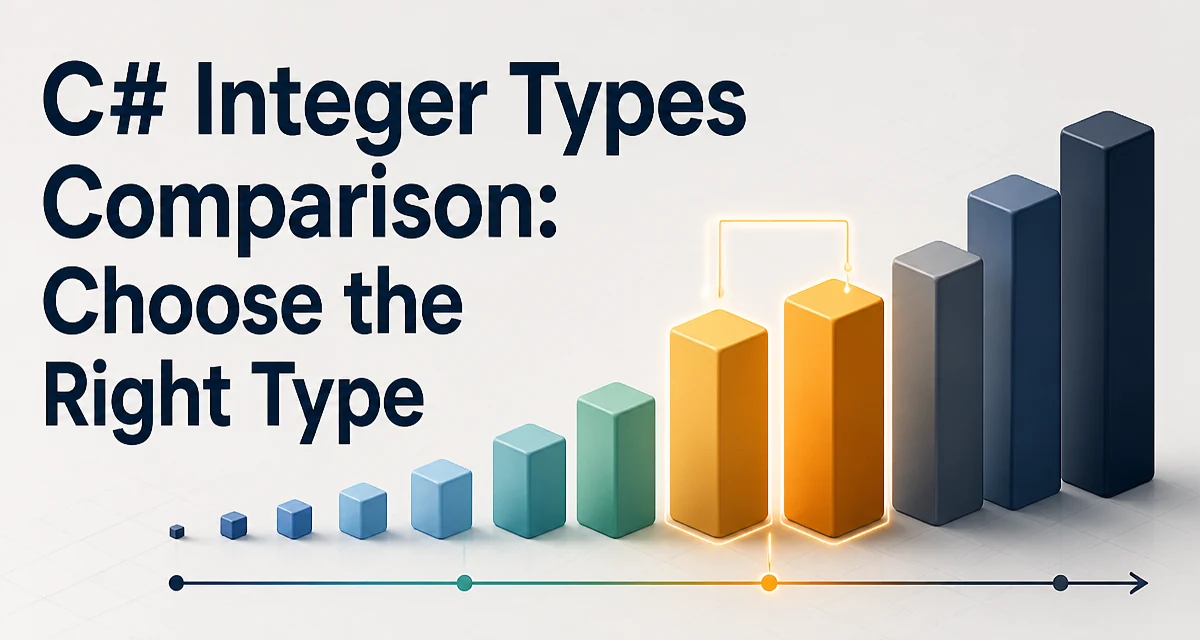
C# Integer Types Comparison: Choose the Right Type
Compare C# integer types by range, storage size, and use case. Learn when to use int, long, uint, nint, and BigInteger in your code.

C# Built-in Data Types: Selection Guide
A practical guide to C# built-in data types: ranges, defaults, memory behavior, and how to choose the right type for your variables.

C# Stack vs Heap: Memory Allocation Explained
Understand how C# stores value types on the stack and reference types on the heap, and how that distinction affects performance, GC pressure, and code design.
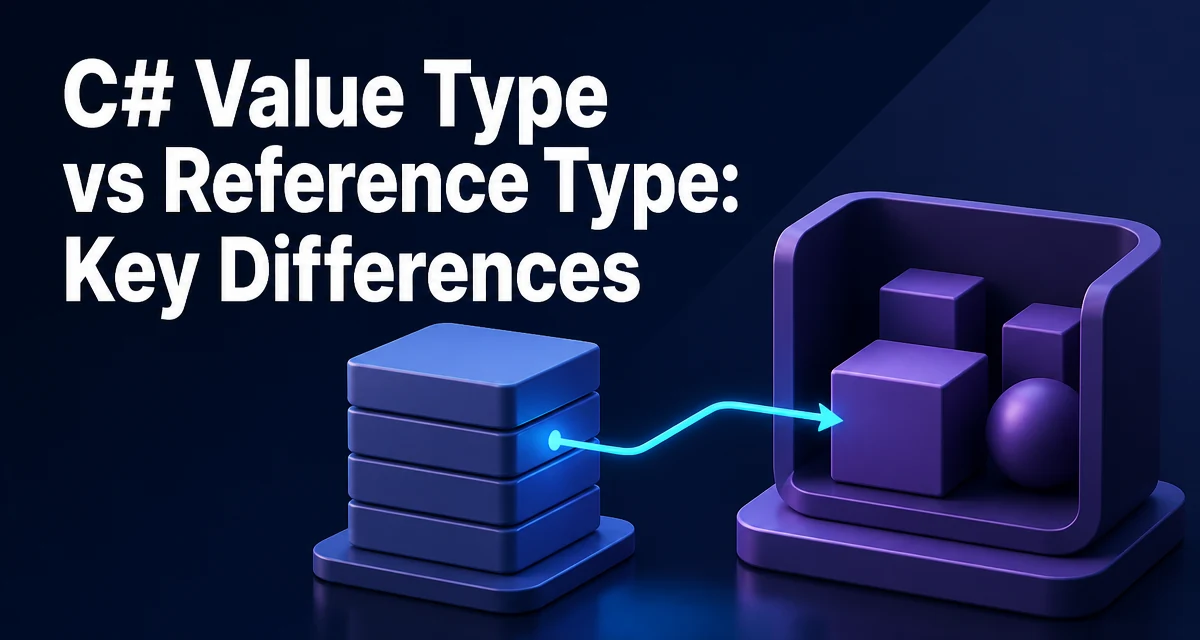
C# Value Type vs Reference Type: Key Differences
c# value type vs reference type: Understand how C# value types and reference types behave in memory, assignment, parameter passing, and equality, and when to choose each.

C# Field vs Property: When to Use Each
c# field vs property: Understand the difference between fields and properties in C#, including syntax, encapsulation, validation, and performance tradeoffs.

C# Member Variable Usage: Fields, Access, and Initialization
c# member variable usage: Learn how to declare and use member variables in C# classes, including access modifiers, static vs instance, readonly, and properties.

C# Local Variable Usage: Types, Scope, and Pitfalls
Understand C# local variable usage: explicit types vs var, scope, definite assignment, closures in loops, and common pitfalls for maintainable code.

C# Static Readonly Usage: Syntax and Tradeoffs
c# static readonly usage: Learn how static readonly fields work in C#, how they differ from const, and when to use them for runtime constants.

C# const vs readonly: Key Differences and Usage
c# const vs readonly: Understand the differences between C# const and readonly, including compile-time vs runtime behavior, usage scenarios, and performance implications.
C# readonly Keyword Usage: Fields, Structs, and ref readonly Returns
Learn how the C# readonly keyword works for fields, structs, and ref readonly returns, with practical examples and common mistakes to avoid.