All syntax guides
Short, practical guides on programming syntax, language fundamentals, and the tools developers reach for every day.
3,965 guides across 14 topics
Topics
Popular guides
Most read


Latest guides
Page 373 of 397
C# Override Keyword: How to Use It
Learn how the C# override keyword works with virtual methods, when to use it instead of new, and how to handle base calls, sealing, and overriding object members.
c# virtual keyword: How Overridable Members Work
Learn how the c# virtual keyword enables method overriding and polymorphism, including syntax, runtime dispatch, and common design pitfalls.
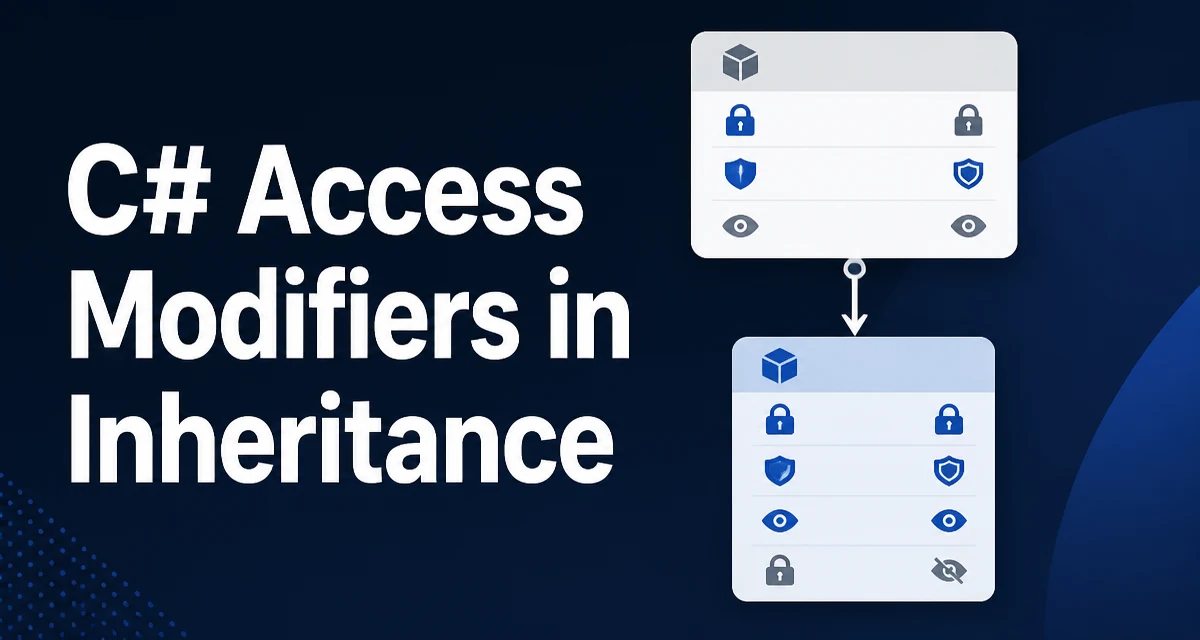
C# Access Modifiers in Inheritance
Understand how C# access modifiers behave in inheritance: which members derived classes can see, how overriding interacts with accessibility, and when to use protected internal or private protected.
C# Protected Inheritance: Access in Derived Classes
Understand how the protected access modifier works in C# inheritance, including access rules, derived class usage, and design tradeoffs.
Multiple Inheritance in C#: What to Use Instead
C# classes support only single inheritance. This article explains why, and how interfaces, default interface methods, composition, and extension methods provide alternatives.
C# Sealed Method: Preventing Overrides
Learn how to declare a sealed method in C#, what it prevents, and when to use it to control inheritance behavior.
C# Sealed Class: When and Why to Use It
Practical examples show how the C# sealed modifier prevents inheritance, affects performance, and guides class design choices.
C# Inheritance Constructor Order
Learn how C# constructor order works with inheritance: base constructors run first, derived constructors run after, including the base keyword and virtual call pitfalls.
C# Base Member Access: Syntax, Usage, and Limits
c# base member access: Learn how the base keyword in C# accesses base class members: constructor initializers, overridden methods, fields, properties, and its limitati...
Using the C# Base Keyword Correctly
Learn how to use the C# base keyword to call base constructors, methods, and properties, and avoid common pitfalls. Practical code examples included.