All syntax guides
Short, practical guides on programming syntax, language fundamentals, and the tools developers reach for every day.
3,965 guides across 14 topics
Topics
Popular guides
Most read



Latest guides
Page 374 of 397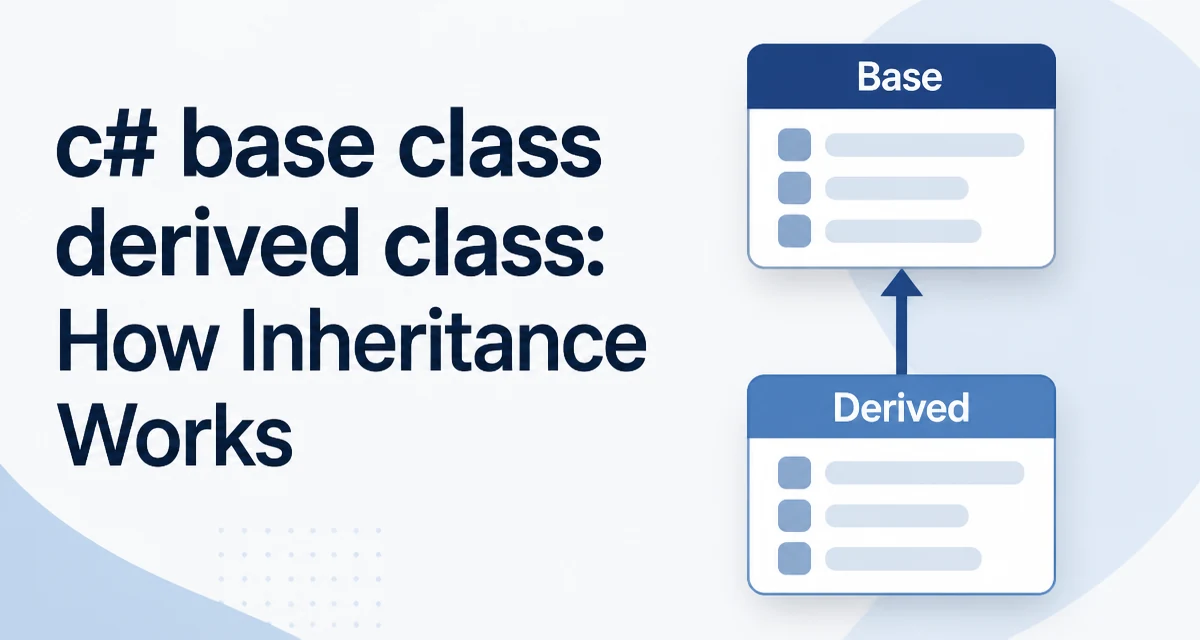
C# Inheritance: How Base Classes and Derived Classes Work
C# inheritance in practice: the class Dog : Animal syntax, base() constructor chaining, virtual and override dispatch, and when casting is safe.
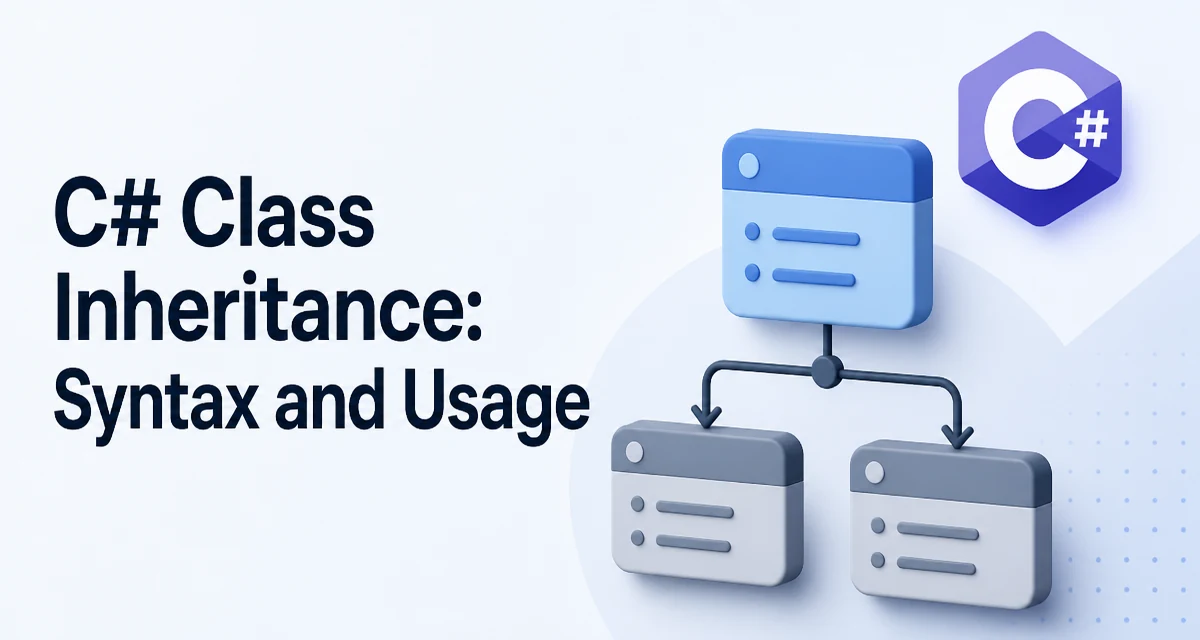
C# Class Inheritance: Syntax and Usage
A practical look at C# class inheritance: syntax, base constructor rules, method overriding, and common pitfalls in real-world code.

Understanding C# Inheritance
Learn C# inheritance fundamentals: syntax, base class constructors, virtual and override, sealed and abstract classes, and practical design tradeoffs.
C# Static Member Access: Syntax and Common Pitfalls
c# static member access: Learn how C# static member access works: syntax rules, static constructors, the CS0176 instance-access error, and thread-safety considerations.
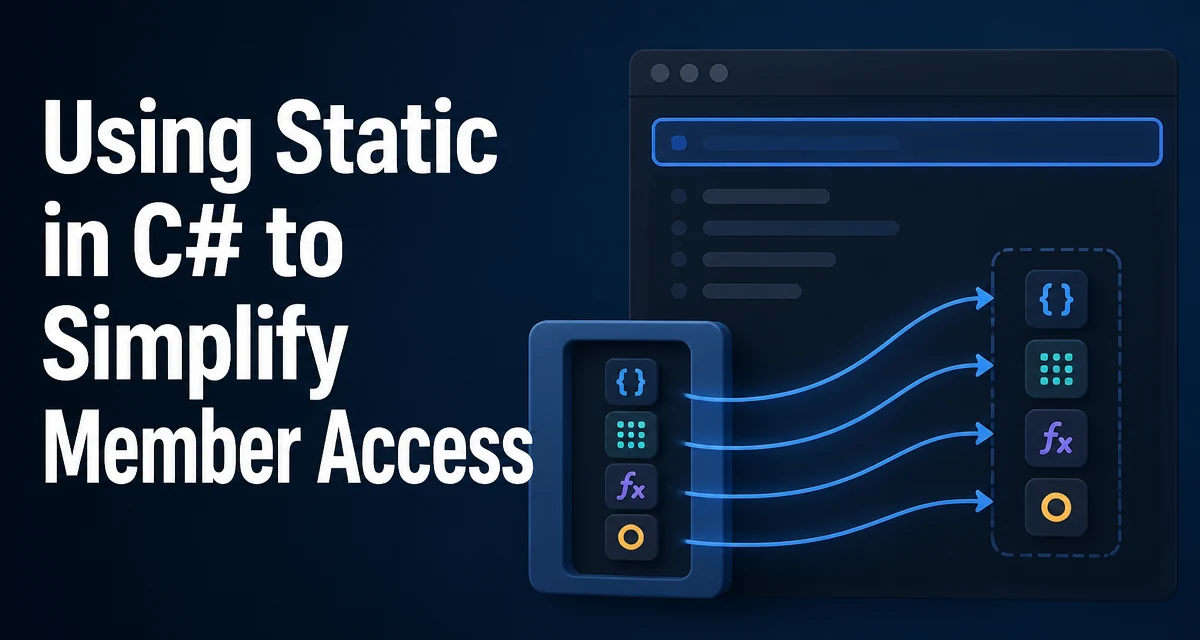
Using Static in C# to Simplify Member Access
c# using static: Learn how the C# using static directive imports static members into scope, with syntax, examples, naming conflicts, and maintainability tradeoffs.
C# Static Local Function: Syntax and Benefits
Learn how C# static local functions can help avoid closure allocations, when to use them, and how they differ from regular local functions.
C# Static Method: Syntax, Behavior, and Tradeoffs
Understand C# static methods: declaration syntax, calling conventions, thread-safety implications, and when instance methods are a better design.

C# Static Variable: Lifetime and Thread Safety
Learn how static variables work in C#: declaration, initialization, lifetime, thread safety, and common pitfalls for shared state.
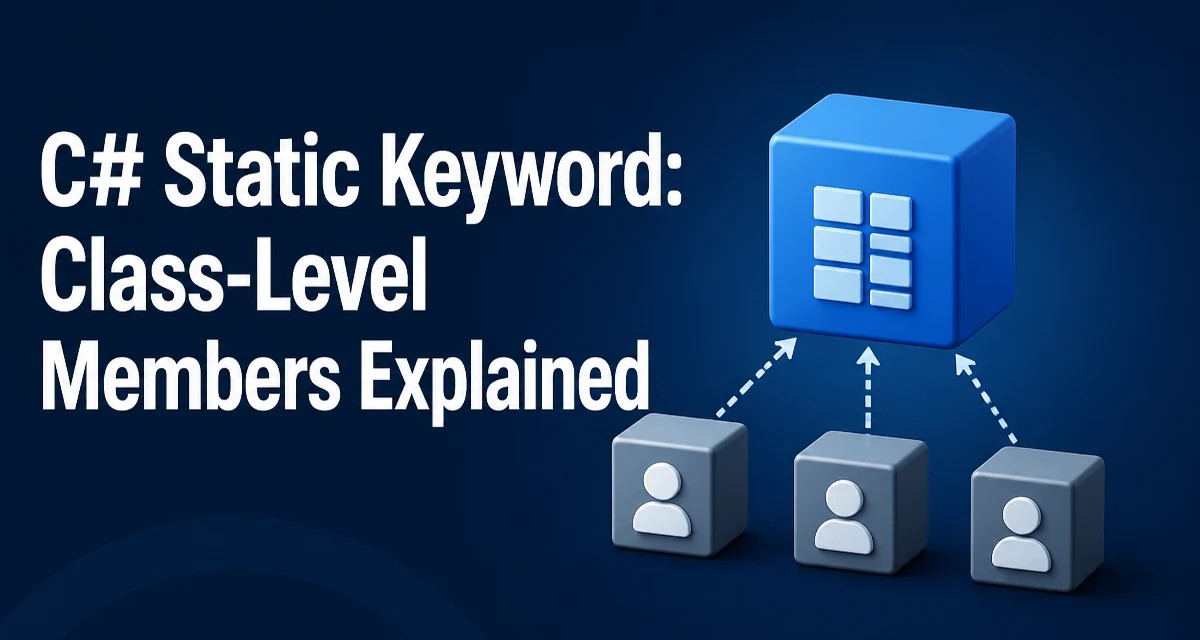
C# Static Keyword: Class-Level Members Explained
c# static keyword: Understand the C# static keyword: how static members behave, when to use them, and common pitfalls in class design and multithreading.

C# Init Property: Immutable Object Initialization
Learn how C# init-only properties allow object initializer syntax while preventing assignment after construction, and how they compare with set accessors and readonly fields.