All syntax guides
Short, practical guides on programming syntax, language fundamentals, and the tools developers reach for every day.
3,965 guides across 14 topics
Topics
Popular guides
Most read
Latest guides
Page 19 of 397
Next.js Server Actions: Forms, Validation, and useActionState
Actions are POST endpoints the app can call. Schema validation on the server, serializable state for field errors, progressive enhancement, and why redirect() must not sit in a try block.
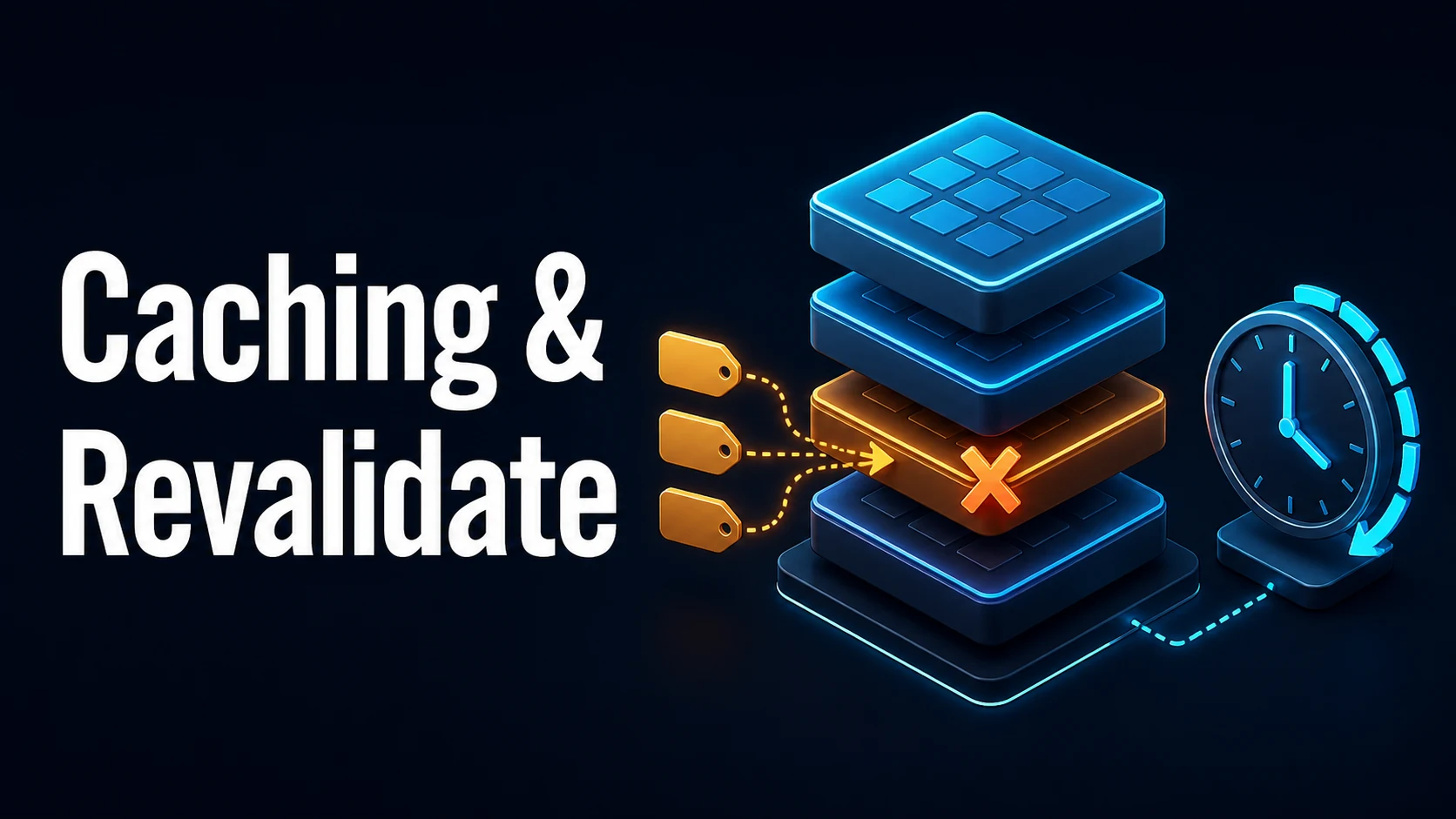
Next.js Data Fetching: Caching, revalidate, and Tag-Based Invalidation
Next.js 15 stopped caching fetch by default. How request memoization, the data cache, and the route cache interact, and when to invalidate by tag instead of by clock.
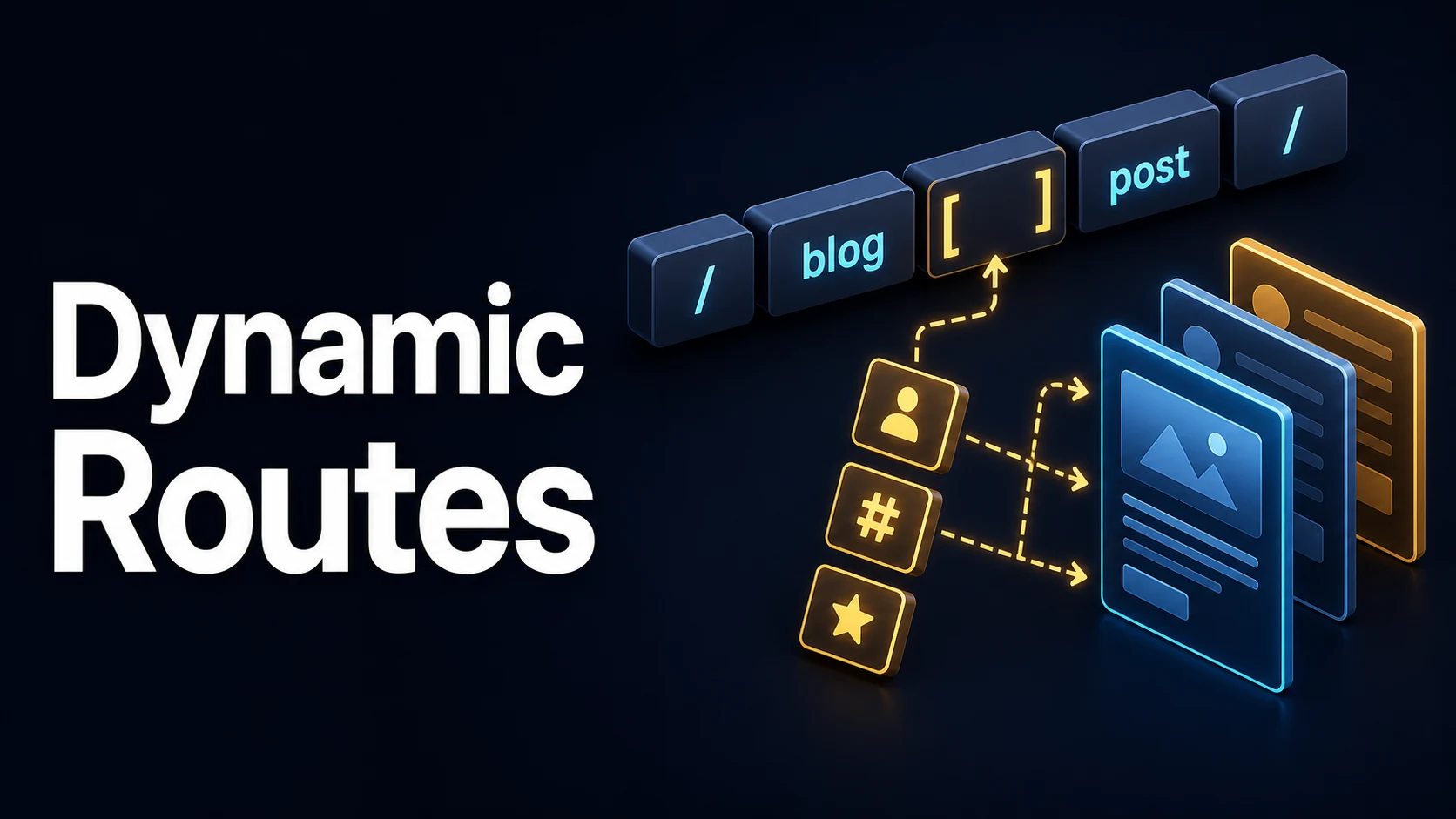
Next.js Dynamic Routes: Catch-All Segments and generateStaticParams
params is a Promise in Next.js 15+, catch-all arrays index differently at the root, and dynamicParams decides whether an unknown slug is prerendered or 404s.

Server Components vs Client Components: Where the use client Boundary Actually Lands
The directive marks a module graph, not a component. Serializable props, the children pattern, context providers, and the hydration mismatches that follow.
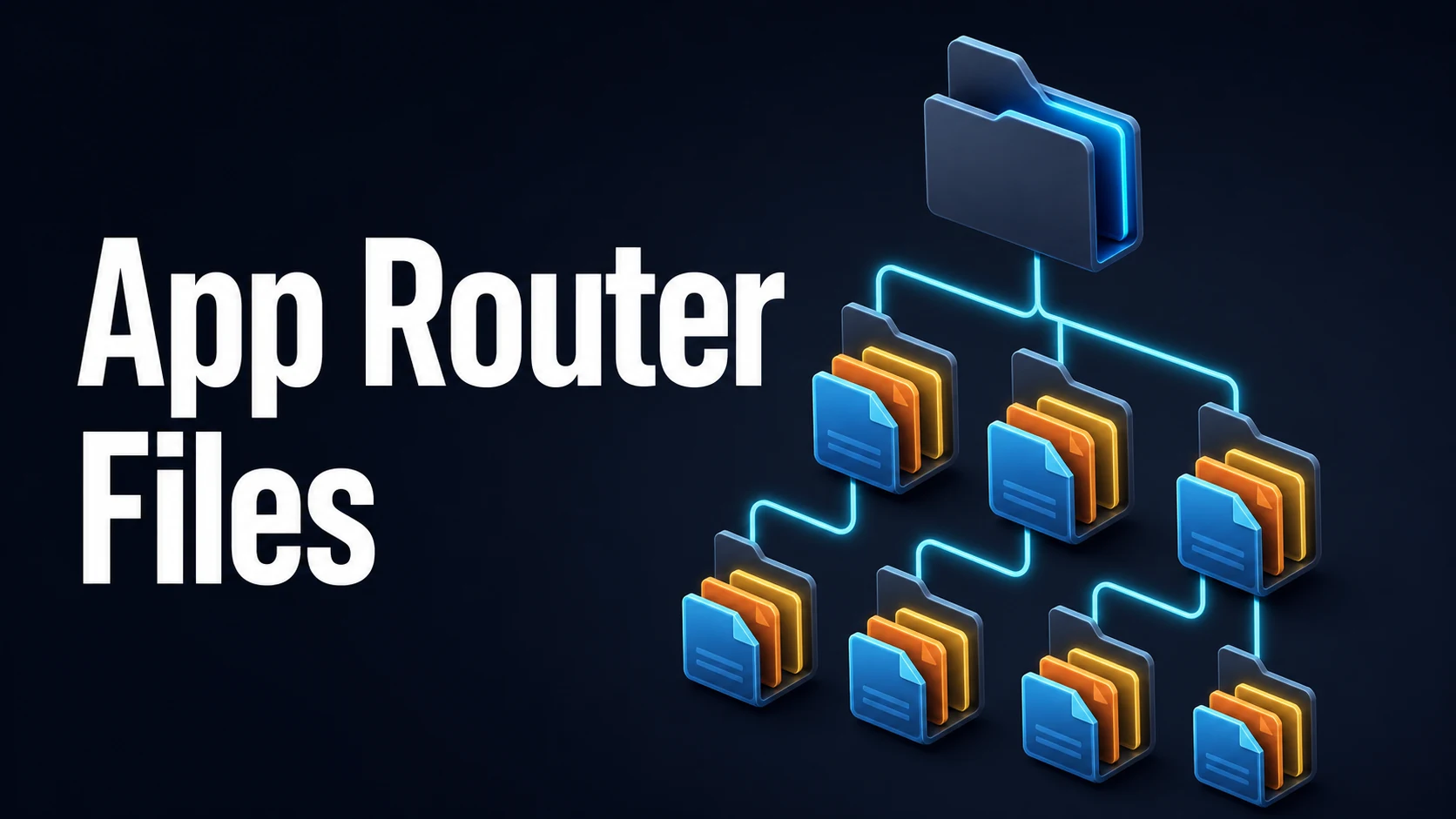
Next.js App Router File Conventions: page, layout, template, and the Rest
Layouts persist and templates remount; only page.tsx and route.ts make a segment routable. Route groups, private folders, and the boundaries that catch what.

kubectl Output: jsonpath, custom-columns, and the Debugging Commands Worth Knowing
jsonpath for one value in a script, custom-columns for tables people read, and kubectl debug when the container has no shell. Includes the three quoting layers that break jsonpath.
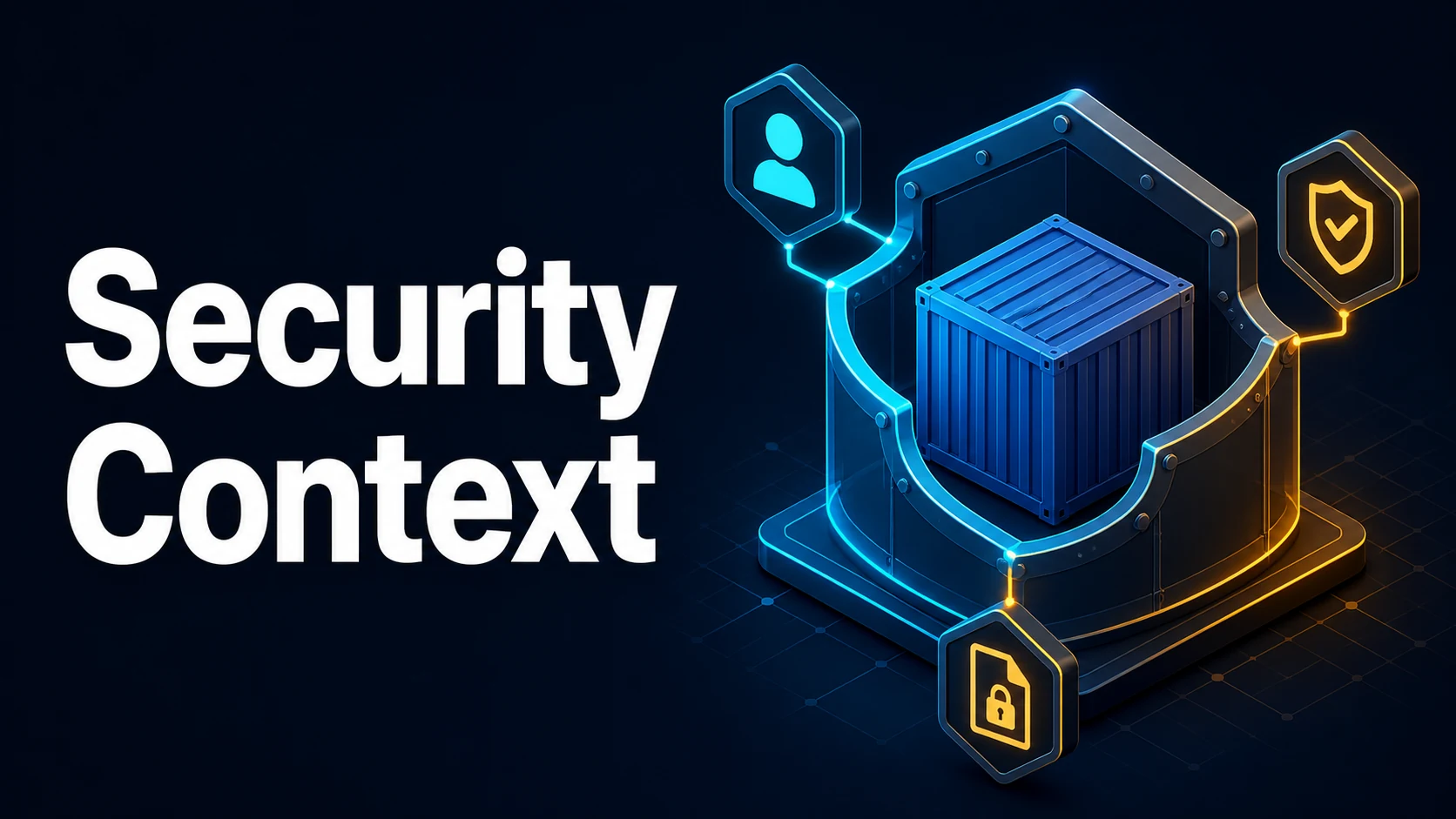
Kubernetes securityContext, Capabilities, and Pod Security Standards
The five fields that remove most container escapes, which of them only exist at container level, and how the restricted profile enforces the same settings at admission.
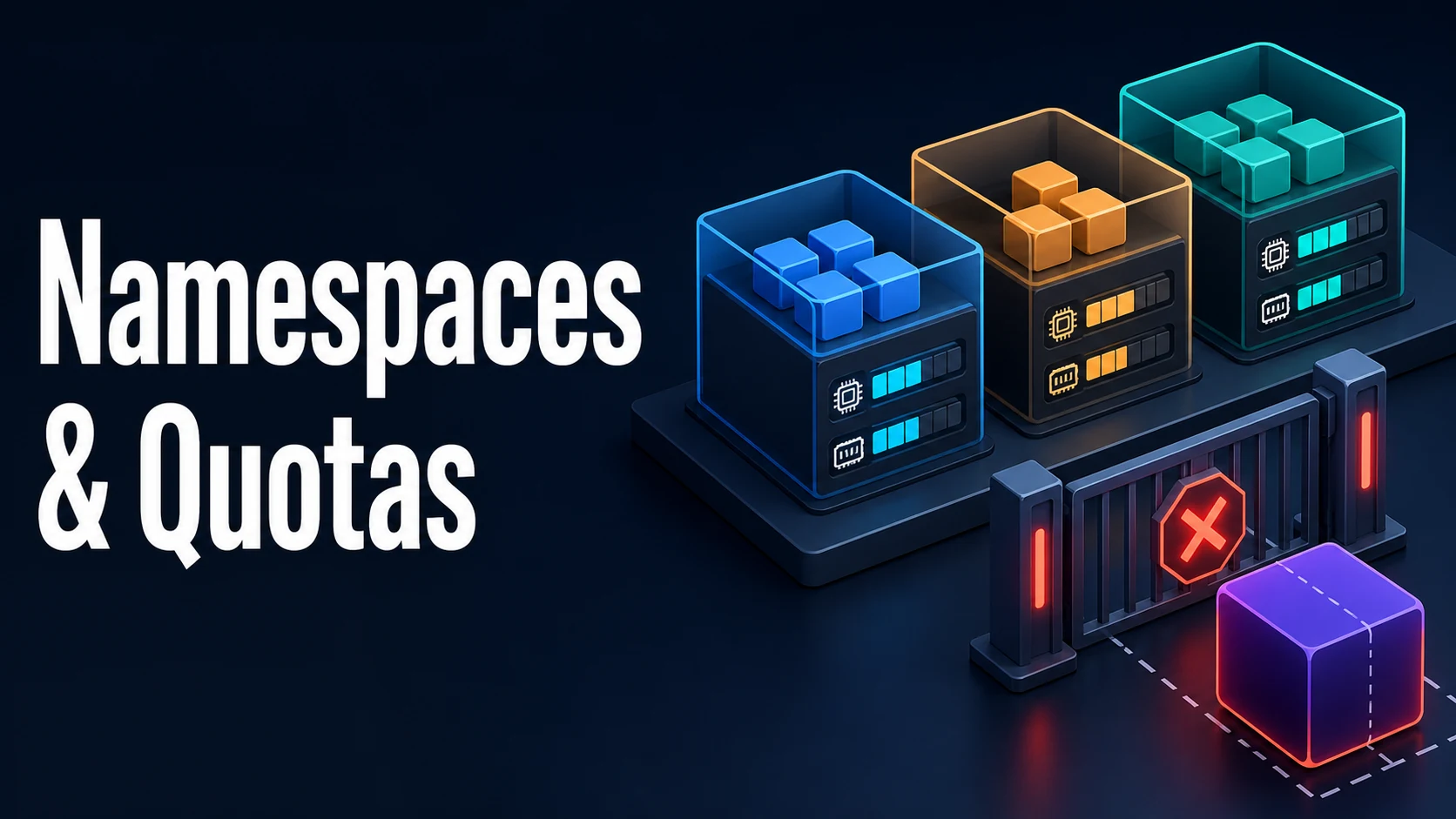
Kubernetes Namespaces, ResourceQuotas, and LimitRanges
A namespace is only a boundary when quota and limit range make it one. Aggregate caps, per-pod defaults, the admission errors they produce, and namespaces stuck Terminating.
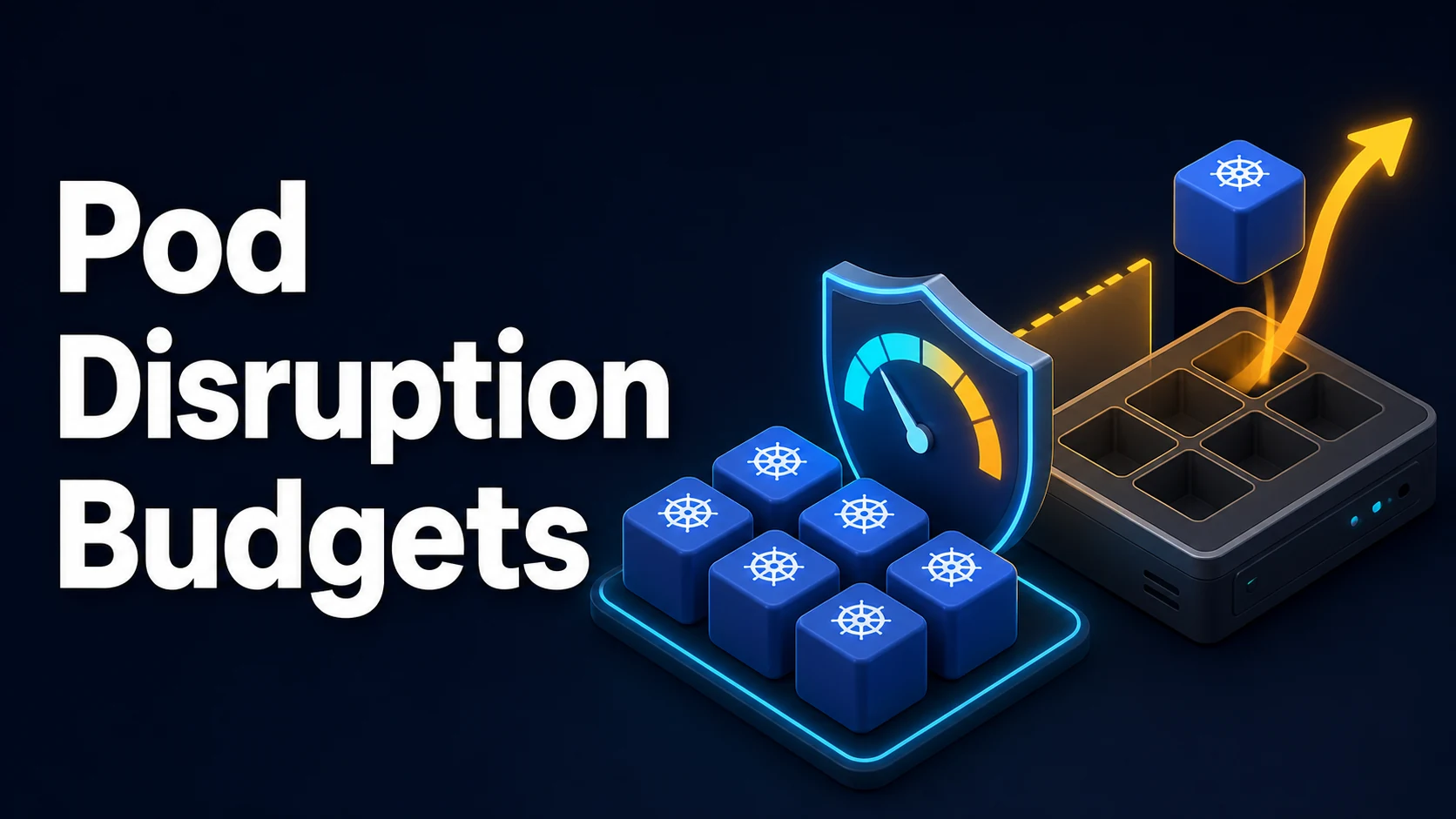
Kubernetes PodDisruptionBudgets and Graceful Node Drains
A PDB paces voluntary disruption only. The percentage rounding that silently blocks every drain, the eviction API versus kubectl delete, and unhealthy pods that lock a node.
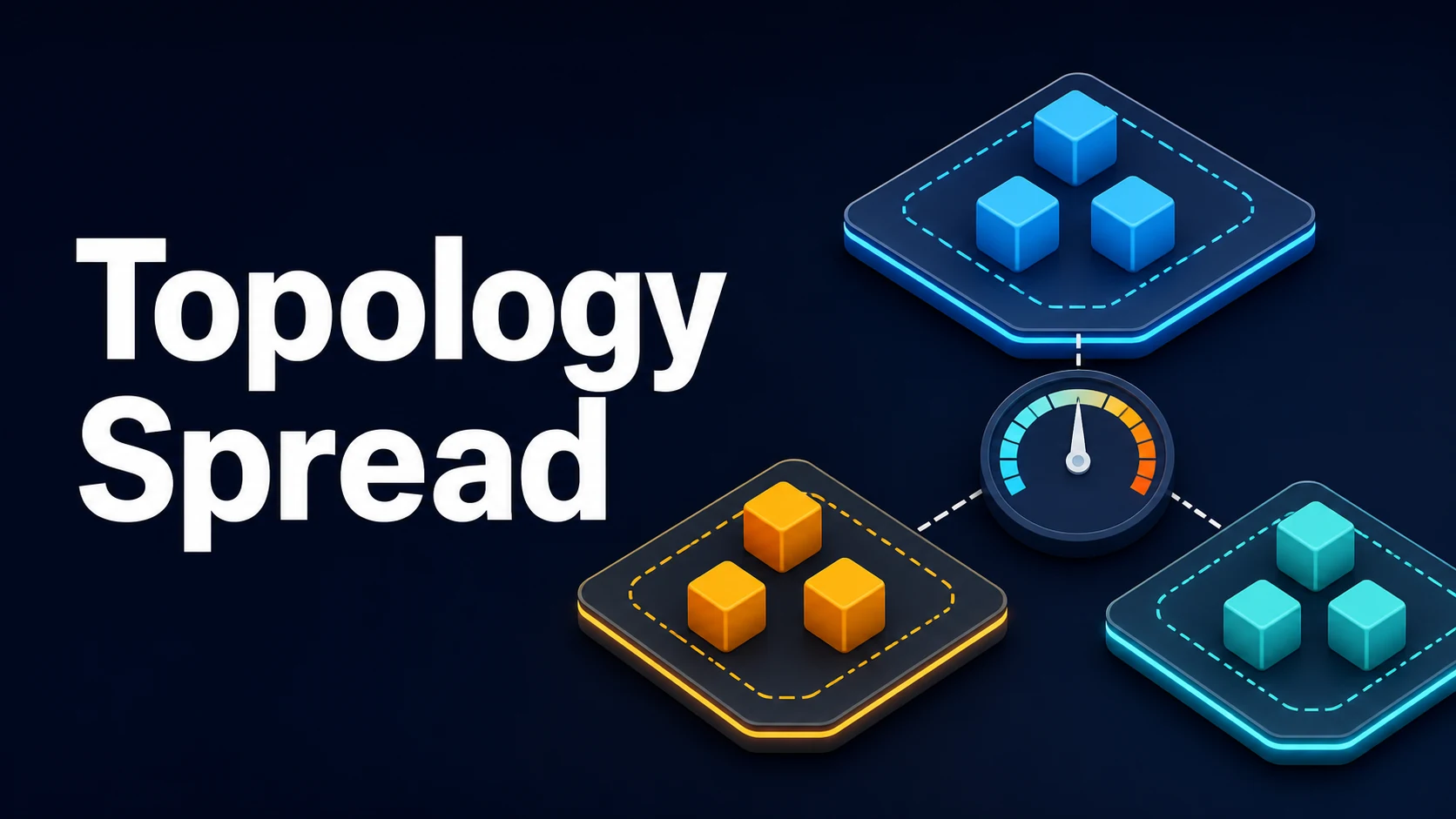
Kubernetes Topology Spread Constraints vs Pod Affinity and Anti-Affinity
maxSkew, topologyKey, and whenUnsatisfiable decide distribution across zones and nodes. Why required anti-affinity deadlocks at scale and spread degrades instead.