Browse by Topic
Popular
Popular Posts
Latest
Latest Posts
Django Annotations, Aggregation, and Transactions
Learn how Django's annotate() and aggregate() methods compute values in querysets, how to group and filter those results, and how to wrap multi-step updates in atomic transactions.
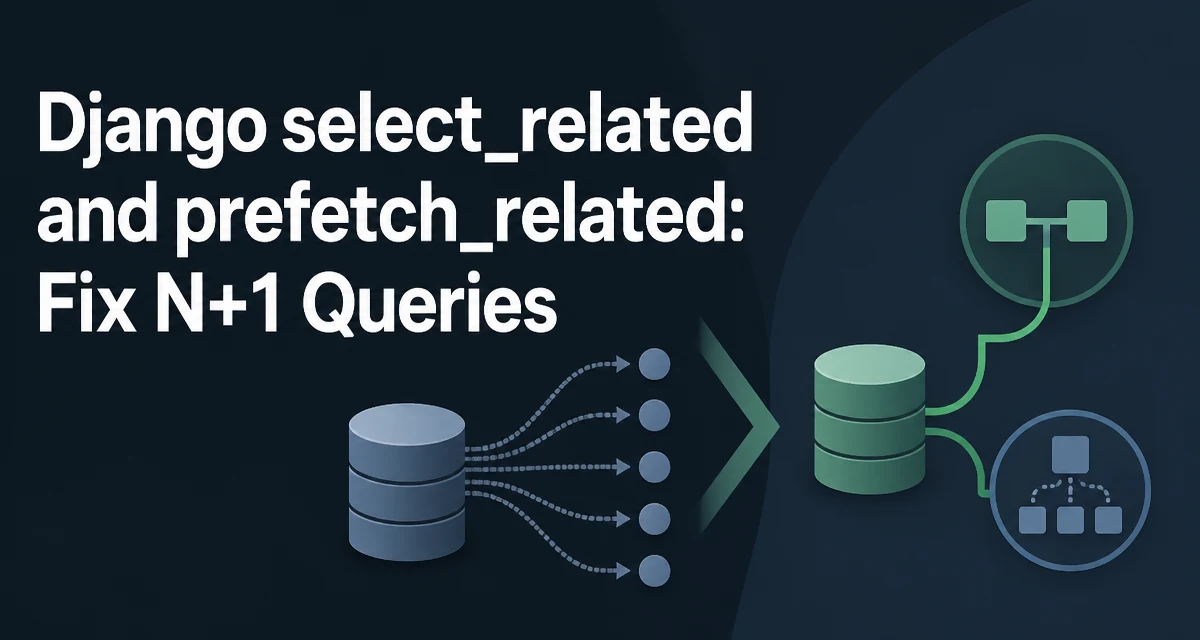
Django select_related and prefetch_related: Fix N+1 Queries
Learn how to eliminate N+1 queries in Django with select_related and prefetch_related, including practical examples, when to use each, and common pitfalls.
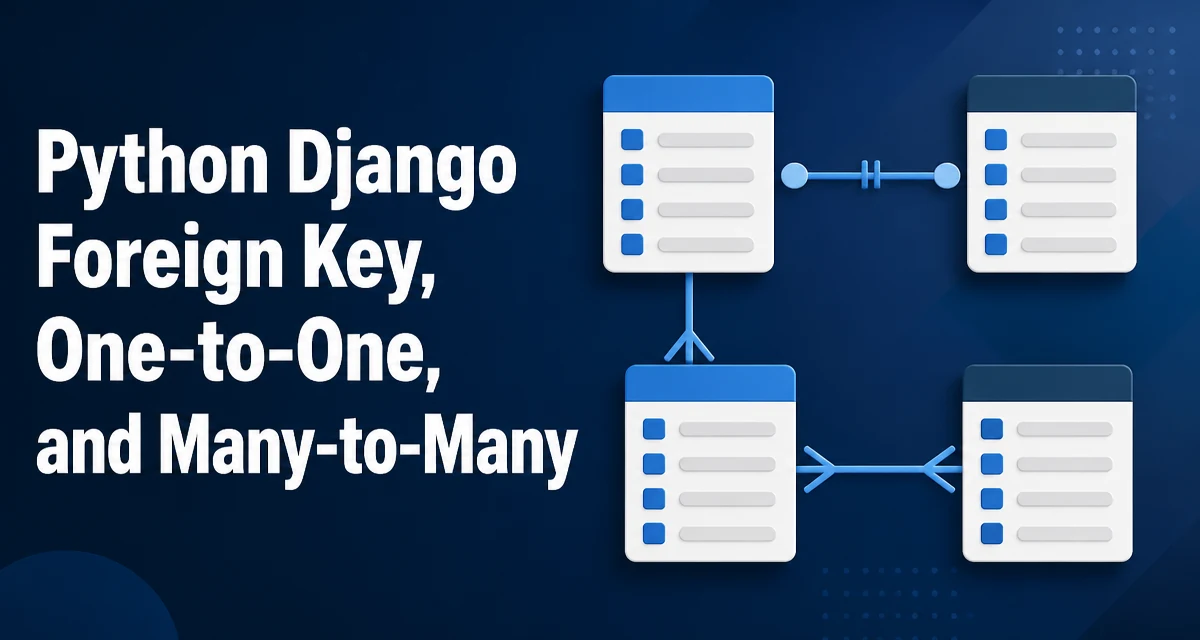
Python Django Foreign Key, One-to-One, and Many-to-Many
Learn how to model many-to-one, one-to-one, and many-to-many relationships in Django with ForeignKey, OneToOneField, and ManyToManyField.

Python Django ORM: filter, get, exclude, create, update, and delete
Learn how to use Django's ORM methods filter, get, exclude, create, update, and delete to query and modify database records.
Python Django Models, ORM, and Querysets
Learn how Django models, the ORM, and querysets work together to query databases efficiently, with practical examples and performance tips.
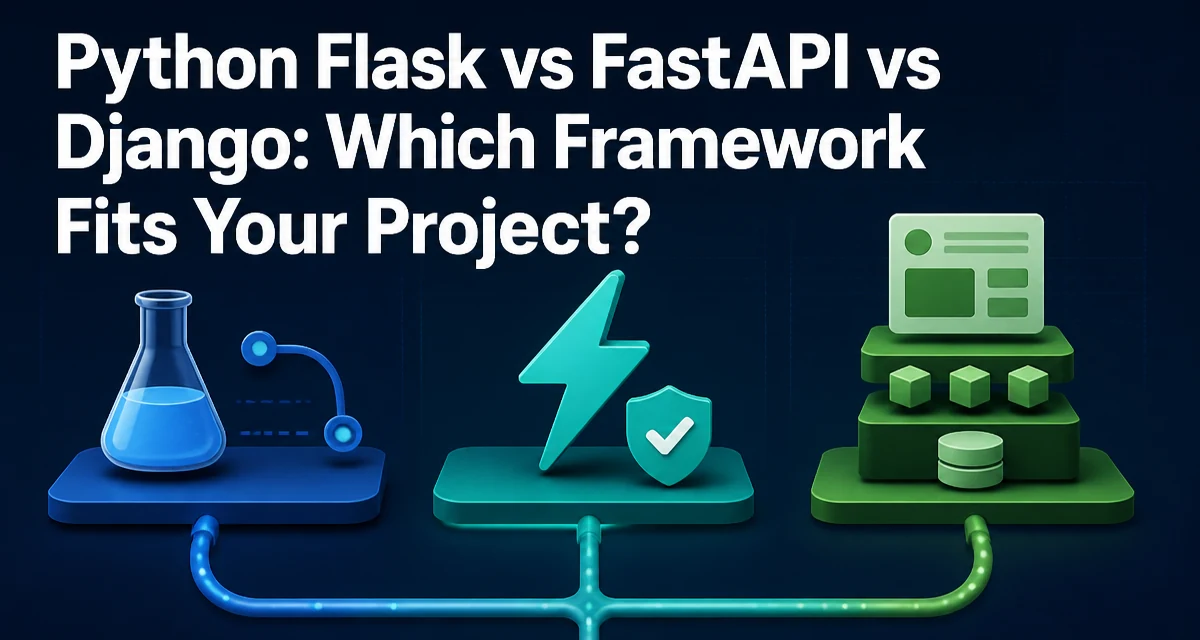
Python Flask vs FastAPI vs Django: Which Framework Fits Your Project?
Compare Flask, FastAPI, and Django on routing, validation, async support, ORM, and project structure to choose the right framework for your Python project.
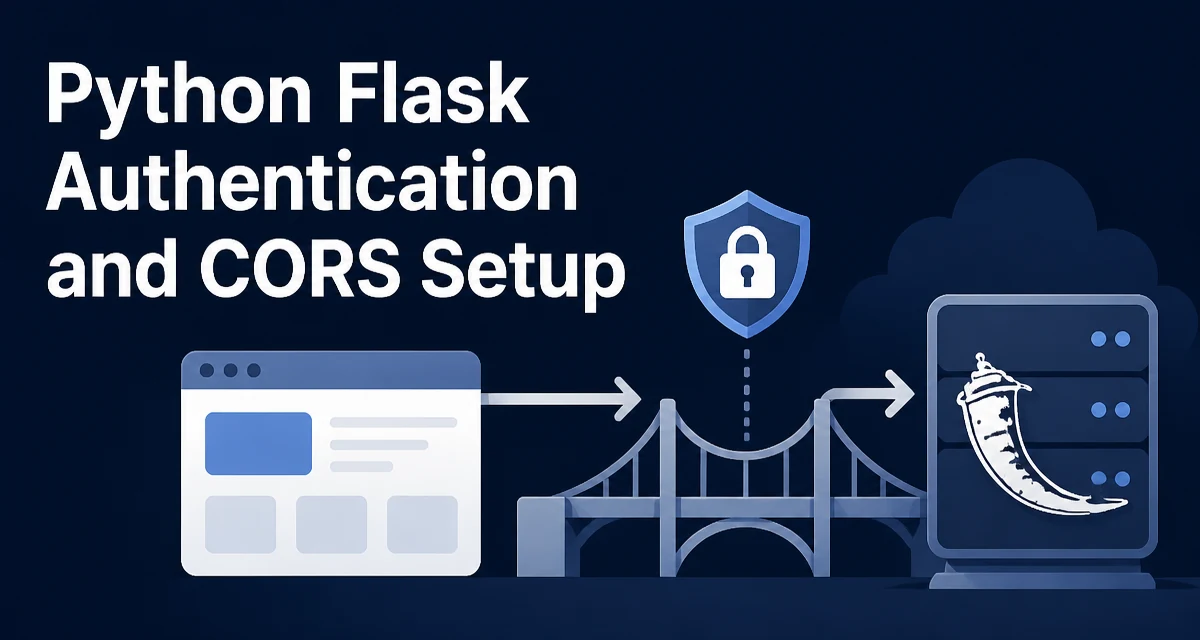
Python Flask Authentication and CORS Setup
Configure Flask authentication with CORS so browser clients can send Bearer tokens or cookies without preflight failures or security gaps.
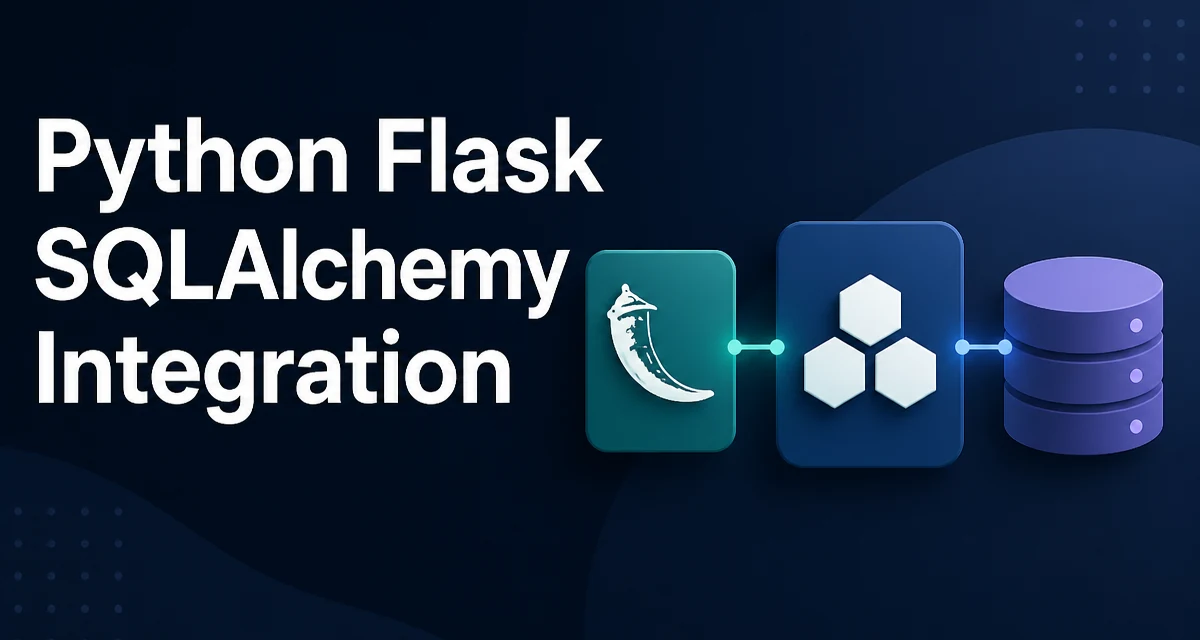
Python Flask SQLAlchemy Integration
How to integrate SQLAlchemy with Flask: set up the engine, declare models, manage sessions, query with the ORM, and add Alembic migrations.
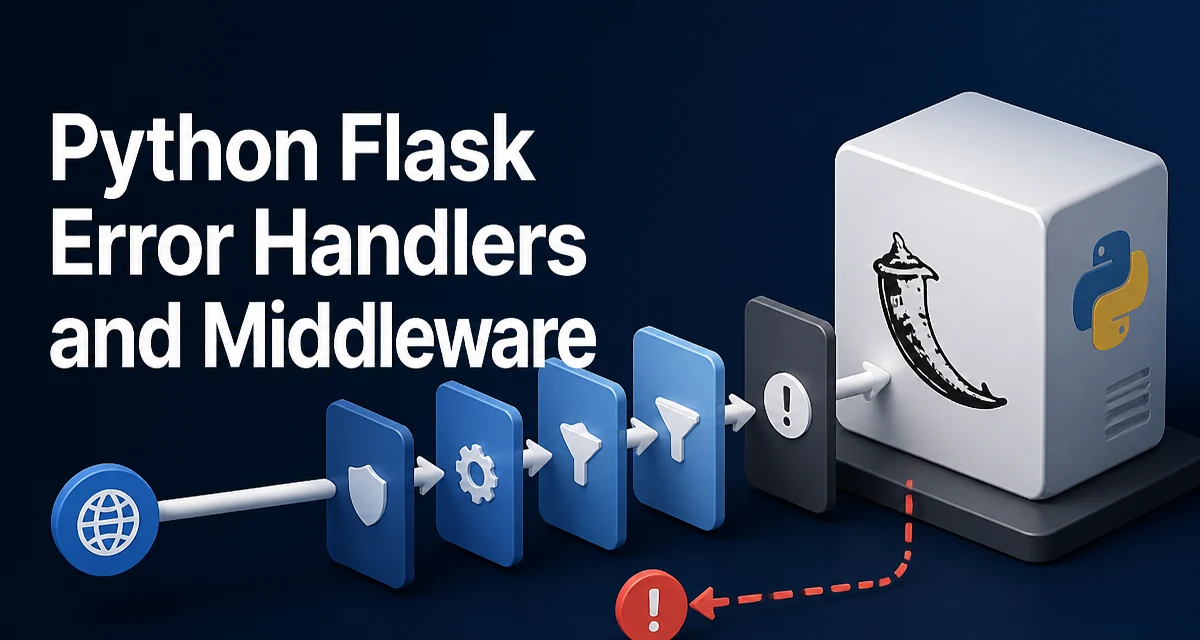
Python Flask Error Handlers and Middleware
python flask error handlers and middleware: Learn how to implement Flask error handlers and middleware to manage exceptions, customize responses, and control request l...
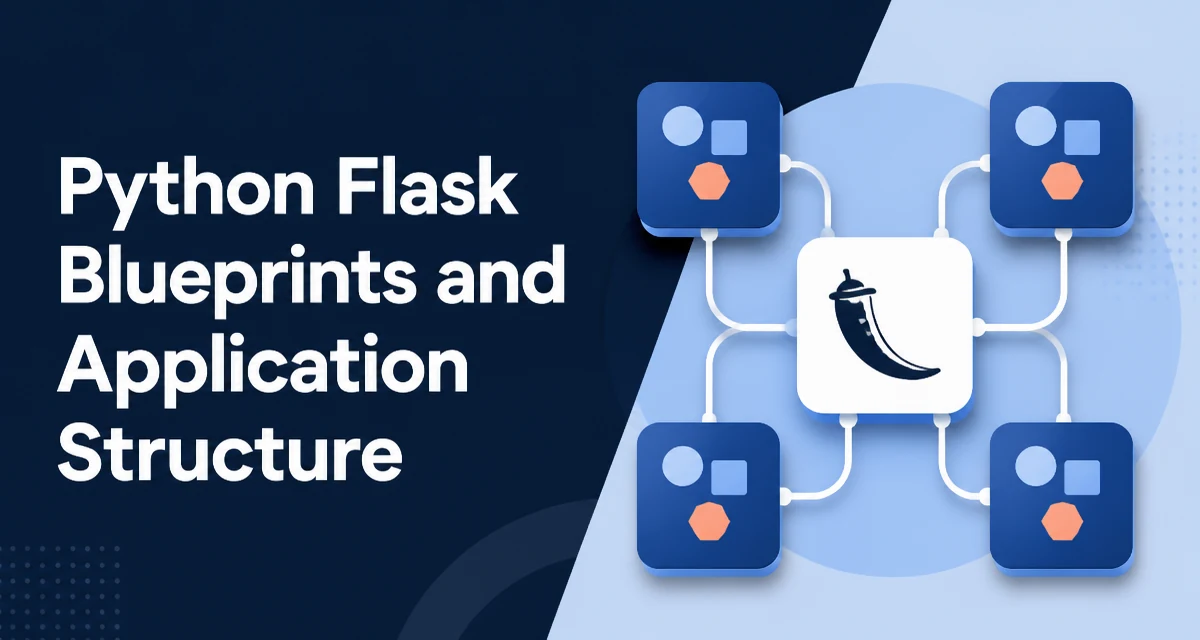
Python Flask Blueprints and Application Structure
How to organize a Python Flask application with blueprints: registration, URL prefixes, template resolution, error-handler scope, the factory pattern, and when splitting is not worth it.