Browse by Topic
Popular
Popular Posts


Latest
Latest Posts
C# Attribute Declaration Syntax and Usage
Learn the exact syntax for C# attribute declaration, including constructors, properties, targets, and retrieval via reflection.
C# Attributes: Syntax, Usage, and Runtime Behavior
Learn the syntax, targets, and runtime behavior of C# attributes, including custom attributes, reflection, and practical validation examples.
C# Params Multiple Arguments
Learn how the C# params keyword lets methods accept multiple arguments without explicit arrays, including syntax, overload resolution, null handling, allocation tradeoffs, and when to use collections instead.

Using C# params Span for Efficient Method Calls
Learn how to use C# params Span<T> to pass variable-length data with fewer heap allocations and better performance in high-throughput methods.
C# Params Array: Syntax and Usage
Learn how C# params array syntax works, when to use it, and how it affects method calls, overload resolution, and performance.
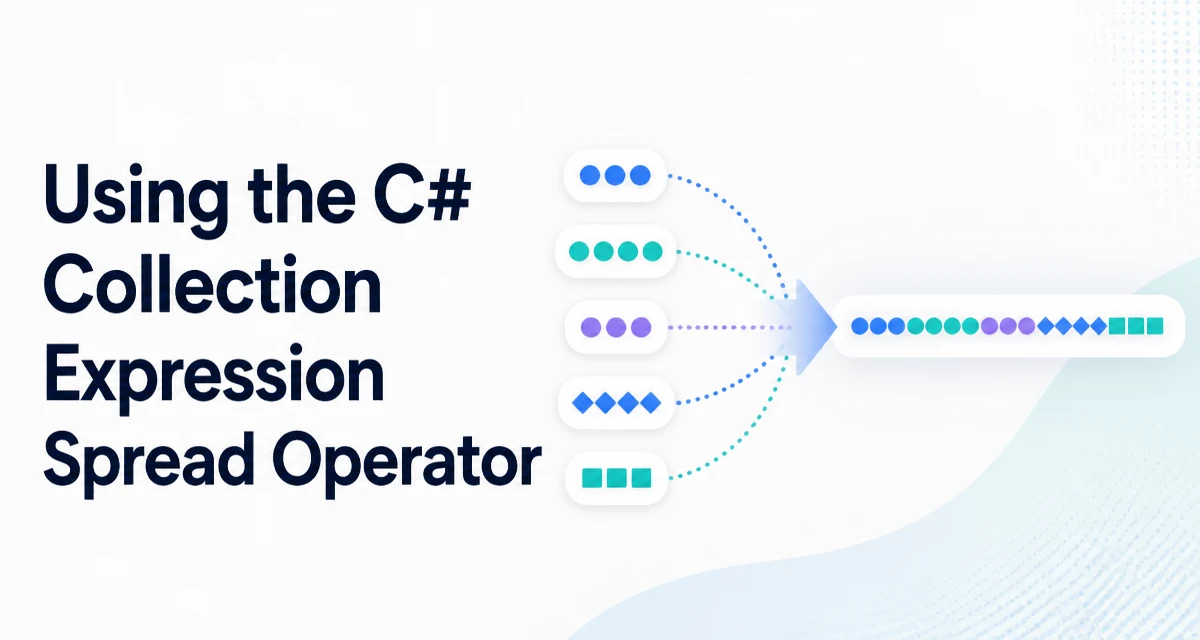
Using the C# Collection Expression Spread Operator
c# collection expression spread operator: Learn how the C# collection expression spread operator works, including syntax, target typing, allocation behavior, and commo...
C# Collection Expression List Initialization
Learn how C# 12 collection expressions simplify list initialization with concise syntax, target typing, and the spread operator.
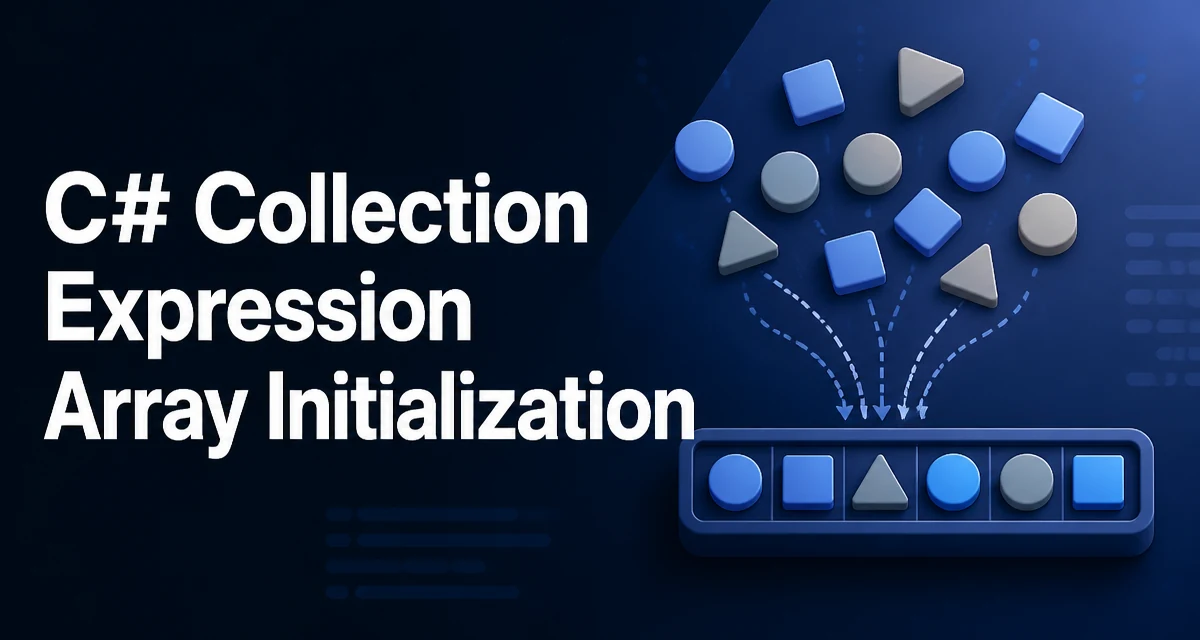
C# Collection Expressions for Array Initialization
Learn how C# 12 collection expressions simplify array initialization, including target typing, spread elements, and common limitations.
C# Collection Expression: Syntax and Examples
Learn how C# 12 collection expressions initialize arrays, lists, spans, and more with concise syntax and clear examples.
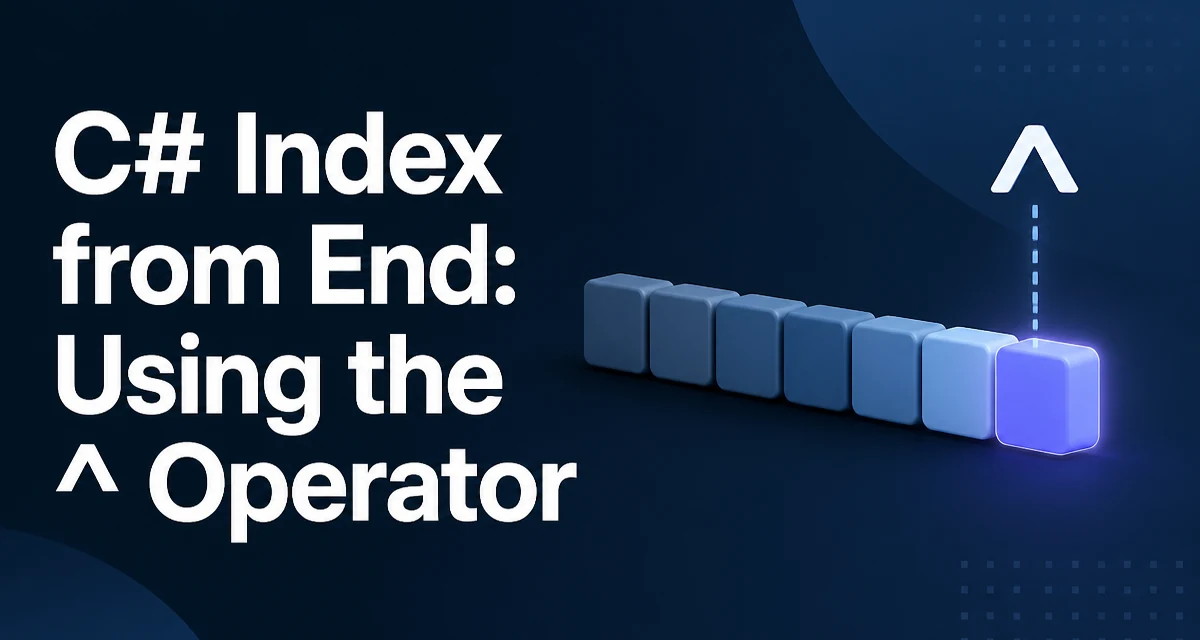
C# Index from End: Using the ^ Operator
Use the C# ^ operator to access elements from the end of arrays, lists, strings, and spans. See examples, edge cases, and performance notes.