Browse by Topic
Popular
Popular Posts

Latest
Latest Posts
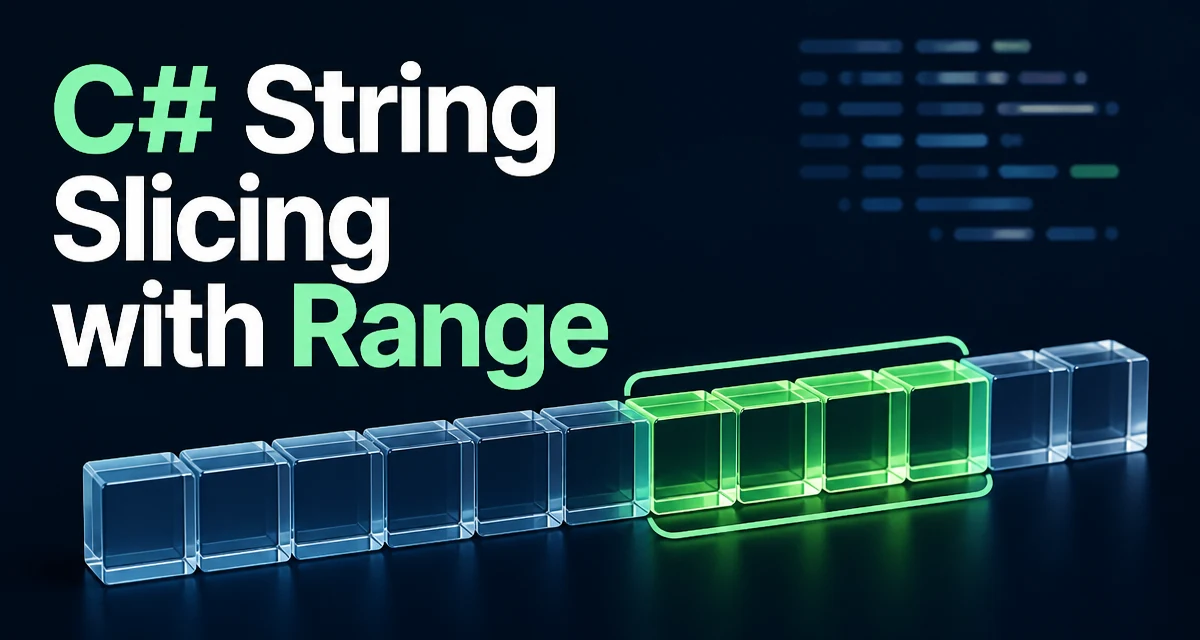
C# String Slicing with Range
c# string slicing with range: Learn how to slice strings with the C# range operator, including syntax, performance tradeoffs, and practical examples.
C# Array Slicing with Range
C# array slicing with the range operator: practical examples, performance trade-offs, and common pitfalls.
C# Hat Operator: Using Index from the End
c# hat operator: Learn how the C# hat operator (^) provides index-from-end access for arrays, lists, and spans with practical examples and performance notes.
C# Index Operator: Using ^ and ^.. Syntax
c# index operator: Learn how the C# index operator (^) and range operator (..) work, with practical examples for arrays, lists, and custom types.
Using the C# Range Operator
c# range operator: Learn how the C# range operator works for slicing arrays, strings, and collections, including syntax, edge cases, and performance considerations.
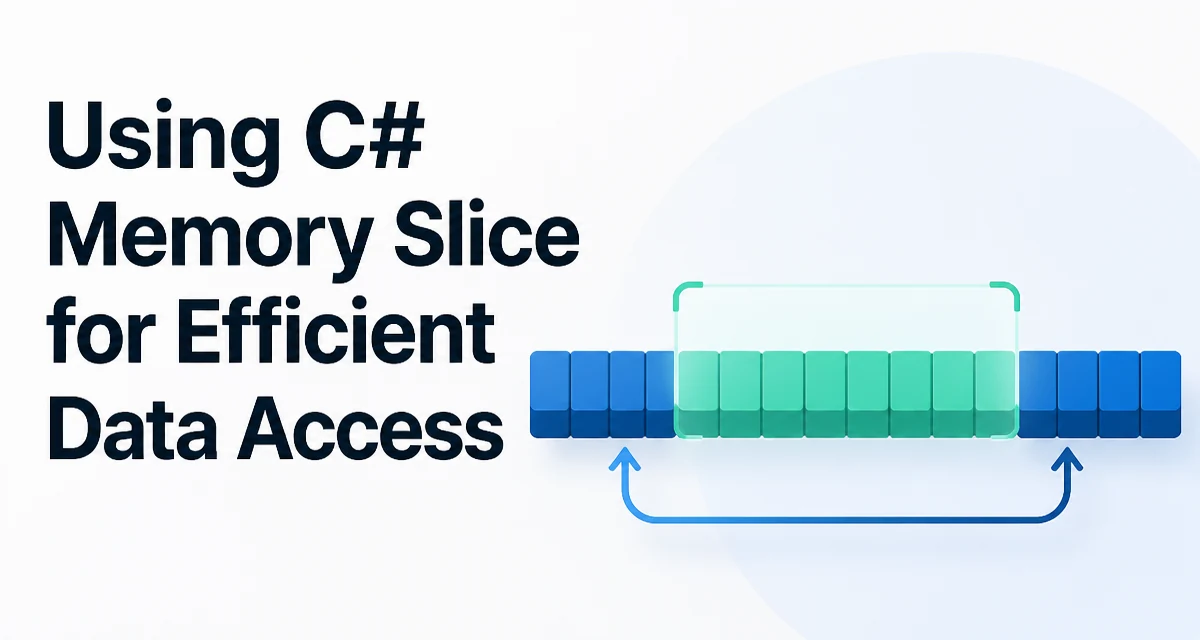
Using C# Memory Slice for Efficient Data Access
c# memory slice: Learn how to use Slice on Memory<T> and ReadOnlyMemory<T> in C# to share data ranges without copying or allocating new arrays.
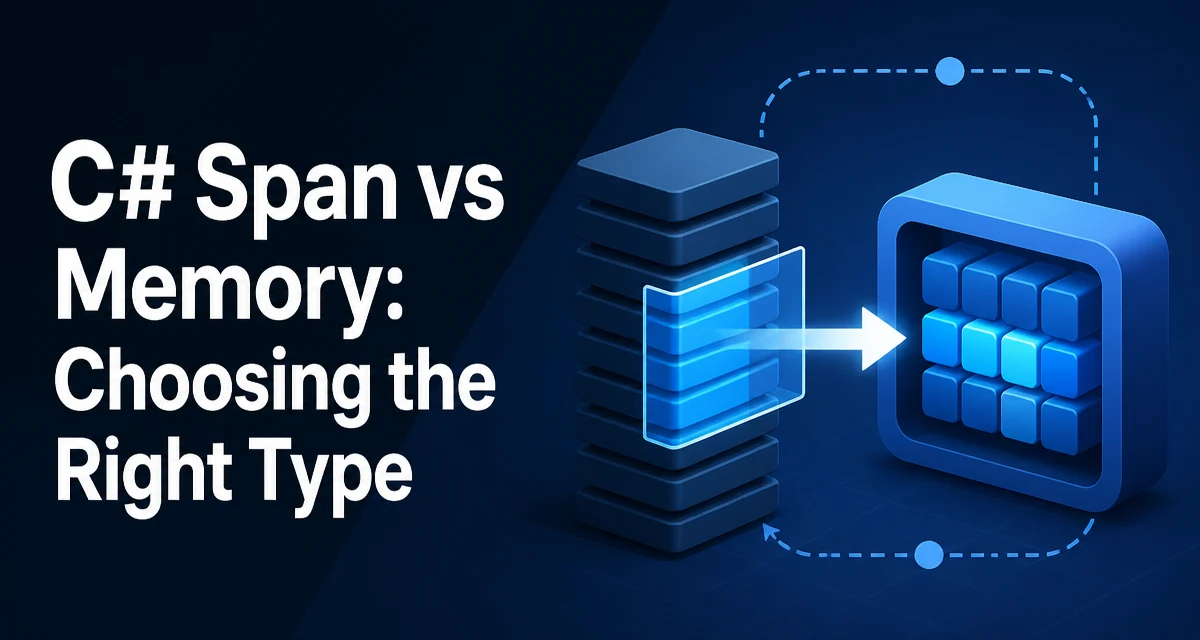
C# Span vs Memory: Choosing the Right Type
c# span vs memory: Learn when to use Span<T> and when to use Memory<T> in C#. Understand stack-only constraints, async limitations, streaming scenarios, and practical...
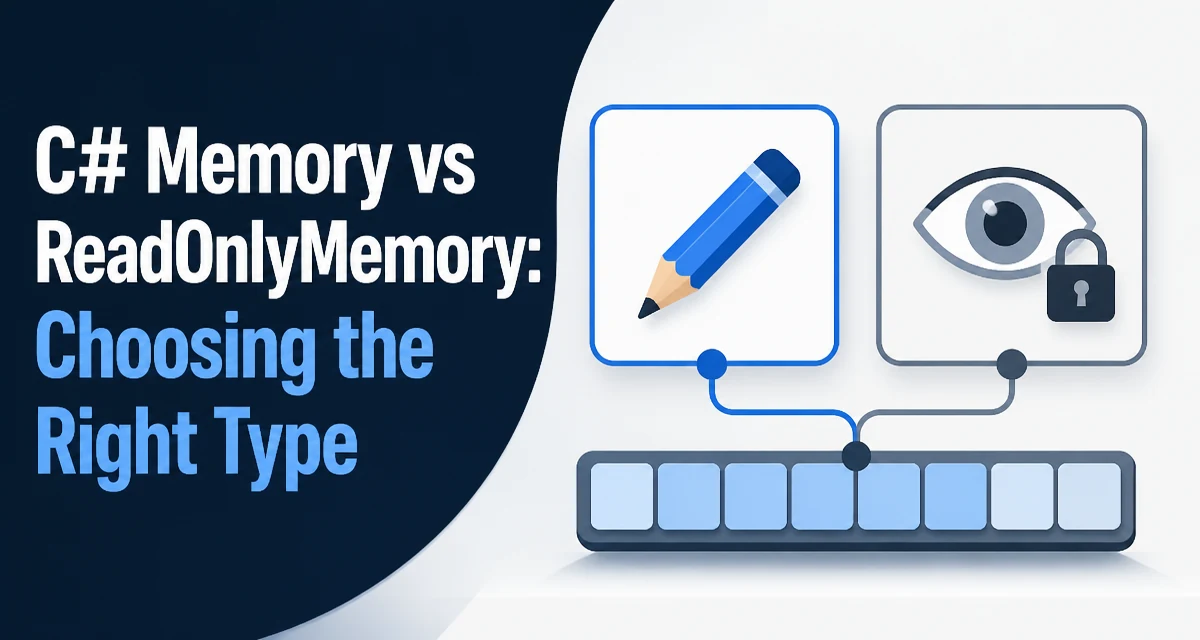
C# Memory vs ReadOnlyMemory: Choosing the Right Type
Understand the difference between Memory<T> and ReadOnlyMemory<T> in C#, when to use each, and how they relate to Span<T> for efficient buffer handling.

C# Memory Usage: Diagnosing and Reducing Allocations
Practical techniques for profiling C# memory usage, reducing allocation hotspots, reusing buffers, and avoiding common GC traps.
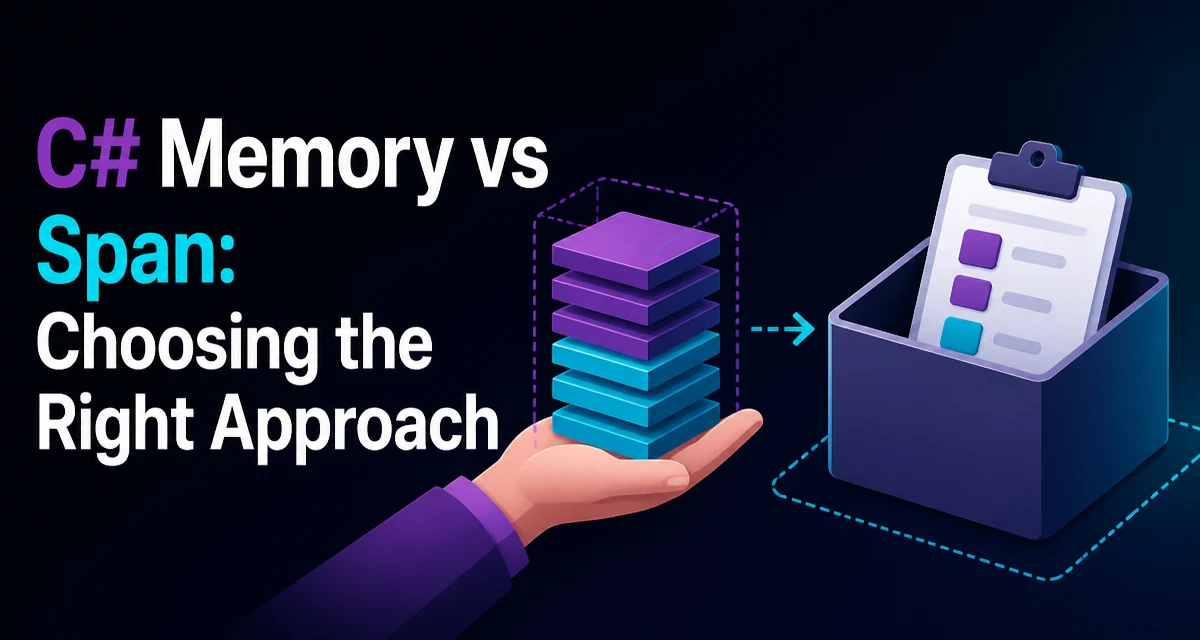
C# Memory vs Span: Choosing the Right Approach
c# memory vs span: Understand the differences between Memory<T> and Span<T> in C#, including when to use each, their runtime behavior, and practical guidance for high-...