Browse by Topic
Popular
Popular Posts



Latest
Latest Posts
c# ref Keyword: Passing Arguments by Reference
Learn how the c# ref keyword passes arguments by reference, how it differs from out and in, and when to use it for mutation or performance.

C# Record with Object Copy: Using `with`
c# record with object copy: Learn how to copy C# record objects using `with` expressions, understand shallow vs deep copy behavior, and know when to use them.

C# Object Copying: Shallow vs Deep Copy
Learn how to copy objects in C# correctly. Compare shallow and deep copy approaches, understand reference semantics, and choose the right strategy.
C# MemberwiseClone: Shallow Copy Basics
Learn how C# MemberwiseClone creates shallow copies, why nested objects are shared, and when a deep copy is necessary.

C# Shallow Copy vs Deep Copy
Understand the difference between shallow and deep copying in C#, how to implement each, and when to choose one over the other.
C# Object Casting and Boxing: How Type Conversion Works
Understand how C# object casting and boxing work, the runtime cost of boxing, common unboxing errors, and when to prefer generics over object conversions.

C# Boxing Performance: Avoiding Hidden Allocations
c# boxing performance: Learn how boxing affects C# performance, where hidden allocations occur, and how generics help you avoid them in hot paths.

Demystifying C# Unboxing
Practical C# unboxing guide: runtime mechanics, InvalidCastException pitfalls, nullable value behavior, and generic alternatives that reduce boxing.
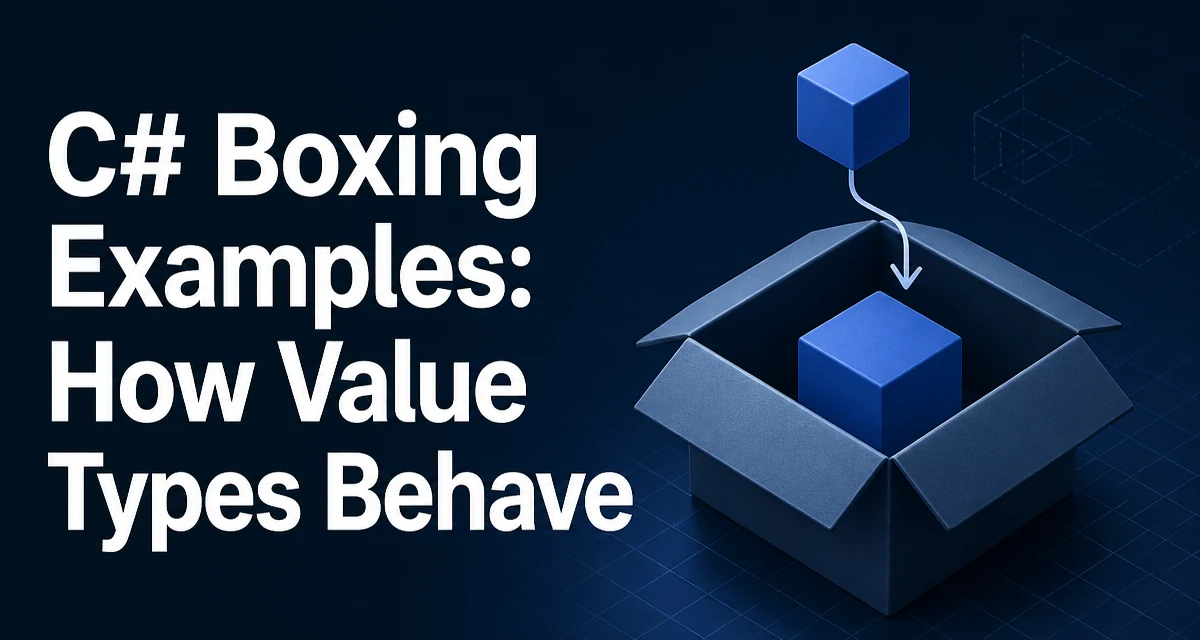
C# Boxing Examples: How Value Types Behave
c# boxing examples: Understand C# boxing with practical examples: what happens on the heap, why unboxing requires exact type casts, and how to avoid boxing with generics.
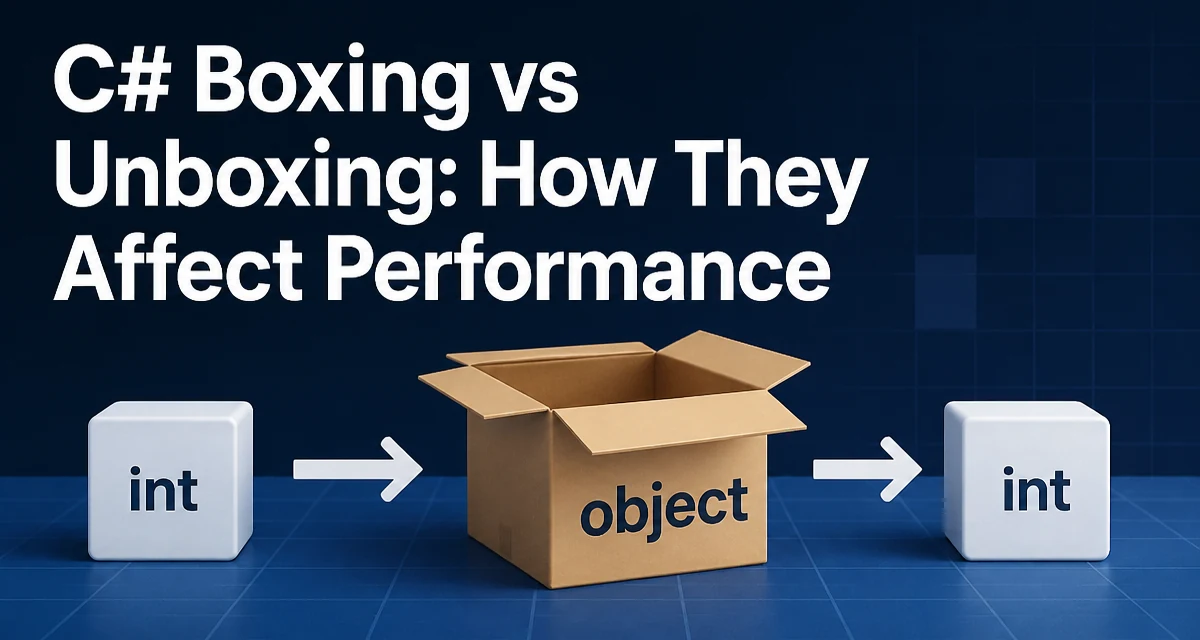
C# Boxing vs Unboxing: How They Affect Performance
Understand how C# boxing and unboxing work, why boxing can add allocations, and how to reduce unnecessary conversions in performance-sensitive code.