Browse by Topic
Popular
Popular Posts
Latest
Latest Posts

Using C# Span with Stackalloc for Zero-Allocation Buffers
Learn how to use C# Span<T> with stackalloc for zero-allocation temporary buffers: syntax, constraints, practical examples, and when to avoid stack allocation.
Using C# stackalloc for High-Performance Buffers
Learn how to use c# stackalloc to allocate buffers on the stack, avoid heap allocations, and improve performance in high-frequency code paths.
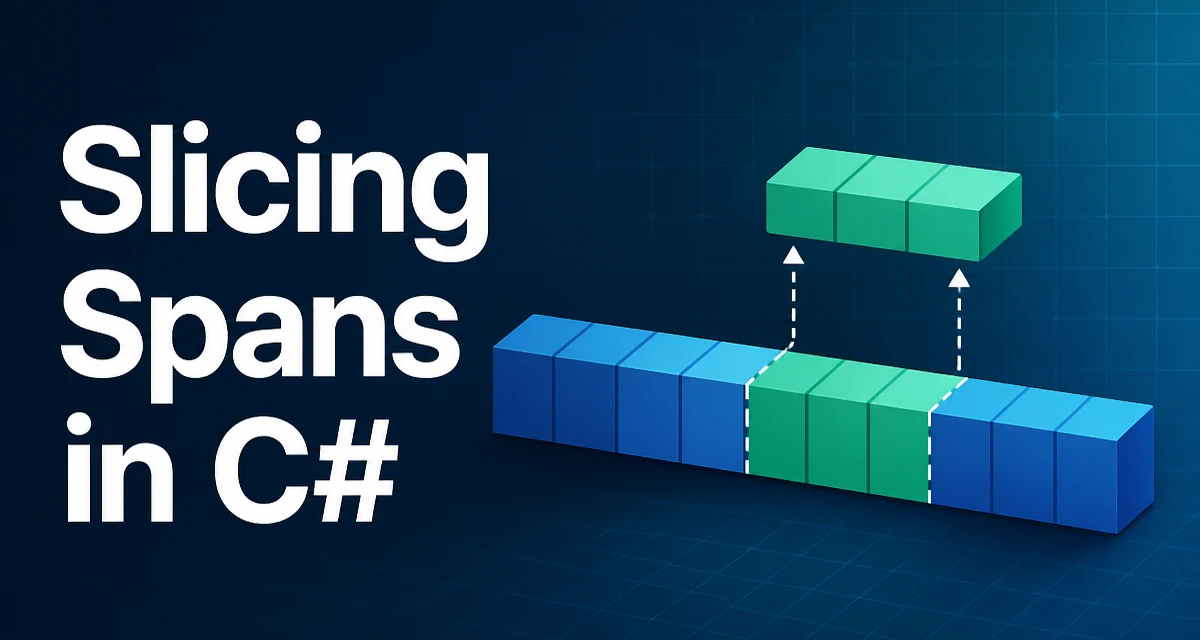
Slicing Spans in C#
Learn how to use Span<T>.Slice to create memory views without allocations, with practical examples and performance considerations.
Using ReadOnlySpan in C# for Slicing and Validation
ReadOnlySpan in C# enables allocation-free slicing and validation of strings and buffers. Includes practical parsing examples, ref struct restrictions, and performance trade-offs.

C# Span vs Array: Choosing the Right Type
Learn the practical differences between Span<T> and arrays in C#, including memory allocation, performance, and when to use each type.
C# Span vs String: When to Use Each for Performance
Compare Span<T> and string in C# for memory efficiency and performance. Learn when to use each, how they differ, and see practical examples.
C# scoped ref: Controlling Reference Lifetimes
C# scoped ref: Learn how the scoped modifier in C# restricts reference lifetimes, prevents unsafe escapes, and improves safety with ref structs like Span<T>.
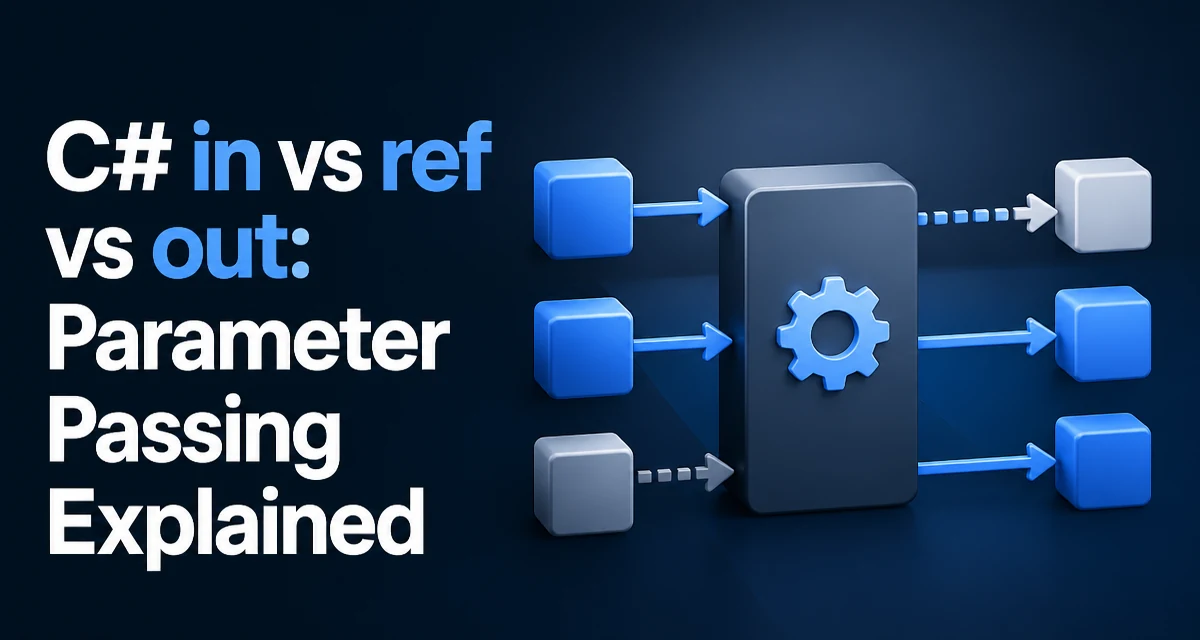
C# in vs ref vs out: Parameter Passing Explained
Learn how C# in, ref, and out parameter modifiers differ, when to use each, and how they affect method signatures and runtime behavior.
Understanding `readonly ref` in C#
c# readonly ref: Learn how `readonly ref` in C# enables returning and passing large structs by reference without mutation, reducing copies and improving performance.
C# ref readonly: Passing Large Structs Without Copies
Learn how C# ref readonly and in let you pass or return large structs by reference without copying while preventing the callee from modifying them. See syntax, performance trade-offs, and common pitfalls.