Browse by Topic
Popular
Popular Posts



Latest
Latest Posts
C# List Exists: How to Check for Elements
Learn how to check whether an item exists in a C# List using Contains, Exists, and LINQ Any, including equality and performance behavior.
C# List FindIndex: Locating Elements by Predicate
Learn how to use `List<T>.FindIndex` in C# to locate the first element matching a predicate, handle `-1` when nothing matches, and choose among `FindIndex`, `IndexOf`, and LINQ.

Using C# List FindAll to Filter Collections
Learn how to filter a List<T> with FindAll and Predicate<T> in C#, including syntax, examples, and how it compares with LINQ Where.
C# List Find: Using Predicates to Locate Elements
Learn how to use C# List<T>.Find with predicates, handle missing elements, and decide when to prefer LINQ alternatives.
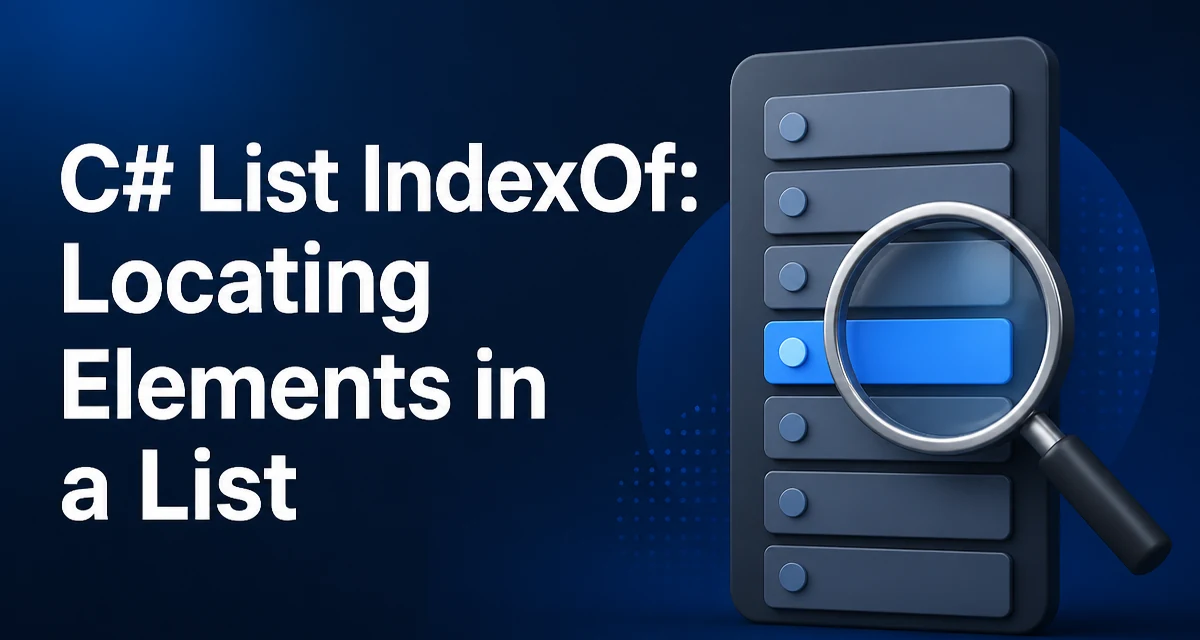
C# List IndexOf: Locating Elements in a List
Learn how to use List.IndexOf in C# to find element positions, handle missing items, and choose between IndexOf and FindIndex.
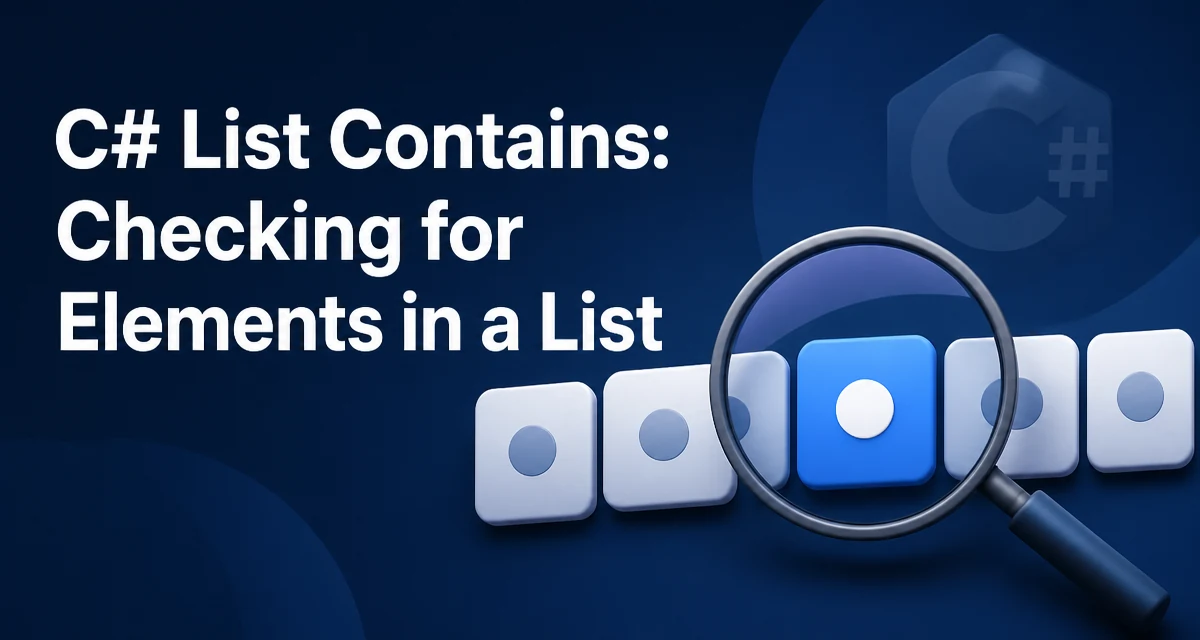
C# List Contains: Checking for Elements in a List
Learn how List<T>.Contains works in C#, how equality is determined for value and reference types, and when HashSet is more efficient for membership checks.
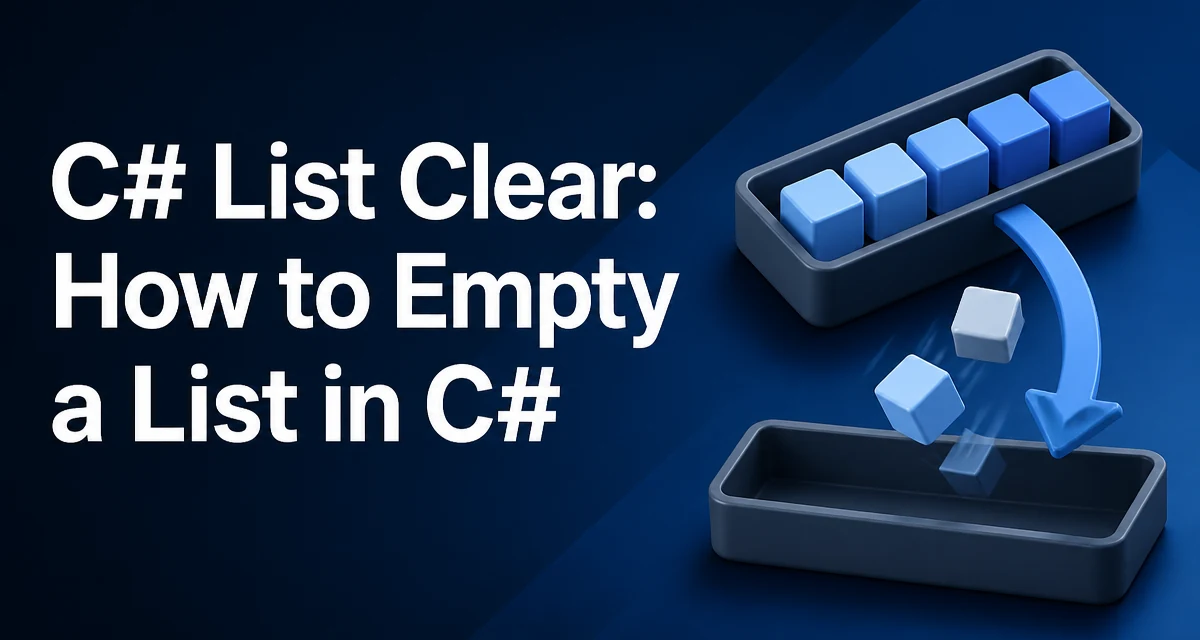
C# List Clear: How to Empty a List in C#
c# list clear: Learn how to use List<T>.Clear() to remove all elements from a C# list, including performance implications, alternatives, and common pitfalls.

Using List.RemoveAll in C# to Filter Elements
Learn how to use List<T>.RemoveAll in C# with predicates, including runtime behavior, performance tradeoffs, and alternatives.
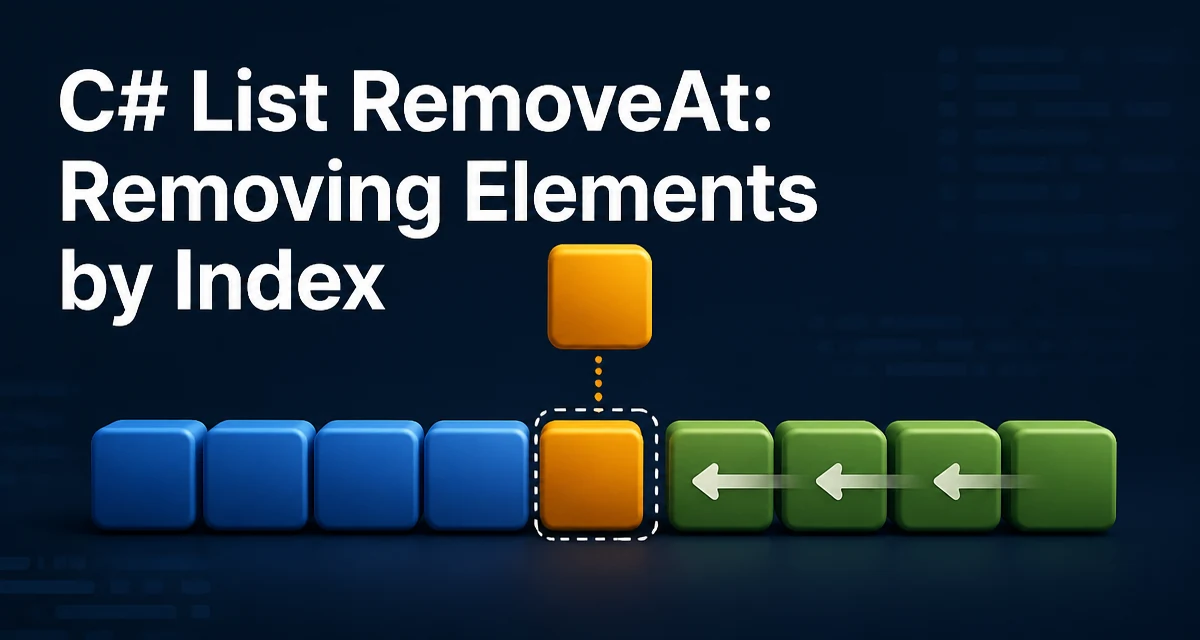
C# List RemoveAt: Removing Elements by Index
Learn how List<T>.RemoveAt works in C#, including its performance characteristics, common pitfalls, and when to use alternatives.

C# List Remove: Methods and Performance
Remove elements from a C# List<T> using Remove, RemoveAt, RemoveAll, and RemoveRange, with examples, performance tradeoffs, and common pitfalls.