Browse by Topic
Popular
Popular Posts


Latest
Latest Posts
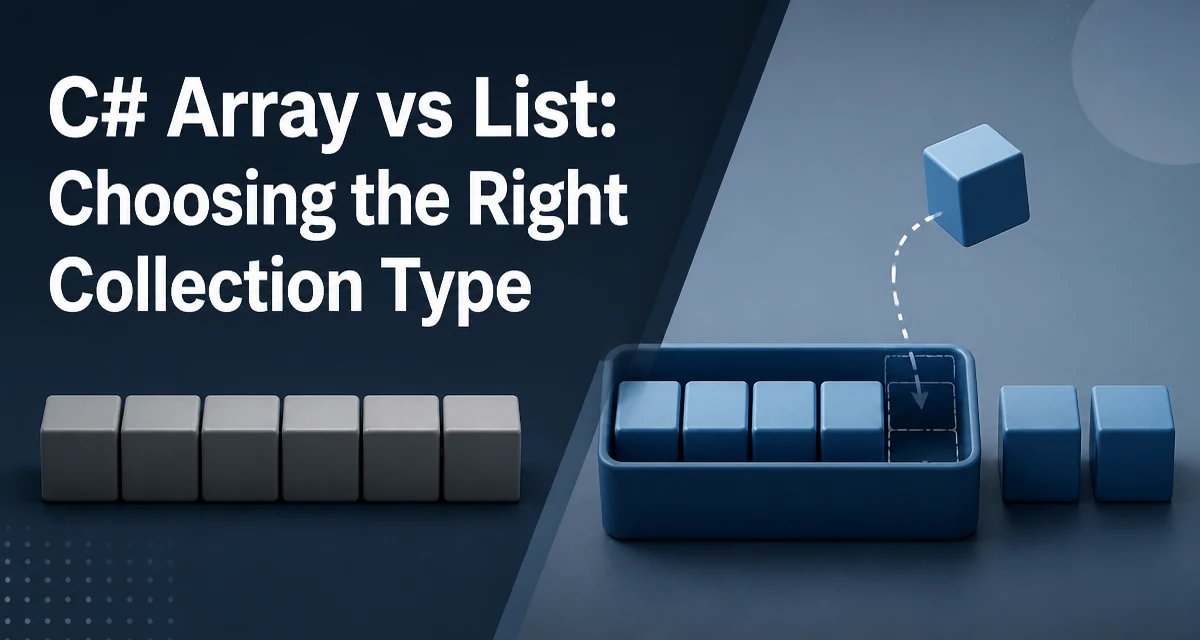
C# Array vs List: Choosing the Right Collection Type
c# array vs list: Compare C# arrays and List<T> for fixed-size and dynamic collections, covering memory, performance, API differences, and when each type fits best.
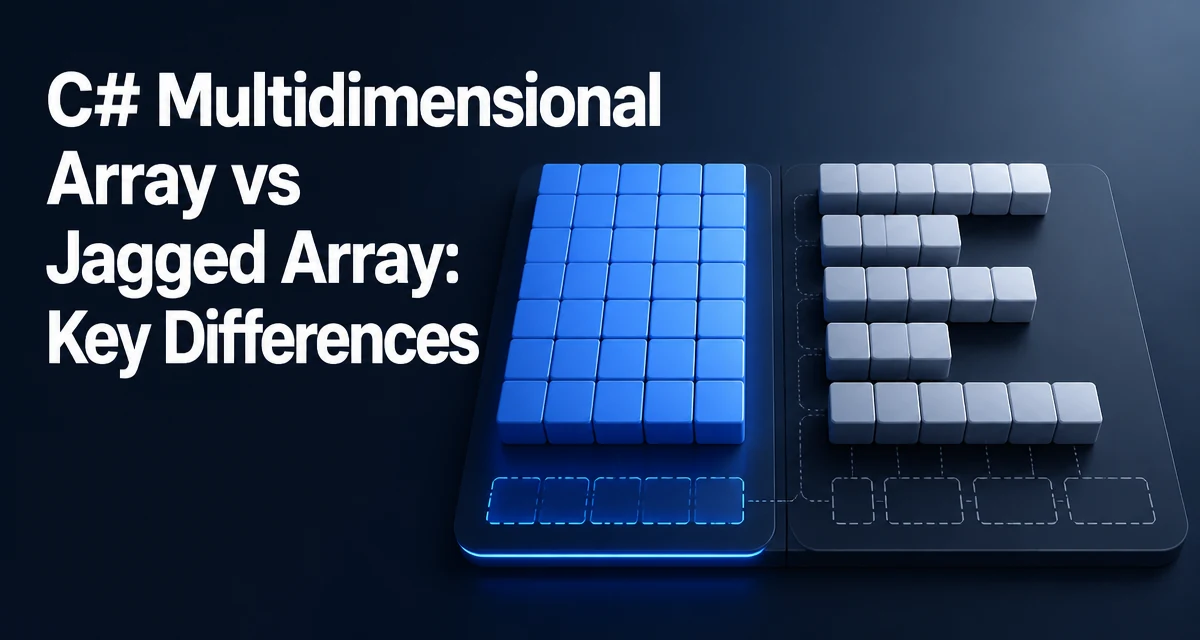
C# Multidimensional Array vs Jagged Array: Key Differences
Compare C# multidimensional and jagged arrays: syntax, memory layout, performance, and when to choose each for your code.
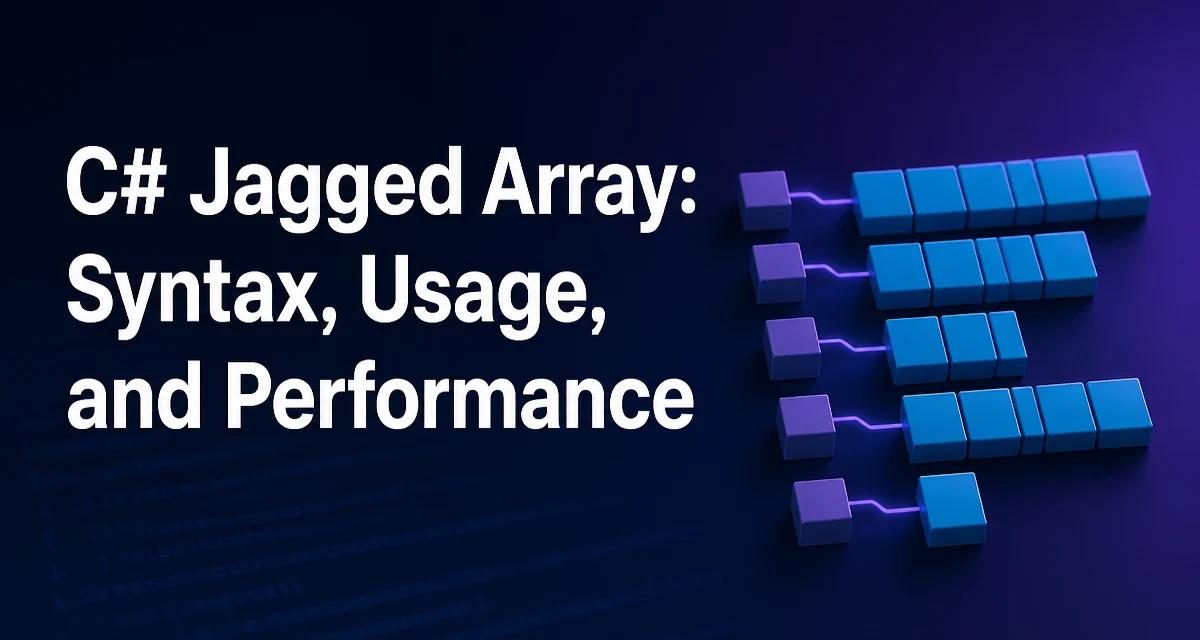
C# Jagged Array: Syntax, Usage, and Performance
C# jagged array: Learn how to declare, initialize, and iterate C# jagged arrays, understand their memory layout, and see when they outperform multidimensional arrays.
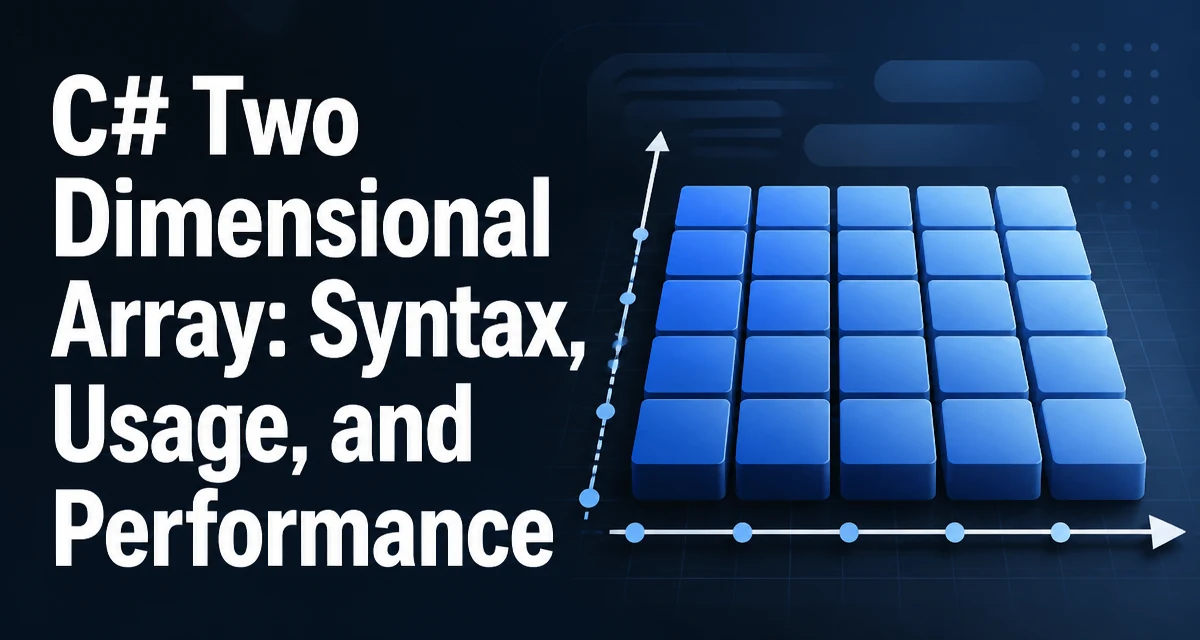
C# Two-Dimensional Array: Syntax, Usage, and Performance
Learn how to declare, initialize, and access two-dimensional arrays in C#. Compare multidimensional and jagged arrays, and understand performance trade-offs.
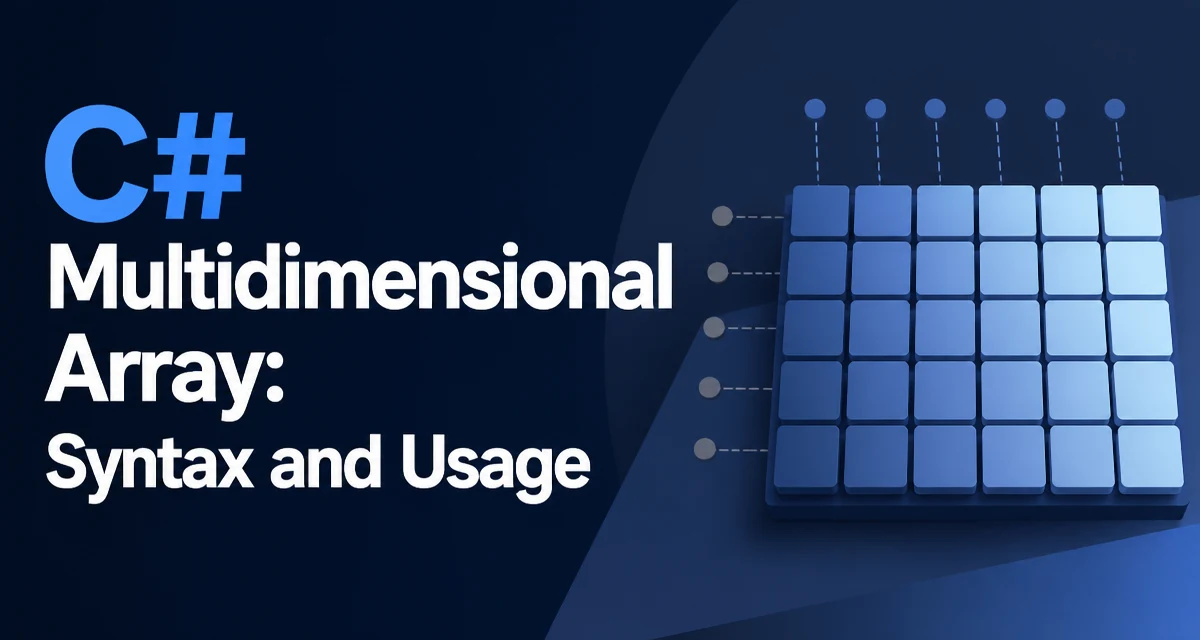
C# Multidimensional Array: Syntax and Usage
Learn how to declare, initialize, and iterate C# multidimensional arrays, including rectangular vs jagged arrays and performance tradeoffs.
C# Array Contains: Methods and Performance
Learn how to check whether a C# array contains a value using LINQ Contains, Array.IndexOf, and manual loops, with performance and edge-case considerations.

C# Array IndexOf: Find Element Positions
Learn how to use C# Array.IndexOf to find element positions, handle missing values, and compare it with LINQ alternatives.

C# Search Array: IndexOf, Find, and LINQ
Learn how to search arrays in C# using IndexOf, Find, FindIndex, and LINQ, and understand when each approach fits best.
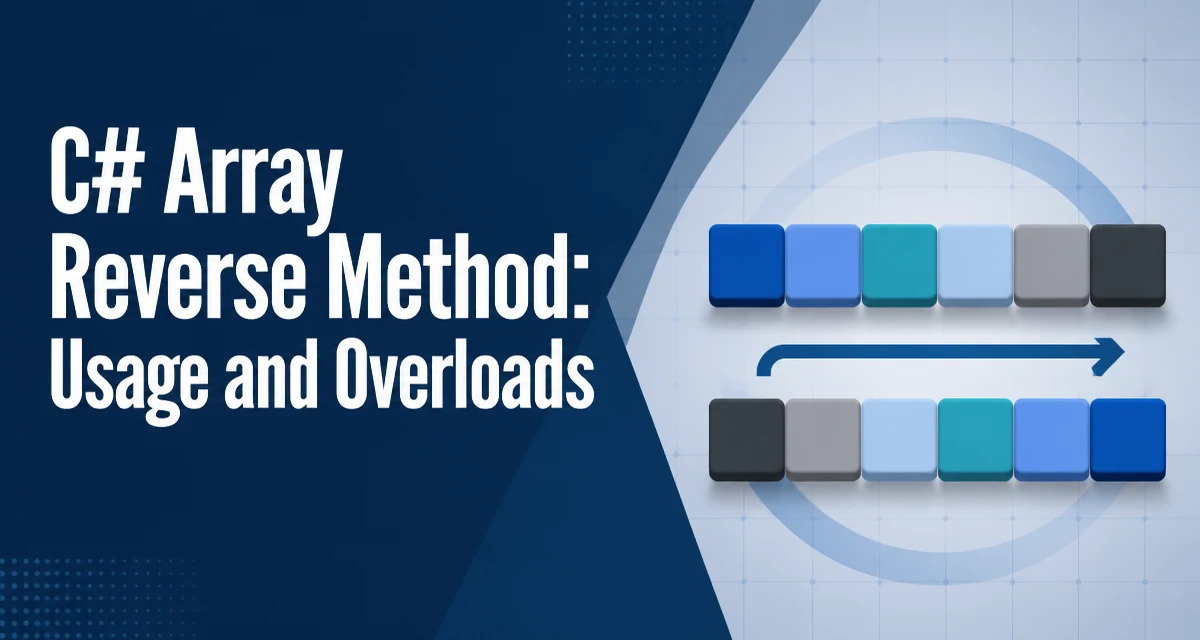
C# Array Reverse Method: Usage and Overloads
Learn how to use C#'s Array.Reverse method: its overloads, in-place behavior, range reversal, performance tradeoffs, and when LINQ's Reverse is a better fit.
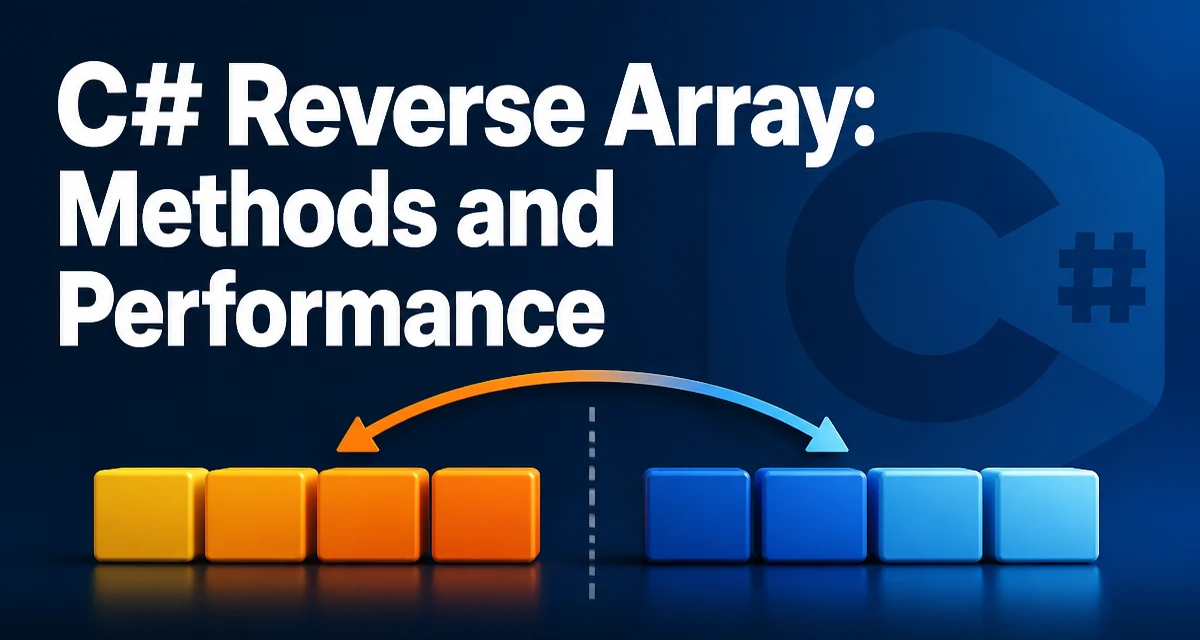
C# Reverse Array: Methods and Performance
Learn how to reverse arrays in C# using Array.Reverse, LINQ, and manual loops, with performance considerations and common pitfalls.