Browse by Topic
Popular
Popular Posts

Latest
Latest Posts
C# String Equals: Choosing the Right Comparison
Understand C# string equality with ==, Equals, and String.Compare, including ordinal vs. culture-sensitive behavior, null handling, and performance trade-offs.
C# String Comparison: Ordinal vs Culture
Learn how to compare strings in C#: choose between ordinal and culture-sensitive behavior, use == and Equals effectively, and apply StringComparison when you need explicit control.
C# ToUpper and ToLower: String Case Conversion
c# toupper tolower: Learn how to use C# ToUpper and ToLower for string case conversion, including culture-sensitive and invariant overloads, with practical examples an...
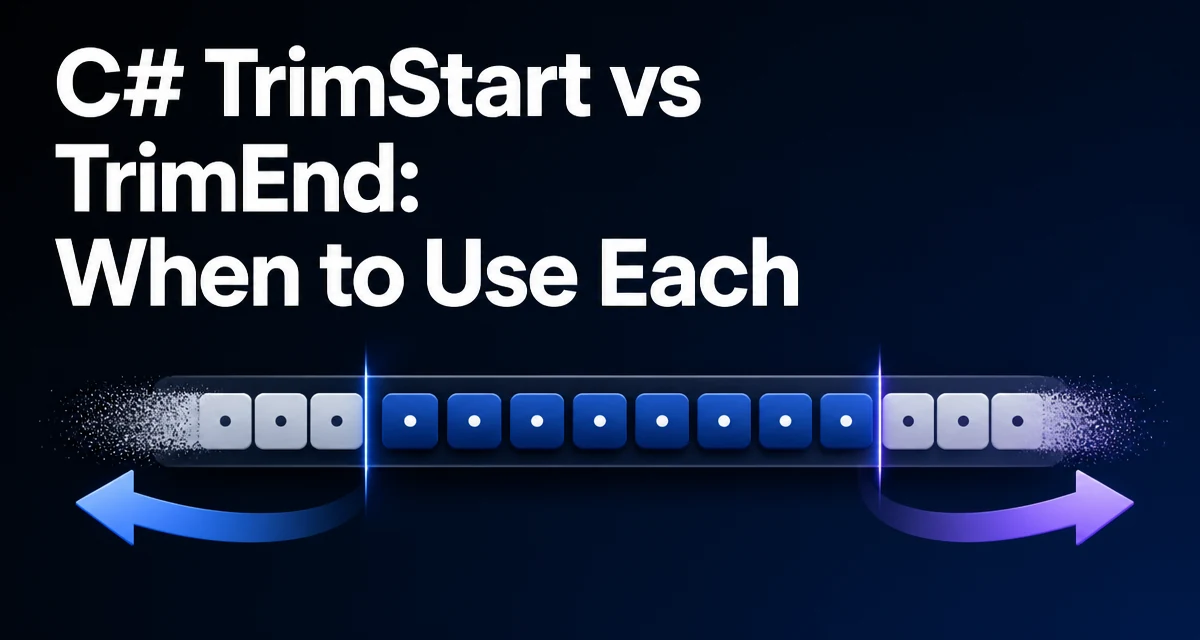
C# TrimStart vs TrimEnd: When to Use Each
Compare C# TrimStart and TrimEnd: their overloads, behavior with whitespace and character sets, null handling, and practical examples for trimming one side of a string.
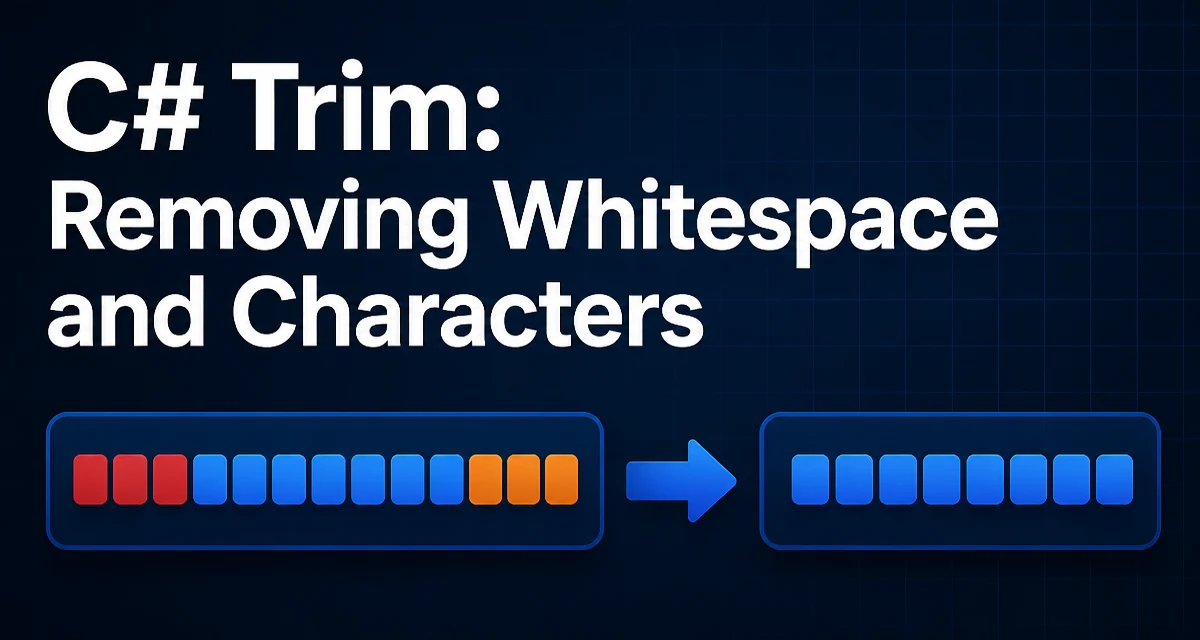
C# Trim: Removing Whitespace and Characters
c# trim: Learn how to use C# Trim, TrimStart, and TrimEnd to remove whitespace and custom characters from strings, including performance and culture considerations.

Find the Last Occurrence with C# LastIndexOf
c# lastindexof: Learn C# LastIndexOf syntax, overloads, and practical use cases to find the last occurrence of a character or substring in a string.
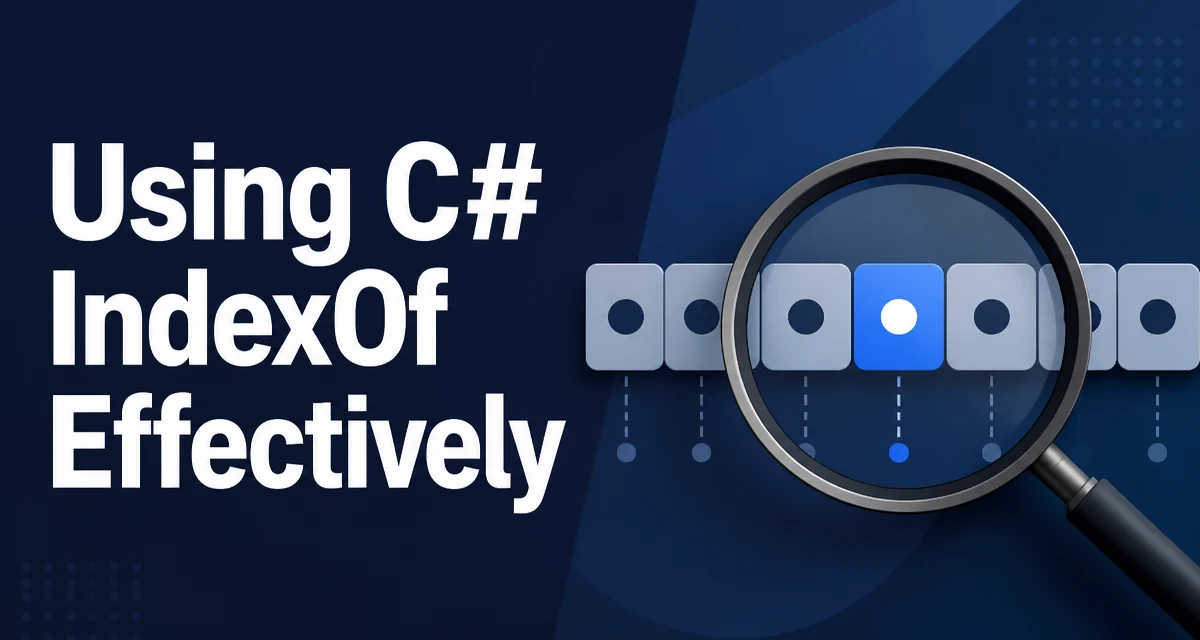
Using C# IndexOf Effectively
Learn how to use the IndexOf method in C# on strings and collections, including overloads, comparison rules, error handling, and practical tradeoffs.
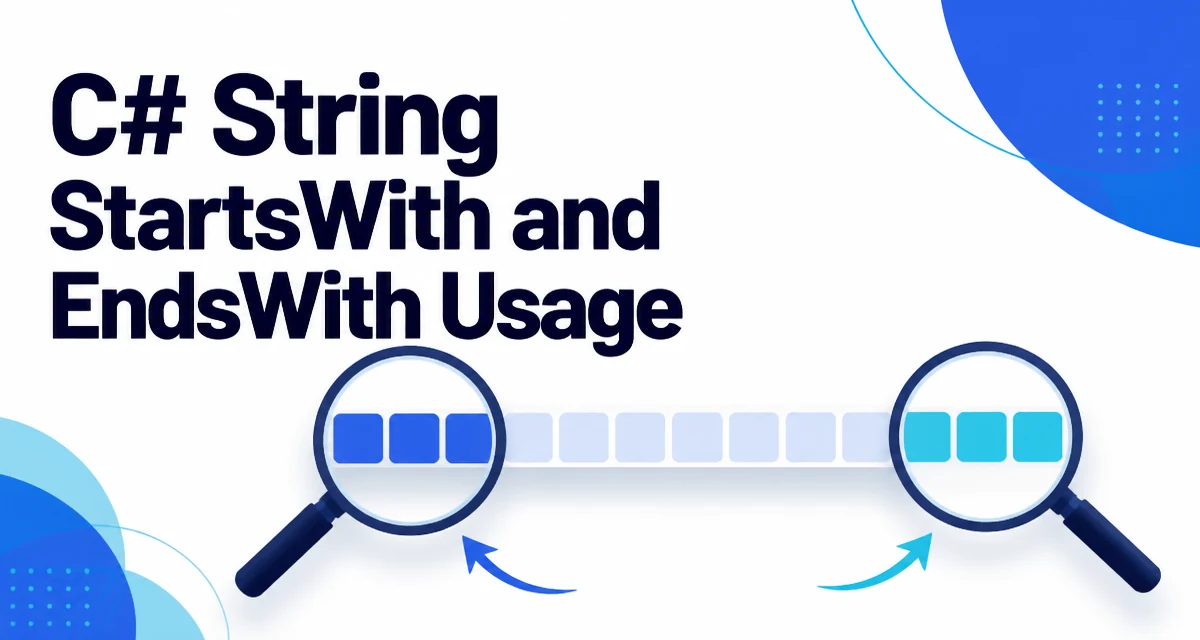
C# String StartsWith and EndsWith Usage
c# startswith endswith: Learn how to use C# StartsWith and EndsWith methods for string prefix and suffix checks, including overloads, culture considerations, and perfo...
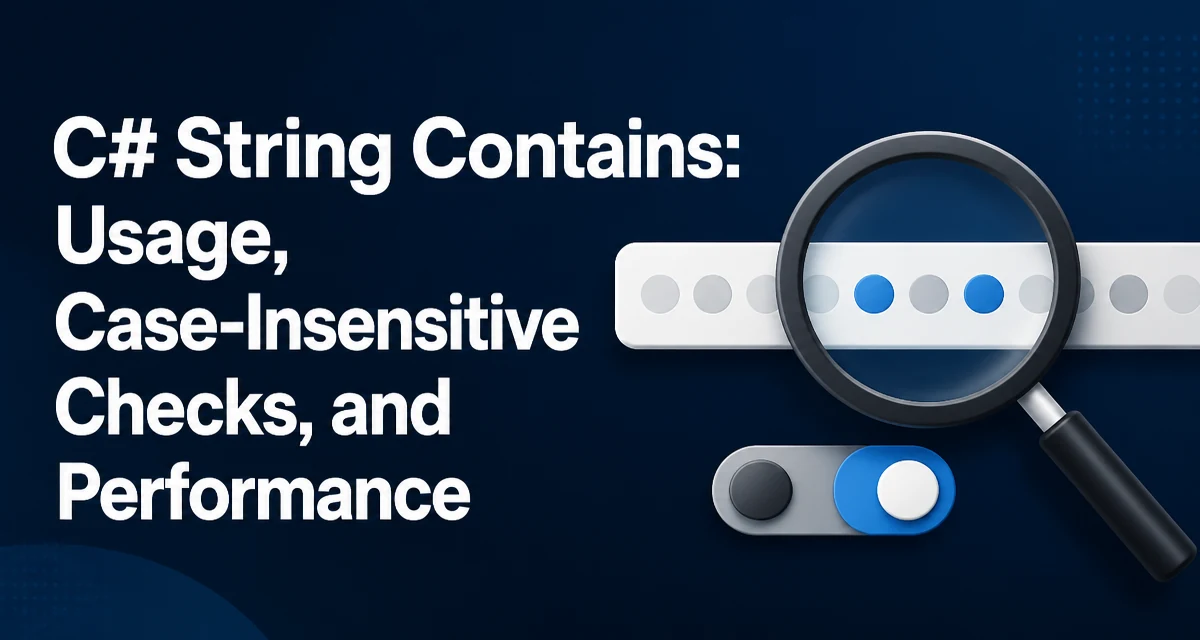
C# String Contains: Usage, Case-Insensitive Checks, and Performance
Learn how to use C# String.Contains, handle case sensitivity with StringComparison, and choose between ordinal and culture-sensitive comparisons.
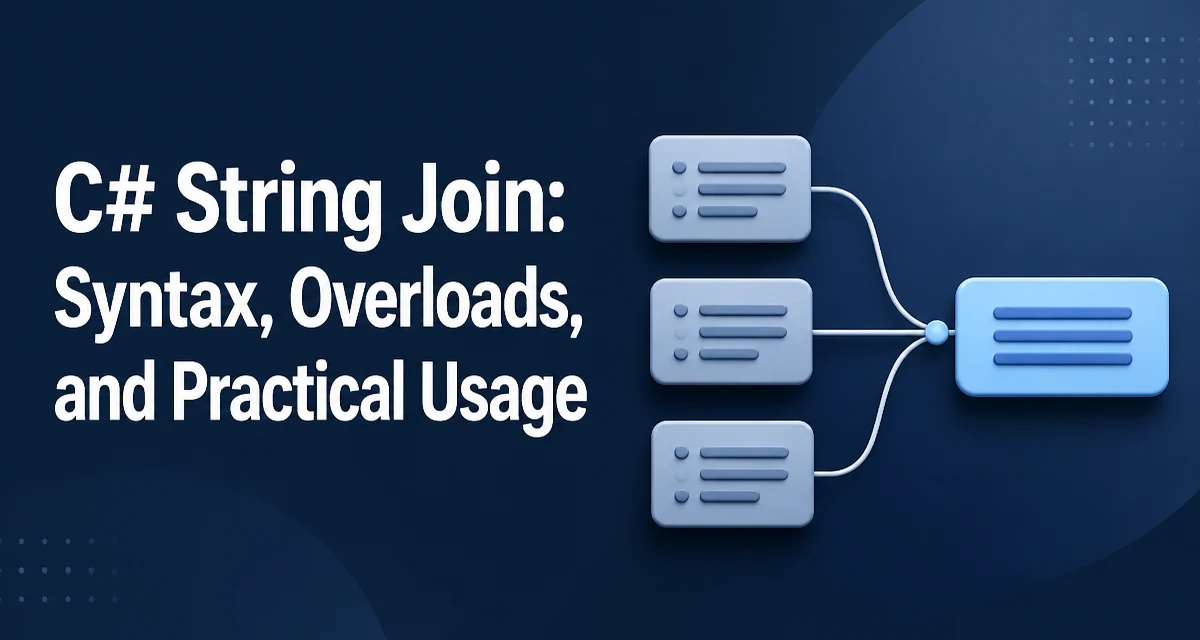
C# String Join: Syntax, Overloads, and Practical Usage
Learn how to use string.Join in C# to concatenate arrays and collections, choose the right overload, handle null elements, and avoid common pitfalls.