All syntax guides
Short, practical guides on programming syntax, language fundamentals, and the tools developers reach for every day.
3,965 guides across 14 topics
Topics
Popular guides
Most read



Latest guides
Page 347 of 397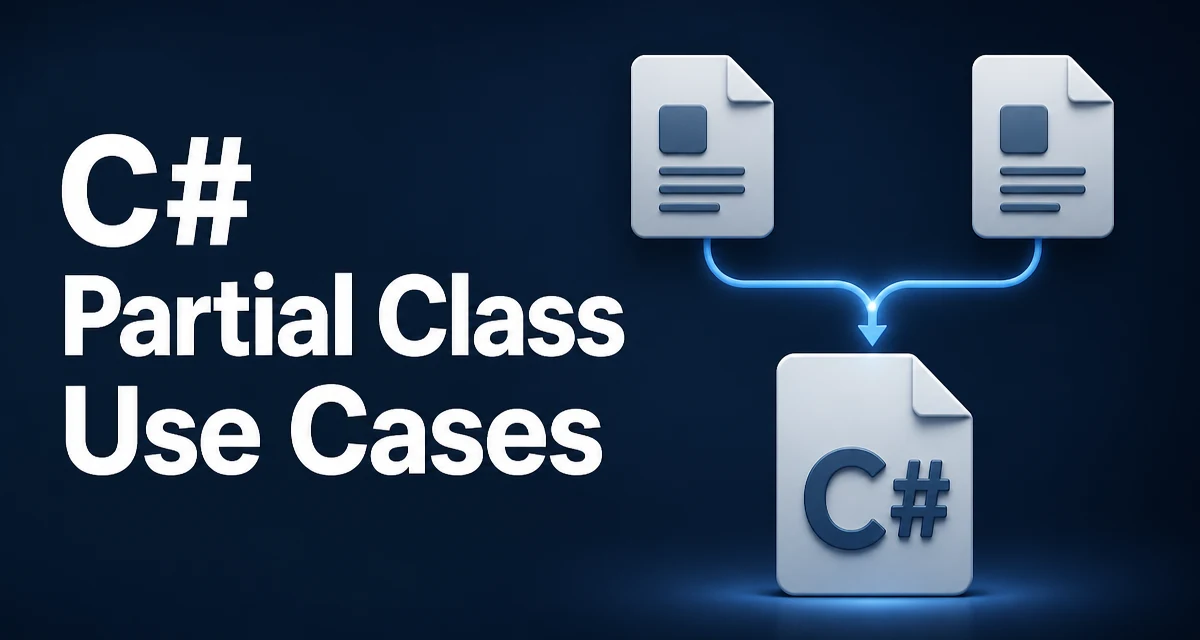
C# Partial Class Use Cases
Explore practical C# partial class use cases: splitting large types, separating designer-generated code, and improving team workflows, plus limitations to consider.
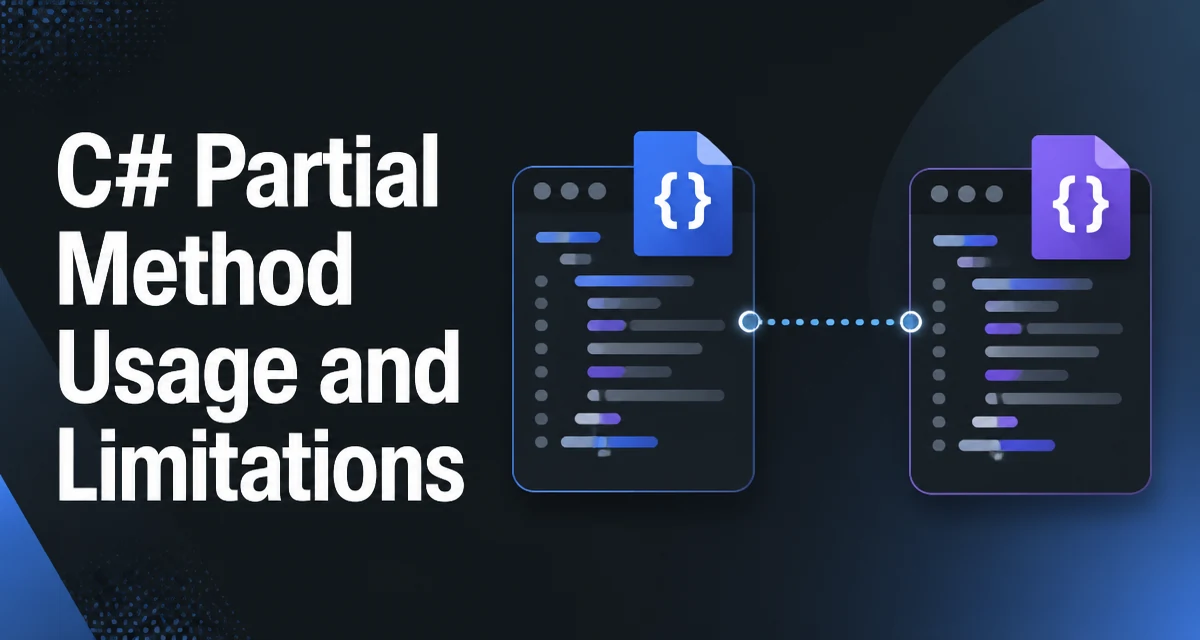
C# Partial Method Usage and Limitations
c# partial method: Explore C# partial methods: syntax, conditions for implementation, code generation usage, and common pitfalls for .NET developers.
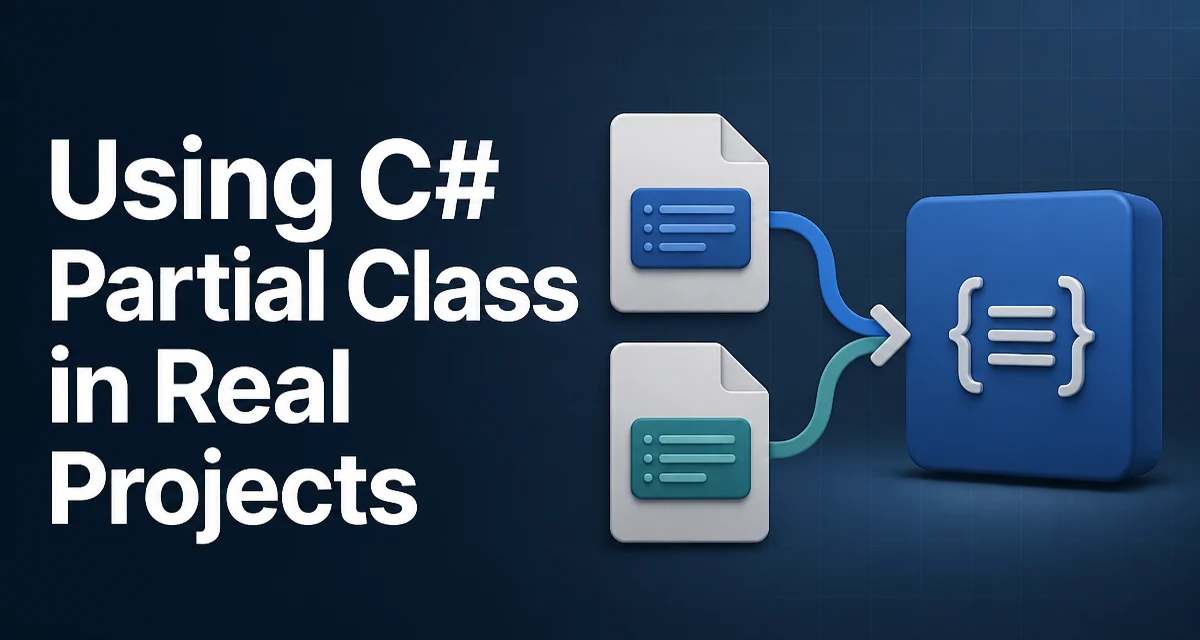
Using C# Partial Classes in Real Projects
Learn how and when to use C# partial classes to split type definitions across files, organize code, and support source-generated code.
C# Namespace Conflict Resolution Techniques
c# namespace conflict resolution: Learn practical techniques for resolving C# namespace conflicts: using aliases, fully qualified names, and understanding compiler res...
C# Nested Namespaces: Syntax, Layout, and Use
Learn how to declare nested namespaces in C#, manage using directives and aliases, and organize code with practical examples and layout guidance.
C# File-Scoped Namespaces Explained
Learn how file-scoped namespaces in C# 10 reduce indentation and simplify source layout, and when to choose them over block-scoped namespaces.
C# Global Using Explained
Learn how the C# global using directive works, where it applies, and how to choose between global usings, implicit usings, and regular per-file using directives.
C# Using Alias: Syntax, Scope, and Pitfalls
C# using alias directives let you shorten long namespace and type names, resolve naming conflicts, and make code more readable.
C# Using Directive: Syntax, Forms, and Scope
Understand the C# using directive: namespace imports, aliases, static members, global usings, and how placement affects your code.
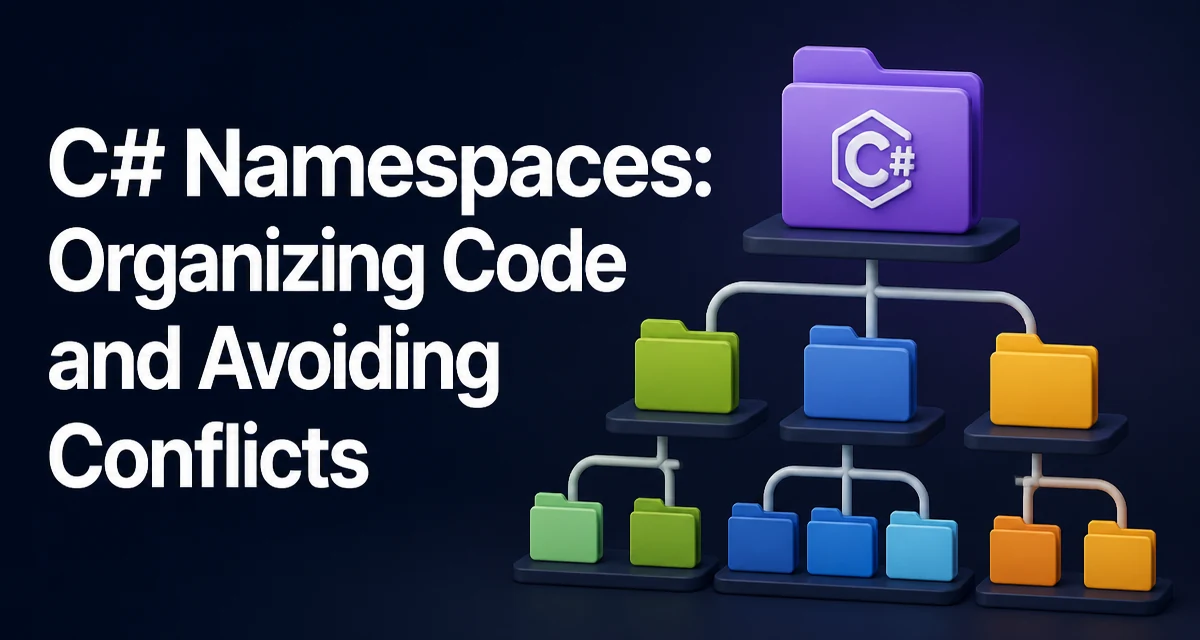
C# Namespaces: Organizing Code and Avoiding Conflicts
Learn how C# namespaces organize types, resolve naming conflicts, and affect code structure. Practical examples and common pitfalls included.