Browse by Topic
Popular
Popular Posts

Latest
Latest Posts
Using the C# Null Coalescing Operator Effectively
c# null coalescing operator: Learn how the C# null coalescing operator (??) simplifies null handling, its assignment form, and when to prefer it over conditional expre...
C# Ternary Operator: Syntax, Usage, and Pitfalls
Learn how to use the C# ternary operator for concise conditional assignments, avoid common pitfalls, and know when an if-else statement is the clearer choice.
C# Compound Assignment Operators: Syntax and Behavior
c# compound assignment operators: Learn how C# compound assignment operators work, including syntax, type conversions, precedence, and common pitfalls for working deve...
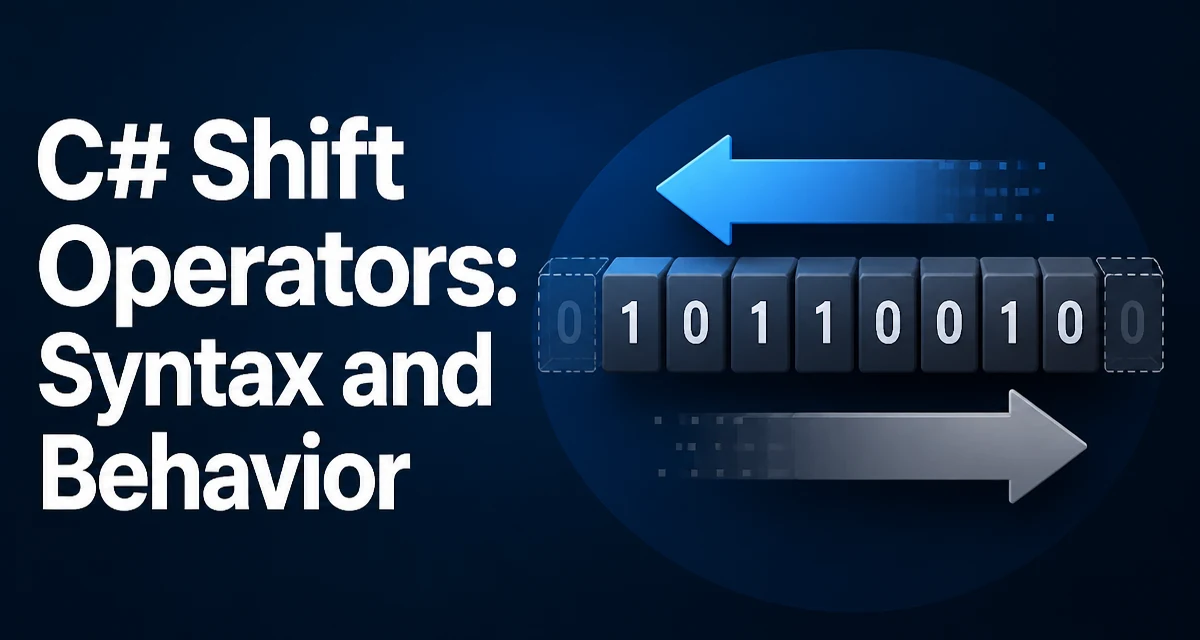
C# Shift Operators: Syntax and Behavior
Learn how C# shift operators work, including sign extension, masking rules, and practical uses for bit flags and arithmetic.

C# XOR Operator: Bitwise and Logical Usage
Learn how the C# XOR operator (^) works for bitwise and logical operations, including examples for bit toggling, flag manipulation, and common mistakes.
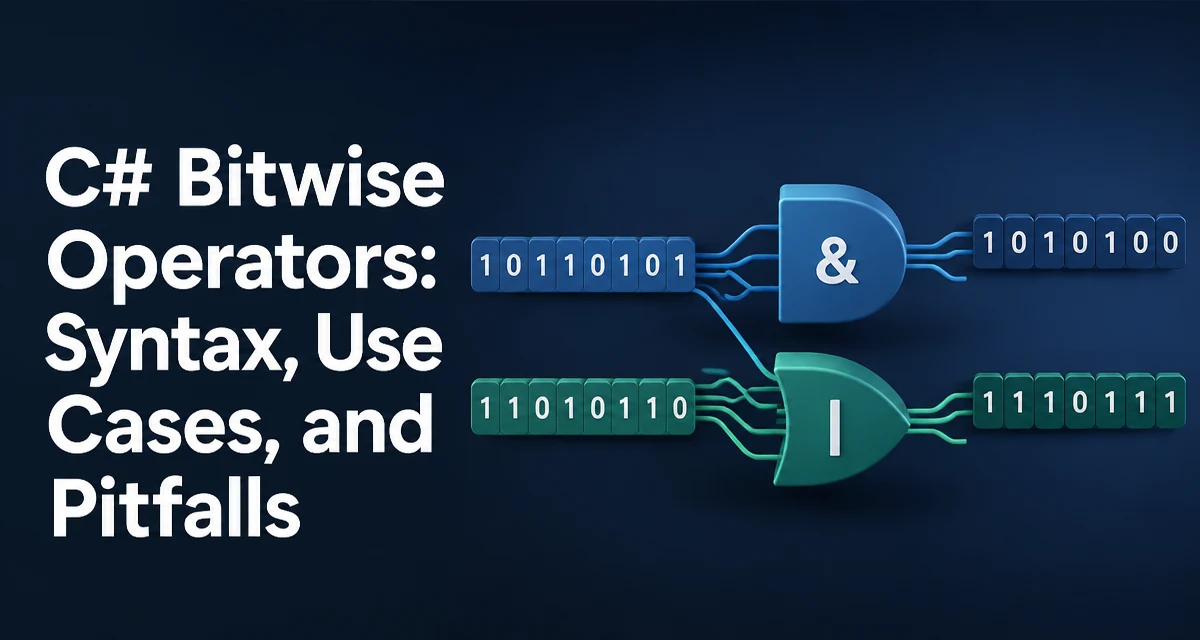
C# Bitwise Operators: Syntax, Use Cases, and Pitfalls
Understand C# bitwise operators: &, |, ^, ~, <<, >>, with practical examples for flags, bit manipulation, and common pitfalls.
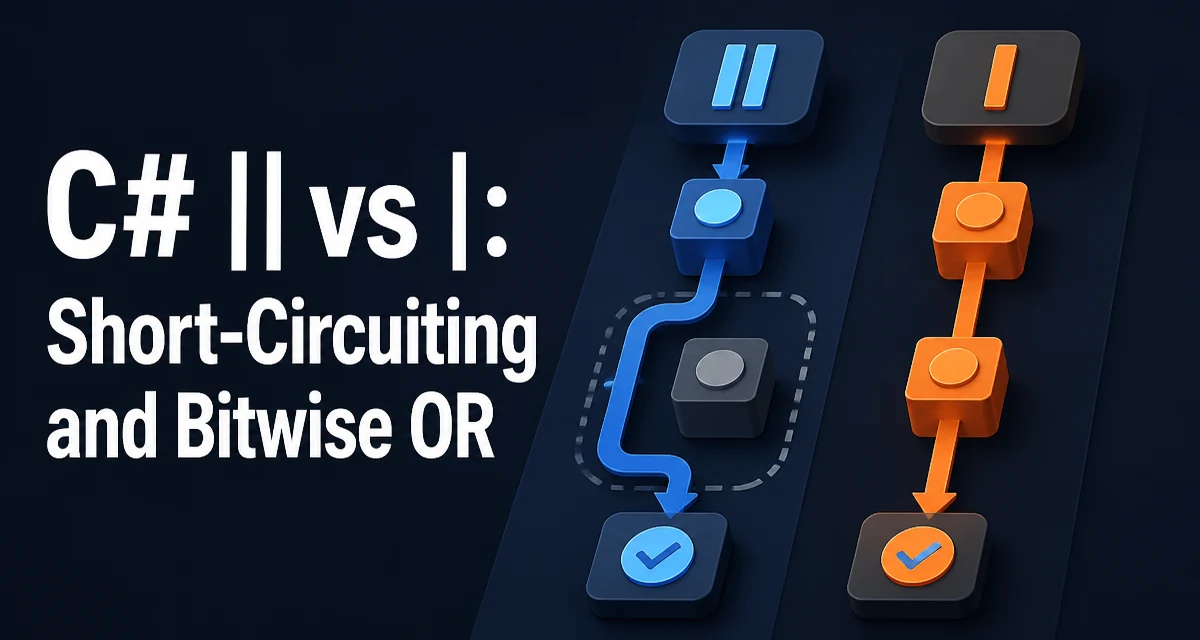
C# || vs |: Short-Circuiting and Bitwise OR
Understand the difference between C#'s short-circuiting || and non-short-circuiting | operators, including usage, pitfalls, and performance implications.
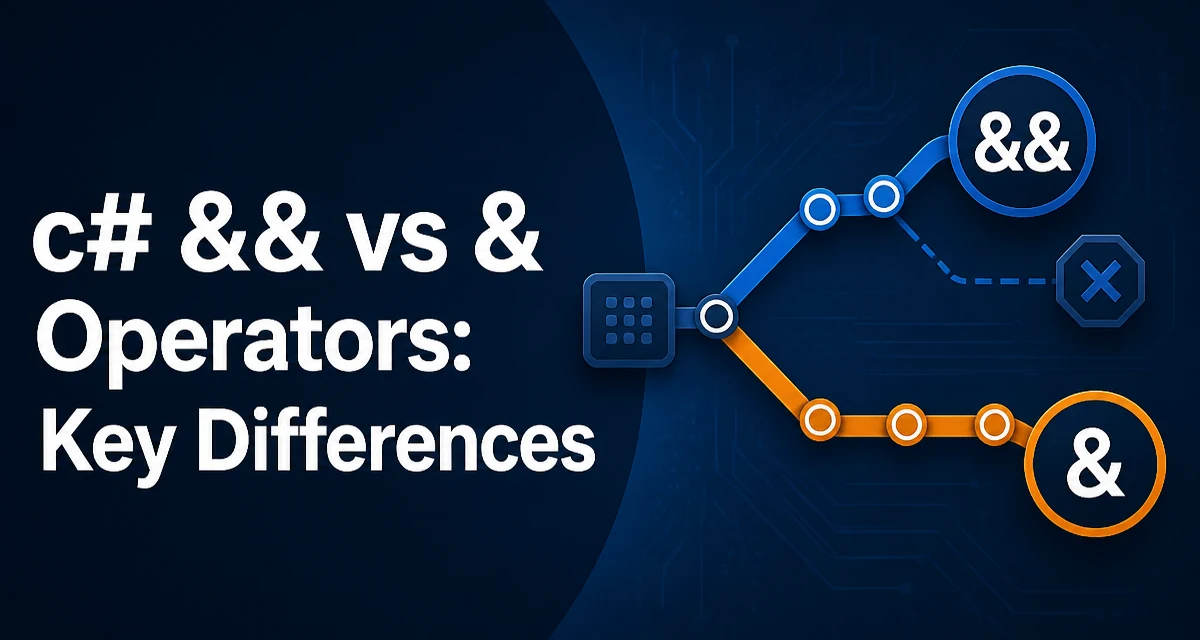
C# && vs & Operators: Key Differences
C# developers often confuse && and &. This article explains short-circuiting, eager evaluation, bitwise behavior, side effects, and when to use each operator.
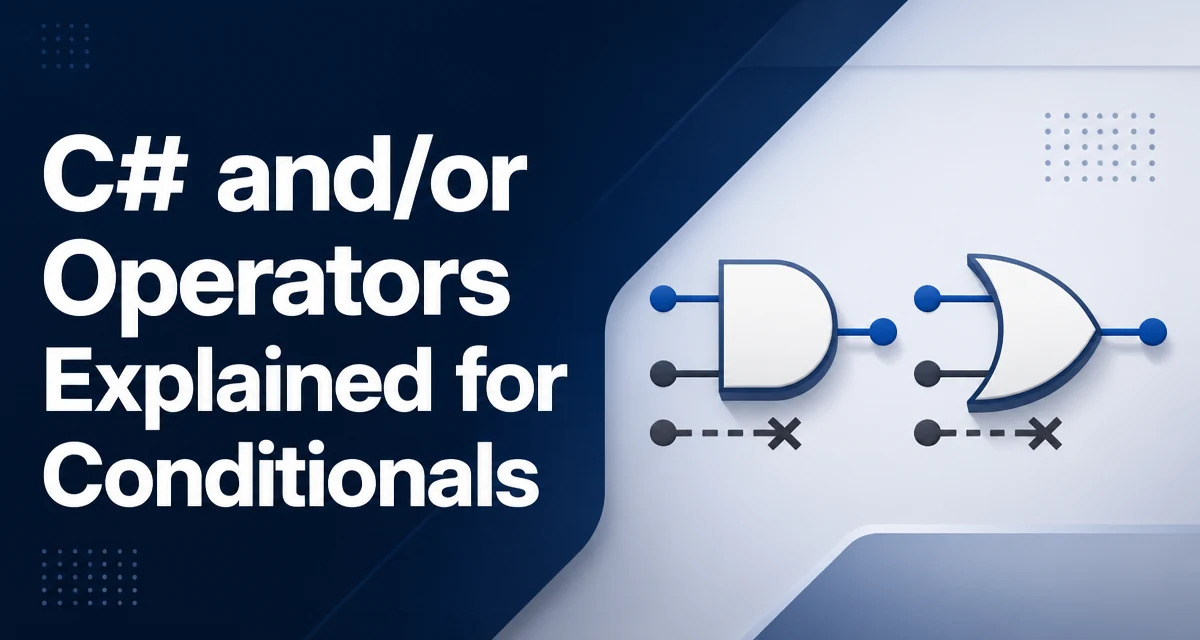
C# && and || Operators Explained for Conditionals
Understand how C# && (AND) and || (OR) work in conditionals, including short-circuit evaluation, operator precedence, nullable Booleans, and common pitfalls to avoid.
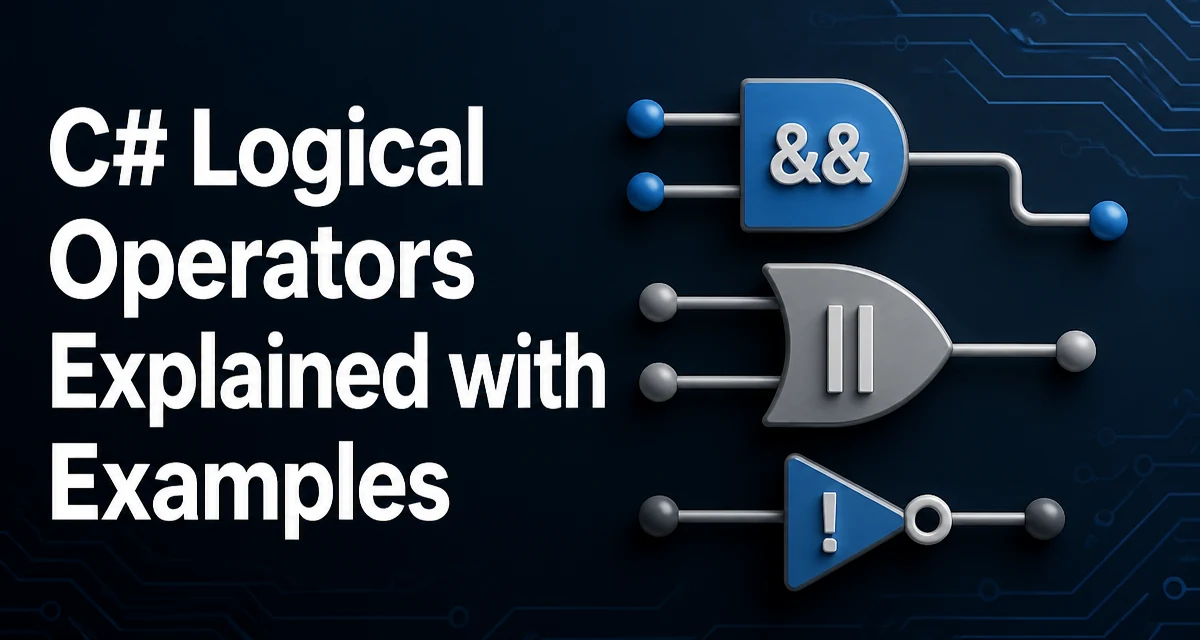
C# Logical Operators Explained with Examples
Learn how C# logical operators &&, ||, and ! work, including short-circuit behavior, precedence, and practical examples for clear conditional logic.