All syntax guides
Short, practical guides on programming syntax, language fundamentals, and the tools developers reach for every day.
3,965 guides across 14 topics
Topics
Popular guides
Most read
Latest guides
Page 14 of 397
ImagePullBackOff and ErrImagePull: Reading the Real Pull Error
ImagePullBackOff hides five different failures. The event text names which one: wrong reference, missing credentials, wrong architecture, unreachable registry, or a rate limit.
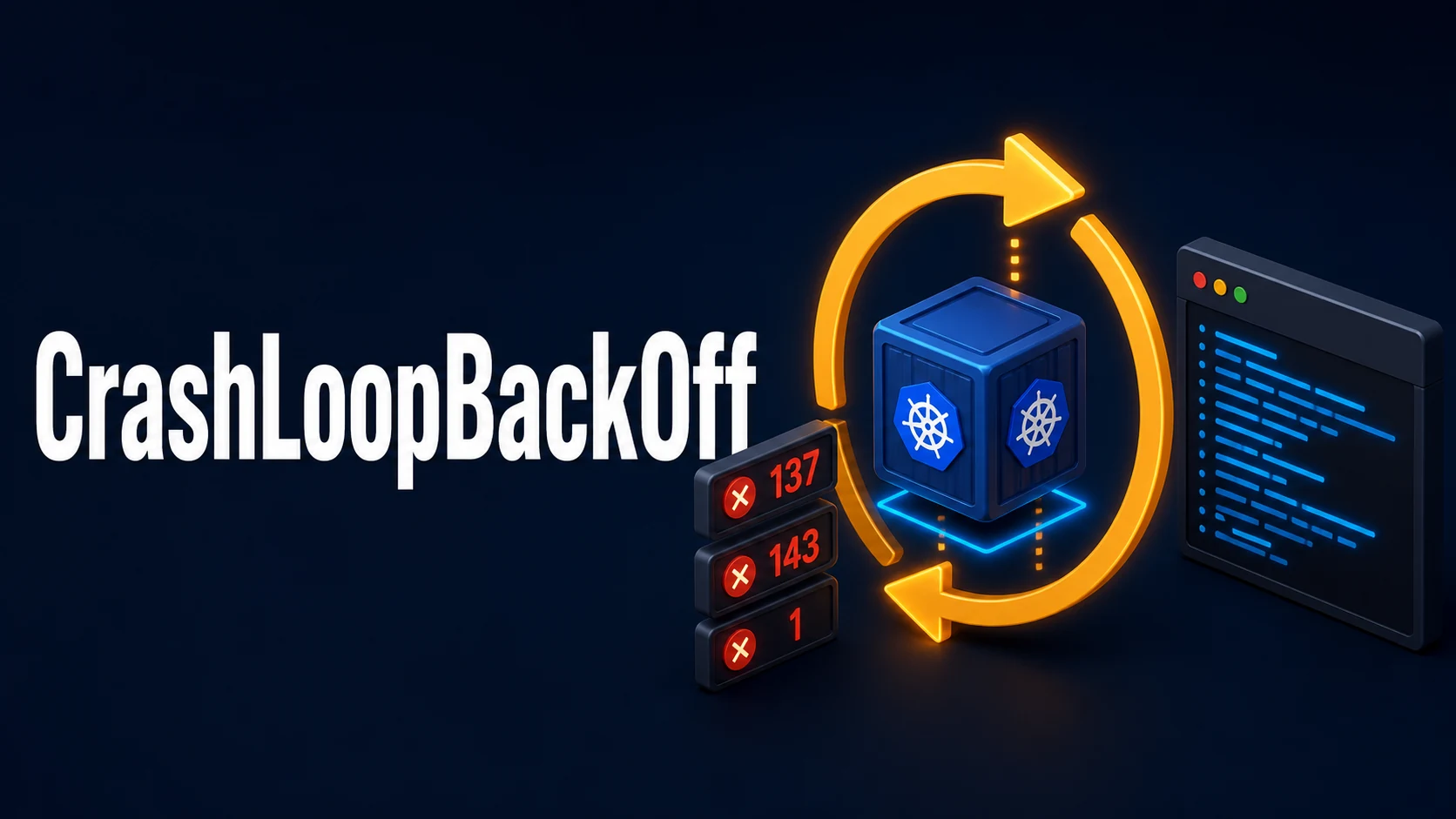
CrashLoopBackOff: Reading Exit Codes and Debugging Restart Loops
The backoff is only the waiting state. The evidence is in Last State, the exit code, and the previous container's last log line, and each points to a different fix.
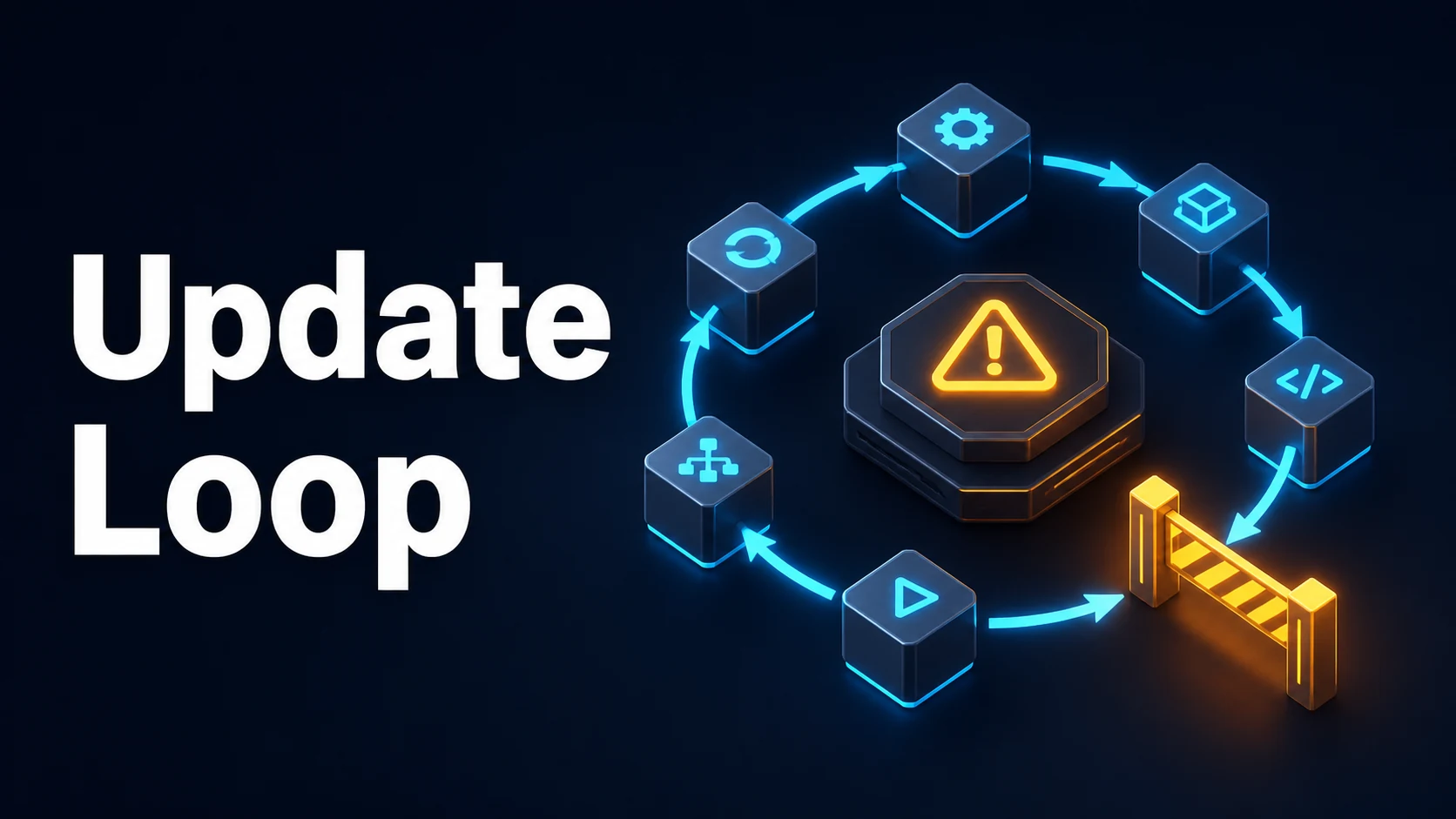
React Maximum Update Depth Exceeded: Finding the Update Loop
Fifty nested updates and React gives up. The loop is always a new identity: an inline object in a dependency array, a setState in render, or a selector that returns a fresh array.
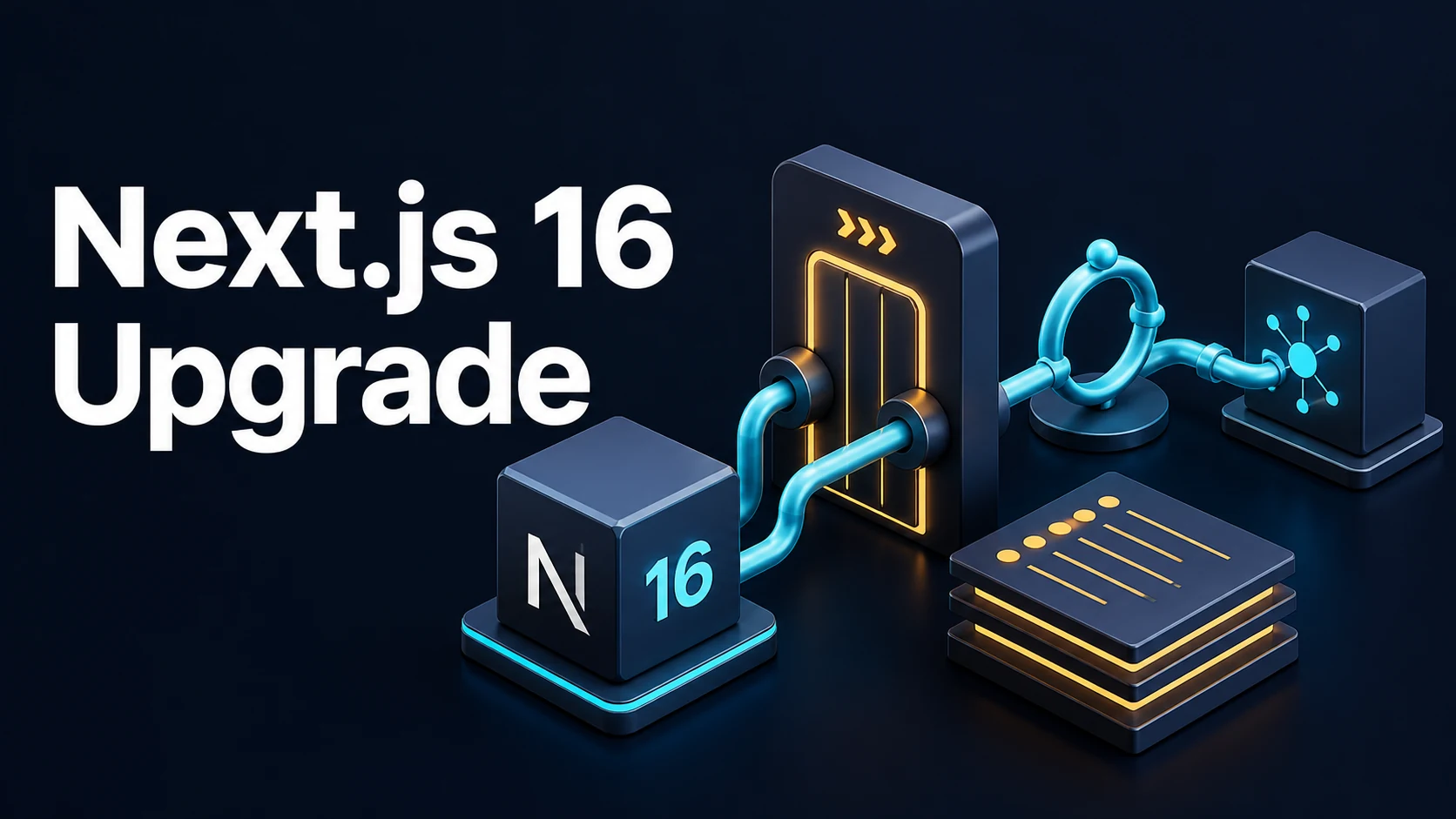
Next.js 16 Upgrade: Async Params, proxy.ts, and Turbopack Build Breaks
The codemod gets you most of the way; the rest is async request APIs, a webpack config Turbopack refuses, and a renamed middleware file that silently stops running.
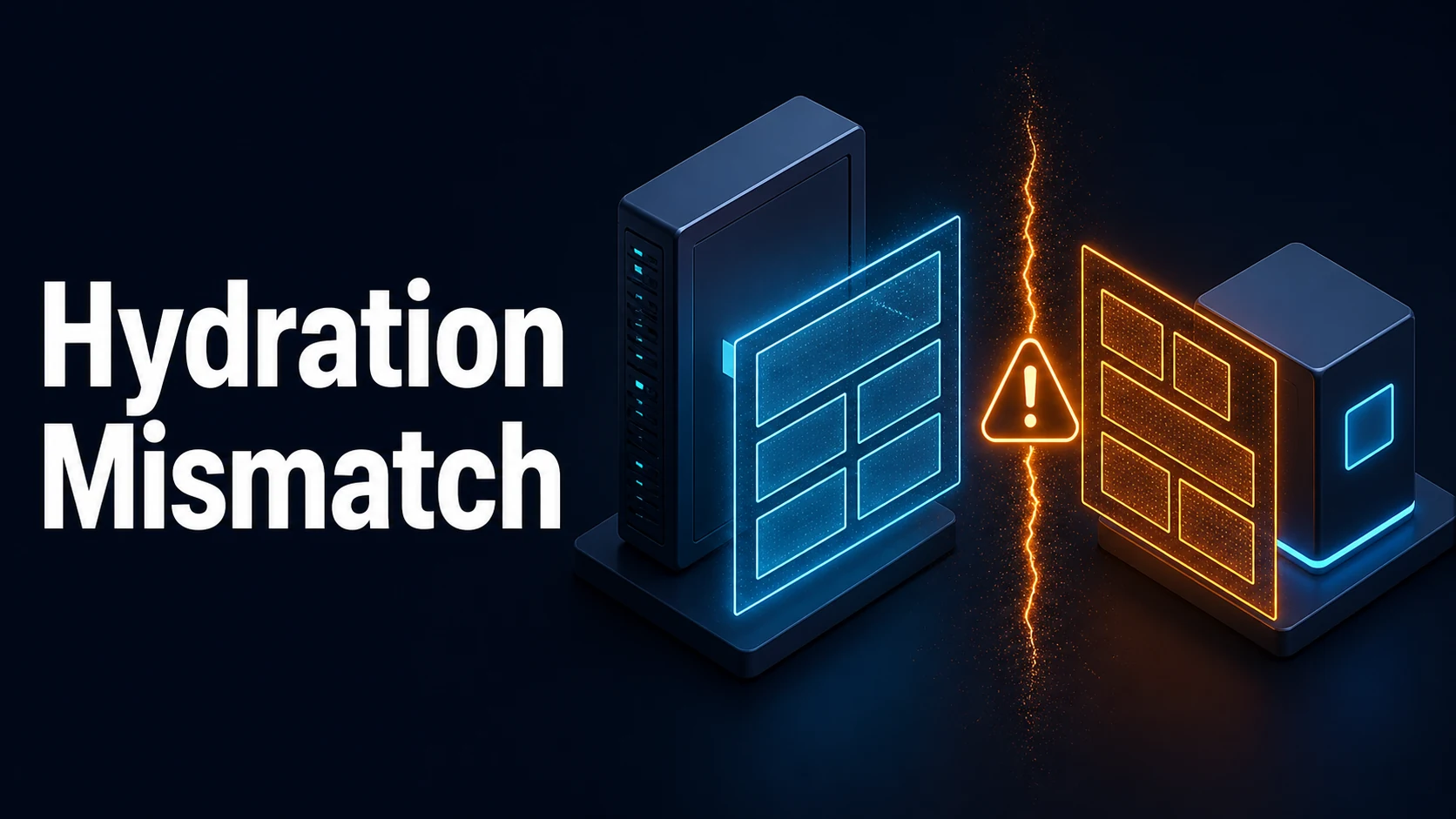
Next.js Hydration Mismatch: Why Server HTML Does Not Match the Client
React never reconciles a hydration mismatch; it re-renders the boundary. The four causes, the diff that finds them, and the patterns that keep the first client render identical to the server's.

Node.js EventEmitter: once, error Events, and Listener Memory Leaks
emit is synchronous, so a throwing listener aborts the rest. An error event with no listener crashes the process, and a listener per request is the classic leak.

Node.js crypto: Hashing, HMAC, AES-GCM, and Random Bytes
Hashing, HMAC, AES-256-GCM and randomness solve different problems. Never reuse a GCM nonce, never hash a password with sha256, and compare secrets with timingSafeEqual.
Node.js HTTP Server, Headers, AbortSignal, and Native fetch
Nothing is parsed for you: an unread body stalls the socket, and headers cannot change after the first write. fetch resolves on 404, and AbortSignal is the timeout mechanism.
Node.js worker_threads: SharedArrayBuffer and CPU Offloading
Each worker has its own isolate, event loop, and module cache. postMessage copies unless you transfer, and Atomics.wait on the main thread blocks the whole server.

Node.js child_process: spawn, exec, fork, and IPC Channels
spawn streams and never uses a shell; exec buffers through /bin/sh and is the injection surface. fork adds an IPC channel, and killing a tree needs a process group.