Browse by Topic
Popular
Popular Posts
Latest
Latest Posts
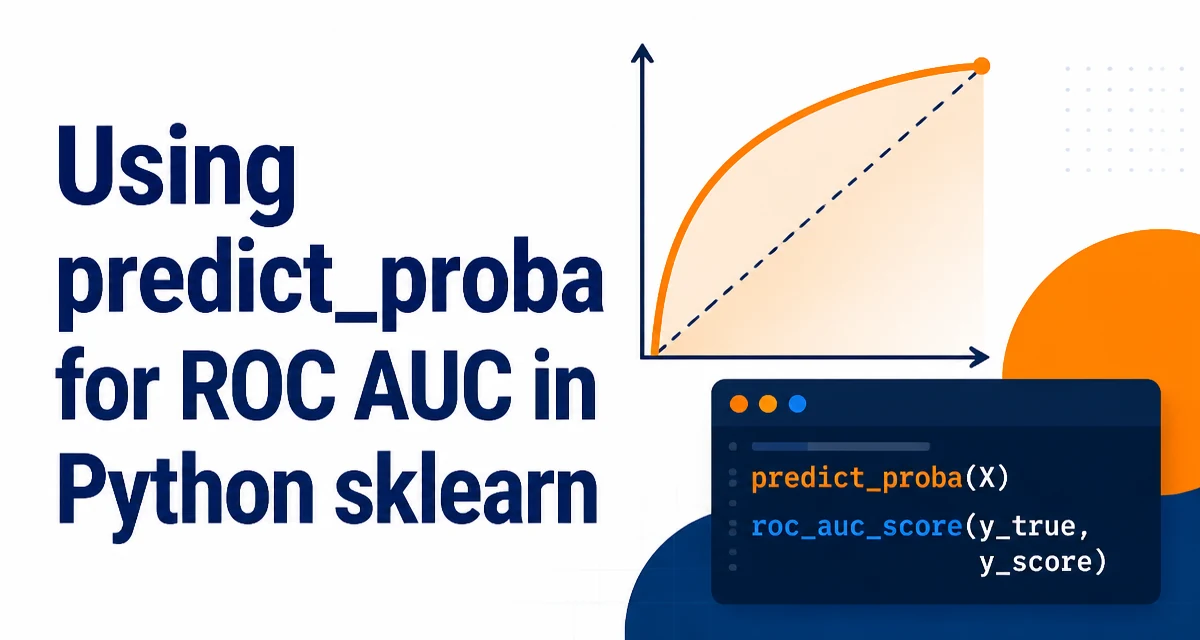
Using predict_proba for ROC AUC in Python sklearn
python sklearn roc auc and predict_proba: Learn why roc_auc_score needs predict_proba instead of predict, how to use it for binary and multiclass models, and common pi...
sklearn Classification Metrics: Confusion Matrix to F1
python sklearn classification metrics confusion matrix precision recall f1: Compute and interpret sklearn classification metrics: confusion matrix, precision, recall,...
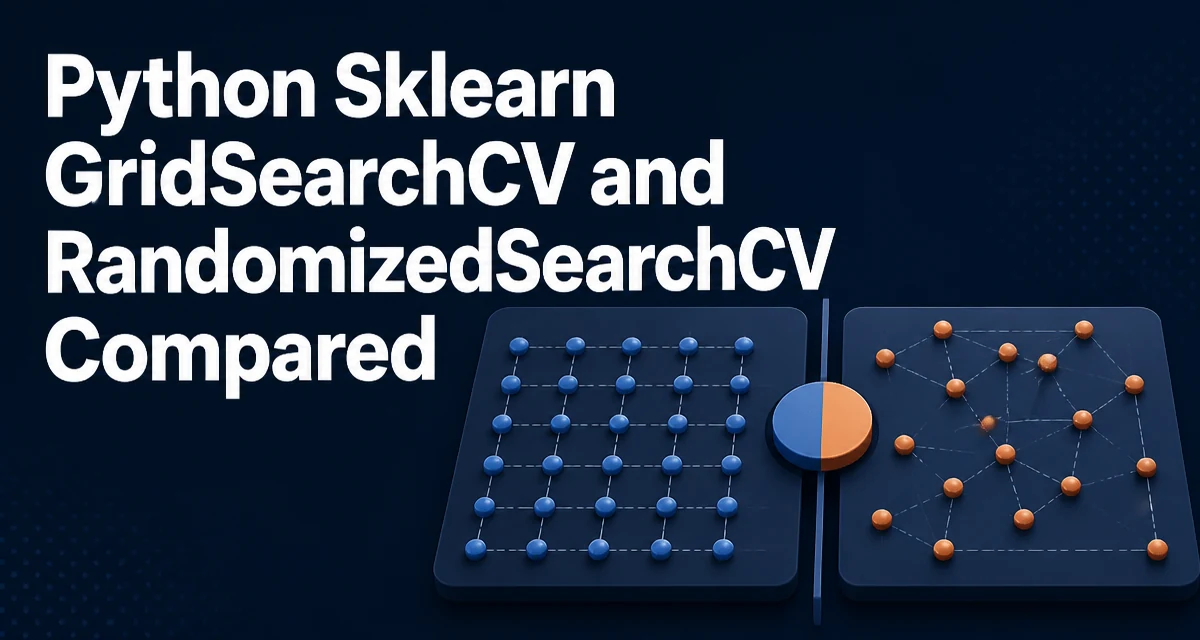
GridSearchCV vs RandomizedSearchCV in Scikit-Learn: How to Choose
Compare GridSearchCV and RandomizedSearchCV in scikit-learn: how each searches the parameter space, runtime tradeoffs, and when to use one or the other.
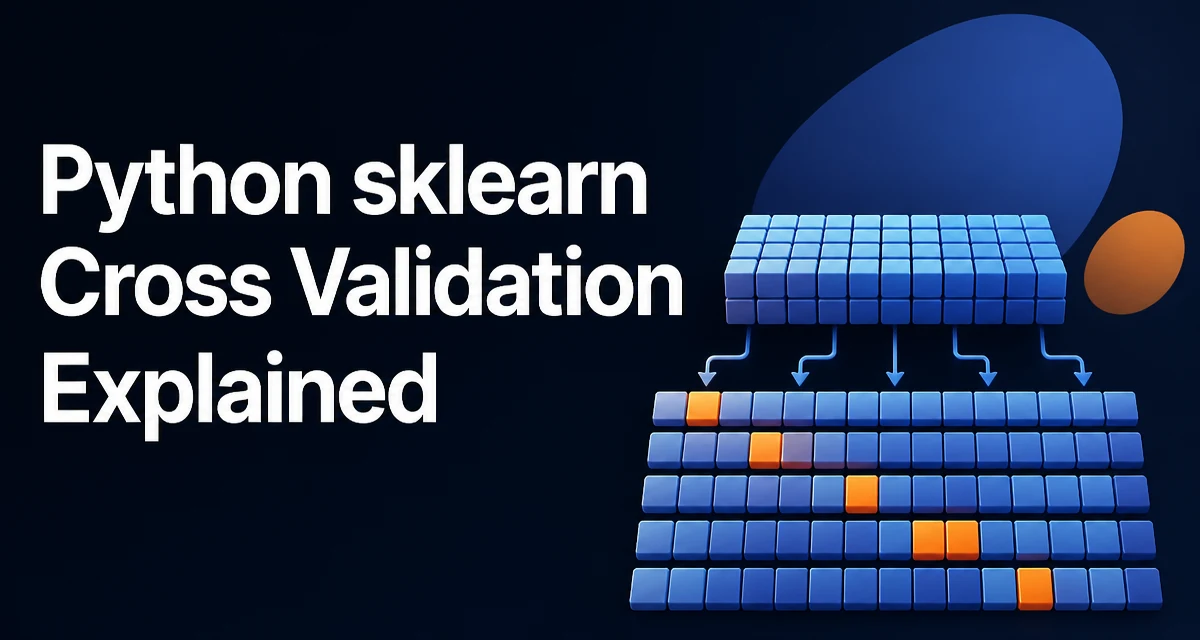
Python sklearn Cross Validation Explained
Use scikit-learn cross-validation to get reliable model performance estimates, choose the right strategy, and avoid data leakage with practical Python examples.
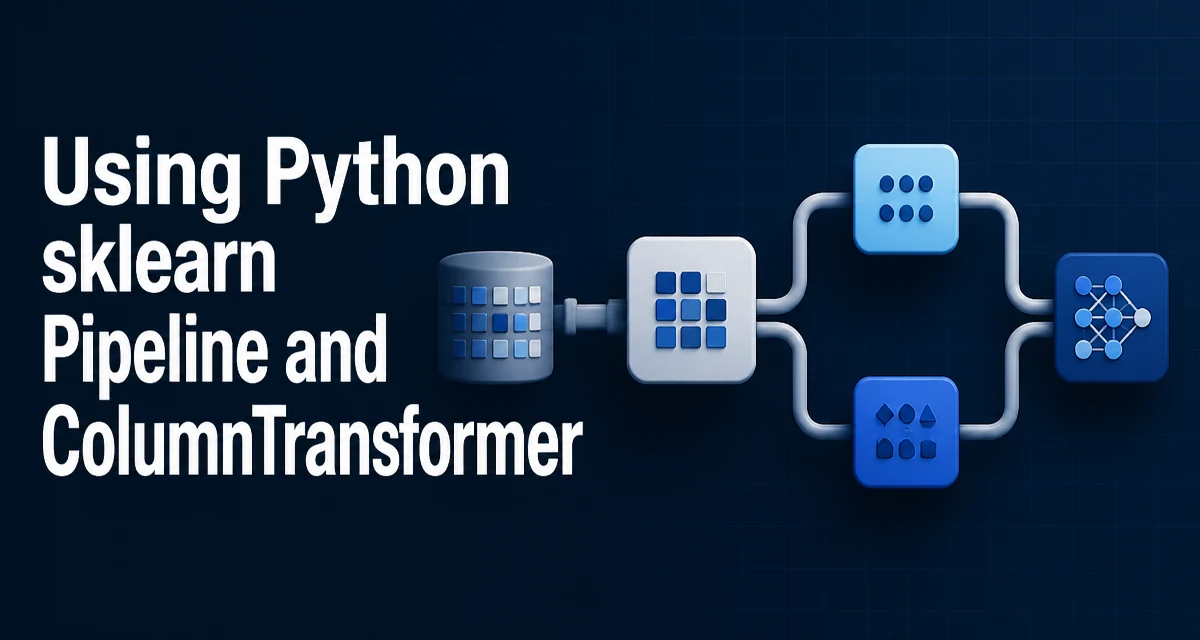
Using scikit-learn Pipeline and ColumnTransformer
Learn how to combine scikit-learn Pipeline and ColumnTransformer into one reproducible preprocessing and modeling workflow that avoids data leakage.
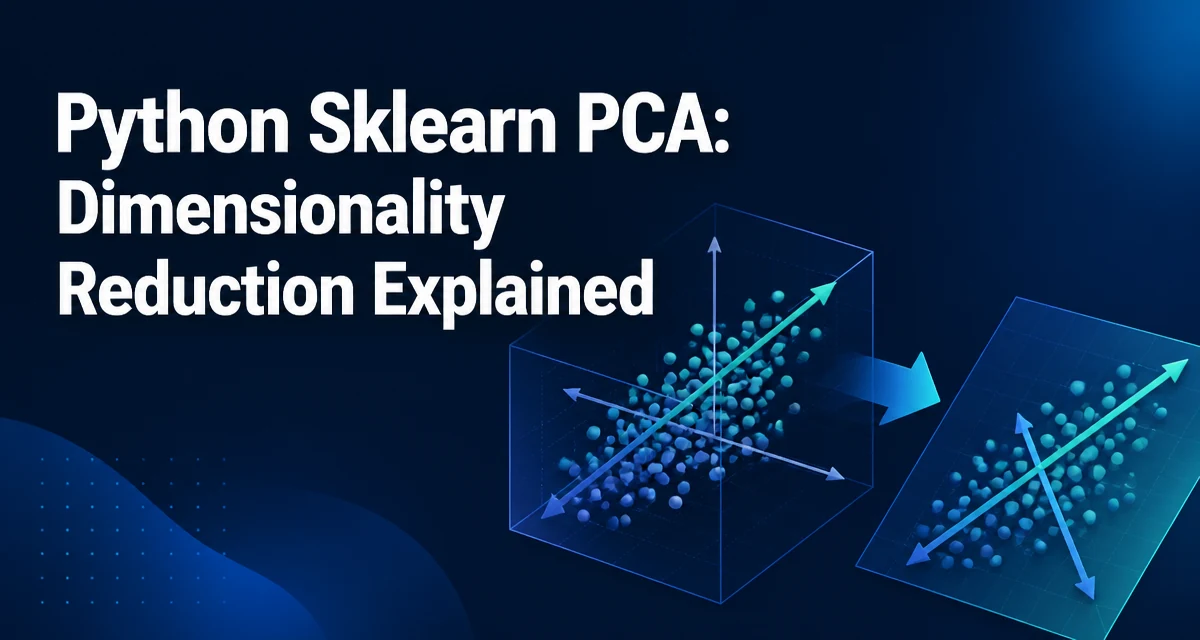
Python Sklearn PCA: Dimensionality Reduction Explained
python sklearn pca dimensionality reduction: Learn how to apply PCA with sklearn in Python, choose the number of components, and interpret results for effective dimens...
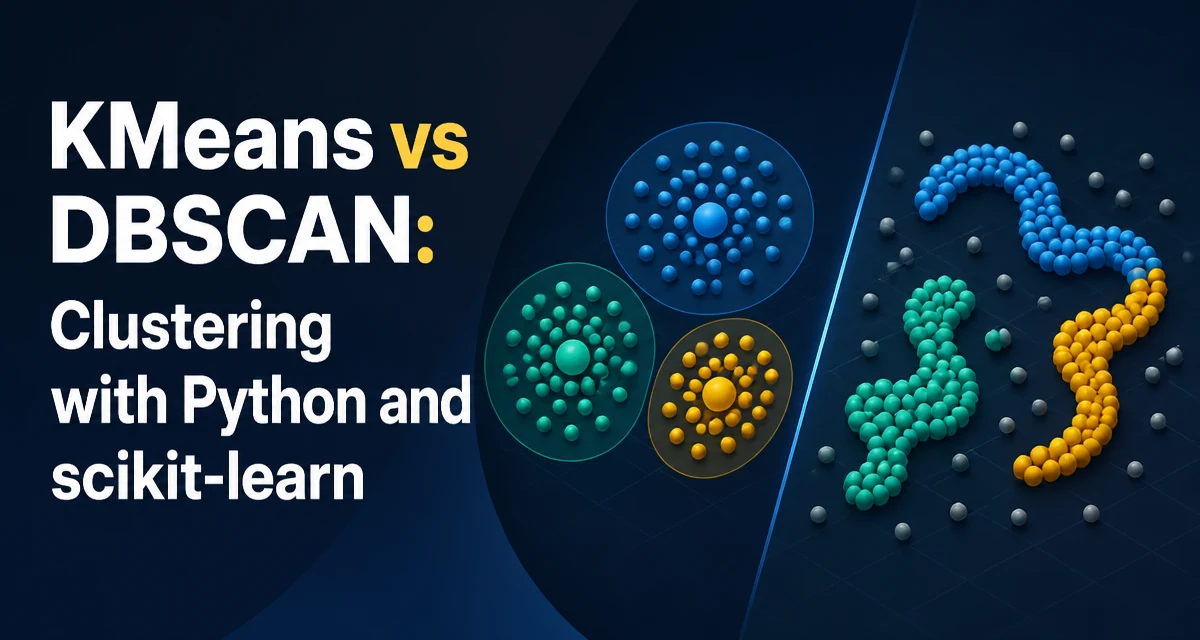
KMeans vs DBSCAN: Clustering with Python and scikit-learn
Compare KMeans and DBSCAN for clustering with Python and scikit-learn. Understand their assumptions, implement each algorithm, choose parameters, and decide which fits your data.
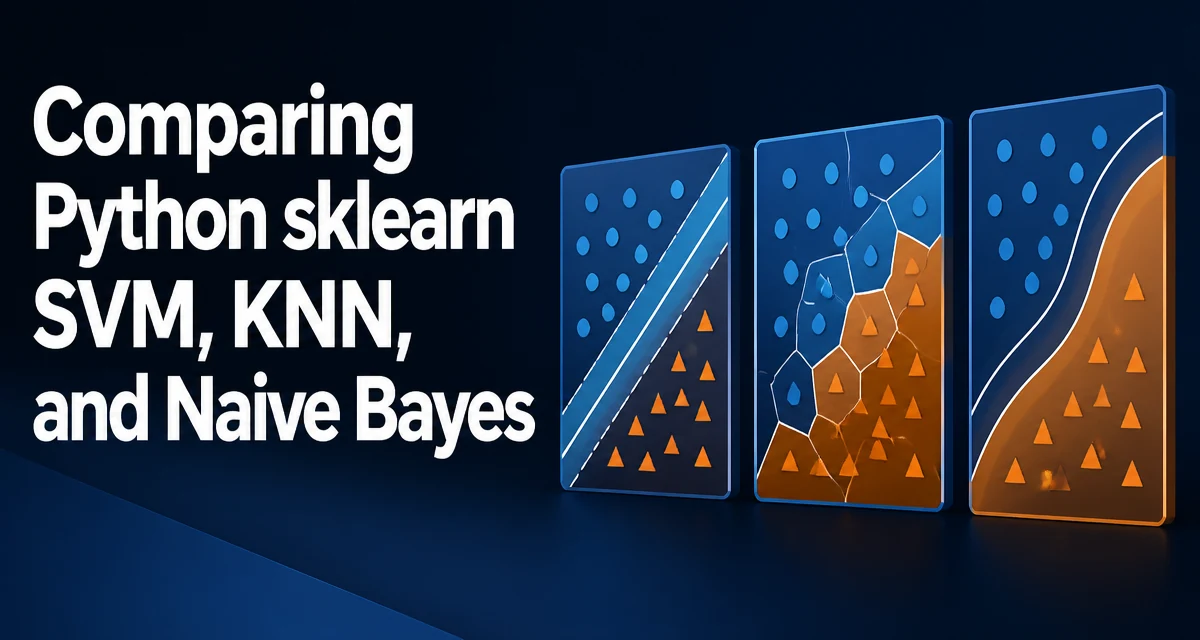
Comparing Python sklearn SVM, KNN, and Naive Bayes
Implement SVM, KNN, and Gaussian naive Bayes classifiers with scikit-learn, compare their tradeoffs, and choose the right algorithm for your data.
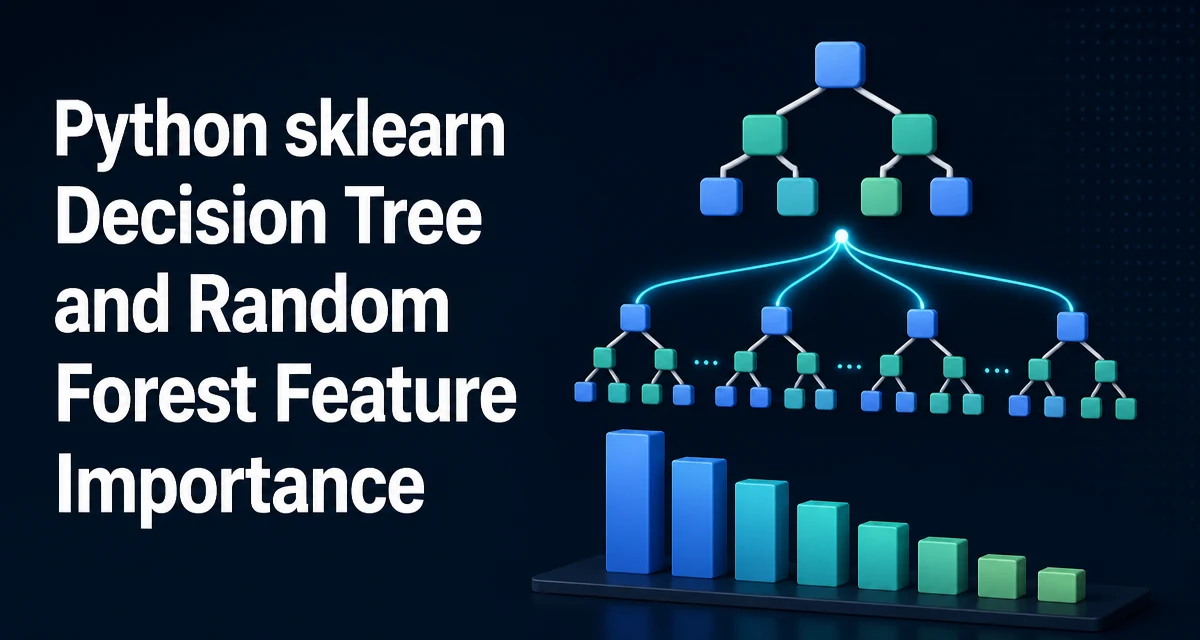
Python sklearn Decision Tree and Random Forest Feature Importance
Learn how to train decision trees and random forests in scikit-learn, extract feature importance scores, and interpret them accurately.
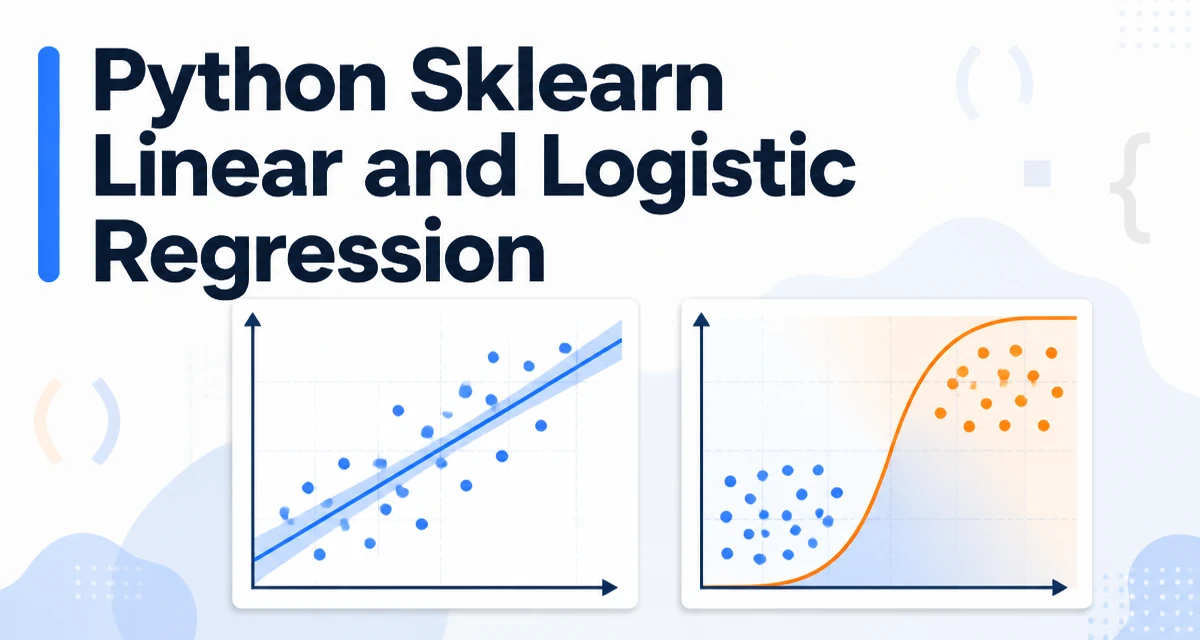
Python Sklearn Linear and Logistic Regression
Practical guide to Python sklearn linear and logistic regression. Includes code examples, parameter choices, feature scaling, regularization, and model evaluation.