Browse by Topic
Popular
Popular Posts

Latest
Latest Posts
Python Pydantic ConfigDict Extra Fields and Strict Mode
See how Pydantic ConfigDict's extra and strict settings control unknown fields and type coercion in Python models, with examples for API validation.
Python Pydantic Datetime and Custom Type Validation
Learn how to validate datetime fields in Pydantic v2: parse Unix timestamps, require timezone-aware values, and build reusable custom types.
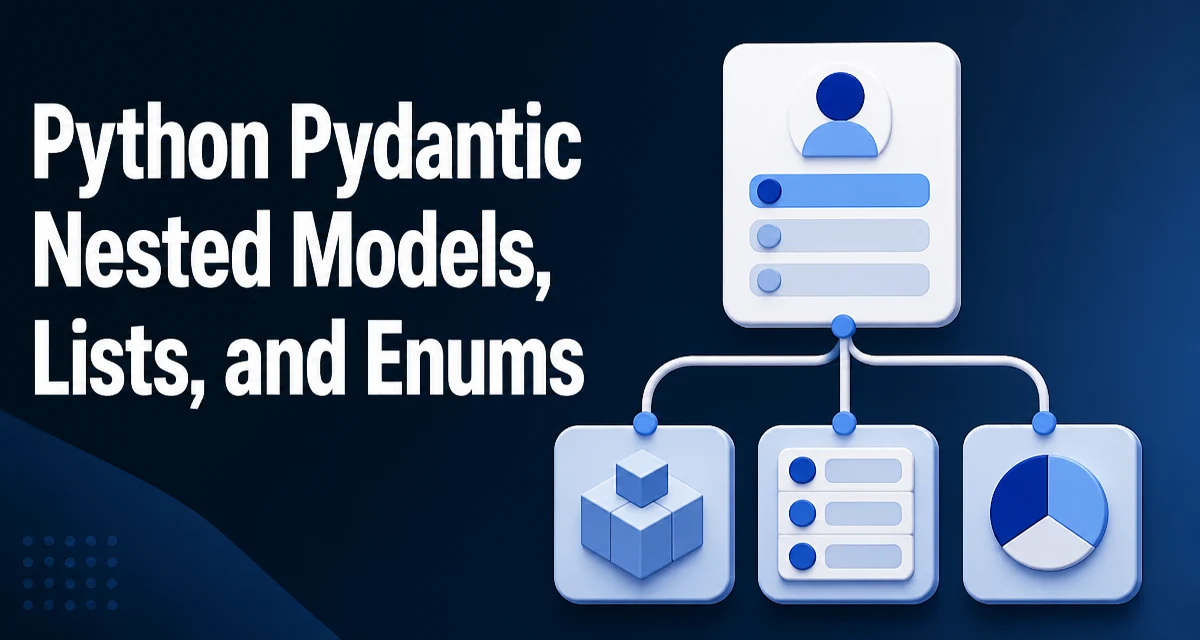
Python Pydantic Nested Models, Lists, and Enums
Learn how to define and validate nested models, lists of models, and enum fields in Pydantic with clear examples, including optional values and common pitfalls.
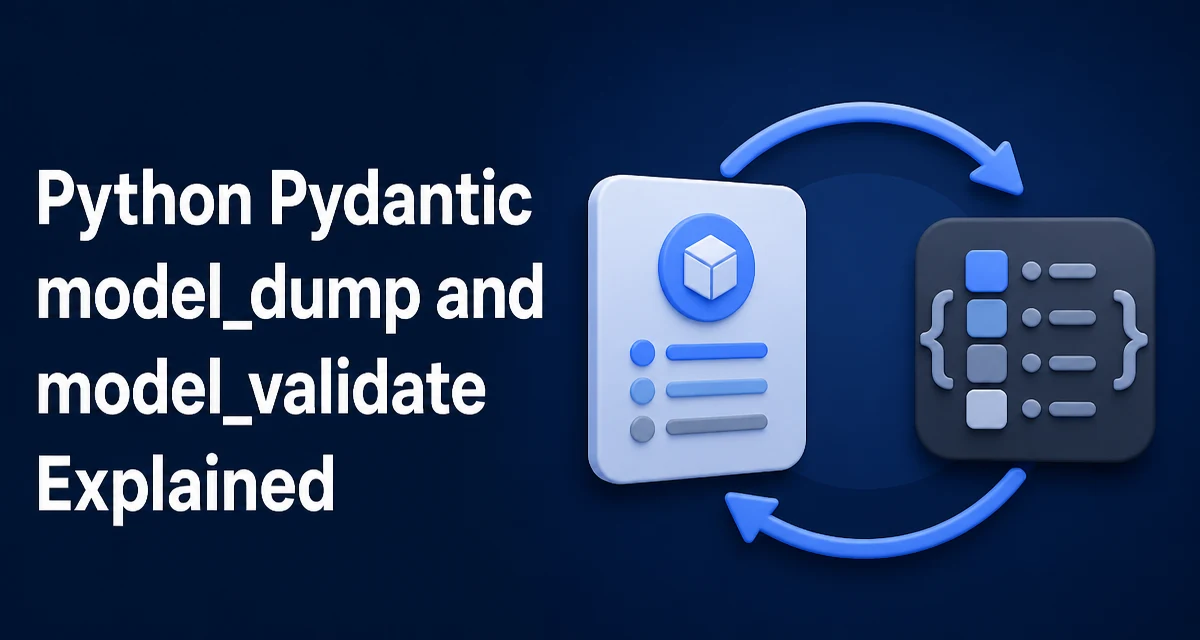
Python Pydantic model_dump and model_validate Explained
Pydantic v2's model_validate() turns external data into a validated model, while model_dump() turns a model back into a plain dictionary. This guide covers when to use each method, how to include or exclude fields, and common mistakes.
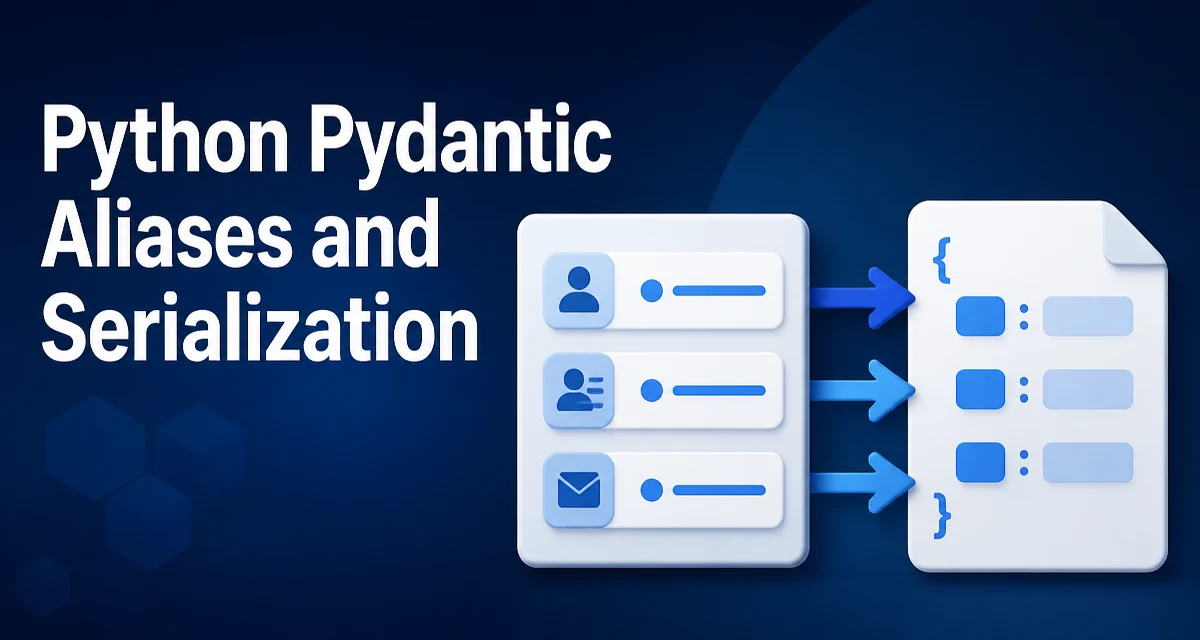
Python Pydantic Aliases and Serialization
Learn how Pydantic aliases affect serialization and how to use by_alias and populate_by_name to control field names in model_dump and JSON output.
Python Pydantic Optional Fields: Defaults & default_factory
Learn how to define optional fields in Pydantic, what `Optional[T]` actually means, and how `default_factory` differs from a plain `default` for mutable default values.
Pydantic field_validator and model_validator in Python
Learn how to use Pydantic's field_validator and model_validator for single-field and cross-field validation, including syntax and practical examples.
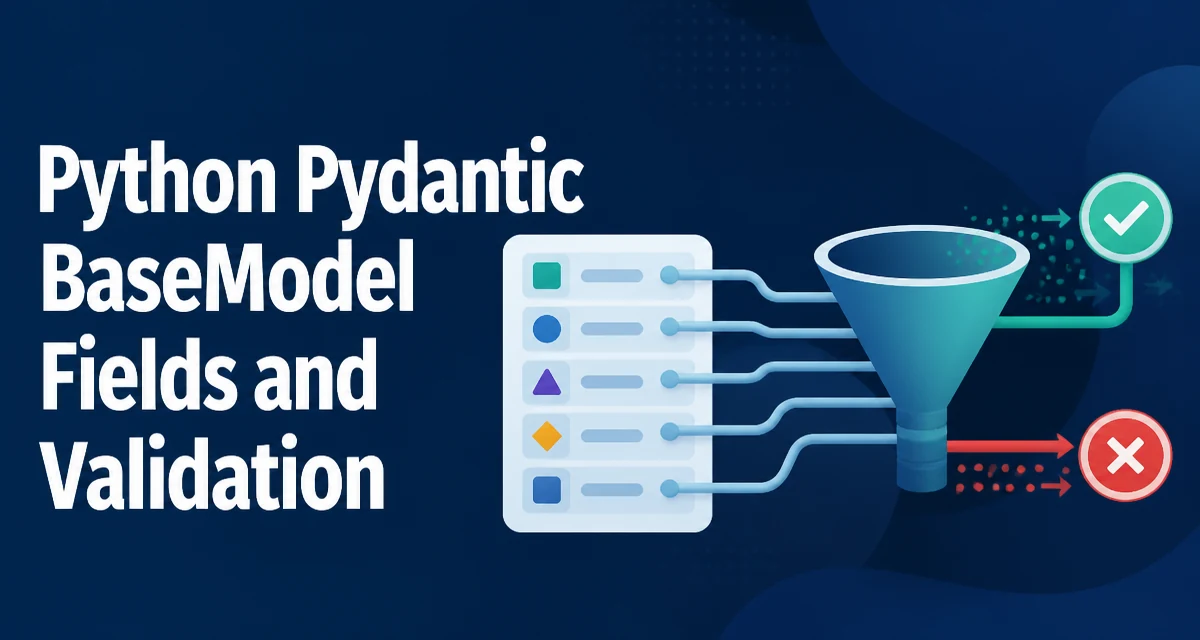
Python Pydantic BaseModel Fields and Validation
How Pydantic BaseModel fields validate data: type coercion, Field constraints, validators, nested models, error handling, and validation overhead.
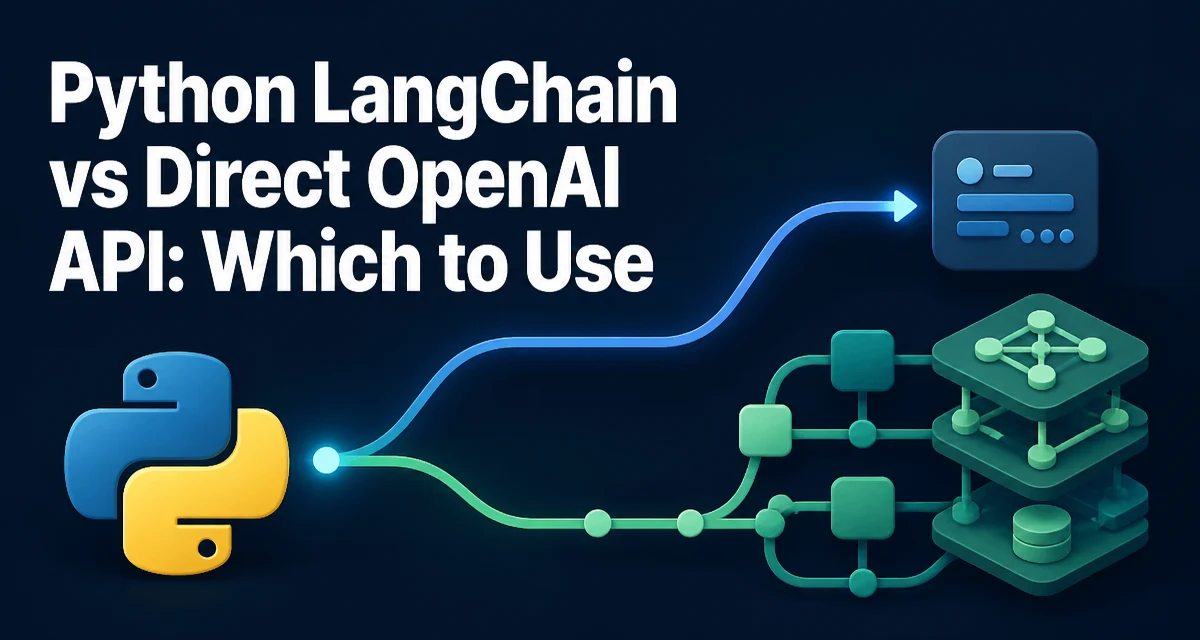
Python LangChain vs Direct OpenAI API: Which to Use
Compare Python LangChain and the direct OpenAI API for LLM calls: dependency footprint, debugging, orchestration features, and when to choose each.
Python LangChain OpenAI Integration
Set up the Python LangChain OpenAI integration with ChatOpenAI: install the packages, configure the API key, build prompt chains, stream responses, handle errors, and plan for production.